Enenji Temple Complete Guide | History, Access, and Visiting Information [Koto Ward, Tokyo]
Located in Koto Ward, Tokyo, Enenji Temple is a Rinzai Zen sect temple of the Engakuji school with a history of approximately 400 years. This article provides detailed information on Enenji Temple’s origins, history, access methods, and visiting information. It comprehensively covers useful information for those who want to visit historical temples in Tokyo or those planning a tour of shrines and temples around Monzen-Nakacho.
Basic Information on Enenji Temple
Enenji Temple is a Rinzai Zen sect temple of the Engakuji school located in Koto Ward, Tokyo, and is a historically significant temple with the mountain name Sanseizan. Its principal image is Shakyamuni Buddha, and it boasts a long history dating back to the early Edo period.
Location and Access Information
Address: Koto-ku, Tokyo
Keinenji Temple is conveniently located within walking distance of Monzen-Nakacho Station on the Tokyo Metro Tozai Line and Toei Oedo Line. As a temple visited by worshippers from all over Japan, we regularly update our information.
Sect and Principal Image
- Sect: Rinzai Zen Engaku-ji School
- Mountain Name: Sanseizan
- Principal Image: Shakyamuni Buddha
The Rinzai Zen Engaku-ji School is a branch of Zen Buddhism with Engaku-ji Temple in Kamakura as its head temple, and Keinenji Temple belongs to this sect.
History and Origins of Keinenji Temple
The history of Keinenji Temple dates back to the early Edo period. Its history is complex, having undergone several name changes and sect changes to reach its current form.
From Founding to the Early Edo Period
Keinenji Temple was founded in 1633 (Kanei 10). Initially, it was a Soto Zen temple with the name “Unganji.” This period in Edo was characterized by rapid urban development, and many temples were established during this time.
Relocation and Name Change during the Kanbun Era
In 1661 (Kanbun 1), Unganji Temple relocated to its current location. Along with this relocation, the temple’s name was changed to “Rosonji.” During the mid-Edo period, changes in the location and names of temples were frequent, and temple relocation was not uncommon as part of urban planning.
Conversion to Rinzai Zen and Name Change to Keinenji Temple
In 1664 (Kanbun 4), Rosonji Temple converted from the Soto Zen sect to the Rinzai Zen sect. At the same time, the temple’s name was changed to “Keinenji,” and it began a new chapter in its history as a temple of the Engakuji branch of the Rinzai school of Zen Buddhism. This change of sect is thought to have been influenced by several factors, including the religious policies of the time and the relationship with its parishioners.
Renaming in the Meiji Era: To Kankoji
In 1869 (Meiji 2), by order of the Meiji government, Keinenji was forced to change its name to “Kankoji.” This was due to a change in religious policy by the government during the Meiji era, which prohibited the use of the character “Ke” (慧). This renaming meant the temple would be known as Kankoji for approximately 150 years.
Revival of the Temple Name in the Heisei Era: Renaming back to Keinenji
In 2016 (Heisei 28), after many years of effort, the temple’s name was restored to its original name, “Keinenji.” Thanks to the efforts of His Holiness the Abbot of Engaku-ji Temple, the Chief Administrator, and the staff of the temple’s administration, we were able to officially restore the temple’s name after completing the necessary procedures. This renaming was a significant event in restoring the temple’s historical identity.
Highlights and Features of Keiren-ji Temple
Keiren-ji Temple boasts various points of interest cultivated over its long history. Here, we introduce points that visitors should pay attention to.
Main Hall and Temple Grounds
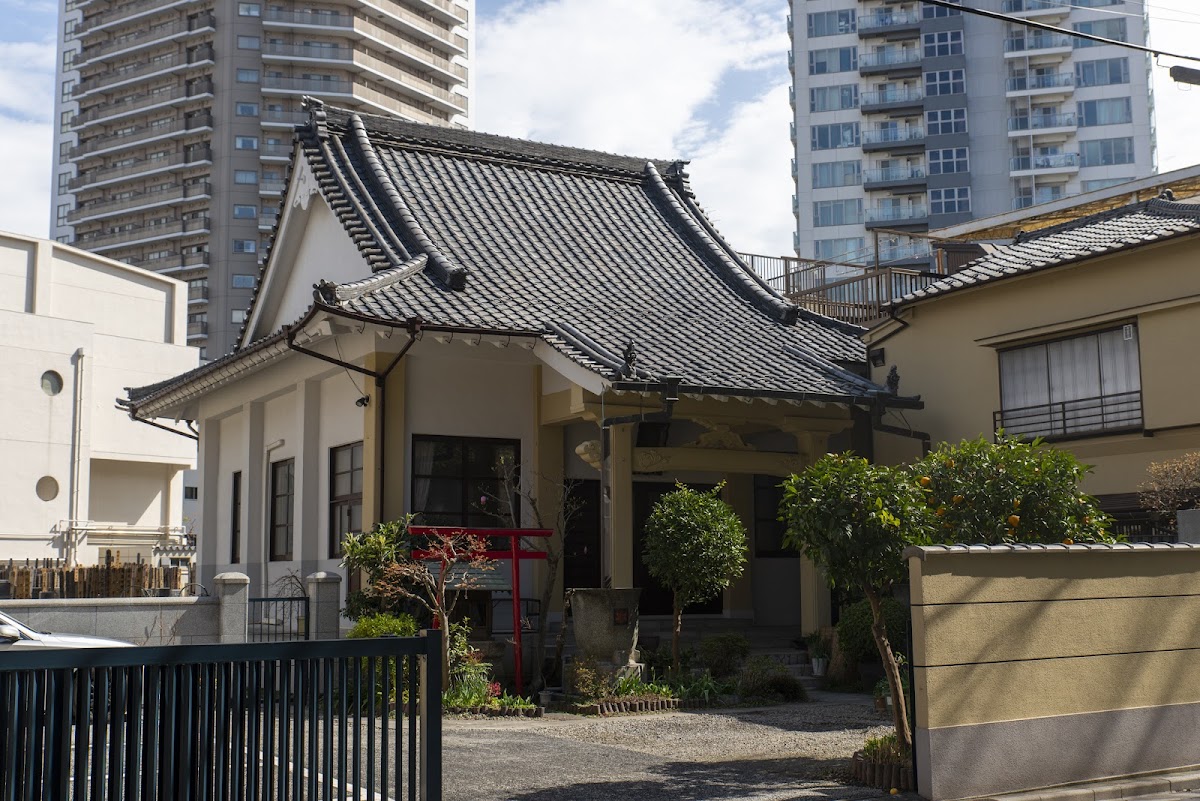
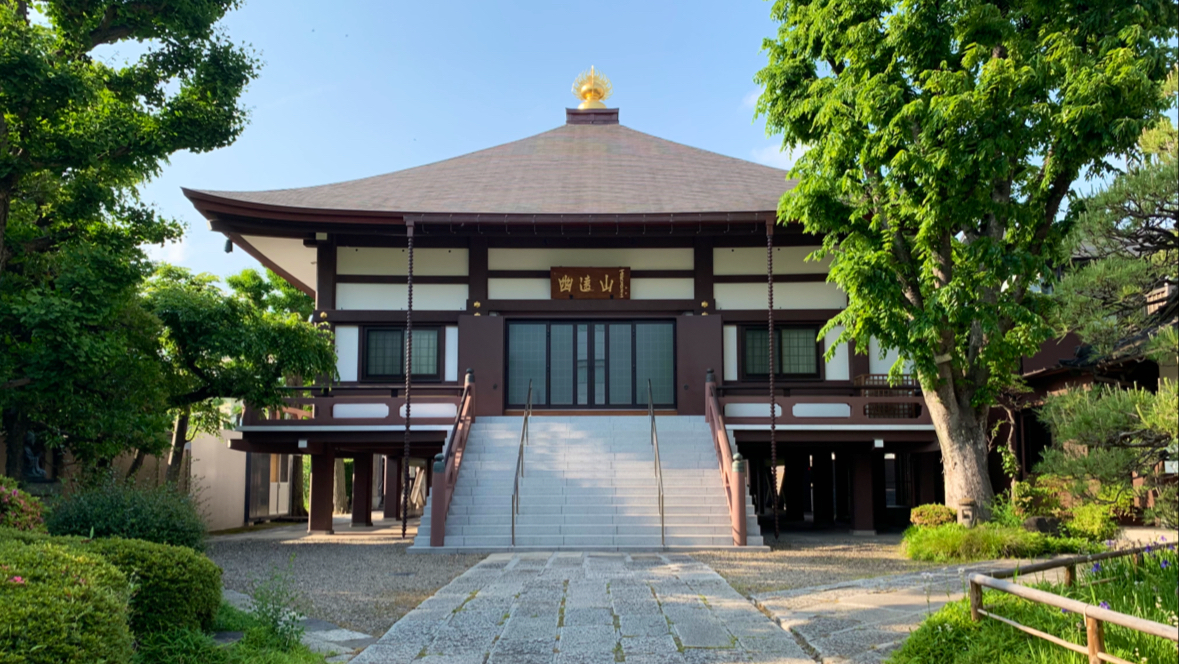
The main hall of Keiren-ji Temple exhibits a simple yet dignified appearance, typical of a Rinzai Zen temple. Despite being in the heart of the city, the temple grounds maintain a tranquil atmosphere, offering peace of mind to visitors.
Statue of Shakyamuni Buddha
The principal image, Shakyamuni Buddha, is the founder of Buddhism and the most important figure for all Buddhists. The statue of Shakyamuni Buddha at Keiren-ji Temple has been carefully preserved as an object of faith for many years.
Characteristics as a Zen Buddhist Temple
As a temple of the Engaku-ji branch of the Rinzai school of Zen Buddhism, Keiren-ji Temple cherishes the spirit of Zen. Through activities such as Zen meditation sessions and Dharma talks, it conveys the teachings of Zen to people living in modern society.
Visiting Information and Etiquette
We have compiled information and etiquette you should know when visiting Keiren-ji Temple.
Visiting Hours
While the general visiting hours for temples are during the daytime (approximately 9:00 AM to 5:00 PM), it is recommended to check the latest information before visiting Keiren-ji Temple.
Temple Visiting Etiquette
- Bow at the Temple Gate: Bow at the temple gate before entering the temple grounds.
- Respect: Be quiet within the temple grounds and be considerate of other visitors.
- Photography: Take photographs only in areas where photography is permitted.
- Worship at the Main Hall: Join your hands in prayer before the main hall and offer your prayers with sincerity.
About Goshuin (Temple Seals)
Many temples offer goshuin, but it is recommended to check directly with Keinenji Temple regarding their availability. Goshuin are cherished as proof of worship and as a symbol of connection with the temple.
How to Access Keinenji Temple
Kenenji Temple is located in Koto Ward, Tokyo, and is easily accessible by public transportation.
Access by Train
Nearest Station: Monzen-Nakacho Station (Tokyo Metro Tozai Line / Toei Oedo Line)
The temple is within walking distance of Monzen-Nakacho Station, making it easily accessible on foot. The Monzen-Nakacho area is known for its many shrines and temples, including Fukagawa Fudo-son and Tomioka Hachimangu, making it an ideal area for temple and shrine hopping.
Access by Car and Parking
If visiting by car, you will need to use nearby coin-operated parking lots. Since dedicated parking is often limited at temples in Tokyo, we recommend using public transportation.
Nearby Tourist Attractions
The following are some of the tourist attractions near Keienji Temple:
- Fukagawa Fudo-son: A Shingon Buddhist temple known as the Tokyo branch of Naritasan Shinshoji Temple.
- Tomioka Hachimangu Shrine: A shrine famous for the “Fukagawa Hachiman Festival,” one of the three major Edo festivals.
- Kiyosumi Garden: A representative garden from the Meiji era.
- Fukagawa Edo Museum: A museum recreating the townscape of Fukagawa during the Edo period.
Temple Culture in Koto Ward and the Position of Keienji Temple
Koto Ward is located in the eastern part of Tokyo’s 23 wards and is an area where many temples and shrines remain, along with the downtown culture that has continued since the Edo period.
Temples in the Fukagawa Area
The Fukagawa area, centered around Monzen-Nakacho, is home to many temples that have existed since the Edo period. Keienji Temple is one of these historical temples and has played a central role in the region’s faith.
Inheriting Faith from the Edo Period
During the Edo period, Fukagawa developed as a town of commoners, and many temples became centers of faith for the people. Keienji Temple, as a temple that has existed since the early Edo period, has supported the faith of the local people for approximately 400 years.
Role in Modern Times
Even in modern times, Keienji Temple functions as a spiritual pillar of the local community. Despite its location close to the city center, it provides a quiet space for worship, serving as a place of peace for modern people.
About the Engakuji School of Rinzai Zen Buddhism
This section explains the characteristics and teachings of the Engakuji School of Rinzai Zen Buddhism, to which Keienji Temple belongs.
History of Rinzai Zen Buddhism
Rinzai Zen Buddhism is a branch of Zen Buddhism founded by the Chinese Zen monk Linji Yixuan. It was introduced to Japan during the Kamakura period by Eisai and spread mainly within the samurai society.
Characteristics of the Engaku-ji School
The Engaku-ji school is one of the Rinzai Zen sects, with Engaku-ji Temple in Kamakura as its head temple. Engaku-ji is a prestigious temple with the second highest rank among the Five Great Zen Temples of Kamakura, and it has many branch temples throughout Japan.
Zen Teachings
The teachings of the Rinzai Zen sect emphasize “discerning one’s true nature.” Through zazen (seated meditation) and koan (question and answer), practitioners aim to confront their inner selves and attain enlightenment.
What You Can Experience at Keiren-ji Temple
Keiren-ji Temple hosts a variety of religious events and activities.
Regular Memorial Services
Temples regularly hold memorial services, which parishioners and general visitors can participate in. Through these services, one can learn about Buddhist teachings and perform ancestral rites.
Zazen Sessions
Zen temples often hold zazen sessions, providing opportunities for beginners to participate. Through Zen meditation, you can calm your mind and have time to confront yourself.
Dharma Talks
At the Dharma talks led by the head priest, you can learn about Buddhist teachings and wisdom useful for daily life. It’s a valuable opportunity to gain insights for living in modern society.
Annual Events at Keienji Temple
The temple holds various events throughout the year. Here are some of the main annual events.
New Year’s Events
Shushōe (New Year’s Ceremony): A Buddhist service is held to welcome the new year and pray for peace throughout the year.
Spring Events
Spring Equinox Ceremony: A memorial service for ancestors is held around the spring equinox.
Hanamatsuri (Buddha’s Birthday): A Buddhist service is held on April 8th, the Buddha’s birthday, to celebrate the birth of Buddha.
Summer Events
Obon: In August, the Urabon-e festival is held to welcome and honor the spirits of ancestors.
Autumn Events
Autumn Equinox Ceremony: Around the autumnal equinox, memorial services for ancestors are held again.
Winter Events
Enlightenment Ceremony: On December 8th, a memorial service is held to commemorate the day when Buddha attained enlightenment.
New Year’s Eve Bell Ringing: On New Year’s Eve, the temple bell is rung to welcome the new year.
Walking Guide Around Keiji Temple
When visiting Keiji Temple, we recommend exploring the surrounding area as well.
Monzen-Nakacho Shopping Street
Around Monzen-Nakacho Station, a traditional shopping street stretches out, allowing you to enjoy the atmosphere of an old town. Long-established Japanese confectionery shops and restaurants, deeply rooted in the community, line the streets.
Fukagawa Meshi
Fukagawa Meshi, a specialty dish of the Fukagawa area, is a local dish made with clams and cockles. There are many restaurants serving Fukagawa Meshi in the surrounding area, making it a recommended meal after visiting the temple.
Sumida River and Kiyosu Bridge
A short walk further will allow you to enjoy a stroll along the Sumida River. The view from Kiyosu Bridge is beautiful, allowing you to enjoy the waterfront scenery of Tokyo.
Points to Note When Visiting Keienji Temple
Here are some points to keep in mind when visiting Keienji Temple.
Regarding Attire
There are no specific dress code regulations, but when visiting a temple, please avoid revealing clothing and aim for clean and presentable attire.
Checking Visiting Hours
General visits may be restricted during events and memorial services. It is recommended to check the latest information before visiting.
Temple Etiquette
- Do not speak loudly
- Refrain from smoking or eating outside designated areas
- Pets are generally prohibited (except for guide dogs, etc.)
- Take your trash with you
Enjoying the Charms of Keirenji Temple to the Fullest
Here are some tips for deeply understanding the charms of Keirenji Temple and having a fulfilling pilgrimage experience.
Recommended Prior Study
Learning about the temple’s history and the teachings of the Rinzai sect before your visit will lead to a deeper understanding and appreciation. By keeping the historical background introduced in this article in mind, you will be able to feel the meaning embedded in each aspect of the temple grounds.
Spend a Relaxing Time
Keirenji Temple offers a tranquil space despite being located in the heart of the city. Rather than rushing through your visit, we recommend spending a relaxing time on the temple grounds and allowing yourself time to calm your mind.
Visiting in Different Seasons
Temples show different expressions depending on the season. You can enjoy the beauty of each season: cherry blossoms in spring, lush greenery in summer, vibrant autumn leaves, and the tranquility of winter. By visiting multiple times, you can forge a deep connection with the temple.
Photography Tips
In areas where photography is permitted, you can capture the beautiful architecture and scenery of the temple grounds. However, please be considerate of other visitors and take photos quietly.
Summary: The Value and Significance of Keienji Temple
Keienji Temple is a Rinzai Zen temple of the Engakuji school that has existed in Koto Ward, Tokyo, for approximately 400 years since the early Edo period. Its history, having changed names from its founding as Unganji Temple to Rosonji Temple, Keienji Temple, and Kankoji Temple, and then regaining the name Keienji Temple in 2016, tells the story of the changing landscape of Japanese religious history.
Despite its convenient location within walking distance of Monzen-Nakacho Station, Keienji Temple offers a tranquil space away from the hustle and bustle of the city, making it a precious spiritual haven for those of us living in modern times. The spirit of Zen, based on the teachings of the Rinzai school, offers wisdom for finding inner peace in today’s stressful society.
For those who wish to visit a historic temple in Tokyo, experience Zen teachings, or simply enjoy a peaceful time, Keirenji Temple is the perfect place. Visiting it along with other shrines and temples in the Fukagawa area will allow you to gain a deeper understanding of Tokyo’s temple and shrine culture.
Keirenji Temple attracts many visitors from all over Japan. Its long history and tranquil atmosphere will leave a lasting impression on those who visit. We encourage you to visit Keirenji Temple and experience its charm for yourself.
When visiting, please check the latest information, observe proper etiquette, and enjoy a peaceful time. We hope your experience at Keirenji Temple will bring richness and fulfillment to your life.