Complete Guide to Entsuji Temple: History, Highlights, and Access Information for Famous Temples Nationwide
There are several temples named Entsuji throughout Japan. Each possesses its own unique history and cultural assets, and has played an important role as a center of local faith and culture. This article focuses on the particularly famous Entsuji temples, providing a detailed explanation of their historical background, cultural assets, highlights, and transportation access.
What is Entsuji Temple?
The temple name Entsuji originates from “Entsu,” an alternative name for Kannon Bodhisattva. Entsu means “to permeate all,” representing Kannon Bodhisattva’s virtue of listening to and saving all sentient beings. Therefore, it is a temple name often used for temples that enshrine Kannon Bodhisattva as their principal deity.
Among the many Entsuji temples throughout Japan, those with particularly high historical and cultural value and attracting many visitors include the Entsuji in Arakawa Ward, Tokyo; the Entsuji in Sakyo Ward, Kyoto City, Kyoto Prefecture; the Entsuji in Kurashiki City, Okayama Prefecture; and the Entsuji in Akasaka, Minato Ward, Tokyo.
Entsuji in Arakawa Ward, Tokyo
History
Located in Minami-Senju, Arakawa Ward, Entsuji is a temple belonging to the Soto Zen sect. Its mountain name is Fudasan, and its principal image is the Holy Kannon Bodhisattva. According to temple tradition, it was founded in 791 (Enryaku 10) by Sakanoue no Tamuramaro, known as the Shogun.
Entsuji became widely known due to events during the Meiji Restoration. In 1868 (Keio 4), with the collapse of the Edo Shogunate, the Battle of Ueno broke out between the Shogitai, based at Ueno Kan’eiji Temple, and the new government forces. The bodies of the Shogitai soldiers who died in this battle were initially forbidden from being buried by the new government and were left unburied.
Unable to bear this tragic situation, the head priest of Entsuji Temple, Butsuma, disregarded the danger and cremated the bodies near the current Saigo Takamori statue in Ueno Park, and then buried them at Entsuji Temple. This act of righteousness earned Entsuji Temple its place in history as “the temple of the Shogitai.”
Cultural Properties and Highlights
Within the grounds of Entsuji Temple lies the graveyard of the Shogitai soldiers, where many tombstones of the soldiers stand. A monument commemorating the Shogitai soldiers who died in battle has also been erected in the cemetery, making it a valuable historical site that conveys the turmoil of the late Edo period. A memorial service for the Shogitai is held every year on May 15th, attracting many attendees.
The main hall houses the principal image, the Holy Kannon Bodhisattva, and visitors can pray in a serene atmosphere. Furthermore, various Buddhist statues, including Jizo Bodhisattva and Fudo Myoo, are enshrined within the temple grounds.
Location and Access
Location: 1-59-11 Minamisenju, Arakawa-ku, Tokyo
Access:
- Approximately 12 minutes on foot from Minamisenju Station on the JR Joban Line and Tokyo Metro Hibiya Line
- Approximately 15 minutes on foot from Minowabashi Station on the Toden Arakawa Line
- Approximately 10 minutes on foot from Minowa Station on the Tokyo Metro Hibiya Line
There is no parking on the temple grounds, so we recommend using public transportation.
Entsuji Temple, Sakyo-ku, Kyoto City, Kyoto Prefecture
History
Entsuji Temple, located in Iwakura, Sakyo-ku, Kyoto City, is a temple belonging to the Myoshinji branch of the Rinzai school of Zen Buddhism, and its principal image is the Holy Kannon Bodhisattva. This site was formerly the location of Emperor Go-Mizunoo’s Hataeda Imperial Villa (also known as Hataeda Kogosho or Hataeda Tea Garden).
Emperor Go-Mizunoo (1596-1680) was an emperor in the early Edo period, known for his deep appreciation of culture and art, and for the construction of the Shugakuin Imperial Villa. The Hataeda Imperial Villa was also a mountain retreat built as part of his cultural activities.
In 1680 (Enpo 8), Entsuji Temple was founded on the site of the Hataeda Imperial Villa, with Bun’ei-ni, the wet nurse of Emperor Reigen, as its founder. In the same year, it became an imperial prayer temple of Emperor Reigen, and developed into a temple with deep ties to the Imperial family.
Cultural Properties and Highlights
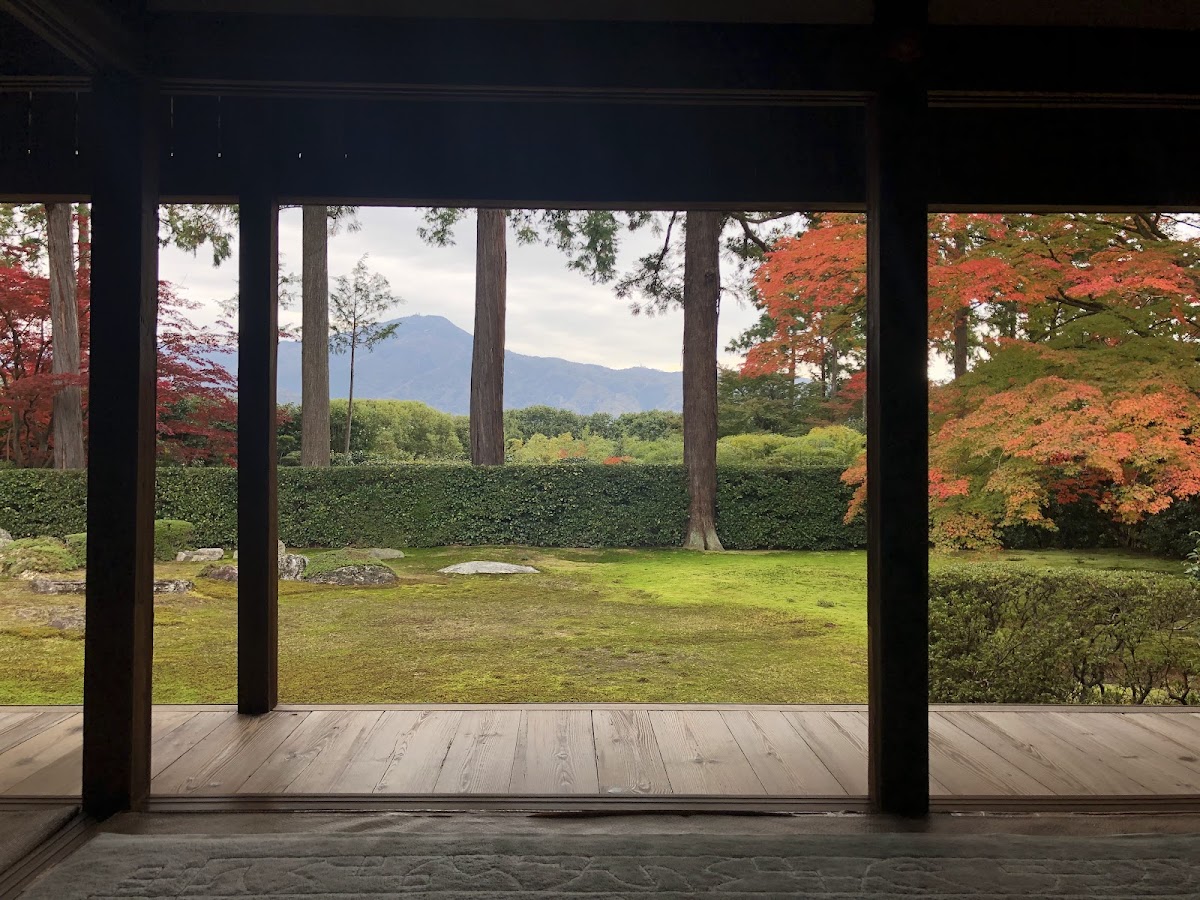
The greatest highlight of Entsuji Temple is its dry landscape garden, which uses Mount Hiei as a borrowed landscape. This garden strongly reflects Emperor Go-Mizunoo’s aesthetic sense and is highly regarded as one of Kyoto’s finest borrowed landscape gardens.
The garden viewed from the study hall creates a magnificent landscape, with the white sand and cedar grove in the foreground and Mount Hiei in the distance harmoniously integrated. The pillars of the study hall and the cedar trees in the garden act as a giant frame, and the majestic ridgeline of Mount Hiei stretching out beyond it is truly picturesque.
The garden displays different expressions with each season. You can enjoy different beauty depending on when you visit: fresh greenery in spring, azaleas in early summer, autumn leaves in fall, and a snowy landscape in winter. The view of the snow-covered garden and Mount Hiei, in particular, has the charm of an ink painting.
Compared to other borrowed-landscape gardens in Kyoto, the garden of Entsuji Temple excels in its sense of distance and unity with the borrowed mountain, and is attracting attention from many garden researchers and enthusiasts as a masterpiece embodying the aesthetics of Japanese gardens.
Location and Access
Location: 389 Iwakura Hataeda-cho, Sakyo-ku, Kyoto City, Kyoto Prefecture
Access:
- Approximately 15 minutes on foot from Eizan Electric Railway “Kyoto Seika University Station”
- Approximately 5 minutes on foot from Kyoto Bus “Entsuji-michi” bus stop
- Approximately 10 minutes by taxi from Kyoto Municipal Subway Karasuma Line “Kokusai Kaikan Station”
Visiting Hours: 10:00~16:30 (Last entry at 16:00)
Admission Fee: 500 yen for adults
Closed: Irregular holidays (It is recommended to check the official website in advance)
There are a few parking spaces, but the roads are narrow, so the use of public transportation is recommended.
Entsuji Temple, Kurashiki City, Okayama Prefecture
History
Entsuji Temple, located on Mt. Hakuka in Tamashima Kashiwajima, Kurashiki City, is an ancient temple belonging to the Soto Zen sect. According to temple tradition, Entsuji Temple was founded during the Nara period by Gyōki Bodhisattva. Gyōki (668-749) was a high-ranking Buddhist monk of the Nara period and is known for his involvement in the construction of the Great Buddha of Tōdai-ji Temple.
Entsuji Temple is known for having been home to numerous high-ranking monks throughout its long history, but it is particularly famous as the temple where Ryōkan (1758-1831), a Zen monk and poet of the late Edo period, trained in his youth.
Ryōkan was born in Echigo Province (present-day Niigata Prefecture). He became a monk at the age of 18, and at the age of 22, he visited Entsuji Temple in Bitchū Province (present-day Okayama Prefecture) and became a disciple of Abbot Kokusen of Tamashima. Ryōkan trained at Entsuji Temple for about 12 years, mastering the profound teachings of Zen. After traveling throughout the country, he returned to his hometown of Echigo and lived a life of simple poverty, becoming a familiar figure to the people, playing with children and other activities.
Ryōkan’s poetry and calligraphy reflect his pure and natural personality and are still loved by many people today. Entsūji Temple, known as “Ryōkan’s training temple,” is an important pilgrimage site for those visiting places associated with Ryōkan.
Cultural Properties and Highlights
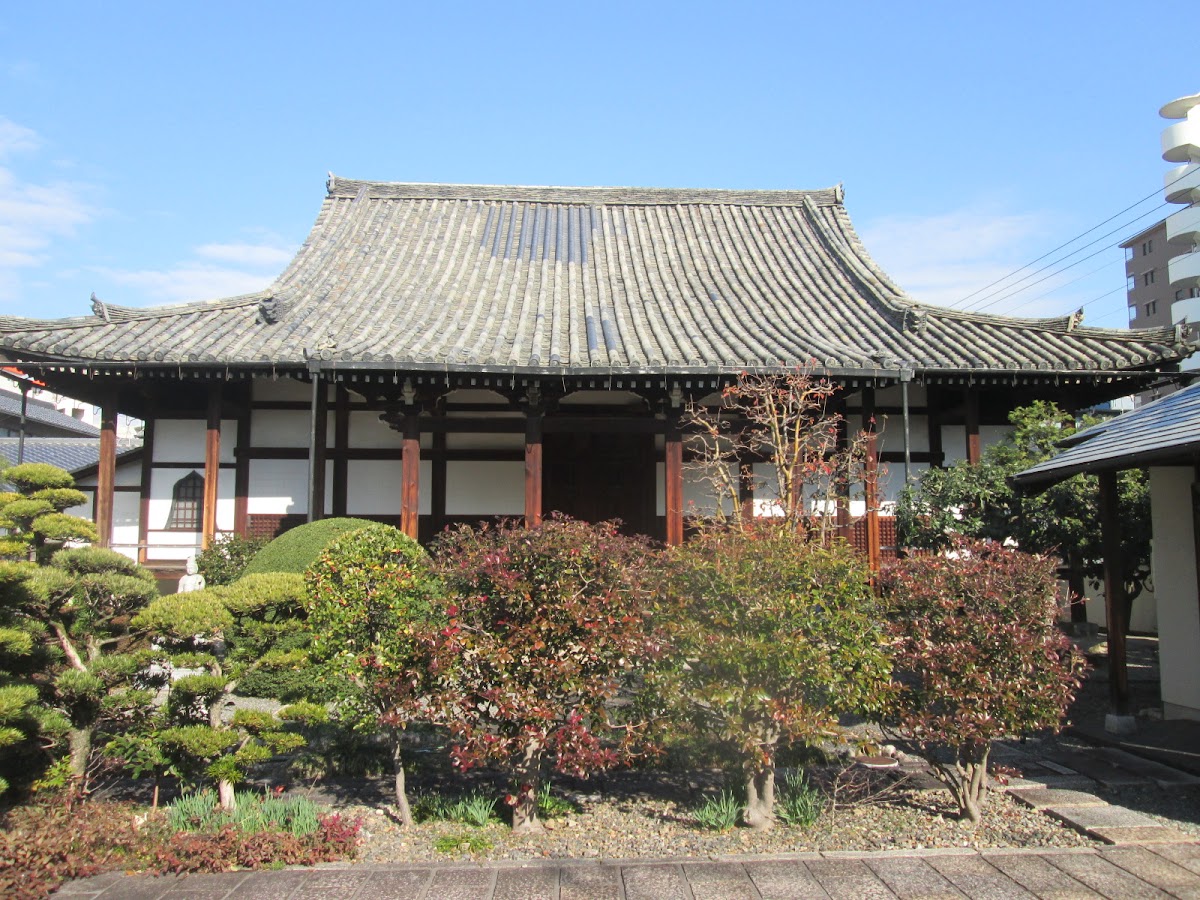
Entsūji Temple is situated on a small hill, with a stone garden and solemn temple buildings with thatched roofs. The main hall and other buildings maintain the typical style of Sōtō Zen temples, creating a tranquil atmosphere.
In the temple grounds and the adjacent Entsūji Park, visitors can enjoy seasonal flowers. Cherry blossoms in spring, fresh greenery in early summer, and autumn leaves in fall—each season offers a different kind of natural beauty.
Materials and relics related to Ryōkan are also on display, allowing visitors to learn about his life and philosophy. Furthermore, by touring the buildings and gardens that retain the atmosphere of the time when Ryōkan trained, visitors can experience Ryōkan’s spiritual world.
Entsuji Zen Meditation Session
Entsuji Temple holds a Zen meditation session every Sunday. The general public is welcome to participate and experience Soto Zen meditation. Zen meditation is a traditional Zen practice that Ryokan also trained in, offering a valuable opportunity to calm the mind and reflect on oneself.
Beginner-friendly instruction is provided, so even those new to Zen meditation can participate with confidence. For detailed information on the session times and how to participate, please contact Entsuji Temple directly.
Location and Access
Location:
451 Tamashima Kashiwajima, Kurashiki City, Okayama Prefecture
Access:
- Approximately 15 minutes by taxi from JR Sanyo Main Line “Shin-Kurashiki Station”
- Approximately 40 minutes by Ryobi Bus bound for “Tamashima” from JR Sanyo Main Line “Kurashiki Station,” get off at “Entsuji Entrance,” and walk for approximately 10 minutes
- Approximately 10 minutes by car from Sanyo Expressway “Tamashima IC”
There are several parking spaces on the temple grounds.
Entsuji Temple, Akasaka, Minato-ku, Tokyo
History
Entsuji Temple, located in Akasaka, Minato-ku, is a temple belonging to the Nichiren sect. It was founded in 1625 (Kanei 2) by Entsuin Nichiryo. Initially, the temple was built on Sanbunzaka Hill in Akasaka.
During the Edo period, the bell of Entsuji Temple was known as the “Time Bell,” playing an important role in telling time throughout Edo. While there were several “Time Bells” in Edo, the bell of Entsuji Temple in Akasaka was one of them, an indispensable part of people’s lives.
Subsequently, due to urban development and the changing times, the temple’s location and size have changed, but it continues to uphold its religious traditions in Akasaka.
Cultural Assets and Highlights
Entsuji Temple houses the principal images of the Nichiren sect, including a statue of Shakyamuni Buddha and a statue of Nichiren Shonin. Furthermore, as a temple with a history dating back to the Edo period, it preserves various cultural assets and historical materials.
Despite its central Tokyo location in Akasaka, the temple grounds offer a tranquil escape from the hustle and bustle of the city. A cemetery is also located on the premises, and many parishioners have passed down their faith through generations.
Location and Access
Location: 1-11-14 Akasaka, Minato-ku, Tokyo
Access:
- Approximately 5 minutes’ walk from Tameike-Sanno Station (Tokyo Metro Ginza Line/Namboku Line)
- Approximately 7 minutes’ walk from Akasaka Station (Tokyo Metro Chiyoda Line)
- Approximately 8 minutes’ walk from Kokkai-gijidomae Station (Tokyo Metro Marunouchi Line/Chiyoda Line)
Conveniently located in the heart of Tokyo.
Other Entsuji Temples
Entsuji Temple in Miki City, Hyogo Prefecture
In Miki City, Hyogo Prefecture, lies Entsuji Temple, an ancient temple with a 1300-year history. This temple is known for its wisteria, and in spring, a beautiful scene unfolds as wisteria blossoms shower down upon the temple grounds. Furthermore, there is a power spot called “Kurotaki” nearby, making it a popular place to experience nature and history.
Other Entsuji Temples in Various Regions
Numerous Entsuji temples exist throughout Japan besides those mentioned above. Each is deeply connected to the history and culture of its region and possesses its own unique characteristics. When visiting an Entsuji temple, researching the temple’s specific history and cultural assets beforehand will allow for a deeper understanding and enjoyment.
Guidelines for Visiting Entsuji Temples
Temple Visiting Manners
When visiting a temple, please observe the following basic manners:
- Bow at the Temple Gate: Bow before passing through the temple gate to show respect for entering a sacred space.
- Be Quiet: Act quietly within the temple grounds and avoid disturbing other visitors.
- Photography: Photography is prohibited in some areas, so please check beforehand.
- Offering: When praying in the main hall, please offer a monetary donation.
- Praying with Clasped Hands: Before the Buddha, clasp your hands together and pray with sincerity.
Attire
There are no specific dress code requirements, but since temples are sacred places, it is advisable to avoid revealing or flashy clothing and to wear clean, understated attire.
Notes on Visiting
- Visiting Hours: Visiting hours vary by temple. Please check in advance before visiting.
- Admission Fee: An admission fee may be required.
- Closed Days: Some temples have irregular closing days, so it is recommended to check in advance.
- Events: General public viewing may not be possible during memorial services or special events.
Entsuji Temple and Japanese Buddhist Culture
The temple bearing the name Entsuji embodies the important element of Japanese Buddhism: Kannon worship. Kannon Bodhisattva, revered since ancient times as a compassionate Buddha who hears the cries of suffering beings and offers salvation, has been widely worshipped.
Entsuji temples throughout Japan have functioned as centers of Kannon worship in their respective regions, serving as spiritual havens for people. The existence of Entsuji temples belonging to different sects, such as Zen and Nichiren Buddhism, demonstrates the diversity and richness of Japanese Buddhism.
Historically, Entsuji temples have functioned not only as religious institutions but also as centers of education and culture. As places where high-ranking monks like Ryokan trained, and as sites for commemorating the Shogitai soldiers, Entsuji temples have played important roles in Japanese history.
How to Enjoy a Pilgrimage to Entsuji Temples
A journey visiting the Entsuji temples scattered throughout Japan is a wonderful opportunity to gain a deep understanding of Japanese history and culture. You can enjoy the pilgrimage from the following perspectives:
Historical Perspective
Learning about the founding dates and historical backgrounds of each Entsuji temple deepens your understanding of Japanese history. Entsuji Temple is associated with various figures and events from different eras, including Gyōki of the Nara period, Sakanoue no Tamuramaro of the Heian period, Ryōkan of the Edo period, and the Shōgitai of the Meiji Restoration.
Appreciation of Architecture and Gardens
The architecture and gardens of each temple, such as the borrowed landscape garden of Kyoto’s Entsuji Temple and the temple complex of Kurashiki Entsuji Temple, reflect the aesthetic sensibilities and techniques of their respective eras. Comparing and appreciating the styles of architecture and gardens deepens one’s understanding of traditional Japanese culture.
Spiritual Experience
Entsuji Temple offers spiritual experiences such as participating in Zen meditation sessions and meditating in the tranquil temple grounds. Taking time to quiet the mind away from the hustle and bustle of modern life is of great value.
Seasonal Visits
Visiting Entsuji Temple in different seasons allows one to appreciate the harmony between the beauty of Japanese nature and the temple, as it displays different expressions throughout the year.
References and Related Information
For those who wish to learn more about Entsuji Temple, we recommend referring to the following materials and information sources.
- Official websites of each temple
- Guidebooks published by local tourism associations
- Specialized books on Buddhist art and Japanese gardens
- Biographies and research books on Ryokan
- Books on the history of the late Edo period and Meiji Restoration (about Entsuji Temple in Arakawa Ward)
Related Items
- Kannon Bodhisattva: The bodhisattva from which the temple name of Entsuji Temple originates
- Soto Zen School: A branch of Zen Buddhism to which Entsuji Temple in Arakawa Ward and Entsuji Temple in Kurashiki City belong
- Rinzai Zen School: A branch of Zen Buddhism to which Entsuji Temple in Kyoto belongs
- Nichiren School: A sect of the Nichiren school to which Entsuji Temple in Akasaka belongs
- Ryokan: An Edo period Zen monk and poet who trained at Entsuji Temple in Kurashiki City
- Shogitai: An armed organization in the late Edo period with deep ties to Entsuji Temple in Arakawa Ward
- Emperor Go-Mizunoo: An emperor in the early Edo period who constructed the garden of Entsuji Temple in Kyoto
- Borrowed Landscape Garden: The garden style of Entsuji Temple in Kyoto
- Gyoki: A high-ranking priest of the Nara period, said to have founded Entsuji Temple in Kurashiki City
- Sakanoue no Tamuramaro: A military commander of the early Heian period, said to have founded Entsuji Temple in Arakawa Ward
Summary
Temples bearing the name Entsuji exist throughout Japan, each possessing its own unique history and culture. From the Entsuji Temple in Arakawa Ward, Tokyo, associated with the Shogitai; to the Entsuji Temple in Kyoto, known for its borrowed landscape garden of Mount Hiei; to the Entsuji Temple in Kurashiki, where Ryokan practiced asceticism; and the Entsuji Temple in Akasaka, known for its bell, each temple is an important part of its local history and culture.
Visiting these temples offers a valuable opportunity to learn about Japanese history, Buddhist culture, architecture, garden art, and spirituality. Discover the unique charm of each Entsuji Temple and enjoy a journey to experience Japan’s rich cultural heritage.
When planning a visit to any of the Entsuji temples, checking the visiting hours, closing days, and transportation access in advance, and observing proper etiquette during your visit, will ensure a more fulfilling experience. We, living in the present day, should cherish and carry on the spirit and culture that Entsuji temples have preserved throughout their long history.