Entsuji Temple (Kamigyo Ward, Kyoto Prefecture) Complete Guide: History and Highlights of a Jodo Sect Temple Commemorating the Great Fire of Tenmei
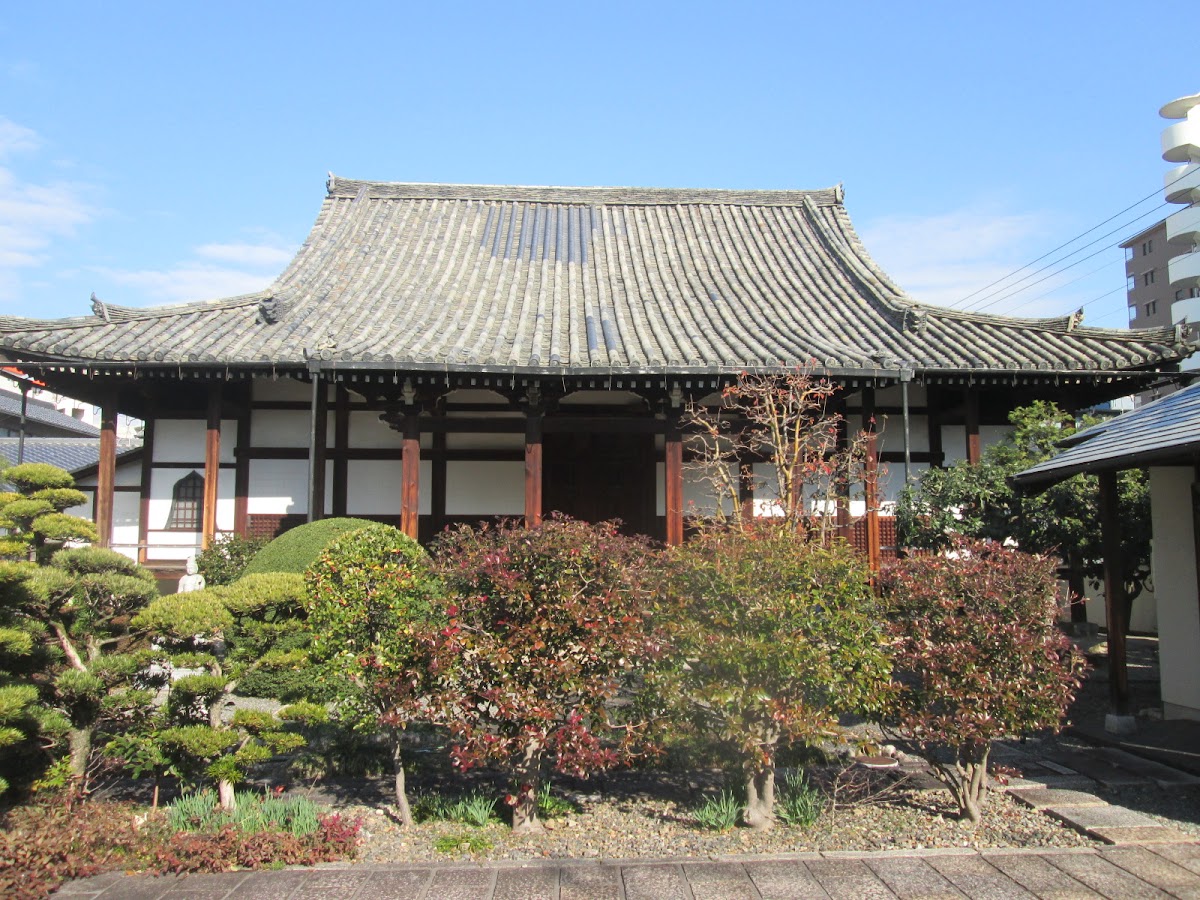
Entsuji Temple, located in Kaminomachi, Kamigyo Ward, Kyoto City, is a Jodo sect temple founded in the mid-Edo period. It is known to many as a valuable historical site that conveys the memory of the Great Fire of Tenmei, a major historical disaster in Kyoto, and as a beautiful building designated as an important landscape structure by Kyoto City.
This article will introduce the charm of Entsuji Temple in its entirety, from its detailed history and architectural features to its connection to the Great Fire of Tenmei and how to access it.
Basic Information on Entsuji Temple
Location and Access
Location: 492 Kaminomachi, Higashi-Sanbongi-dori Marutamachi-agaru, Kamigyo Ward, Kyoto City, Kyoto Prefecture
Entsuji Temple is located in the heart of Kamigyo Ward, Kyoto City, and is relatively close to the Kyoto Imperial Palace. The surrounding area retains its historical townscape, offering a location that evokes the charm of Kyoto.
Basic Temple Data
- Official Name: Entsuji Temple
- Mountain Name: Kankizan
- Sect: Jodo Sect
- Principal Image: Amida Buddha
- Founder: Kantsu Shonin
- Year of Founding: 1756 (Horeki 6)
- Designation: Kyoto City Important Landscape Building
As a Jodo sect temple, it enshrines Amida Buddha as its principal image and continues to uphold the teachings of attaining rebirth in the Pure Land through chanting the Buddha’s name.
History of Entsuji Temple
Founding and the Tenrinji Temple Era
The history of Entsuji Temple dates back to 1756 (Horeki 6). This temple, founded by the Jodo sect monk Sekitsu Shonin, was originally called “Tenrinji.”
The name Tenrinji is thought to originate from the Buddhist term “Tenporin,” which likens the Buddha’s teachings to the rolling of a wheel, signifying the spread of Buddhist teachings. It is presumed that Sekitsu Shonin chose this name with the hope of spreading the teachings of the Jodo sect in this area.
Destruction in the Great Fire of Tenmei
The most significant event in the history of Entsuji Temple was the Great Fire of Tenmei, which occurred in 1788 (Tenmei 8). This massive fire is considered one of the largest in Kyoto’s history, burning down a large portion of the city.
The Great Tenmei Fire began in the early morning of January 30th near Miyagawa-cho on the east bank of the Kamo River. Fueled by strong winds, it rapidly spread throughout the city. The fire continued to burn for three days, causing the following extensive damage:
- Area Burned: Approximately 80% of Kyoto city
- Houses Burned: Approximately 37,000
- Temples and Shrines Burned: Approximately 200
- Casualties: Estimated over 1,800
Tenrinji Temple (then known as Entsuji Temple) was completely destroyed in this fire, losing many of its buildings and valuable treasures.
Reconstruction and Renaming to Entsuji Temple
After the Great Tenmei Fire, the temple was rebuilt. During the reconstruction process, the temple’s name was changed from “Tenrinji Temple” to “Entsuji Temple.”
The name “Entsu” is thought to originate from “Entsu Daishi,” another name for Kannon Bodhisattva. Entsu means “perfectly and completely,” representing Kannon Bodhisattva’s compassionate work of listening to the suffering of all sentient beings and providing universal relief.
After experiencing the unprecedented disaster of a great fire, it is believed that the name was changed to one related to the compassionate Kannon Bodhisattva, in order to commemorate the victims and pray for the peace of mind of the survivors.
From the Late Edo Period to the Modern Era
After its reconstruction, Entsu-ji Temple became a local temple in Kamigyo Ward, a place of worship for parishioners and local residents. While upholding the teachings of the Jodo sect, it has continued to perform memorial services and rituals.
Having overcome the anti-Buddhist movement after the Meiji Restoration, and through the turbulent pre- and post-war periods, it has continued its activities as a temple to this day.
Memorial Stone for the Tenmei Great Fire: Stone Monument Inscribed with “For Those Who Died in the Fire”
Overview of the Stone Monument
Within the grounds of Entsuji Temple, there is a stone monument commemorating the victims of the Tenmei Great Fire. This monument bears the inscription “For Those Who Died in the Fire” (為焼亡横死), and is a valuable historical site that tells the story of Kyoto’s history.
“For Those Who Died in the Fire” refers to those who lost their lives in the fire, and those who met untimely and tragic deaths due to sudden disasters. This monument was erected to comfort the souls of the many victims of the Tenmei Great Fire and to pass on their memory to future generations.
Historical Significance of the Stone Monument
This memorial monument has the following multifaceted significance:
- Record of Disaster: Physical evidence that conveys to the present day the reality of the Great Tenmei Fire, a historical disaster.
- Place of Memorial Service: A place with religious significance that continues to mourn the souls of the victims.
- Lessons for Disaster Prevention: Educational value that conveys to future generations the horrors of fire and the importance of disaster prevention.
- Memory of the Region: An important monument in the local history of Kamigyo Ward.
Several historical sites related to the Great Tenmei Fire remain in Kyoto City, but the stone monument at Entsuji Temple is particularly well-preserved and vividly conveys the memory of that time.
Continuation of Memorial Services
Even today, memorial services for the victims of the Great Tenmei Fire are held in front of this stone monument at Entsuji Temple. The fact that memorial services for the victims of a disaster that occurred more than 230 years ago continue to this day is a good example of the function of Buddhist temples in preserving memory.
Value as a Kyoto City Important Landscape Building
Significance of Designation as an Important Landscape Building
Entsuji Temple is designated as an Important Landscape Building by Kyoto City. This designation is based on the “Kyoto City Landscape Ordinance” established by Kyoto City, and is a system for protecting and preserving buildings that are important in forming Kyoto’s historical landscape.
Being designated as an Important Landscape Building has the following effects:
- Administrative support for the preservation and repair of the building
- Preservation of the landscape, including the surrounding environment
- Official recognition of historical value
- Increased social recognition as a cultural property
Architectural Characteristics
Entsuji Temple’s architecture is based on the style of its reconstruction in the late Edo period, and has evolved into its current form through subsequent restorations.
It has a typical temple layout for a Jodo sect temple, with the main hall at the center of the grounds. The architectural style is based on the Japanese style, characterized by its simple yet dignified appearance.
Due to its historical background of being rebuilt after the Great Tenmei Fire, it holds significant architectural value as a valuable structure that conveys the architectural techniques and reconstruction efforts of the time.
Harmony as a Landscape
Entsuji Temple is located within the historic townscape of Kamigyo Ward, exhibiting a harmonious appearance that blends with the surrounding landscape. Despite its proximity to the Kyoto Imperial Palace, it maintains a quiet and tranquil atmosphere, embodying the “refined elegance” of Kyoto.
Entsuji Temple as a Jodo Sect Temple
Teachings of the Jodo Sect
The Jodo Sect, to which Entsuji Temple belongs, is a sect of Japanese Buddhism founded by Honen Shonin (1133-1212). It teaches that by chanting “Namu Amida Butsu,” anyone can attain rebirth in the Pure Land through the power of Amida Buddha’s vow.
Main Doctrines of the Jodo Sect:
- Exclusive Nembutsu: The practice centers on the single act of chanting the Nembutsu.
- Salvation by Other Power: The belief that salvation is achieved through the power of Amida Buddha’s vow (other power).
- Equal Salvation: The belief that all people, regardless of social status or education, have the potential to be saved.
Principal Image: Amida Buddha
The principal image of Entsuji Temple is Amida Buddha. Amida Buddha is the lord of the Western Pure Land and is considered the most important Buddha in the Jodo Sect and other Pure Land Buddhist sects, having made 48 vows to save all sentient beings.
The Amida Buddha statue at Entsuji Temple is thought to have been placed there during the reconstruction after the Great Fire of Tenmei, but records regarding its exact date of creation and artist are limited.
Mountain Name: Kankizan
The mountain name of Entsuji Temple is “Kankizan”. A “sango” (mountain name) is a title given to a temple, and in most cases, it refers to the mountain on which the temple is located or a word that describes the temple’s character.
The word “kanki” (joy) in Buddhism expresses the joy of encountering the Buddha’s teachings, the joy of attaining enlightenment, and the joy of the salvation of all sentient beings. As a Jodo sect temple, this sango can be said to express the joy of the promise of rebirth in paradise through chanting the Buddha’s name.
Differences between temples with the same name as Entsuji
Entsuji in Sakyo-ku, Kyoto City
There are several temples named Entsuji in Kyoto. The most famous is Entsuji located in Iwakura Hataeda-cho, Sakyo-ku, Kyoto City.
Characteristics of Entsuji Temple in Sakyo Ward:
- Sect: Rinzai Zen Myoshinji School
- Founded: 1678 (Enpo 6)
- Features: Known for its dry landscape garden that uses Mount Hiei as a borrowed landscape.
- History: Built on the site of Emperor Go-Mizunoo’s Hataeda Imperial Villa.
- Designation: The garden is designated as a National Place of Scenic Beauty.
Entsuji Temple in Sakyo Ward is highly regarded as one of Kyoto’s finest borrowed landscape gardens and is a popular tourist destination.
Differences from Entsuji Temple in Kamigyo Ward
Entsuji Temple in Kamigyo Ward and Entsuji Temple in Sakyo Ward have the following differences:
| Item | Entsuji Temple, Kamigyo Ward | Entsuji Temple, Sakyo Ward |
|——|————–|————-|
| Sect | Jodo Sect | Rinzai Sect Myoshinji School |
| Year of Founding | 1756 | 1678 |
| Mountain Name | Kankizan | Daihizan |
| Features | Memorial Monument for the Great Fire of Tenmei | Borrowed Landscape Garden (National Scenic Spot) |
| Founder | Kantsu Shonin | Enkoin Bun’ei-ni, Wet Nurse of Emperor Reigen |
| Character | Local Temple | Tourist Temple |
Although they share the same name, “Entsuji Temple,” they are two different temples with vastly different sects and historical backgrounds. Understanding these differences is important when visiting Kyoto.
Cultural Assets and Highlights of Entsuji Temple
Main Hall
Entsuji Temple’s main hall is based on a reconstruction after the Great Tenmei Fire. It possesses a simple and pure atmosphere characteristic of Jodo sect temples, and houses the principal image, Amida Buddha.
Daily services are held within the hall, serving as a place for parishioners and visitors to chant the Nembutsu (Buddhist prayer).
Atmosphere of the Temple Grounds
Despite being located in the heart of Kyoto city, Entsuji Temple maintains a tranquil atmosphere. Centered around the memorial monument for the Great Tenmei Fire, the grounds exude a sense of historical significance.
Although not large in scale, the well-maintained grounds convey a warmth befitting a temple deeply rooted in the community.
Annual Events
Entsuji Temple, as a Jodo sect temple, observes the following annual events:
- Shōshō-e (January): New Year’s memorial service
- Spring Equinox Service (March): Memorial service for ancestors
- Segaki-e (August): Memorial service for those without relatives and those in the realm of hungry ghosts
- Autumn Equinox Service (September): Memorial service for ancestors
- Jūya Hōyō (November): A Jodo sect-specific Nembutsu service
These events are primarily observed by temple parishioners, but general public attendance may be possible in some cases.
Access Methods
Access by Public Transportation
Nearest Station/Bus Stop:
- Approximately 10-minute walk from Marutamachi Station on the Kyoto Municipal Subway Karasuma Line
- Approximately 5-minute walk from Prefectural Office Bus Stop
- Approximately 8-minute walk from Karasuma Marutamachi Bus Stop
Access from Kyoto Station
By Subway:
- Take the Karasuma Line towards Kokusai Kaikan from Kyoto Station
- Get off at Marutamachi Station (approximately 5 minutes)
- Approximately 10-minute walk east from Exit 2
By Bus:
- Take City Bus routes 4, 17, or 205 from Kyoto Station Bus Terminal
- Get off at “Prefectural Office” or “Karasuma Marutamachi”
- Approximately 5-8 minute walk from either stop
Nearby Tourist Attractions
The following tourist attractions are located near Entsuji Temple:
- Kyoto Imperial Palace: Approximately 15 minutes on foot
- Former Kyoto Prefectural Government Building: Approximately 5 minutes on foot (Renaissance-style architecture, a designated Important Cultural Property)
- Goō Shrine: Approximately 10 minutes on foot (known as the god of legs and hips)
- Shōkoku-ji Temple: Approximately 15 minutes on foot (Head temple of the Shōkoku-ji branch of the Rinzai school of Zen Buddhism)
Notes on Visiting
Visiting Etiquette
Entsū-ji Temple is not a tourist temple, but a temple that functions as a place of worship for the local community. Please observe the following points when visiting the temple:
- Respect: Please remain quiet within the temple grounds and be considerate of other visitors.
- Photography: Please obtain permission before taking photographs of buildings or monuments.
- Attire: Please avoid revealing clothing and dress appropriately.
- Visiting Hours: It is recommended to check the visiting hours in advance.
About Visiting
Entsuji Temple is different from typical tourist temples and may not be open to the public at all times. If you are planning a visit, it is recommended to check information in advance using a Jodo-shu temple search or contact the temple directly.
Historical Lessons Conveyed by Entsuji Temple
Significance of Passing Down the Memory of Disaster
One of Entsuji Temple’s most important roles is to pass on the memory of the historical disaster known as the Great Fire of Tenmei to the present day. The monument inscribed “For the Suffering of Violence” is a valuable historical site that conveys the disaster of over 230 years ago and also has significance in disaster prevention education.
Even in modern Kyoto, areas with a high concentration of wooden buildings face a fire risk. Passing on the memory of historical disasters is crucial for raising modern disaster preparedness awareness.
Symbol of Recovery and Regeneration
Entsuji Temple itself is a symbol of recovery from the Great Tenmei Fire. Its history of being rebuilt after suffering catastrophic damage and continuing its activities as a temple to this day demonstrates the possibility of recovery and regeneration from disaster.
Japan has repeatedly been struck by large-scale disasters, including the Great East Japan Earthquake. The history of Entsuji Temple teaches us about the strength of people who overcome disasters and rebuild, and the importance of passing on such memories.
Summary
Entsuji Temple, located in Kamigyo-ku, Kyoto City, is a Jodo sect temple founded in 1756 by Kantsu Shonin as Tenrinji Temple. After being destroyed in the Great Tenmei Fire, it was rebuilt and adopted its current name.
Entsuji Temple, located in Kamigyo-ku, Kyoto City, is a Jodo sect temple. The memorial stone inscribed with “For those who perished in the fire” remains on the temple grounds, a valuable historical site that conveys the memory of the Great Tenmei Fire, one of the largest fires in Kyoto’s history. Along with the building itself, which is designated as a Kyoto City Important Landscape Building, it speaks to the historical value of this temple.
Unlike the temple of the same name in Sakyo Ward, which is widely known as a tourist temple, Entsuji Temple in Kamigyo Ward quietly continues to fulfill its role as a place of faith deeply rooted in the community.
When visiting Kyoto, visiting temples that tell the history of the region, in addition to famous tourist spots, will allow you to understand Kyoto’s history and culture more deeply. Entsuji Temple is a valuable example of the multifaceted role of Japanese temples: the memory of disaster, the continuation of faith, and its connection to the local community.