
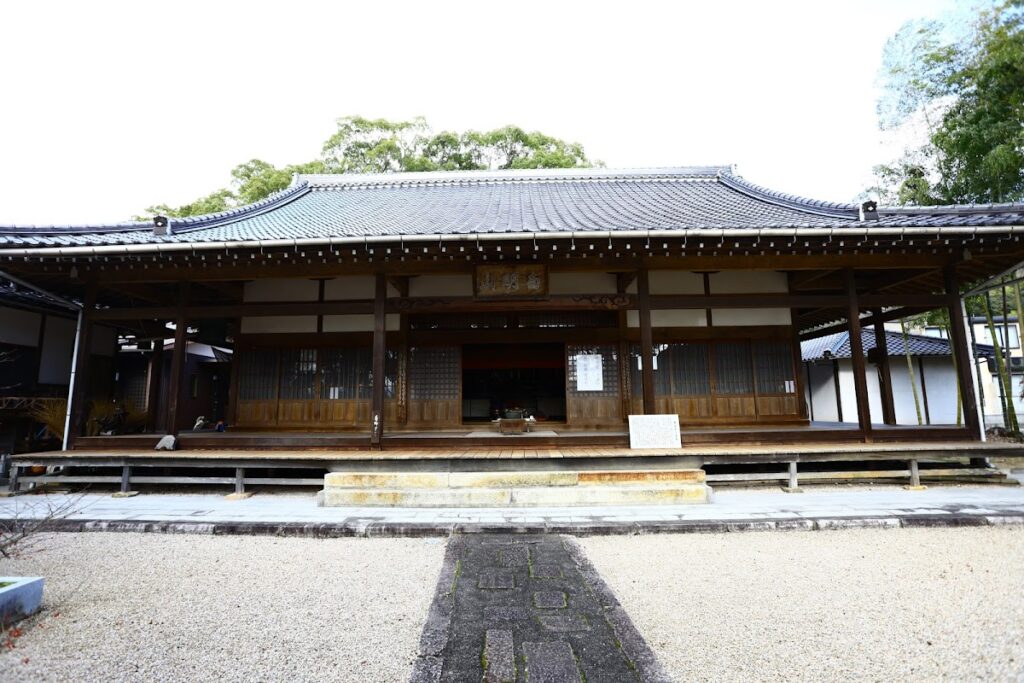
Everything about Jōfukuji Temple: A Thorough Explanation of History, Sect, and Access [Covering Jōfukuji Temples Nationwide]
There are several temples named “Jōfukuji” throughout Japan. Each has a different sect, history, and cultural assets, and has continued to protect local faith and culture to this day. This article provides a detailed explanation of the major Jōfukuji temples, from their historical background to their current activities.
What is Jōfukuji?: A Group of Temples Scattered Across Japan
The temple name “Jōfukuji” means “to ride the wave of good fortune” in Buddhism and is used throughout Japan. Particularly famous are the Rinzai Zen temple in Yamaguchi City, Yamaguchi Prefecture; the Jōdo Shinshū Honganji-ha temple in Himi City, Toyama Prefecture; the Sōtō Zen temple in Fujisawa City, Kanagawa Prefecture; and the Sōtō Zen temple in Akita City, Akita Prefecture.
Each Jōfukuji temple has developed as an independent temple, deeply intertwined with the history of its region. This article provides detailed individual introductions to these temples, offering useful information for those considering a visit.
Jōfuku-ji Temple in Yamaguchi City: A Famous Temple that Flourished as the Family Temple of the Ōuchi Clan
History and Founding Circumstances
Located in Ōuchi-Mibori 4-chome, Yamaguchi City, Yamaguchi Prefecture, Jōfuku-ji Temple is an ancient temple belonging to the Nanzen-ji branch of the Rinzai school of Zen Buddhism. Its mountain name is Nanmyōzan. This temple was founded by Ōuchi Shigehiro, the 22nd head of the Ōuchi clan.
According to temple tradition, Ōuchi Shigehiro founded the temple in Shōwa 1 (1312). After Shigehiro’s death on March 6, Gen’ō 2 (1320), he was buried at this temple, which became his family temple. In Kenmu 1 (1334), it received the status of an imperial prayer temple by imperial decree of Emperor Go-Daigo, and in Kōei 4 (1345), its temple rank was elevated by the Muromachi Shogunate.
The Temple’s Power and the Ouchi Culture at its Peak
During the height of the Ouchi clan’s prosperity, Jofuku-ji Temple was known as one of the largest temples in western Japan. It is said that at its peak, it boasted 36 sub-temples and 88 branch temples. Many sub-temples, including Shōju-in, existed, and it played a crucial role as a spiritual pillar in Yamaguchi, the political and cultural center of the Ouchi clan.
While Yamaguchi served as the administrative center for the Ouchi clan, the Ouchi region held special significance as their birthplace and the land of their family name. It was sometimes referred to as an “ancient capital,” similar to Nara’s relationship to Kyoto, and Jofuku-ji Temple was central to this.
Changes After the Fall of the Ouchi Clan
With the death of Ouchi Yoshitaka in 1551 and the fall of the Ouchi clan, Jofuku-ji Temple lost its patron and rapidly declined. Its once magnificent temple complex was lost, and only the historical site of Jofuku-ji Temple remains today.
Current Status and Cultural Heritage
Currently, the Jofuku-ji Temple ruins are recognized as a historical and cultural resource of Yamaguchi City and are preserved as an important site that conveys the Ouchi culture. Remains such as structures and stone objects that indicate the former temple grounds remain, allowing visitors to imagine the glory of the Ouchi clan.
Regarding cultural property designation, it is positioned as a regional historical heritage site, and development is underway as part of the Ouchi cultural town development project. As a valuable historical site demonstrating the importance of Yamaguchi in the medieval period, it attracts the interest of researchers and history enthusiasts.
Access Information (Yamaguchi City)
Location: 4-chome, Ouchi-Mihori, Yamaguchi City, Yamaguchi Prefecture
Transportation Access:
- Approximately 15 minutes by car from JR Yamaguchi Line “Yamaguchi Station”
- Approximately 20 minutes by car from Chugoku Expressway “Ogori IC”
- Accessible on foot from the nearest bus stop if using city buses
The Ouchi area is located slightly south of the center of Yamaguchi City and is an area dotted with historical sites related to the Ouchi clan. When visiting the Jōfuku-ji Temple ruins, we recommend visiting the surrounding Ōuchi culture-related historical sites as well.
Jōfuku-ji Temple, Himi City, Toyama Prefecture: A local temple of the Jōdo Shinshū Honganji sect
Overview and Sect
Located in the Inazumi district of Himi City, Toyama Prefecture, Jōfuku-ji Temple is a temple of the Jōdo Shinshū Honganji sect (Nishi Honganji), which reveres Shinran Shōnin as its founder. Situated in a quiet area in northern Himi City, it is a beloved center of local faith.
Conversion from Shingon Buddhism to Jōdo Shinshū
Jōfuku-ji Temple was originally founded as a Shingon Buddhist temple. However, in 1449, the then-chief priest, Dōzen, converted to Jōdo Shinshū Buddhism after becoming a disciple of Rennyo Shōnin, known as the restorer of Jōdo Shinshū Buddhism.
This conversion is one of the results of Rennyo Shonin’s missionary activities in the Hokuriku region and is an important example demonstrating that the wave of religious reform at the time had reached the Hokuriku region.
The Solemn Observance of the Hoonko Ceremony and Annual Events
At Jofuku-ji Temple, the Hoonko Ceremony, the most important Buddhist service of the Jodo Shinshu sect, is solemnly observed. The Hoonko Ceremony is an opportunity to express gratitude for the benevolence of the founder, Shinran Shonin, and to relearn his teachings. Many followers gather every year.
Throughout the year, various services and events are held, supporting the religious lives of the local people.
Activities of the Chief Priest and His Wife and Open Temple Management
Currently, Jofuku-ji Temple aims to be a temple that “anyone can easily visit,” and strives for open temple management. The chief priest and his wife warmly welcome not only parishioners but also local people and first-time visitors, fulfilling the role of a place where “the doors of the heart can be opened anytime, to anyone.”
Activities at the Temple
At Jofuku-ji Temple, in addition to traditional Buddhist activities, various activities are conducted to meet modern needs:
Bell Ringing: The regular ringing of the temple bell serves to announce the time to the community and is a traditional practice of conveying Buddhist teachings through sound.
Services: Daily services are both a form of training for monks and an open forum where visitors can participate.
Discussions: Opportunities are provided through Dharma talks and discussion groups to consider together how to apply Buddhist teachings to modern life.
Temple Bell: The temple bell is cherished as a symbol of the community, and many people visit on special occasions such as the New Year’s Eve bell ringing.
Sutra Copying: Sutra copying sessions are held regularly as a practice to calm the mind and connect with Buddhist teachings.
Access Information (Himi City)
Location: Inazumi area, Himi City, Toyama Prefecture
Transportation Access:
- Approximately 15 minutes by car from JR Himi Line “Himi Station”
- Approximately 10 minutes by car from Nōetsu Expressway “Himi IC”
- If using local buses, routes vary by area, so advance confirmation is recommended.
Himi City is a scenic area facing Toyama Bay and is famous for its seafood. When visiting Jōfuku-ji Temple, you can also enjoy Himi’s nature and food culture.
Jōfuku-ji Temple, Fujisawa City, Kanagawa Prefecture: An ancient temple of the Sōtō Zen sect
Founding and Sectarian Changes
Jōfuku-ji Temple, located in Fujisawa City, Kanagawa Prefecture, is a temple belonging to the Sōtō Zen sect. Its mountain name is Mannen-zan. It is said to have been founded as a Shingon Buddhist temple during the Chōgen era (1028-1036) by Taruki Gosho.
Later, following its restoration by the 6th head priest of Hosenji Temple, Chogan, it converted to the Soto Zen sect, and remains so to this day. Since the Meiji era, it has been a central place of faith in the region, cherished by its parishioners.
Connection to the Community
Fujisawa City is adjacent to Kamakura and has long been a region where Buddhist culture flourished. Jofukuji Temple has watched over the history of the region and continues to function as a spiritual pillar for local residents.
Access Information (Fujisawa City)
Location: Fujisawa City, Kanagawa Prefecture (Please check official information for details)
Transportation Access:
- Multiple lines are available, including the Odakyu Line, JR Tokaido Line, and Enoshima Electric Railway.
- Specific access varies depending on the location, so it is recommended to check before visiting.
Jofukuji Temple, Akita City, Akita Prefecture: A Soto Zen Regional Temple
Overview
Jofukuji Temple, located in Soegawa, Akita City, Akita Prefecture, is a temple belonging to the Soto Zen sect. It is also listed on Soto Zen Navi and disseminates information through the official Soto Zen temple portal site.
Modern Information Dissemination
Jofuku-ji Temple utilizes modern information dissemination tools such as its official website, Facebook page, and Instagram page to communicate with a wide range of generations. It actively publishes information on annual events, highlights, activities, and events, practicing open temple management.
Access Information (Akita City)
Location: 4 Soegawa, Soegawa, Akita City, Akita Prefecture
Transportation Access:
- Approximately 20 minutes by car from JR Akita Station
- Approximately 15 minutes by car from Akita Chuo IC on the Akita Expressway
Other Jofuku-ji Temples
Jofuku-ji Temple in Kasaoka City, Okayama Prefecture
Jofuku-ji Temple also exists in Kodaira, Kasaoka City, Okayama Prefecture. It is located approximately 5 minutes on foot from the Mabashi bus stop (Chugoku Bus) and operates as a local temple.
Points to Note When Visiting Jofuku-ji Temples
Guidelines for Visiting
When visiting each Jofuku-ji Temple, please note the following:
- Understanding the Differences in Sects: Even within the same “Jofuku-ji” sect, there are different sects such as Rinzai Zen, Jodo Shinshu, and Soto Zen. Understanding the customs and characteristics of each beforehand will lead to a deeper pilgrimage experience.
- Pre-Visit Confirmation: It is recommended to check visiting hours, event schedules, and parking availability in advance. In particular, the Jofuku-ji Temple ruins in Yamaguchi City, which are historical sites, should be noted as they are different from active temples.
- Learning Local History: Each Jofuku-ji Temple is closely connected to the history of its region. Learning about the local history before your visit will lead to a deeper understanding.
Combining with Nearby Sightseeing
When visiting Jofuku-ji Temple, combining it with nearby sightseeing spots will enhance your travel experience:
Yamaguchi City: Historical sites related to the Ouchi culture, Rurikoji Temple’s five-story pagoda, Yamaguchi Xavier Memorial Cathedral, etc.
Himi City: Himi Fishing Port, Himi Onsenkyo (hot spring resort), Amaharashi Coast, etc.
Fujisawa City: Enoshima Island, temples and shrines of Kamakura, Shonan Coast, etc.
Akita City: Senshu Park, Akita City Folk Performing Arts Museum, Akita Prefectural Museum of Art, etc.
Cultural Value of Jofuku-ji Temple
Historical Significance
Jofuku-ji temples throughout Japan have played important historical roles in their respective regions. In particular, Jofuku-ji Temple in Yamaguchi City, as the family temple of the Ouchi clan, a powerful daimyo family in western Japan, occupies an important position in the political and cultural history of medieval Japan.
Diversity of Religious Culture
The existence of temples bearing the same name, “Jofuku-ji,” belonging to different sects—Rinzai, Jodo Shinshu, and Soto Zen—is an interesting example of the diversity of Japanese Buddhist culture. Each temple embodies the characteristics of its respective sect while supporting local faith.
Centers of Local Communities
Even today, Jofuku-ji temples across Japan function not merely as religious institutions, but as spiritual centers of local communities. Through annual events, sutra copying sessions, and Dharma talks, they serve as places where people gather, converse, and find peace of mind.
Summary: The Charm of Diverse Jofuku-ji Temples
Jofuku-ji temples throughout Japan each possess their own unique history and characteristics, preserving local culture and faith to this day. From historical sites associated with the Ouchi clan in Yamaguchi City to open Jodo Shinshu temples in Himi City, Toyama Prefecture, and Soto Zen temples in Fujisawa City, Kanagawa Prefecture, and Akita City, Akita Prefecture, they exhibit diverse forms.
Visiting these temples will give you a deep understanding of the richness of Japanese Buddhist culture, the historical differences between regions, and the role of temples in modern times.
The Jofuku-ji temples throughout Japan are not only places to learn about history, but also healing spaces for modern people seeking inner peace. If you have the opportunity, please visit these temples and experience their unique charms.
To have a more fulfilling experience, understand the differences between sects and regions, and observe appropriate manners during your visit. We recommend checking the official information of each temple in advance and visiting with an open mind.

