Fuji Shrine (Bunkyo Ward, Tokyo) Complete Guide | Thorough Explanation of Goshuin (Shrine Seals), Benefits, Access, and History
Fuji Shrine, located in Hongo, Bunkyo Ward, Tokyo, is a historic shrine affectionately known as “Hongo Fuji” by the locals. Despite being in the midst of the hustle and bustle of the city, this shrine possesses a quiet and peaceful atmosphere, attracting attention as a hidden power spot. This article provides detailed information useful for visiting Fuji Shrine, including its history, enshrined deities, benefits, goshuin information, and access methods.
Basic Information on Fuji Shrine
Fuji Shrine is located in Hongo 5-chome, Bunkyo Ward, Tokyo, and is officially called “Fuji Shrine.” It is within walking distance of Hongo 3-chome Station, offering a tranquil space for worship despite being in the heart of the city.
Location: 5-31-10 Hongo, Bunkyo-ku, Tokyo
Nearest Station: Hongo-Sanchome Station (Toei Oedo Line/Tokyo Metro Marunouchi Line)
Shrine Office Hours: Usually 9:00 AM – 5:00 PM (may vary depending on the season)
Parking: None (use nearby coin parking)
History and Origins of Fuji Shrine
Founding History
Fuji Shrine’s founding dates back to the Edo period. This area developed as a residential area for samurai and townspeople during the Edo period, and it was built as a place of worship for local residents amidst the flourishing Fuji faith.
Fuji faith is a form of belief that sanctifies the sacred Mount Fuji and worships Mount Fuji itself as a deity. During the Edo period, Fuji pilgrimage organizations called “Fuji-ko” were formed in various locations, and “Fuji-zuka” (miniature Mount Fuji mounds) were built in various places for people who found it difficult to actually climb Mount Fuji.
Role as Hongo Fuji
Fuji Shrine, also known as “Hongo Fuji,” has functioned as a central hub of Fuji worship in the region. In the past, a miniature Mount Fuji mound existed within the shrine grounds, attracting many worshippers. Even today, remnants of this can be seen, such as stone monuments and offerings related to Mount Fuji worship.
Changes Since the Meiji Era
Following the Meiji-era separation of Shinto and Buddhism, and the wartime damage of the Taisho and Showa eras, Fuji Shrine underwent several reconstructions and repairs. The current shrine building was rebuilt after the war and, though compact, is carefully maintained. As the local guardian deity, it continues to attract the faith of the people of the Hongo area.
Deities and Benefits
Main Deity
The main deity of Fuji Shrine is Konohanasakuya-hime no Mikoto. Konohanasakuya-hime no Mikoto is a beautiful goddess appearing in Japanese mythology and is widely worshipped as the goddess of Mount Fuji.
Konohanasakuya-hime is a goddess who became the consort of Ninigi-no-Mikoto, known for the descent of the heavenly grandchild. She is known for her beauty and chastity. She is also famous for the myth of giving birth in flames and is considered a symbol of strength in overcoming difficulties.
Expected Benefits
Fuji Shrine is believed to offer the following benefits:
Safe Childbirth and Fertility: Based on the myth of Konohanasakuya-hime giving birth in flames, the shrine is believed to offer blessings for safe childbirth and fertility.
Matchmaking and Good Relationships: As she is known as a beautiful goddess, many visitors come to pray for good relationships and success in love.
Protection from Fire and Disasters: As a deity who controls fire, prayers can be offered for protection from fires and various disasters.
Family Safety and Business Prosperity: As the local guardian deity, blessings for family safety and business prosperity can also be expected.
Good Fortune and Prosperity: Based on the spiritual power of Mount Fuji worship, it is believed to bring general good fortune and prosperity.
Highlights of the Shrine Grounds
Shrine Building
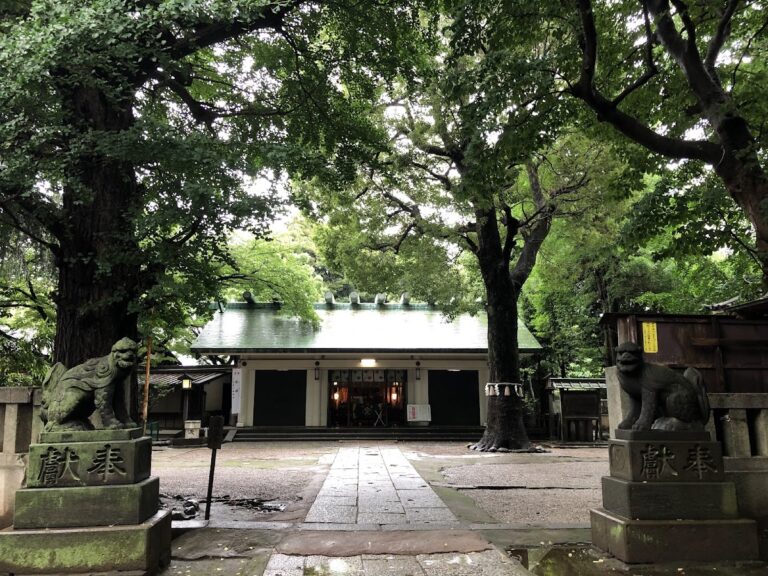
The shrine building of Fuji Shrine, though compact, exhibits a beautiful appearance, meticulously maintained. Blending seamlessly into the urban residential area, the shrine provides visitors with a tranquil space for prayer.
Remnants of the Fujizuka (Mound of Mount Fuji)
As a remnant of the former Fujizuka, stone monuments and structures related to Mount Fuji worship remain on the shrine grounds. These are valuable cultural assets that convey the history of Fuji worship during the Edo period.
Sacred Trees and Nature
The shrine grounds feature ancient sacred trees, creating a lush green space that serves as an oasis in the city. The nature within the grounds, which shows different expressions depending on the season, soothes the hearts of visitors.
Goshuin (Shrine Seal) Information
About the Issuance of Goshuin
Fuji Shrine offers goshuin, but since there may not always be a resident priest, it is recommended to check in advance.
Offering Fee: Approximately 300-500 yen (subject to change)
Issuance Hours: During the hours the shrine office is open (usually 9:00-17:00)
Notes: Since priests may be absent, it is advisable to contact in advance if you wish to be sure to receive a goshuin.
Goshuin Design
Fuji Shrine’s goshuin is a simple yet carefully handwritten traditional style. The name of the shrine, “Fuji Shrine,” and the date of visit are inscribed, and a red seal is stamped. If you bring your goshuin book, it may be possible to have it written directly on it.
Access Methods
Access by Train
Hongo-Sanchome Station (Toei Oedo Line/Tokyo Metro Marunouchi Line)
- Approximately 8 minutes on foot from the exit towards Hongo-dori
- Exit the station and proceed along Hongo-dori towards the University of Tokyo, turning left as needed into the residential area.
Todaimae Station (Tokyo Metro Namboku Line)
- Approximately 10 minutes on foot
- Head south along Hongo-dori towards the residential area.
Kasuga Station (Toei Mita Line)
- Approximately 12 minutes on foot
Access by Bus
You can also use Toei buses or the Bunkyo Ward Community Bus “B-guru”. It’s a few minutes’ walk from the nearest bus stop.
Access on Foot
From Hongo-Sanchome Station, follow Hongo-dori as a landmark, and you’ll find a sign for Fuji Shrine once you enter the residential area. Since the surrounding area is a quiet residential area, we recommend using a map app.
Access by Car and Parking
Fuji Shrine does not have its own parking lot. If you are visiting by car, please use a nearby coin-operated parking lot. There are several coin-operated parking lots around Hongo-Sanchome Station.
Manners and Points for Visiting the Shrine
Basic Worship Etiquette
- Bow before the Torii Gate: Bow before entering the shrine grounds.
- Purify yourself at the Water Basin: If there is a water basin, purify your hands and mouth.
- Offer your offering: Quietly place your offering in the offering box.
- Two bows, two claps, one bow: Worship according to the basic Shinto etiquette.
- Bow again when leaving the shrine grounds: When leaving, turn back to the torii gate and bow.
Suitable Time for Visiting
Fuji Shrine is open for worship 24 hours a day, but the best time to visit is during the daytime when the shrine office is open (around 9:00 AM to 5:00 PM). Especially if you wish to receive a Goshuin (shrine stamp), it is recommended to visit during these hours.
Regarding Photography
Photography is generally permitted on the shrine grounds, but consideration should be given to avoiding disturbing other visitors. It is considered good manners to refrain from taking photographs inside the shrine buildings.
Nearby Tourist Attractions
University of Tokyo Hongo Campus
Within walking distance of Fuji Shrine is the Hongo Campus of the University of Tokyo, one of Japan’s leading universities. You can visit historical buildings such as the Akamon Gate and Yasuda Auditorium.
Yushima Tenjin Shrine
Yushima Tenjin Shrine, known as the shrine of the god of learning, is also nearby. It’s about a 15-minute walk, and many people visit both shrines.
Nezu Shrine
Nezu Shrine, with its representative Japanese shrine architecture, is also within walking distance. It’s famous for its azaleas and is bustling with tourists in the spring.
Historical Buildings in Hongo
The Hongo area is dotted with historical buildings from the Meiji and Taisho periods. There are also many places associated with literature, making it a great place for a literary stroll.
Annual Events and Festivals
Grand Festival
Fuji Shrine holds its annual Grand Festival. Local parishioners and devotees gather for this most important festival of the year.
New Year’s Visit
At the start of the new year, visitors come for their first shrine visit of the year. While not as crowded as large shrines, it’s a place where local people come to offer their New Year’s greetings.
Other Annual Events
Traditional annual events such as the Setsubun Festival and the Summer Purification Ceremony are also held. Detailed dates can be confirmed during your visit or on nearby bulletin boards.
The Charm of Fuji Shrine
A Tranquil Space in the City
The greatest charm of Fuji Shrine is its quiet and peaceful atmosphere despite being located in the heart of the city. It’s a precious space where you can escape the hustle and bustle and pray with a calm mind.
A Faith Rooted in the Community
Unlike large tourist shrines, its function as a place of daily faith for local people is another appealing aspect. It continues to play a central role in the local community.
Preserving the History of Fuji Worship
As a valuable shrine that preserves the history of Fuji worship that has continued since the Edo period, its cultural and historical value is highly regarded.
Easy Access
Located in a prime location in the city center, within walking distance of Hongo-Sanchome Station, its easy accessibility is one of its attractions.
Points to Note When Visiting
Consideration for Residential Areas
Since Fuji Shrine is located in a residential area, consideration for surrounding residents is necessary when visiting. Please refrain from loud conversations and nighttime visits.
Shrine Office Opening Hours
Since there may not always be a resident priest, it is recommended to check the opening hours in advance if you wish to obtain a Goshuin (shrine stamp) or other items.
Weather Preparatory Notes
The shrine grounds are compact, so it is possible to visit even in rainy weather, but please remember to be considerate of others, such as using an umbrella.
Summary
Fuji Shrine (Bunkyo Ward, Tokyo) is a hidden power spot in the heart of Tokyo, offering a quiet and peaceful place for worship. It boasts a history of Fuji worship dating back to the Edo period, and with Konohanasakuya-hime as its main deity, it is believed to offer various blessings, including safe childbirth, fertility, and matchmaking.
Conveniently located within walking distance of Hongo-Sanchome Station, it can be easily visited in conjunction with nearby tourist attractions such as the University of Tokyo, Yushima Tenjin Shrine, and Nezu Shrine. Goshuin (shrine stamps) are also available, making it a great choice for those who enjoy visiting shrines.
If you’re looking for a peaceful retreat from the hustle and bustle of the city, want to learn about the history of Fuji worship, or simply enjoy exploring the Hongo area, be sure to visit Fuji Shrine. You’ll find a warm, community-oriented atmosphere that will bring you peace and tranquility.