Complete Guide to Fukuda Shohachimangu Shrine (Tottori Prefecture) | History, Deities, Benefits, and Access Information
Fukuda Shohachimangu Shrine, located in Yurihama-cho, Tohaku-gun, Tottori Prefecture, is a historic shrine that has been revered by the local people since ancient times. As the principal tutelary shrine of the six former Fukuda-sho villages, it continues to uphold a long history and tradition. This article provides detailed information you should know before visiting, including the history of Fukuda Shohachimangu Shrine, its enshrined deities, benefits, highlights of the grounds, annual events, and access methods.
What is Fukuda Shohachimangu Shrine?
Fukuda Shohachimangu Shrine is located in Fukunaga, Yurihama-cho, Tohaku-gun, Tottori Prefecture, and is revered by the local community as the principal tutelary shrine of the six former Fukuda-sho villages (Tanigawa, Kashiwao, Sakane, Sakai, Obukuro, and Shimoazumi). The exact founding date is unknown, but it is an ancient shrine that has stood in this area since ancient times. Around 1190 (Kenkyu era), Hachiman-gu Shrine was merged with it, and since then it has been affectionately known as “Fukuda no Sho Grand Shrine” and “Hachiman-gu Shrine.”
In 1979 (Showa 54), it was renamed “Fukuda Sho Hachiman-gu Shrine,” and it remains so to this day. Surrounded by abundant nature, the shrine grounds are enveloped in a tranquil atmosphere, offering peace of mind to visitors.
History and Origins of Fukuda Sho Hachiman-gu Shrine
A Place of Ancient Worship
The history of Fukuda Sho Hachiman-gu Shrine is very old, and its founding date is unknown. However, it is said that a shrine dedicated to Kushinadahime-no-Mikoto, “Fukuda no Yashiro,” existed in this area since ancient times. Kushinadahime-no-Mikoto is the princess deity whom Susanoo-no-Mikoto saved when he defeated the Yamata no Orochi (eight-headed serpent). She has been worshipped since ancient times as the goddess of rice fields and the goddess of matchmaking.
Invitation of Hachiman Shrine during the Kenkyu Era
During the Kenkyu era (1190-1199), Minamoto no Yoritomo ordered the invitation of Hachiman shrines throughout the country. It is believed that at this time, Hondawake-no-Mikoto (Emperor Ojin) and Emperor Chuai were also enshrined at Fukuda Shrine. From this time onward, the shrine gained reverence from the samurai class as a “Hachiman Shrine.”
Hachiman is known as a god of war, but is also widely worshipped as the guardian deity of agriculture and fishing, and as a god of protection against evil. Fukuda Sho Hachiman Shrine has played an important role as a guardian deity of the region.
Prosperity in the Middle Ages
During the Middle Ages, it is said that the shrine flourished as the “Great Shrine of Fukuda no Sho,” possessing a sacred territory of 500 koku and a large-scale shrine complex with 12 temple buildings (Jinguji). During the era of syncretism of Shinto and Buddhism, the shrine and temples were integrated, forming a center of worship, and it is imagined that it was bustling with many worshippers.
Development Since the Modern Era
Although the Jinguji was abolished due to the Meiji-era separation of Shinto and Buddhism, the worship of the shrine continued without interruption. In 1979 (Showa 54), it was renamed “Fukuda Shohachimangu,” and to this day, it continues to mark its history as the local tutelary shrine and a shrine that welcomes a wide range of worshippers.
Deities and Blessings
Deities
Fukuda Shohachimangu enshrines three deities.
Kushinada-hime no Mikoto
She is a princess who was rescued by Susanoo-no-Mikoto and later became his wife. As the goddess of rice fields, she is believed to bestow blessings of abundant harvests, matchmaking, and family safety. She has been the principal deity worshipped in this area since ancient times, protecting local agriculture.
Honda-wake no Mikoto
This is the divine name of Emperor Ojin, the 15th emperor. He is worshipped nationwide as Hachiman-jin, known for his blessings of military success, victory in competitions, protection from evil, and prosperity of descendants. Since his enshrinement during the Kenkyu era, he has been revered as the central deity of Fukuda Sho Hachiman-gu Shrine.
Emperor Chuai
He was the 14th emperor and the father of Emperor Ojin. Also known as the husband of Empress Jingu, he is believed to bestow blessings of national protection and military success.
Benefits
Fukuda Shohachimangu Shrine is believed to bestow the following blessings:
- Abundant Harvest and Agricultural Prosperity: Through the divine virtues of Kushinadahime-no-Mikoto, you can pray for abundant harvests and the development of agriculture.
- Matchmaking and Successful Relationships: Kushinadahime-no-Mikoto is also known as the goddess of matchmaking.
- Family Safety and Harmony: She protects the peace of the home and the health of the family.
- Protection from Misfortune and Disaster: Through the strong spiritual power of Hachiman-jin, you are protected from all kinds of disasters.
- Long-lasting Military Fortune and Good Luck in Competitions: Through the divine virtues of Hachiman-jin as a god of war, you can pray for success in competitions.
- Prosperity of Descendants and Safe Childbirth: Emperor Ojin is also worshipped as the god of prosperity of descendants.
- National Peace and Security and Protection of the Region: As the guardian deity of the region, he watches over the peace and development of the entire region.
Highlights of the Shrine Grounds
Main Hall
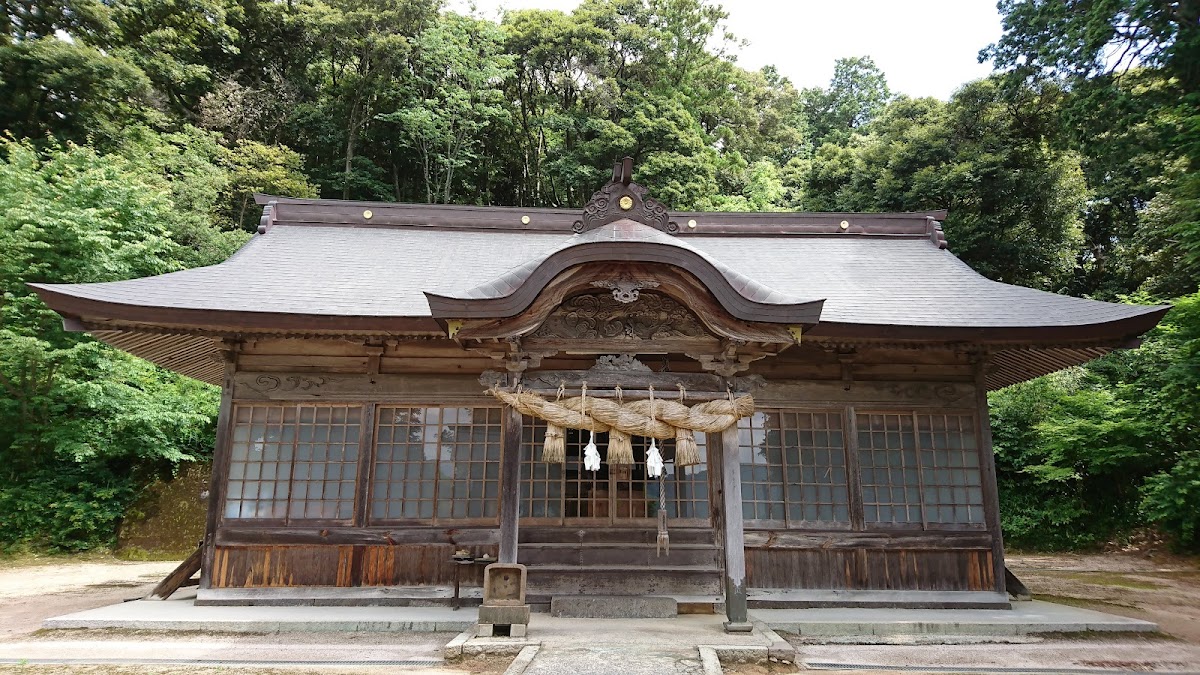
The main hall of Fukuda Sho Hachimangu Shrine is a magnificent building that conveys the style of traditional shrine architecture. The main shrine, with its long history, is meticulously maintained and quietly welcomes visitors. When praying before the main shrine, offer your gratitude to the three deities.
Worship Hall
The worship hall, where visitors offer their prayers, is located in front of the main shrine. In the refreshing atmosphere of the worship hall, you can feel the blessings of the gods as you pray with sincerity.
Nature of the Shrine Grounds
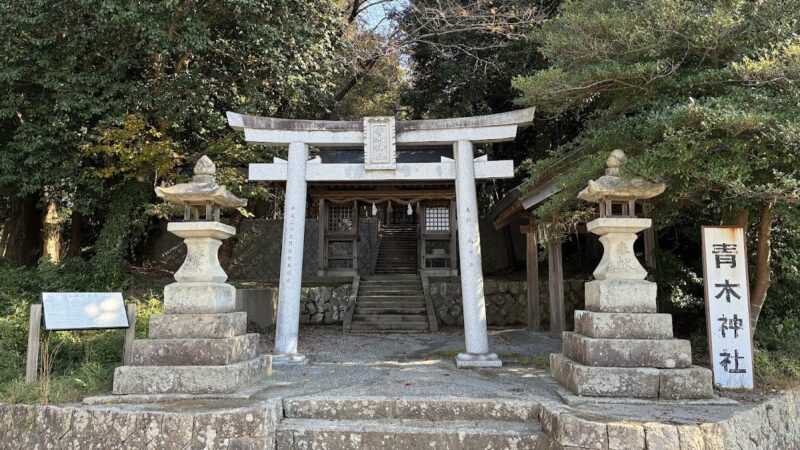
The grounds of Fukuda Shohachimangu Shrine are surrounded by abundant nature. Ancient trees stand tall, allowing visitors to enjoy the scenery of each season. Especially during the fresh green of spring and the vibrant autumn foliage, the grounds are enveloped in beautiful colors, soothing the hearts of visitors.
Torii Gate and Approach
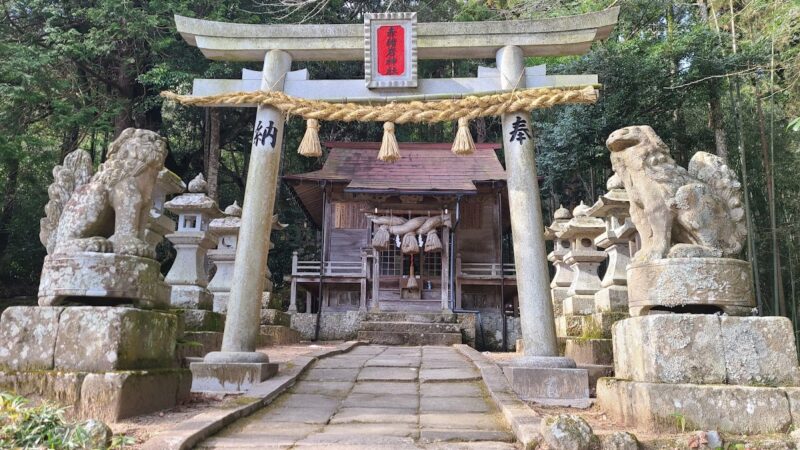
Passing through the torii gate at the entrance of the shrine and proceeding along the approach, you are led to a sacred space away from the hustle and bustle of everyday life. As you walk along the approach, compose your mind and approach the main shrine with respect for the gods.
Annual Events and Festivals
Fukuda Shohachimangu Shrine holds various festivals and events throughout the year.
Grand Festival
The Grand Festival, held every autumn, is the most important festival at Fukuda Shohachimangu Shrine. It is a grand celebration attended by parishioners and local residents, expressing gratitude for a bountiful harvest and praying for peace in the community. Kagura (sacred dance) performances and Shinto rituals are held, making it an important opportunity to pass on the region’s traditional culture to future generations.
First Shrine Visit of the Year
At the start of the new year, many worshippers visit the shrine for their first shrine visit of the year. The shrine is bustling with people praying for safety throughout the year, the health of their families, and the prosperity of their businesses. Visiting the shrine in the refreshing air of the new year is a good opportunity to renew hope and resolve for the coming year.
Monthly Festival
The monthly festival, held regularly each month, is a time to express gratitude for daily blessings and pray for the peace and well-being of the community.
Monthly Festival ## Etiquette and Manners for Visiting a Shrine
Basic Etiquette for Visiting a Shrine
There are basic etiquette rules for visiting a shrine. Please follow the following rules when visiting Fukuda Shohachimangu Shrine.
- Bow at the Torii Gate: Before passing through the torii gate, bow to obtain permission to enter the sacred area.
- Walking the Path: The center of the path is considered the path of the gods, so walk along the edges.
- Purification at the Water Basin: Purify your hands and mouth at the water basin before praying.
- Praying at the Main Hall: Pray using the two bows, two claps, and one bow ritual.
- Bow Upon Departure: When leaving the shrine grounds, turn back to the torii gate and bow.
Water Basin Ritual
- Hold the ladle in your right hand and wash your left hand.
- Switch the ladle to your left hand and wash your right hand.
- Switch the ladle back to your right hand, receive water in your left hand, and rinse your mouth.
- Wash your left hand again.
- Hold the ladle upright, let the water flow down the handle, and return it to its original position.
Mindset When Visiting a Shrine
When visiting a shrine, having a grateful heart is most important. Express gratitude to the gods for things that may seem taken for granted, such as daily safety, health, and the happiness of your family. Furthermore, when making a request, vowing your own efforts and resolve at the same time will make your visit more sincere.
Access and Transportation Information
Location
Address: Fukunaga, Yurihama-cho, Tohaku-gun, Tottori Prefecture
Access by Car
- From Hawaii IC on the San’in Expressway: Approximately 10 minutes
- From central Tottori City: Approximately 40 minutes via National Route 9
- From central Kurayoshi City: Approximately 20 minutes
Parking is available on the shrine grounds or nearby (please check on-site for details).
Access by Public Transportation
- From JR San’in Main Line Matsuzaki Station: Approximately 10 minutes by taxi or by local bus.
- From JR San’in Main Line Kurayoshi Station: Approximately 20 minutes by local bus or taxi.
If using public transportation, we recommend checking the timetable in advance.
Map
Fukuda Shohachimangu Shrine is located in the Fukunaga district of Yurihama Town. Nearby attractions include Lake Togo and the Hawai Onsen hot spring resort, allowing you to enjoy the charm of central Tottori Prefecture along with your visit to the shrine. You can confirm the exact location by searching for “Fukuda Shohachimangu Shrine” or its address on your car navigation system or smartphone map app.
Nearby Tourist Attractions
Lake Togo
Lake Togo, located approximately 10 minutes by car from Fukuda Shohachimangu Shrine, is one of Tottori Prefecture’s representative lakes. Hot spring resorts are scattered along the lakeshore, allowing you to enjoy beautiful scenery and hot springs. Lake cruises and lakeside strolls are also recommended.
Hawaii Onsenkyo (Hawaii Hot Spring Village)
This hot spring resort spreads along the shores of Lake Togo and is affectionately known as “Japan’s Hawaii” due to its similar pronunciation to “Hawaii.” It boasts numerous inns and hotels where visitors can enjoy high-quality hot springs and views of Lake Togo.
Enchoen Chinese Garden
Located in Kurayoshi City, this authentic Chinese garden was built as a symbol of friendship between Tottori Prefecture and Hebei Province in China. Visitors can stroll through this beautiful garden overflowing with exotic charm.
Kurayoshi White-Walled Storehouse District
This is a tourist attraction in Kurayoshi City where buildings from the Edo and Meiji periods still remain. The picturesque streetscape lined with white-walled storehouses gives visitors the feeling of stepping back in time.
The Charm of Fukuda Shohachimangu Shrine
An Ancient Shrine Where You Can Feel the Weight of History
The greatest charm of Fukuda Shohachimangu Shrine lies in its long history. The shrine’s ancient history, with an unknown founding date, its invocation of the Hachiman Shrine during the Kenkyu era, its prosperity in the Middle Ages, and its continuous history of faith up to the present day, speaks volumes about the importance this shrine has held to the community.
Role as the Guardian Deity
Fukuda Sho Hachiman Shrine, as the guardian deity of the six former villages of Fukuda-sho, has protected the entire region. A guardian deity protects the people living in the land and watches over the prosperity of the region. As a shrine embodying the history and culture of the region, it remains a spiritual anchor for the people.
Serene Atmosphere of the Shrine Grounds
Surrounded by abundant nature, the shrine grounds are filled with a serene and sacred atmosphere. This environment, where one can escape the hustle and bustle of everyday life and worship in peace, is a precious space in modern society.
Divine Virtues of the Three Deities
The three deities enshrined here—Kushinadahime-no-Mikoto, Homutawake-no-Mikoto, and Emperor Chuai—are believed to bestow diverse blessings, including abundant harvests, matchmaking, family safety, protection from evil, and lasting military fortune. The shrine’s broad acceptance of worshippers with various wishes is another of its charms.
Precautions When Visiting
Regarding Attire
While there are no specific dress code requirements for visiting the shrine, it is desirable to wear clean, modest clothing to show respect to the deities. Especially when formally visiting or receiving prayers, please dress appropriately.
Regarding Photography
Photography is generally permitted on the shrine grounds, but restrictions may apply inside the main hall or during religious ceremonies. Please check before taking photos or follow the signs. Also, please be considerate of other worshippers.
Regarding Pets
Some shrines may restrict the presence of pets. We recommend checking in advance.
Visiting Hours
While shrine visiting hours are generally from sunrise to sunset, please check the official information for specific visiting hours at Fukuda Shohachimangu Shrine.
About Goshuin (Shrine Seals)
Collecting goshuin has become a popular pastime during shrine visits in recent years. While it may be possible to obtain a goshuin at Fukuda Shohachimangu Shrine, there may not be a permanent shrine office, or they may only offer them on specific dates and times. Those wishing to obtain a goshuin are advised to check in advance.
When requesting a goshuin, please present your goshuin book after completing your prayers and make your request respectfully. Remember that a goshuin is proof of your visit, not a stamp rally, and treat it with respect.
Fukuda Shohachimangu Shrine’s Connection to the Community
Fukuda Shohachimangu Shrine has functioned not merely as a tourist spot, but as a center of the local community. Festivals such as the annual grand festival provide important opportunities for local residents to gather and deepen their bonds.
As the principal tutelary shrine of the six former Fukuda villages, the Fukuda Shohachimangu Shrine has a history of watching over the Tanigawa, Kashiwao, Sakane, Sakai, Obukuro, and Shimoazumi areas, and this remains a core element of the region’s identity even today. The community ties centered around the shrine are becoming increasingly important in today’s society, marked by depopulation and an aging population.
Shrine Culture of Tottori Prefecture
Tottori Prefecture is home to many historical shrines, including the Fukuda Shohachimangu Shrine. Ancient sites of worship, such as the Ube Shrine (Ichinomiya of Inaba Province) and the Shizuri Shrine (Ichinomiya of Hoki Province), are still carefully preserved.
A key characteristic of Tottori Prefecture’s shrine culture is the strong presence of locally rooted tutelary deity worship. Shrines like the Fukuda Shohachimangu Shrine, revered as the principal tutelary shrine of a specific region, embody the history and culture of that land, making them irreplaceable to the community.
Recommended Time to Visit
Spring (March-May)
Spring at Fukuda Shohachimangu Shrine is a beautiful season of fresh greenery and vibrant life. The mild climate makes for a refreshing visit.
Summer (June-August)
In summer, the greenery deepens, and the trees on the shrine grounds provide ample shade. Although it’s a hot season, the tranquil atmosphere of the shrine offers a refreshing coolness.
Autumn (September-November)
Autumn is an important season when the annual festival is held. The autumn leaves are beautiful, making it a fitting time to offer thanks for the harvest.
Winter (December-February)
Visiting the shrine in the crisp winter air is ideal for strengthening one’s mind and body and solidifying new resolve. Many visitors come for Hatsumode (first shrine visit of the year).
Summary
Fukuda Shohachimangu Shrine is a historic shrine located in Yurihama-cho, Tohaku-gun, Tottori Prefecture. With an unknown founding date, it boasts a long history, and since the Hachimangu shrine was established during the Kenkyu era, it has been revered by the local people as the tutelary deity of the six villages of the former Fukuda-sho.
The shrine enshrines three deities: Kushinadahime-no-Mikoto, Homutawake-no-Mikoto, and Emperor Chuai, bestowing various blessings such as abundant harvests, matchmaking, family safety, protection from evil, and lasting military fortune. The tranquil grounds, surrounded by abundant nature, soothe the hearts of visitors and offer a place for dialogue with the gods.
When visiting central Tottori Prefecture, be sure to visit Fukuda Shohachimangu Shrine and experience its long history and tradition. You will feel the warmth of the shrine, protected by the local people, and the blessings of the gods. Visiting Fukuda Shohachimangu Shrine in conjunction with other nearby attractions such as Lake Togo and the Hawai Onsen hot spring resort will allow you to experience the charm of Tottori Prefecture more deeply.
When visiting the shrine, please approach the deities with a grateful heart and respectful manners. We hope that your visit to Fukuda Shohachimangu Shrine will bring peace and joy to your heart.