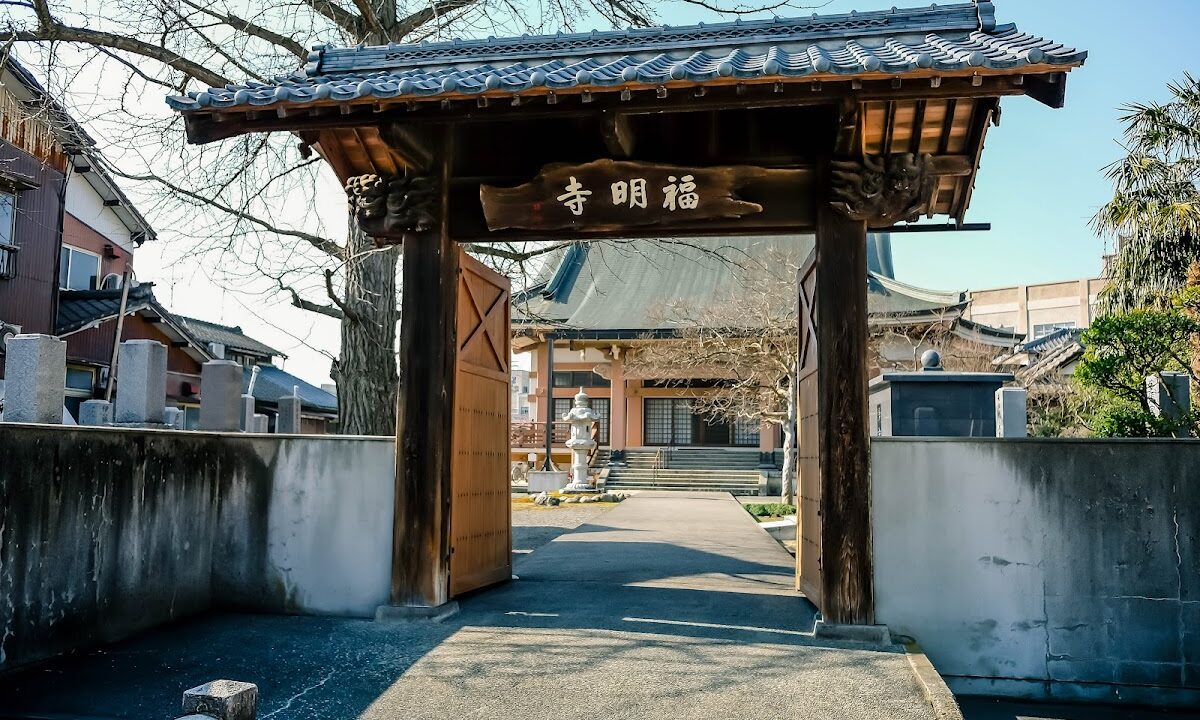
Complete Guide to Fukumyoji Temple (Kita-ku, Niigata City, Niigata Prefecture) | A Thorough Explanation of a Historic Shinshu Otani-ha Temple
Fukumyoji Temple, located in Kuzuka, Kita-ku, Niigata City, Niigata Prefecture, is a historic temple belonging to the Shinshu Otani-ha sect. This guide provides a detailed introduction to this temple, which has long been cherished by the local community, covering everything from its historical background and visiting information to nearby attractions.
Basic Information about Fukumyoji Temple
Fukumyoji Temple is a Shinshu Otani-ha temple located in the Kuzuka district of Kita-ku, Niigata City. Situated in a quiet residential area, it has long been a beloved center of local faith.
Location and Access
Address: 3205 Kuzuka, Kita-ku, Niigata City, Niigata Prefecture 950-3321
Corporate Number: 4110005002423
Sect: Shinshu Otani-ha (Higashi Honganji-ha)
Transportation Access
Fukumyoji Temple can be accessed via the following methods:
If using public transportation:
- Approximately 10 minutes by car from JR Hakushin Line “Toyosaka Station”
- Approximately 5 minutes on foot from Niigata Kotsu Bus “Kuzuka” bus stop
If coming by car:
- Approximately 15 minutes from Nihonkai Tohoku Expressway “Toyosaka Niigata Higashi Port IC”
- Approximately 20 minutes from Niigata Bypass “Kido IC”
- Parking: Parking space for visitors is available on the temple grounds.
About the Shinshu Otani School
The Shinshu Otani School, to which Fukumeiji Temple belongs, is one of the sects of Jodo Shinshu Buddhism, with Higashi Honganji Temple in Kyoto as its head temple. It considers Shinran Shonin as its founder and inherits the teachings of Jodo Shinshu Buddhism, which preaches salvation through the power of Amida Buddha’s original vow.
Characteristics of the Shinshu Otani School
The Shinshu Otani School is a sect that was established when Honganji Temple was divided into East and West during the Meiji era. We cherish the teaching that by chanting the Nembutsu, “Namu Amida Butsu,” everyone can equally receive the salvation of Amida Buddha.
With approximately 8,900 temples nationwide, many Shinshu Otani sect temples exist within Niigata Prefecture. Fukumeiji Temple is one of them, contributing to the preservation of Buddhist culture in the region.
History and Origins of Fukumeiji Temple
The founding date and detailed history of Fukumeiji Temple are closely intertwined with the development of the Kuzutsuka district, as a temple that has walked hand in hand with the history of the region.
Historical Background of the Kuzutsuka District
Kuzutsuka has long flourished as a transportation hub in the northern part of the Niigata Plain. During the Edo period, it developed as a market town, playing an important role as a center for the collection and distribution of goods for the surrounding farming villages. Fukumeiji Temple is located in the heart of this region and has functioned as a spiritual pillar for the local residents.
Development of Shinshu Buddhism in Niigata
Niigata Prefecture is known as a region where Shinshu Buddhism is very popular. Especially after the missionary activities of Rennyo Shonin, the teachings of Shin Buddhism spread widely from the Hokuriku region to Niigata. Fukumeiji Temple is thought to have played an important role as a center of Shin Buddhism faith in this historical context.
Fukumeiji Temple Grounds and Architecture
The grounds of Fukumeiji Temple follow the traditional layout of Shin Buddhist temples while being adapted to the characteristics of the region.
Main Hall
The main hall houses a statue of Amida Buddha, where daily services and religious ceremonies are held. It features a solemn inner sanctuary typical of Shin Buddhist temples and a warm outer sanctuary welcoming visitors.
Atmosphere of the Temple Grounds
Despite being located in a quiet residential area, the temple grounds maintain a tranquil atmosphere. The trees on the grounds change their appearance with the seasons, providing peace to visitors.
Information on Visiting
Anyone can visit Fukumeiji Temple.
Visiting Hours
General visits are possible during daytime hours. Please note that times may vary during memorial services and other events; we recommend checking in advance.
Etiquette for Visiting the Temple
At Shinshu Otani-ha temples, the following is the general etiquette for visiting:
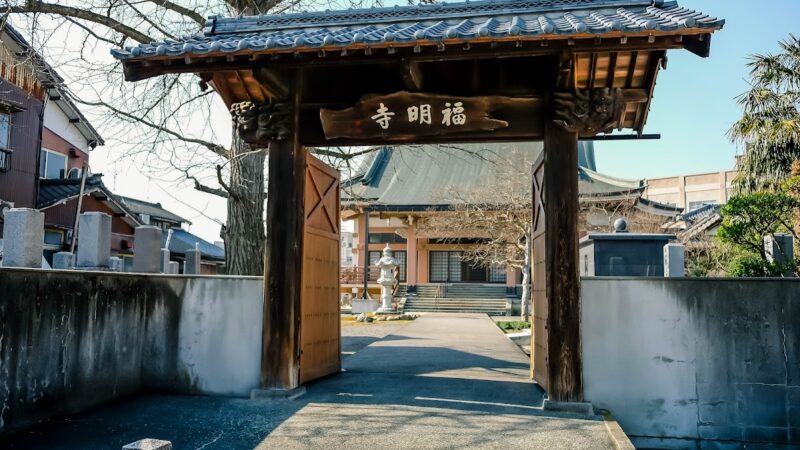
- Bow at the temple gate before entering the grounds.
- Enter the main hall and clasp your hands together in prayer facing Amida Buddha.
- Recite the Nembutsu, “Namu Amida Butsu.”
- Quietly clasp your hands together, expressing your gratitude.
In Shinshu Buddhism, there is no custom of clapping hands as in other sects. Also, offerings are not mandatory; please offer what you feel is appropriate.
Annual Events and Memorial Services
Fukumei-ji Temple holds memorial services in accordance with the annual events of the Shinshu Otani-ha.
Main Annual Events
Spring Equinox Service (March)
This memorial service, held during the spring equinox, provides an opportunity to express gratitude to ancestors and to learn about the teachings of Amida Buddha.
Hanamatsuri (Flower Festival) (Around April 8th)
A memorial service celebrating the birth of Buddha.
Eitaikyo Memorial Service (Dates vary by temple)
An important memorial service for ancestors, along with learning the teachings of Jodo Shinshu Buddhism.
Obon Memorial Service (August)
Many parishioners and local residents visit during the Obon period.
Autumn Equinox Service (September)
A memorial service for the autumn equinox.
Hoonko (Memorial Service) (November or January)
The most important memorial service in Shinshu temples, commemorating the death anniversary of Shinran Shonin.
Participation in Memorial Services
Many memorial services are open to non-parishioners. For detailed dates and participation methods, please contact Fukumeiji Temple directly.
History and Culture of the Kuzutsuka District
The Kuzutsuka district, where Fukumeiji Temple is located, has a long history as a central area of Kita Ward, Niigata City. ### History of Kuzutsuka
Kuzutsuka flourished as a market town from the Edo period, and the “Kuzutsuka Market” was an important market that attracted many people from the surrounding areas. Even today, events and culture that carry on its traditions remain.
Regional Characteristics
Blessed with the fertile land of the Niigata Plain, the Kuzutsuka area is also known as a rice-producing region. It also has good access to the center of Niigata City and has developed as a residential area.
Attractions Around Fukumyoji Temple
When visiting Fukumyoji Temple, why not also explore the surrounding tourist spots?
Shrines and Temples in the Toyosaka Area
Besides Fukumyoji Temple, there are many other temples and shrines in Kita Ward, Niigata City. Each has its own unique history and characteristics, making temple and shrine hopping an enjoyable experience.
Nature of the Agano River
A short trip from Fukumyoji Temple allows you to enjoy the magnificent scenery of the Agano River. The beauty of nature in each of the four seasons captivates visitors.
Cultural Facilities in Kita Ward, Niigata City
The Toyosaka district has facilities such as a library and a cultural center, serving as a hub for local cultural activities.
Shinshu Otani-ha Temples in Niigata Prefecture
Besides Fukumei-ji Temple, there are many other Shinshu Otani-ha temples in Niigata Prefecture.
Major Shinshu Otani-ha Temples in Niigata City
Senpuku-ji Temple is located in Konan Ward, Niigata City, and Shinshu Otani-ha temples are scattered throughout each ward. Each temple functions as a center of faith in its community.
The Temple Name “Fukumei-ji”
There are two temples named “Fukumei-ji” nationwide. Fukumei-ji Temple in Kita Ward, Niigata City, Niigata Prefecture, is one of them and continues to engage in community-based activities.
Memorial Services and Buddhist Rites at Fukumei-ji Temple
Fukumei-ji Temple can perform various memorial services and Buddhist rites.
Funerals and Memorial Services
We conduct funerals, memorial services, and other ceremonies marking important life events for our parishioners according to the customs of the Shinshu sect.
Perpetual Memorial Services
We also accept consultations regarding perpetual memorial services, where you entrust the temple with the care of your ancestors.
Graves and Interment
We also offer consultations regarding cemeteries and interment. Please contact us directly for details.
The Teachings of the Shinshu Otani School and Fukumeiji Temple
Fukumeiji Temple cherishes and preserves the teachings of the Shinshu Otani school, passing them down to the present day.
The Teaching of Nembutsu
The teaching that one can be saved by the power of Amida Buddha’s original vow through chanting “Namu Amida Butsu” is simple yet profoundly meaningful.
The Philosophy of Equality
In Shinshu Buddhism, all people, both good and bad, are considered equally eligible for the salvation of Amida Buddha. This philosophy of equality holds an important message even in modern society.
The Role of Temples in Modern Times
Fukumeiji Temple functions not only as a religious facility but also as a hub for the local community. It plays a new role in modern society as a place where people gather, converse, and find peace of mind.
Contacting Fukumeiji Temple
For detailed information about Fukumeiji Temple, or inquiries regarding memorial services and other matters, please contact the temple directly.
Examples of Inquiries
- Inquiries about the schedule of annual events
- Inquiries about memorial services and other matters
- Questions about visiting the temple
- Inquiries about becoming a temple parishioner
- Other general questions about the temple
Please feel free to contact us; we will respond courteously.
Temple Culture in Niigata Prefecture and Fukumeiji Temple
Niigata Prefecture is known as a region with a large number of temples compared to the rest of Japan. In particular, there are many Shinshu Buddhist temples, which are deeply rooted in the lives of the prefectural residents.
Shinshu Culture in Niigata
The spread of Shinshu Buddhism in Niigata Prefecture dates back to the time of Rennyo Shonin. The region stretching from Hokuriku to Niigata saw widespread acceptance of Shin Buddhism teachings, leading to the establishment of numerous temples.
The Relationship Between the Community and Temples
Local temples like Fukumeiji Temple play a vital role not only in religious matters but also in conveying the history and culture of the region. They also serve as places for intergenerational exchange through festivals and events.
Recommended Visit
Fukumeiji Temple is located in a tranquil environment in Kita Ward, Niigata City, offering a peaceful and calming place for worship.
Recommended Time to Visit
Spring (March-May)
During the spring equinox and the Flower Festival, the temple grounds are enveloped in a vibrant atmosphere. The season of fresh greenery is also beautiful, offering a refreshing and invigorating visit.
Autumn (September-November)
Important events for Shin Buddhism temples are held during the autumn equinox and the Hoonko service. The autumn foliage season is also charming.
Mindset for Visiting a Temple
When visiting a temple, please cherish the time you spend quietly facing Amida Buddha. It will be a valuable opportunity to escape the hustle and bustle of everyday life and reflect on yourself.
Summary
Fukumyoji Temple, located in Kuzuka, Kita-ku, Niigata City, Niigata Prefecture, is a Shinshu Otani sect temple that has been cherished by the local community for many years. While upholding and passing on the teachings of Amida Buddha to the present day, it also functions as a central hub of the local community.
Within the historic Kuzuka area, Fukumyoji Temple will continue to provide peace and teachings to many people as a center of faith that stretches from the past to the present and into the future.
If you have the opportunity to visit Kita-ku, Niigata City, please do visit Fukumyoji Temple. The time you spend praying in its tranquil grounds will surely be a memorable experience.