What is the Fushimi Inari Taisha Otabisho?
The Fushimi Inari Taisha Otabisho is an auxiliary shrine located outside the main grounds of Fushimi Inari Taisha, in Minami-ku, Kyoto City. It is known as a sacred place where the five portable shrines that have been carried from the main shrine gather and stay overnight during the Inari Festival (Kankosai) on May 3rd each year.
While the shrine grounds are usually quiet, during the festival it becomes bustling with many worshippers and is an important center of Fushimi Inari faith.
History and Origin of the Otabisho
An Otabisho refers to a place where portable shrines rest or stay overnight during a shrine festival procession. The Fushimi Inari Taisha Otabisho is an important ritual facility that preserves the tradition of the Inari Festival, which has continued since the Heian period.
The current Otabisho is located in the area formerly known as “Shimotoba,” approximately 3 km south of the main shrine. The reason this location was chosen is thought to be its geographical importance, as it lies on the route of the portable shrine procession from Mount Inari towards the Kamo River.
Inari Festival and Five Portable Shrines
The Inari Festival of Fushimi Inari Taisha Shrine is a representative spring festival of Kyoto, with the Shinkosai (procession of the portable shrines) held on a Sunday after April 20th and the Kankosai (return procession) on May 3rd.
Shinkosai (Procession of the Portable Shrines)
In late April, five portable shrines depart from the main shrine towards the Otabisho (temporary shrine). These five portable shrines enshrine the following deities:
- Tanaka Shrine Portable Shrine (Upper Shrine): Ukanomitama-no-Okami
- Shino-Okami Portable Shrine (Middle Shrine): Sadahiko-no-Okami
- Lower Shrine Portable Shrine: Omiyanome-no-Okami
- Middle Shrine Portable Shrine: Tanaka-no-Okami
- Upper Shrine Portable Shrine: Shidai-no-Okami
Return Procession Festival (Kankōsai)
On May 3rd, the portable shrines, which had been staying at the temporary shrine, return to the main shrine. On this day, a Shinto ritual is performed at the temporary shrine, attended by many parishioners and devotees. The portable shrines return to the main shrine from evening to night, and the shrine grounds are enveloped in a mystical atmosphere illuminated by lantern light.
Points to Note During Your Visit
Highlights of the Shrine Grounds
Main Hall
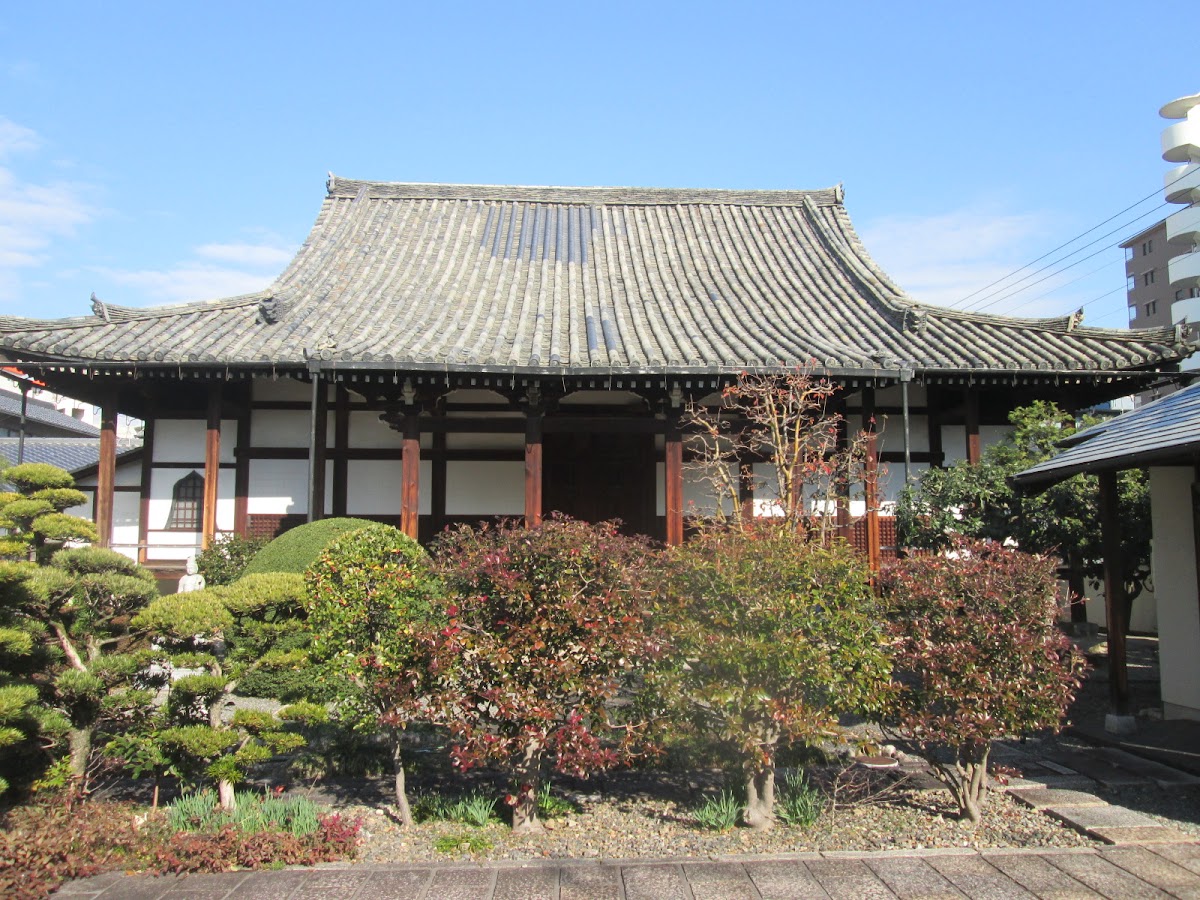
The main hall, the central building of the temporary shrine, is a spacious structure designed to accommodate the five portable shrines. While usually quiet, during festivals, the shrines are placed inside, creating a solemn and majestic atmosphere.
Torii Gate and Shrine Name Marker
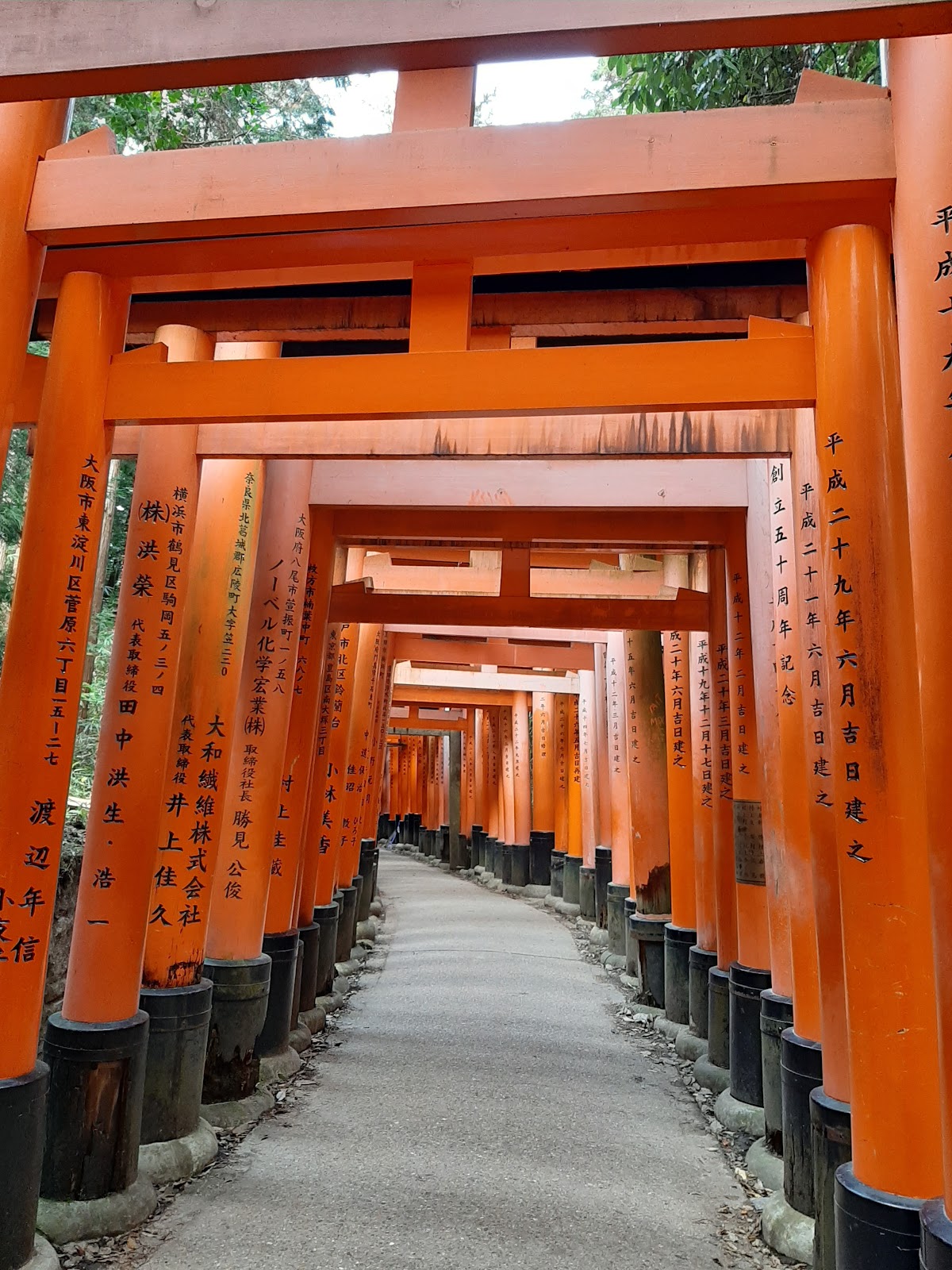
A vermilion torii gate stands at the entrance, and a shrine name marker reading “Fushimi Inari Taisha Temporary Shrine” welcomes visitors. While not as large as the main shrine, the vermilion color, a symbol of Inari worship, adorns the grounds.
Fox Statues
Several stone statues of foxes, considered messengers of Inari Okami (the Inari deity), are enshrined within the grounds. Each holds a key or jewel in its mouth, symbolizing wishes for business prosperity and abundant harvests.
Proper Etiquette for Visiting a Shrine
- Bow before passing through the torii gate: As a sign of respect before entering the sacred area.
- Purify yourself at the water basin: Purify your left hand, right hand, and mouth in that order.
- Bow twice, clap twice, and bow once in front of the main shrine: Follow the basic Shinto rituals.
- Pray quietly: Pray sincerely for things like business prosperity and family safety.
Recommended Time to Visit
- May 3rd (Kankosai Festival): The busiest day. You can observe the portable shrine procession and Shinto rituals.
- Weekday mornings: Recommended for those who wish to worship in peace.
- Cherry blossom season (early April): Enjoy the cherry blossoms along the nearby Kamo River.
Benefits and Faith
Main Benefits
At the Fushimi Inari Taisha Otabisho (temporary shrine), you can receive the same benefits as at the main shrine:
- Business Prosperity: A central benefit of Inari faith.
- Abundant Harvest: Prosperity related to agriculture and food.
- Family Safety: Health and peace for the family.
- Industrial Prosperity: Development and success of businesses.
- Fulfillment of Wishes: Fulfillment of various wishes.
About Goshuin (Shrine Seals)
Goshuin are not usually given out at the Otabisho. Those wishing to receive a Goshuin should obtain it at the Fushimi Inari Taisha shrine office. However, they may be given out specially during the Inari Festival, so it is recommended to check in advance.
Access Information
Location
Address: 98 Nishikujo Ikenouchi-cho, Minami-ku, Kyoto City, Kyoto Prefecture
Access by Train
By JR
- Approximately 10 minutes on foot from JR Nara Line “Toji Station”
- Approximately 20 minutes on foot from JR Kyoto Station (south from Hachijo Exit)
By Kintetsu Train
- Approximately 10 minutes on foot from Kintetsu Kyoto Line “Toji Station”
By Kyoto Municipal Subway
- Approximately 15 minutes on foot from Karasuma Line “Kujo Station”
Access by Bus
- Approximately 5 minutes on foot from the Kyoto Municipal Bus “Oishibashi” bus stop
- Approximately 8 minutes on foot from the Kyoto Municipal Bus “Toji Minamimonmae” bus stop
Access by Car
- Approximately 15 minutes from the Meishin Expressway “Kyoto Minami IC”
- Approximately 10 minutes from the Hanshin Expressway “Kamitoba Exit”
Parking: There is no dedicated parking lot. Please use nearby coin-operated parking lots.
Access from Fushimi Inari Taisha Shrine
It takes approximately 40 minutes on foot or 15 minutes by bicycle from the main shrine to the temporary shrine. A pilgrimage route visiting both is recommended as part of your Kyoto sightseeing.
Nearby Attractions
Toji Temple (Kyo-o-gokoku-ji)
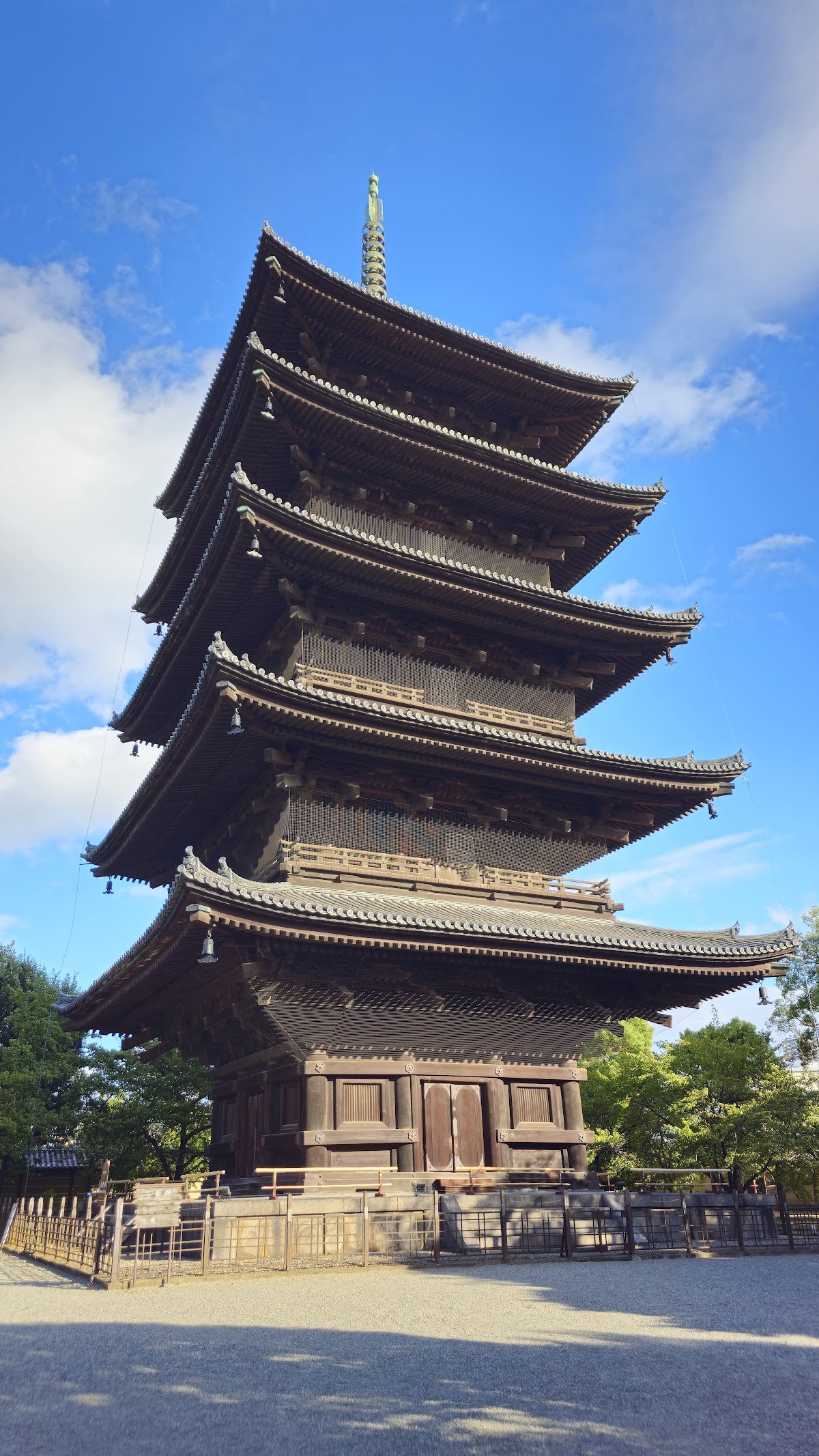
A World Heritage Site located approximately 10 minutes on foot from the temporary shrine. Its five-story pagoda is known as a symbol of Kyoto, and the Kobo-ichi market held on the 21st of each month is bustling with many people.
Kamo River
The Kamo River, flowing east of the temporary shrine, is ideal for strolling and cycling. In spring, the cherry blossom trees create a beautiful Kyoto landscape.
Kyoto Aquarium
An urban aquarium within walking distance of Kyoto Station. A recommended stop for families visiting the shrine.
Points to Note When Visiting
- Visiting Hours: While you can generally visit the shrine grounds freely, please refrain from visiting early in the morning or late at night.
- Photography: Photography is permitted on the grounds, but please be considerate and avoid interfering with religious ceremonies during festivals.
- Dress Code: There are no specific regulations, but please dress appropriately for visiting a shrine.
- Quietness: As the shrine is adjacent to a residential area, please refrain from loud conversations.
Summary
Fushimi Inari Taisha’s Otabisho (temporary shrine) is not as famous as the Senbon Torii (thousand torii gates) of the main shrine, but it is a valuable place where you can feel the deep history and tradition of Inari worship. Especially during the Kankosai (return procession) on May 3rd, you can witness the spectacular sight of five portable shrines gathering.
Its convenient location within walking distance of Kyoto Station is also a major attraction. Visiting it along with Toji Temple and the Kamo River will allow you to fully enjoy Kyoto’s history and nature. This spot is especially recommended for those who want to visit in peace and quiet, and those who want to learn about the profound depths of Inari worship.