Futagoyama Jizo-ji Temple (Hokkaido) Complete Guide | History, Goshuin (Temple Seal), Access, and Temple Cafe: A Thorough Explanation
Nestled in a quiet residential area of Chuo-ku, Sapporo, Hokkaido, Futagoyama Jizo-ji Temple is a Shingon-shu Chizan-ha temple that conveys the history of Sapporo’s development. Its principal image is the “Sapporo Kaitaku Enmei Jizo-son,” known as Sapporo’s oldest stone Buddha, and it has been cherished by the local community. This article comprehensively introduces everything you need to know before visiting Futagoyama Jizo-ji Temple, including its history, highlights, visiting information, popular temple cafe, and access methods.
About Futagoyama Jizo-ji Temple
Futagoyama Jizo-ji Temple belongs to the Shingon-shu Chizan-ha sect, whose head temple is Chishaku-in in Higashiyama Shichijo, Kyoto. As one of the approximately 3,000 Chishaku-in temples nationwide, it plays an important role as a center of Shingon Buddhism in Hokkaido.
The temple’s name, “Futagoyama,” originates from its location in Futagoyama 1-chome, Chuo-ku, Sapporo. This area is known for its rich natural environment, being close to Maruyama Park and Asahiyama Memorial Park.
Temple Characteristics
The most distinctive feature of Futagoyama Jizo-ji Temple is its continued preservation of historically valuable stone Buddha statues, inherited from the Sapporo pioneering era. While fulfilling its role as a traditional temple, it also engages in modern initiatives such as “Temple Cafe Hanare,” making it an open temple easily accessible to people of all ages.
The temple regularly holds various Buddhist services and Goma rituals based on the teachings of Shingon Buddhism. The New Year’s Day Grand Goma Ritual and the daytime Grand Goma Ritual from January 1st to 3rd are particularly popular, attracting many visitors.
History of Futagoyama Jizo-ji Temple
Founding History
Futagoyama Jizo-ji Temple was founded in 1930 (Showa 5). Initially, it was established at 1-19, Odori West, Chuo-ku, Sapporo (the current location of the emergency hospital) by several devout followers, including Mr. Naokichi Ogawa.
From its founding, the temple has enshrined the Sapporo Kaitaku Enmei Jizo-son (Sapporo Development and Longevity Jizo Bodhisattva) as its principal image, beginning its journey as a temple that watches over the development and progress of Sapporo. This Jizo Bodhisattva is a precious stone Buddha that has existed since the Sapporo development era and has been cherished as an object of faith by the pioneers.
Relocation to the Current Location
Later, the temple relocated to its current location at 1-10-12 Futagoyama, Chuo-ku, Sapporo. This relocation allowed the temple to welcome visitors in a quieter and more peaceful environment. The Futagoyama area forms part of the Maruyama district, surrounded by lush green parks and residential areas, making it one of the most pleasant areas in Sapporo.
Connection to Sapporo Development
The Sapporo Kaitaku Enmei Jizo-son, preserved and passed down by Futagoyama Jizo-ji Temple, holds great historical significance as the oldest stone Buddha in Sapporo. From the early Meiji era, when the Hokkaido Development Commission was established, this Jizo Bodhisattva became a spiritual anchor for the pioneers, revered as an object of prayer for the safety and health of people amidst the harsh realities of pioneer life.
During the pioneering days of Hokkaido, the pioneers faced a far harsher natural environment than that of Honshu. In these circumstances, this Jizo statue provided spiritual support to the pioneers and has watched over the development of Sapporo ever since.
Temple Treasure: Sapporo Pioneer Longevity Jizo Statue
Sapporo’s Oldest Stone Buddha
The Sapporo Pioneer Longevity Jizo Statue, the principal image of Futagoyama Jizo-ji Temple, is known as the oldest existing stone Buddha statue in Sapporo. This statue, passed down from the pioneering era, transcends mere religious significance, possessing cultural value as a cultural asset embodying the history of Sapporo itself.
Jizo Bodhisattva is widely worshipped in Buddhism as a bodhisattva who saves all sentient beings, and is particularly believed to grant blessings such as protection for children, safe travel, and longevity. The Sapporo Pioneer Longevity Jizo Statue has also received prayers for many years, serving as an object of faith to protect the lives of the pioneers and grant them longevity.
Passing on the Faith
Even today, many worshippers pray before this Jizo statue, seeking the health and safety of their families and the fulfillment of their wishes. Especially during the New Year’s Goma ritual, the prayer slips imbued with the worshippers’ wishes are carefully blessed, and prayers for peace throughout the year are offered.
About the Shingon-shu Chizan-ha
Characteristics of the Sect
The Shingon-shu Chizan-ha is one of the Shingon sects that boasts a particularly long history and tradition. Its head temple, Chishaku-in, is located in Higashiyama Shichijo, Kyoto, and is a venerable temple dating back to the time of Toyotomi Hideyoshi.
Shingon Buddhism is a sect of esoteric Buddhism founded in the early Heian period by Kobo Daishi Kukai, and is based on the teaching of “instantaneous enlightenment.” It emphasizes esoteric Buddhist rituals such as Goma rituals and blessings, and is widely accepted as a faith that seeks worldly benefits.
Nationwide Network of Branch Temples
The Shingon-shu Chizan-ha sect, with Chishaku-in as its head temple, has approximately 3,000 branch temples throughout Japan. Futagoyama Jizo-ji Temple is one of them, playing a key role as a central temple of the Shingon-shu Chizan-ha sect in Hokkaido. While cherishing its connection with the head temple, it develops activities rooted in the local community.
Annual Events at Futagoyama Jizo-ji Temple
New Year’s Goma Ritual
At Futagoyama Jizo-ji Temple, the New Year’s Day Grand Goma Ritual is solemnly performed every year from midnight on New Year’s Day. This ceremony, held at the moment the new year arrives, is an important event for praying for good health and the fulfillment of wishes throughout the year.
Furthermore, from January 1st to 3rd, the Daytime Grand Goma Ritual is held from 11:00 AM, attracting many worshippers who come to pray for the new year. During the Goma ritual, amulets imbued with the worshippers’ wishes are purified by the Goma flames and carefully blessed by the head priest.
Other Buddhist Services
Throughout the year, various Buddhist services and events are held. In addition to regular services, individual prayers and memorial services are also accepted, supporting the religious lives of local residents.
Temple Cafe Hanare
Fusion of Temple and Cafe
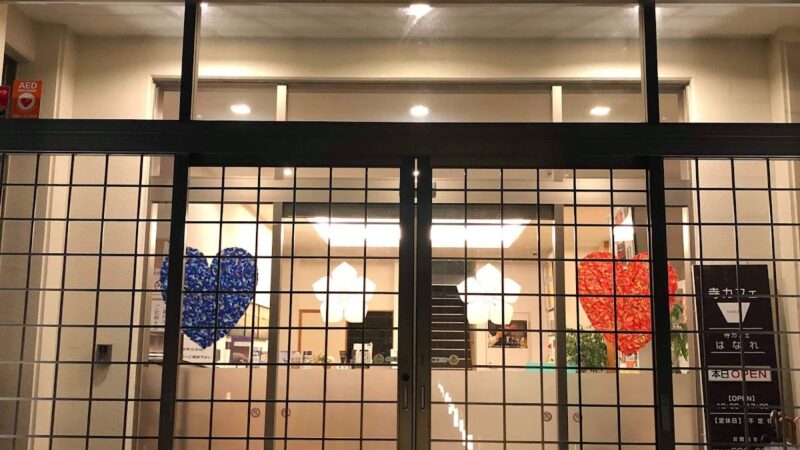
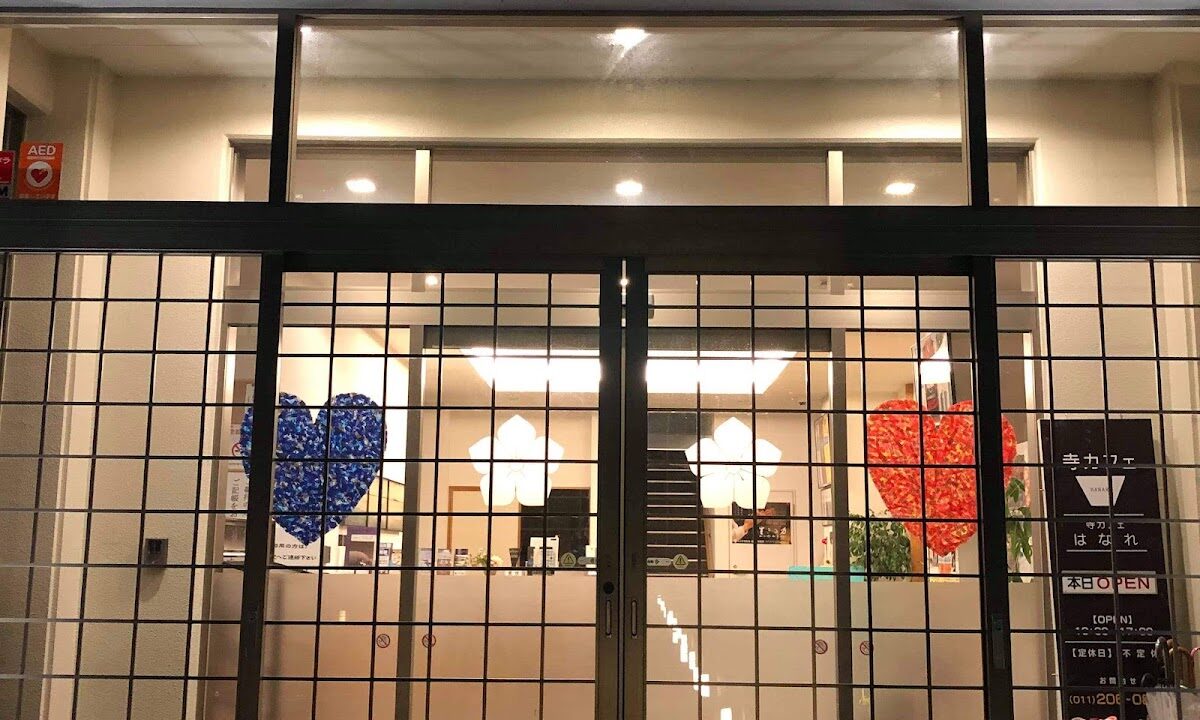
One of the distinctive initiatives of Futagoyama Jizo-ji Temple is “Temple Cafe Hanare.” While being a traditional temple, the addition of a modern cafe space makes it a place where more people can easily visit.
Business Hours
Temple Cafe Hanare is open from 10:00 AM to 5:00 PM, allowing you to spend a relaxing time in the tranquil atmosphere of the temple. You can stop by before or after your visit to enjoy tea and calm your mind.
*Business days and hours may change, so we recommend checking in advance before visiting.
The Charm of the Cafe
The temple cafe is a precious place to escape the hustle and bustle of everyday life and spend time in peace. You can refresh your mind and body in the serene atmosphere unique to a temple. This spot is recommended not only for those interested in Buddhism and temples, but also for those who enjoy visiting cafes.
Goshuin (Temple Seal) Information
Issuance of Goshuin
Futagoyama Jizo-ji Temple offers goshuin. Goshuin are given as proof of visiting a temple, and in recent years, collecting them has become a popular hobby.
The goshuin at Futagoyama Jizo-ji Temple features the temple name and the name of the principal deity written in ink, followed by a red seal. Each one is carefully written, making them cherished mementos of the visit.
Manners When Receiving a Goshuin
When receiving a goshuin, the correct etiquette is to first complete your prayers at the main hall before requesting one. Goshuin are not part of a stamp rally, but rather proof of your visit, so please approach the request with respect.
It is important to bring your goshuin book and wait quietly while the goshuin is being written. Also, a donation is required to receive a Goshuin (temple stamp), so it’s a good idea to have some small change ready.
Access Information
Basic Information
Address: 1-10-12 Futagoyama, Chuo-ku, Sapporo, Hokkaido 064-0946
Phone: 011-561-4991
FAX: 011-512-6505
Access by Subway and Bus
The most convenient way to access Futagoyama Jizo-ji Temple is by combining the subway and JR bus.
Route from Maruyama Park Station
Get off at Maruyama Park Station on the Tozai Subway Line, then take a JR bus.
- Take the Maruyama Loop Bus (Route numbers “En10” and “En11”)
- Or take the Asahiyama Park-mae bound bus (Route number “En13”)
- Get off at the “Sakaigawa” bus stop
- Approximately 5 minutes on foot from the bus stop
It’s about a 9-minute bus ride from Maruyama Park Station, followed by a 5-minute walk.
Route from Nakajima Park Station
Get off at Nakajima Park Station on the Sapporo Municipal Subway Namboku Line, then take the JR Bus Yamahana Line.
- Take the Yamahana Line (Route number “Kei56”) from “Nakajima Park Station”
- Approximately 12 minutes by bus
- Get off at the “Sakaigawa” bus stop
- Approximately 5 minutes on foot from the bus stop
Access by Car
It’s about a 15-20 minute drive from central Sapporo. The Maruyama area has well-maintained roads and is relatively easy to access.
It is recommended to check with the temple in advance regarding parking availability. ### Surrounding Environment
Futagoyama Jizo-ji Temple is located in a quiet residential area close to Maruyama Park and Asahiyama Memorial Park. The surrounding area is rich in nature, allowing visitors to enjoy the scenery of each season. Visiting during the cherry blossom season in spring or the autumn foliage season is especially recommended, especially when combined with a stroll around the area.
Tourist Attractions near Futagoyama Jizo-ji Temple
Maruyama Park
Maruyama Park, located near Futagoyama Jizo-ji Temple, is a beloved cherry blossom viewing spot for Sapporo residents. In spring, approximately 150 cherry trees bloom, attracting many visitors. In the park, which retains natural forest, you may even encounter wild animals such as Hokkaido squirrels.
Hokkaido Shrine
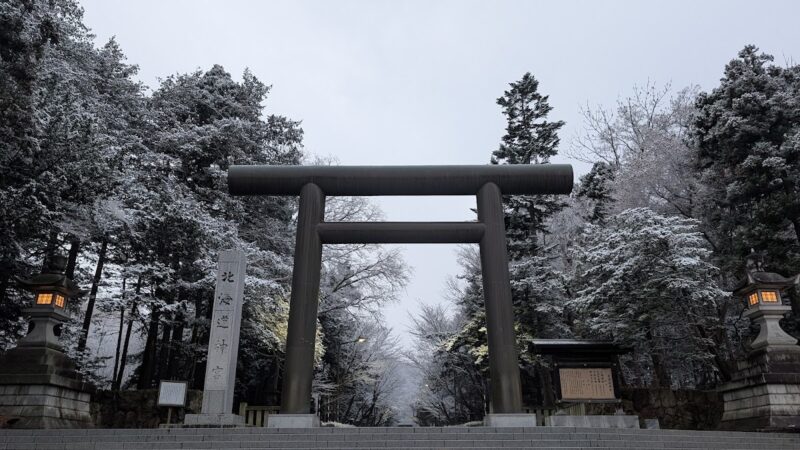
Adjacent to Maruyama Park, Hokkaido Shrine is a prestigious shrine known as the guardian shrine of Hokkaido. The vast grounds are lined with trees hundreds of years old, creating a sacred atmosphere. Many worshippers visit every year for Hatsumode (first shrine visit of the year).
Sapporo Suwa Shrine
Located in the same Chuo Ward as Futagoyama Jizo-ji Temple, Sapporo Suwa Shrine is a beloved local shrine. It enshrines Suwa Okami and is revered as the guardian deity of the region. Many people visit both Futagoyama Jizo-ji Temple and Sapporo Suwa Shrine.
Asahiyama Memorial Park
Asahiyama Memorial Park, with its observation deck offering panoramic views of Sapporo city, is relatively close to Futagoyama Jizo-ji Temple. Its nighttime views are particularly beautiful, making it a popular date spot. During the day, it offers breathtaking views of Sapporo’s cityscape, the Ishikari Plain, and even Ishikari Bay in the distance.
Points to Note and Manners When Visiting
Clothing and Items to Bring
When visiting temples, it is best to wear modest, understated clothing. Especially if attending a memorial service, formal attire is recommended.
If you plan to receive a Goshuin (temple stamp), bring a Goshuincho (stamp book). If you plan to take home amulets or talismans, bring a bag.
Temple Visiting Etiquette
Please behave quietly within the temple grounds and be considerate of other visitors. When taking photographs, check for any areas where photography is prohibited, and obtain permission before photographing inside the main hall, etc.
When visiting the main hall, first bow, then offer a donation, and pray quietly with your hands clasped together. In Shingon Buddhism, you may also chant “Namu Daishi Henjo Kongo.”
Best Time to Visit
Futagoyama Jizo-ji Temple is open year-round, but it is particularly crowded during the New Year’s Goma ritual, the spring and autumn equinoxes, and Obon. For a quiet visit, weekday mornings are recommended.
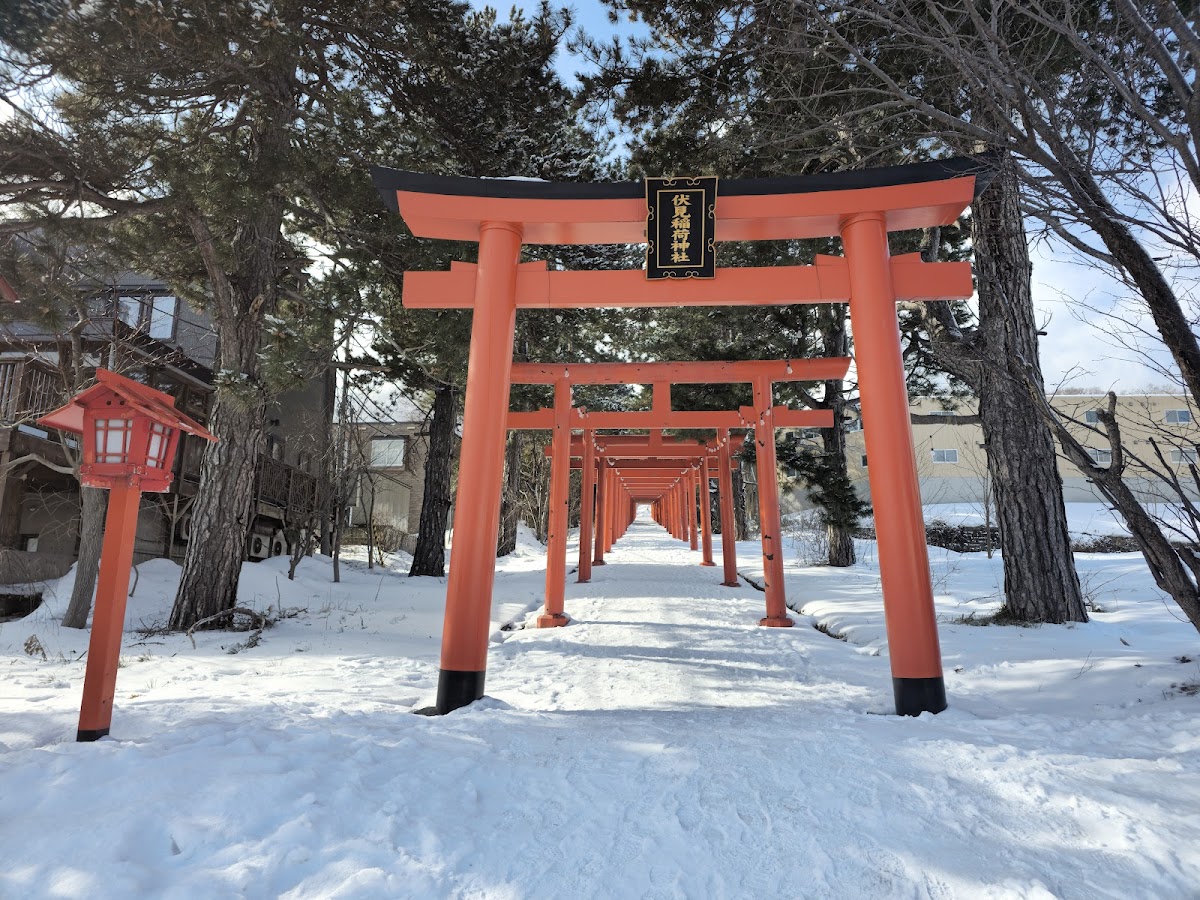
Due to snowfall in Hokkaido during winter, please be careful of your footing and wear non-slip shoes when visiting during the winter months.
The Charm of Futagoyama Jizo-ji Temple
A Space Where History Can Be Heard
The greatest charm of Futagoyama Jizo-ji Temple is that it is a valuable temple that conveys the history of Sapporo’s development to the present day. The Sapporo Kaitaku Enmei Jizo-son, the oldest stone Buddha in Sapporo, has watched over Sapporo’s development from the pioneering era to the present day. Visiting this Jizo statue allows one to reflect on Sapporo’s history.
Harmony of Tradition and Modernity
Futagoyama Jizo-ji Temple is characterized by its respect for traditional Shingon Buddhist ceremonies and Goma rituals, while also engaging in modern initiatives such as a temple café. This commitment to preserving tradition while striving to be an open temple in line with the times has resonated with people of all ages.
Quiet Environment
Located in a quiet residential area, Futagoyama Jizo-ji Temple offers a peaceful environment away from the hustle and bustle of the city. Surrounded by nature, it provides a tranquil space for peaceful worship. It’s an ideal place to escape the busyness of daily life and find time for self-reflection.
Connection with the Community
As a temple deeply rooted in the community, Futagoyama Jizo-ji Temple values its deep connections with local residents. It actively participates in local events and activities, fulfilling its role as a member of the community.
As an open temple visited by a diverse range of people, including not only parishioners and followers but also local residents and tourists, it serves as a spiritual center for the community.
Summary
Futagoyama Jizo-ji Temple is a Shingon-shu Chizan-ha temple that conveys the history of Sapporo’s development to the present day. It enshrines the Sapporo Kaitaku Enmei Jizo-son, the oldest stone Buddha in Sapporo, and has attracted the faith of local people since its founding in 1930.
While cherishing traditional Buddhist ceremonies such as Goma rituals, it also engages in modern initiatives such as a temple cafe, making it an open temple easily accessible to people of all ages. Goshuin (temple stamps) are also available, making it recommended for those collecting Goshuin.
With many attractive tourist spots nearby, such as Maruyama Park, Hokkaido Shrine, and Asahiyama Memorial Park, it is conveniently located for a stop during Sapporo sightseeing. It is also easily accessible from central Sapporo by subway and bus.
If you want to experience Sapporo’s history, find peace in a quiet environment, or are interested in Shingon Buddhist temples, please visit Futagoyama Jizo-ji Temple. The Sapporo Kaitaku Enmei Jizo-son will gently receive your wishes.
When visiting, please check the opening hours and event schedule in advance and observe proper etiquette to ensure a more fulfilling experience. Spend a special moment at Futagoyama Jizo-ji Temple, feeling the history and traditions of Sapporo and finding peace of mind.