Genkoji Temple (Ukyo Ward, Kyoto Prefecture) Complete Guide | History, Goshuin (Temple Seal), Access, and Highlights Explained in Detail
Located in Ukyo Ward, Kyoto Prefecture, Genkoji Temple is a quiet, community-based temple that stands apart from the bustling, famous temples that attract many tourists. This article comprehensively covers everything you need to know before visiting, from the historical background of Genkoji Temple to its highlights, goshuin information, seasonal attractions, and detailed access methods.
Basic Information on Genkoji Temple
Genkoji Temple is a Buddhist temple located in Ukyo Ward, Kyoto Prefecture, with a long history as a center of local faith. Situated in a tranquil environment away from the hustle and bustle of the city center, it is known as a temple beloved by the local people.
Location and Sect
Location: Ukyo-ku, Kyoto Prefecture
Sect: (※For specific sects, we recommend checking on-site or contacting the temple directly.)
Mountain Name: (※For details, please check with the temple.)
While the name Genkoji can be found in various locations throughout Japan, the Genkoji in Ukyo-ku has played a unique role within the historical city of Kyoto.
History and Origin of Genkoji
Background of Founding
Detailed records regarding the founding date and founder of Genkoji are limited, but like many temples in Kyoto, it is believed to have been established with the support of influential local figures and devout believers. The temple name “Genko” embodies the meaning of light and salvation in Buddhism, suggesting that it was expected to serve as a light source guiding sentient beings.
Historical Changes
Many temples in Kyoto have been affected by numerous historical events, such as the Onin War (1467-1477) and the turmoil of the late Edo period. Genkoji Temple is no exception; despite being tossed about by the tides of time, it has a history of surviving as a spiritual pillar of the local community.
Even in modern times, it has continued to function as the family temple and place of worship for local residents, maintaining strong ties with the local community to this day.
Meaning of the Temple Name
The name “Genkoji” is deeply connected to the symbolism of “light” in Buddhist thought. In Buddhism, the wisdom and compassion of the Buddha are often expressed as light, and “Genko” can be interpreted as “the source of light,” that is, the Buddhist teachings themselves. This name embodies the wish that the temple will be a light source of Buddhist teachings in the community, illuminating and guiding people.
Highlights of the Temple Grounds
Main Hall
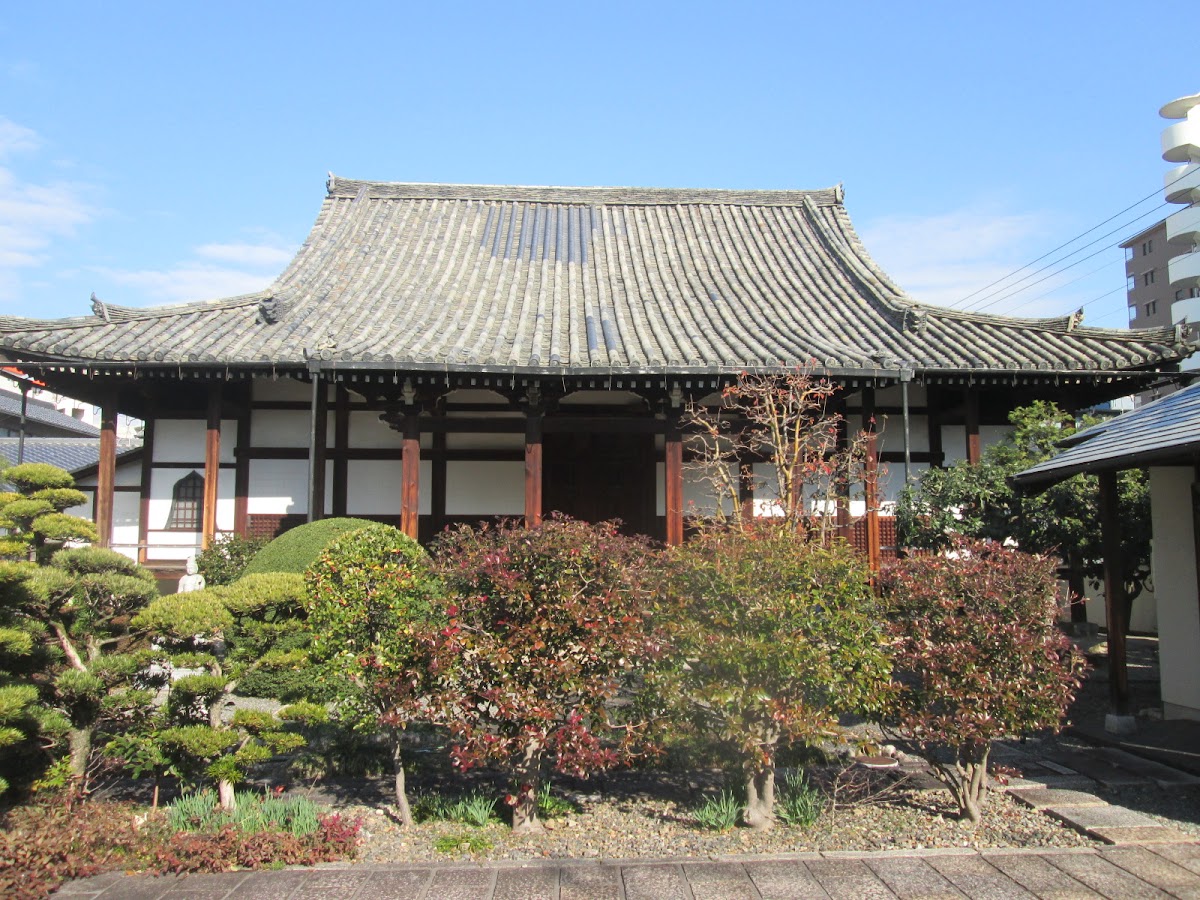
The main hall of Genkoji Temple welcomes visitors as the central building of the temple. Its architectural style and scale reflect the character of a local temple. The principal image is enshrined inside the main hall, and daily services and religious ceremonies are held there.
Atmosphere of the Temple Grounds
Genkoji Temple’s grounds offer a tranquil space, far removed from the hustle and bustle of Kyoto. The well-maintained grounds are planted with seasonal flowers, providing peace and tranquility to visitors. It is characterized by a friendly and calm atmosphere, unlike large tourist temples.
Stone Monuments and Memorials
Like many temples, Genkoji Temple’s grounds may contain stone monuments and memorials that tell the story of its history. These are valuable resources for understanding the temple’s history and its connection to the local community.
Information on Goshuin (Temple Seals)
Regarding the Issuance of Goshuin
For information on whether Goshuin are available at Genkoji Temple and other details, we recommend contacting the temple directly in advance. Smaller temples may not always offer Goshuin, or may only offer them on specific dates and times.
Manners for Receiving a Goshuin (Temple Stamp)
When receiving a Goshuin, please observe the following manners:
- First, pay your respects at the main hall before receiving the Goshuin.
- Carefully present your Goshuincho (stamp book).
- Prepare an appropriate offering (generally 300-500 yen).
- Wait quietly while the stamp is being written.
- Remember to express your gratitude.
Remember that a Goshuin is not merely a commemorative stamp, but proof of your visit. Receive it with respect.
Annual Events and Memorial Services
Regular Memorial Services
It is believed that Genkoji Temple, as a temple serving its parishioners, holds regular memorial services. The main annual events held at typical temples include:
- Shōshō-e (January): New Year’s memorial service
- Haru Higan-e (March): Spring equinox memorial service
- Urabon-e (August): Obon memorial service
- Aki Higan-e (September): Autumn equinox memorial service
- Joya no Kane (December 31st): New Year’s Eve event
For specific dates and whether public participation is permitted, please contact the temple directly.
Special Events
Some temples hold their own special events, such as the founder’s memorial service or the principal image’s festival day. Temples with strong ties to the local community may also hold events in conjunction with local events.
Seasonal Charms
Genkōji Temple in Spring
In spring, the temple grounds are adorned with cherry blossoms and plum blossoms, and the fresh greenery is beautiful. While not on the scale of Kyoto’s famous cherry blossom spots, it offers a peaceful space where you can quietly feel the arrival of spring. ### Genkoji Temple in Summer
In summer, the lush green grounds create a refreshing atmosphere. Visiting the temple while listening to the cicadas evokes the essence of summer in Kyoto.
Genkoji Temple in Autumn
In autumn, the temple grounds are adorned with vibrant autumn leaves. Unlike famous autumn foliage spots, it’s not crowded, allowing you to enjoy the autumn colors at your leisure.
Genkoji Temple in Winter
The temple grounds, enveloped in the silence of winter, exude an even more solemn atmosphere. The beauty of the snow-covered grounds is exceptional.
Access Information
Access by Public Transportation
Ukyo Ward is located in the western part of Kyoto City and is accessible by public transportation. The specific nearest station or bus stop varies depending on the exact location of the temple.
Main Transportation Options:
- Kyoto City Bus: Numerous bus routes operate within Ukyo Ward.
- Arashiyama Electric Railway (Keifuku Electric Railway): The main mode of transportation in Ukyo Ward.
- JR Sagano Line: A railway line that passes through Ukyo Ward.
- Hankyu Kyoto Line: Stations such as Katsura Station are located within Ukyo Ward.
Access by Car
If visiting by private car, access is possible from major roads within Kyoto City. However, it is recommended to check the availability of parking in advance.
Major Roads:
- National Route 9 (Gojo-dori)
- Nishioji-dori
- Marutamachi-dori
Access from Major Nearby Spots
Ukyo Ward has many tourist attractions:
- Arashiyama Area: Togetsukyo Bridge, Tenryu-ji Temple, etc.
- Uzumasa Area: Toei Uzumasa Movie Village, Koryu-ji Temple, etc.
- Ninna-ji Temple Area: Ninna-ji Temple, Ryoan-ji Temple, etc.
It is also possible to visit these tourist spots in conjunction with Ukyo Ward. ## Manners and Precautions for Visiting Temples
Basic Manners for Visiting Temples
When visiting a temple, please observe the following basic manners:
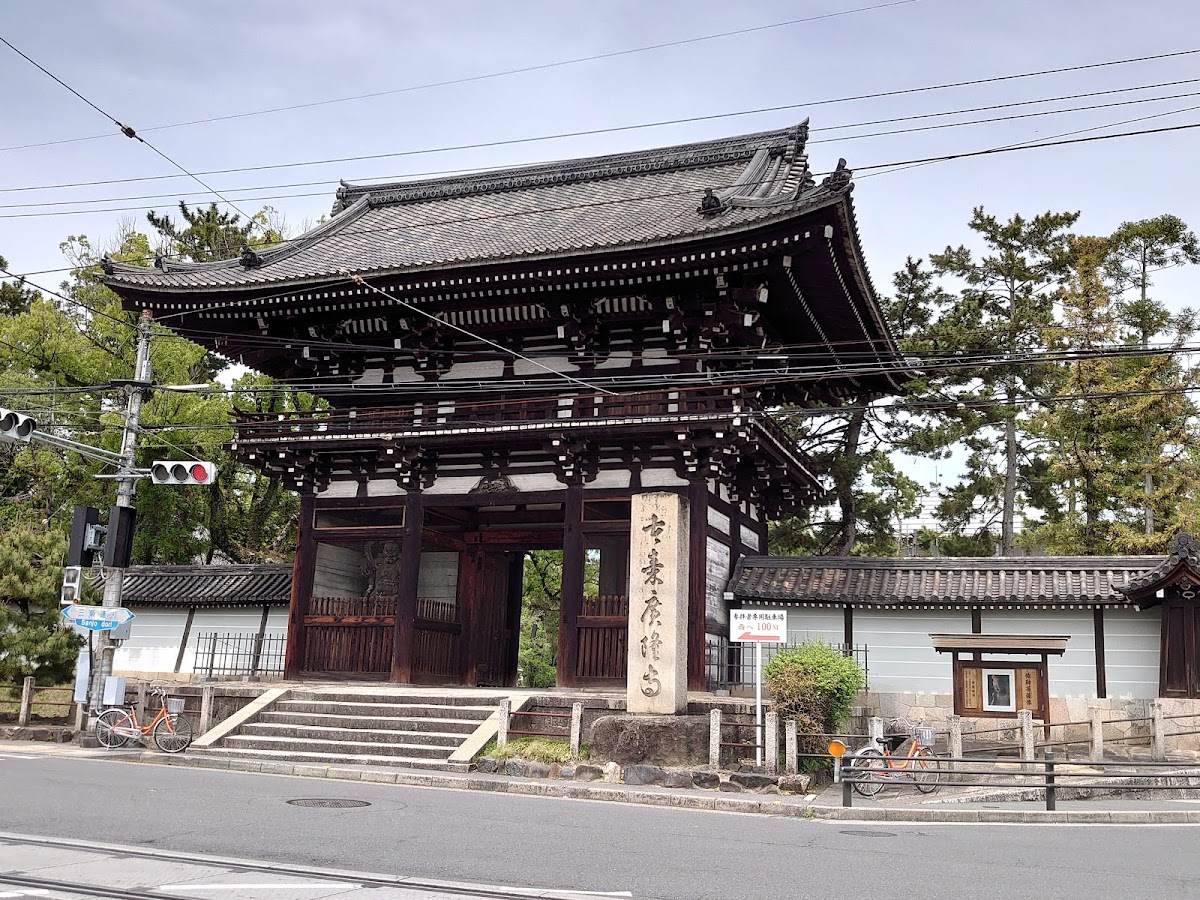
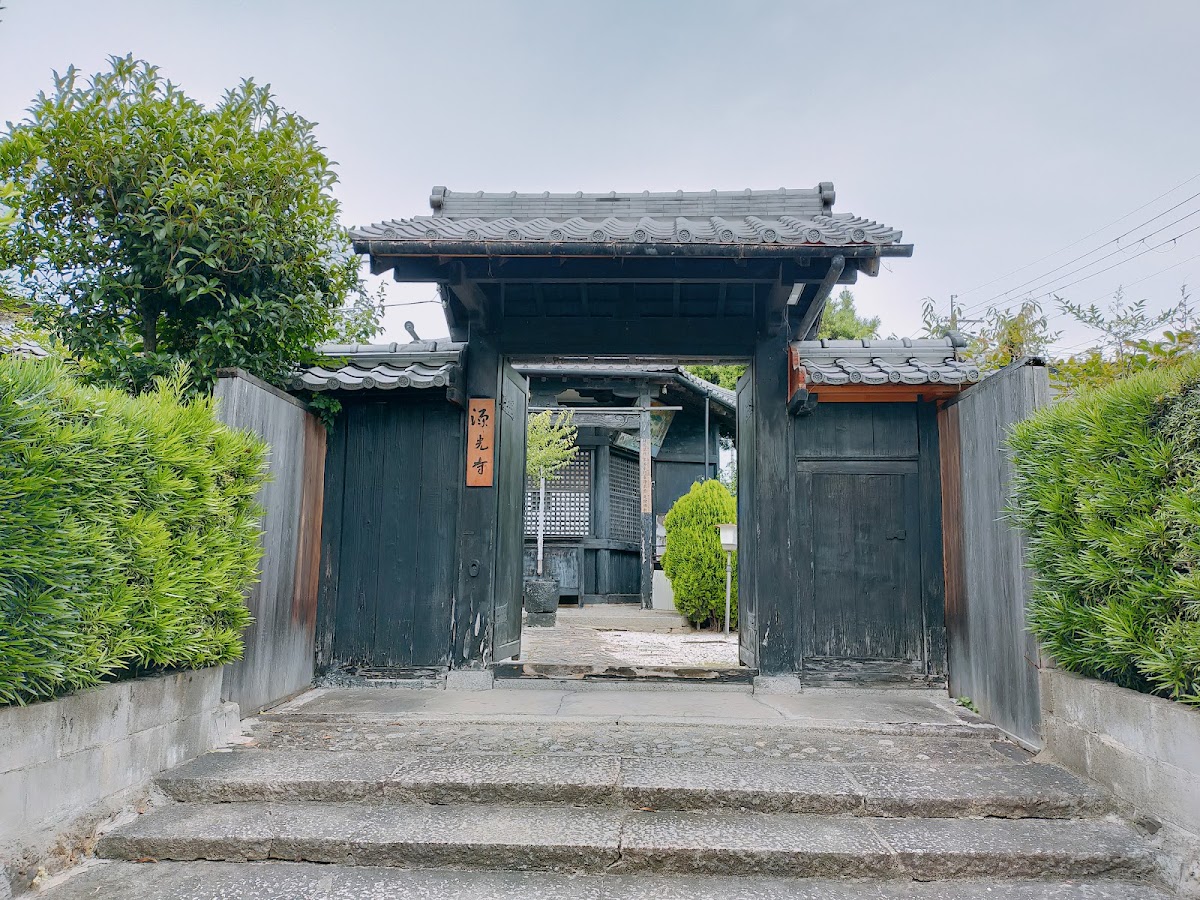
- Bow at the Temple Gate: Bow before entering the temple grounds.
- Be Quiet: Keep loud conversations to a minimum.
- Photography: Take photos only in permitted areas.
- Worship at the Main Hall: Remove your hat, straighten your posture, and clasp your hands together in prayer.
- Offering Money: Offer your money quietly and respectfully.
Clothing
There are no specific dress code requirements, but keeping in mind that a temple is a religious facility, it is advisable to avoid overly revealing clothing.
Photography
Regarding photography on the temple grounds, rules vary from temple to temple. Photography inside the main hall and of Buddha statues is usually prohibited, so please check in advance or follow any posted notices.
Nearby Tourist Attractions
Major Temples and Shrines in Ukyo Ward
When visiting Genkoji Temple, you can also visit other nearby temples and shrines:
World Heritage Sites:
- Tenryuji Temple: The head temple of the Rinzai sect, a representative temple of Arashiyama
- Ninnaji Temple: The head temple of the Omuro branch of Shingon Buddhism, famous for its Omuro cherry blossoms
- Ryoanji Temple: A Zen temple known worldwide for its rock garden
Other Famous Temples:
- Koryuji Temple: One of Kyoto’s oldest temples, home to the national treasure, the Miroku Bosatsu Hanka Shiizo (Maitreya Bodhisattva in a contemplative pose)
- Daikakuji Temple: A former imperial villa of Emperor Saga converted into a temple
- Seiryoji Temple: Affectionately known as Saga Shakado
Arashiyama Area
Arashiyama, a representative tourist destination in Ukyo Ward, attracts many tourists throughout the year:
- Togetsukyo Bridge: A symbol of Arashiyama
- Bamboo Grove Path: A fantastical path through a bamboo forest
- Trolley Train: Enjoy the scenery along the Hozugawa River
Uzumasa Area
Don’t miss Uzumasa, the town of movies and history:
- Toei Uzumasa Movie Village: A theme park for period dramas
- Kono-Yashiro Shrine (Kijima-za Amaterasu Mitama Shrine): An ancient shrine known for its three-pillar torii gate
Recommended Plan for Visiting Genkoji Temple
Half-Day Course
Morning:
- 9:00 Visit Genkoji Temple (30 minutes)
- 10:00 Visit nearby temples and shrines
- 12:00 Lunch in Ukyo Ward
Full-Day Course
Morning:
- 9:00 Visit Genkoji Temple
- 10:00 Move to Arashiyama Area
- 11:00 Visit Tenryuji Temple
- 12:00 Lunch in Arashiyama
Afternoon:
- 1:30 PM Stroll through the Bamboo Grove
- 2:30 PM Stroll around Togetsukyo Bridge
- 4:00 PM Visit Ninna-ji Temple or Ryoan-ji Temple
Recommended Visiting Times by Season
- Spring (Late March – April): Cherry blossom season, mild and pleasant weather
- Autumn (November): Beautiful autumn foliage season
- Summer/Winter: Relatively few tourists, allowing for peaceful worship
History and Culture of Ukyo Ward
Origins of Ukyo Ward
Ukyo Ward is one of the 11 wards that make up Kyoto City, located in the western part of the city. It corresponds to the area called Ukyo in ancient Heian-kyo and has a long history. The current Ukyo Ward was established in 1931 (Showa 6) when the ward system was implemented.
Cultural Characteristics
Ukyo Ward has the following cultural characteristics:
- The natural beauty of Sagano and Arashiyama: A long-standing villa area for the aristocracy
- The film culture of Uzumasa: A sacred place for Japanese cinema
- Numerous World Heritage Sites: Tenryu-ji Temple, Ninna-ji Temple, Ryoan-ji Temple, etc.
- Traditional crafts: A production center for Kyo-Yuzen dyeing, Kyo-yaki pottery, etc.
Local Beliefs
Ukyo Ward is dotted with temples and shrines of all sizes, each serving as a center of local faith. Genko-ji Temple is one such local temple, serving as a spiritual pillar for its parishioners and local residents.
Summary of Visiting Information
Basic Information
- Temple Name: Genkoji Temple
- Location: Ukyo-ku, Kyoto Prefecture
- Sect: (To be confirmed)
- Visiting Hours: (To be confirmed)
- Admission Fee: (To be confirmed)
- Parking: (To be confirmed)
- Inquiries: (Please contact the temple directly)
Things to Check Before Visiting
Before visiting Genkoji Temple, we recommend checking the following points:
- Visiting Availability: If it is a temple for parishioners, general admission may not be available.
- Visiting Hours: It is best to check in advance.
- Event Schedule: There may be days when the temple is closed due to memorial services, etc.
- Goshuin (Temple Stamp) Availability: Check whether stamps are available and the times.
- Access Method: Check the latest transportation information.
Deepening Your Temple Visit Experience in Kyoto
Significance of Temple Visits
Visiting a temple has meaning beyond mere sightseeing. The time spent calming the mind in the tranquil temple grounds, stepping away from daily life to reflect on oneself, is a precious experience in modern society.
Kyoto’s Temple Culture
Kyoto is said to have approximately 1,600 temples, each with its own unique history and characteristics. Not only famous grand temples, but also local temples like Genkoji Temple have their own stories.
Continuous Learning
Through temple visits, you can learn about Buddhist teachings and Japanese history and culture. Understanding deepens not just with a single visit, but by revisiting in different seasons or visiting related temples.
Summary: The Charm of Genkoji Temple
Genkoji Temple is a local temple located in Ukyo Ward, Kyoto Prefecture. While it may lack the glamour of tourist temples, you can experience the true essence of a temple in its quiet and peaceful atmosphere.
When visiting Ukyo Ward, why not visit these local temples in addition to the famous tourist spots? A different side of Kyoto awaits you there.
Before visiting, please be sure to check the latest information and observe the temple’s rules and etiquette to ensure a peaceful and respectful visit. We hope your time at Genkoji Temple will be a time of peace and tranquility.
Important Note: The information in this article is based on general temple information. For details specific to Genkoji Temple, please contact the temple directly or check official sources before your visit. Visiting hours, admission fees, and event schedules are subject to change.