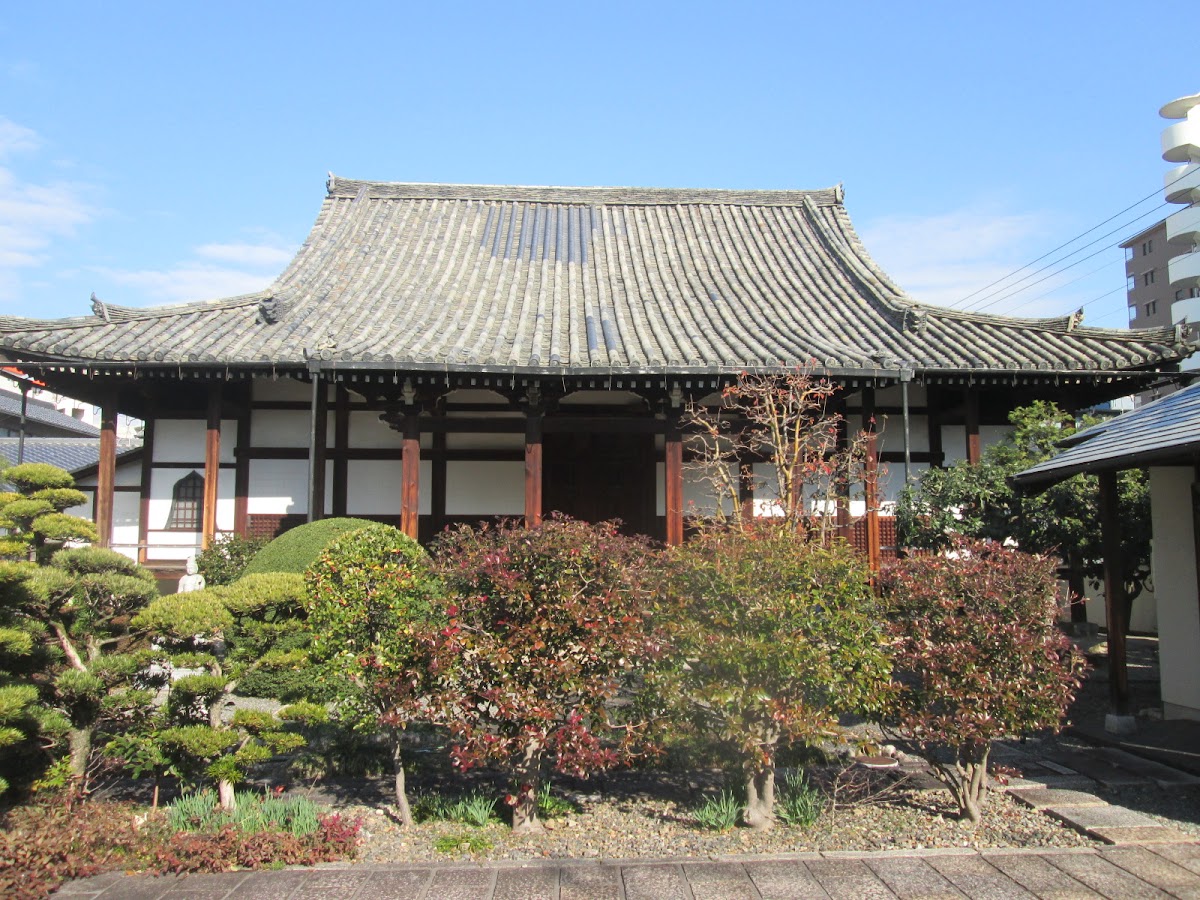
Complete Guide to Gosho Shrines: A Thorough Explanation of History, Benefits, Access, and Goshuin Information
There are several shrines called “Gosho Shrines” throughout Japan, each with its own unique history and beliefs. This article provides a detailed explanation of the historical background, benefits, access methods, and goshuin information for the shrines mainly around Gosho City, Nara Prefecture, and the Gosho Shrine in Awa City, Tokushima Prefecture.
What are Gosho Shrines?
The name “Gosho Shrine” often originates from the word “Gosho,” which is related to the Emperor and the Imperial family, and is given to shrines that have historically had deep ties to the Imperial family. Gosho Shrines scattered throughout Japan each have different histories and enshrined deities, and have been cherished as centers of local faith.
Locations of Major Gosho Shrines
In Gosho City, Nara Prefecture, there are not only shrines named Gosho Shrine, but also many other ancient and historically significant shrines such as Katsuragi Hitokotonushi Shrine, Takamahiko Shrine, Kamotsuba Shrine, and Katsuragi Mitoshi Shrine. The name Gosho City itself is said to originate from the fact that there was once an imperial temporary palace here, and the entire region has been revered as a sacred place.
In Donari-cho, Awa City, Tokushima Prefecture stands the Gosho Shrine, associated with Emperor Tsuchimikado. This shrine is deeply connected to the historical circumstances of the early Kamakura period and is a valuable presence that conveys the history of the Imperial family to the present day.
Gosho Shrine in Awa City, Tokushima Prefecture
History and Origin
The Gosho Shrine, located in Shiigamaru, Suita, Donari-cho, Awa City, Tokushima Prefecture, has a deep history related to the Jokyu War (1221) in the early Kamakura period. The name of this shrine is derived from the temporary palace (angu: temporary imperial residence) established for Emperor Tsuchimikado, who moved from Tosa to Awa.
Originally, there was a shrine called “Fukikoshi Shrine” or “Fukikoshi Tenno Shrine” in this area. In 1957 (Showa 32), the Gosho Shrine, located in Yoshida Goshoyashiki, Donari-cho, was merged with the current shrine, and its name was changed to the present “Gosho Shrine.” This merger unified the worship of Emperor Tsuchimikado with the worship of the local tutelary deity.
Deities and Benefits
The main deities enshrined at Gosho Shrine are as follows:
- Susanoo-no-Mikoto: Benefits of protection against misfortune, eradication of disease, and safety of the family
- Emperor Tsuchimikado: Benefits of the safety of the Imperial family and national peace
Susanoo-no-Mikoto is known in Japanese mythology as a heroic god who defeated Yamata-no-Orochi, and is widely worshipped as a god of protection against misfortune and disaster. Emperor Tsuchimikado has been deeply revered by the local people due to his historical background of relocating to this area after the Jokyu War.
The Relationship Between Emperor Tsuchimikado and Awa Province
Emperor Tsuchimikado (1196-1231) was born as the eldest son of Emperor Go-Toba. While his father, Emperor Go-Toba, raised an army against the Kamakura Shogunate during the Jōkyū War, the Emperor himself did not directly participate in the conflict. However, due to the consequences following the war, he voluntarily opted for exile to Tosa Province (present-day Kochi Prefecture).
Later, he was moved to Awa Province (present-day Tokushima Prefecture), where he is said to have died. The site of Emperor Tsuchimikado’s temporary palace is called “Goshoyashiki,” and Gosho Shrine was built to commemorate it.
Access Information
Location: 6 Shiigamaru, Suita, Donari-cho, Awa City, Tokushima Prefecture
Access Method:
- Approximately 15 minutes by car from JR Tokushima Line “Kamojima Station”
- Approximately 10 minutes by car from Tokushima Expressway “Donari IC”
- For public transport, taking a taxi from Kamojima Station is convenient.
Parking: Parking space for visitors is available on the shrine grounds.
For phone numbers and inquiries, please contact the Awa City Tourism Association (Tel: 0883-35-4211).
Highlights of the Shrine Grounds
The shrine’s history is displayed on the grounds, allowing visitors to learn about its historical changes from the time it was called Fukiage Tenno Shrine. The details of the shrine’s relocation during the Showa era are also described, making it a valuable resource for learning about local history.
Nestled in a quiet mountain valley, Gosho Shrine is enveloped in a solemn atmosphere that conveys the weight of history. As the guardian deity of the region, it continues to attract the faith of local people.
Major Shrines in and around Gose City, Nara Prefecture
Gose City in Nara Prefecture, one of the centers of ancient Yamato, is home to numerous historically significant shrines. It is said that during the Nara period, approximately 1200 years ago, there was a settlement called “Gose Village,” and a shrine named Gose Shrine served as its tutelary deity.
Katsuragi Hitokotonushi Shrine
Features: Famous as the “god who grants one wish,” it is believed to grant a single wish.
Deity: Katsuragi no Hitokotonushi no Okami
Benefits: Fulfillment of wishes, good fortune, business prosperity
Highlights: A giant ginkgo tree, said to be over 1200 years old, stands here, offering beautiful autumn foliage.
Takamahiko Shrine
Features: Located on the legendary site of Takamagahara, the setting of the Takamagahara myth, it is one of the oldest shrines in the Katsuragi region.
Deity: Takamimusubi-no-kami
Benefits: Matchmaking, family safety, abundant harvests
Highlights: The cedar grove within the shrine grounds creates a mystical atmosphere, conveying ancient beliefs to the present day.
Kamotsuba Shrine
Features: A shrine that has been worshipped since ancient times as the tutelary deity of the Kamo clan, and has deep connections with Shimogamo Shrine and Kamigamo Shrine.
Deities Enshrined: Tsuwayaekotoshiro-nushi-no-mikoto, Shitateruhime-no-mikoto
Benefits: Business prosperity, increased wealth, family safety
Highlights: The “Plum Blossom Festival,” held every July, is a beloved summer tradition in the region.
Katsuragi Mitoshi Shrine
Features: Considered the head shrine of all Mitoshi shrines nationwide, it has been revered since ancient times as the god of abundant harvests.
Deity Enshrined: Mitoshi-no-kami
Benefits: Abundant harvests, business prosperity, family safety
Highlights: The shrine grounds are lined with centuries-old giant trees, creating a sacred atmosphere.
Takakamo Shrine
Features: The head shrine of all Kamo Shrines (Kamo Shrines) nationwide, and considered one of the oldest shrines in Japan.
Deity: Ajisukitakahikone-no-kami
Benefits: Family safety, protection from evil, matchmaking
Highlights: Yayoi period ruins have been discovered on the shrine grounds, proving its status as a sacred site since ancient times.
Shrine Pilgrimage Course in Gose City
Katsuragi Road
The “Katsuragi Road,” a route that visits ancient shrines scattered at the foot of Mt. Katsuragi, is a popular route for history buffs and shrine enthusiasts. You can walk from Takamahiko Shrine to Katsuragi Hitokotonushi Shrine, Takakamo Shrine, and others, enjoying a stroll while experiencing the atmosphere of ancient times.
Recommended Route:
- Takakamo Shrine (Kamogami)
- Takamahiko Shrine (Takama)
- Katsuragi Hitokotonushi Shrine (Moriwaki)
The estimated time is approximately 3-4 hours on foot. Enjoy the changing seasons and experience the history of ancient Yamato firsthand.
Kose Road
This course visits historical sites associated with the ancient Kose clan, such as Kose Yamaguchi Shrine and the ruins of Kose Temple. You can learn about the history from the Nara period to the Heian period.
Akitsushima Road
This route visits the legendary sites of “Akitsushima,” which appears in the Kojiki and Nihon Shoki, allowing you to experience the creation myths of Japan.
Wakigami Road
This course visits shrines and burial mounds in the Wakigami region, allowing you to explore the history of this area, which was one of the political centers of ancient Yamato.
Goshomachi
Goshomachi, where townhouses from the Edo period to the early Showa period remain, is a charming townscape lined with traditional buildings. You can enjoy a stroll through the historical townscape in conjunction with visiting shrines.
Goshuin (Shrine Stamp) Information
How to Obtain a Goshuin
You can obtain a Goshuin at major shrines around Gosho City. However, it is recommended to check in advance, as some shrines may not have a resident priest.
Goshuin are available at major shrines around Gosho City. Manners for Receiving a Goshuin (Shrine/Temple Stamp):
- Go to the Goshuin office after completing your prayers.
- Open your Goshuin book and hand it over.
- Prepare the offering fee (usually 300-500 yen).
- Express your gratitude politely.
Popular Goshuin
Katsuragi Hitokotonushi Shrine: A popular Goshuin featuring the powerfully written character “Hitokoton” (meaning “one word”).
Takakamo Shrine: A Goshuin that conveys the prestige of being the head shrine of all Kamo shrines nationwide.
Katsuragi Mitoshi Shrine: A Goshuin with a gentle calligraphy style befitting a god of abundant harvests.
Best Season for Visiting
Spring (March-May)
During cherry blossom season, you can enjoy beautiful cherry blossoms in the shrine grounds and along the Katsuragi road. The best time to see them is especially from early to mid-April. Visiting in the fresh green season is also pleasant.
Summer (June-August)
The Plum Blossom Festival at Kamotsuba Shrine in July is a must-see. While the summer heat is intense, early morning or evening visits are recommended.
Autumn (September-November)
The Katsuragi Road is at its most beautiful during the autumn foliage season. Especially from mid- to late November, the ginkgo trees at Katsuragi Hitokotonushi Shrine shine golden.
Winter (December-February)
The shrine is bustling with many visitors during the New Year’s pilgrimage. Visiting amidst the quiet snowscape is also a charming experience.
Nearby Tourist Spots
Senshukuji Temple
Known as the 24th temple on the Kansai Flower Temple pilgrimage route, this temple boasts beautiful flowers throughout the seasons. The autumn foliage is particularly spectacular.
Mount Kongo
Mount Kongo, at an elevation of 1,125m, is the main peak of the Katsuragi mountain range. Enjoy stunning views from the mountaintop while hiking and climbing.
Katsuragi Ancient Road
This ancient road evokes a sense of history from ancient times, allowing you to walk through tranquil rural landscapes.
Access Information (Gose City, Nara Prefecture)
Public Transportation
Train:
- Get off at Gose Station on the Kintetsu Gose Line
- Get off at Gose Station on the JR Wakayama Line
From the station, take a bus or taxi to each shrine. If you are touring the Katsuragi Road, it is convenient to take a bus from Kintetsu Gose Station or JR Gose Station to the Kaze no Mori bus stop.
Bus:
- Nara Kotsu buses operate routes to major shrines.
- However, the number of buses is limited, so it is necessary to check the timetable in advance.
Car
Expressway:
- Approximately 15 minutes from the Minami-Hanna Expressway “Katsuragi IC”
- Approximately 20 minutes from the Nishi-Meihan Expressway “Kashiba IC”
Parking is available at each shrine, but popular shrines such as Katsuragi Hitokotonushi Shrine may be crowded on holidays and during festivals.
Notes on Visiting Shrines
Attire
When visiting shrines, clean and subdued attire is desirable. If walking along the Katsuragi path, choose comfortable shoes and clothing that allows for easy movement.
Photography Etiquette
Photography is generally permitted within the shrine grounds, but photography inside the main hall or during festivals may be prohibited. Always check before taking pictures.
Proper Worship Etiquette
- Bow before passing through the torii gate
- Cleanse your hands and mouth at the water basin
- Perform “two bows, two claps, one bow” in front of the main hall
- Bow again at the torii gate when leaving
Contact Information
About Shrines in Gose City, Nara Prefecture
Gose City Tourism Association
- Phone Number: 0745-62-3346
- Address: 1-3 Gose City, Nara Prefecture (Inside Gose City Hall)
Nara Prefecture Shrine Association
- Phone Number: 0742-22-0001
- Provides detailed information on each shrine
About Gose Shrine in Awa City, Tokushima Prefecture
Awa City Tourism Association
- Phone Number: 0883-35-4211
- Address: 129 Kannon, Kirihata, Ichiba-cho, Awa City, Tokushima Prefecture
Summary
Shrines bearing the name “Gosho Shrine” each possess their own unique history and beliefs, and have been cherished by the local people. The Gosho Shrine in Awa City, Tokushima Prefecture, preserves the history associated with Emperor Tsuchimikado, while the group of shrines around Gosho City, Nara Prefecture, remains a center of ancient Yamato faith, welcoming many worshippers even today.
Including the history of shrine relocations and mergers that took place during the Showa era, these shrines are invaluable resources that convey Japanese history and culture. By making inquiries by phone and gathering information beforehand, and planning your visit accordingly, you can gain a deeper understanding and a greater sense of awe.
Why not visit a Gosho Shrine, where ancient faiths still thrive, and experience the romance of history and the sacred atmosphere firsthand? Along with the beautiful nature of the four seasons, it will surely be a memorable pilgrimage experience.