Hachimangu Shrine (Furumi, Tottori City, Tottori Prefecture) Complete Guide: From History and Origins to Visiting Information
Hachimangu Shrine, located in Furumi, Tottori City, Tottori Prefecture, is a historic shrine that was relocated to its current location after the turbulent Sengoku period (Warring States period). Deeply involved in the historical event of Hashiba Hideyoshi’s siege of Tottori Castle, and boasting a tumultuous history of destruction by fire and subsequent reconstruction, this shrine remains a center of local faith and is cherished by many. This article comprehensively introduces all the information you need to know before visiting, from the detailed history of Hachimangu Shrine, its enshrined deities, highlights within the grounds, to visiting information.
Basic Information on Hachimangu Shrine
Location and Access
Location: Furumi, Tottori City, Tottori Prefecture
Hachimangu Shrine is located in the Furumi district of Tottori City. Furumi is located east of the city center, and its postal code is 680-0921. The surrounding area is a rural landscape, and the shrine stands quietly in this environment.
Phone Number: Please contact the Tottori Prefectural Shrine Association (TEL: 0857-24-7699).
Access
Public Transportation:
- Approximately 5 minutes on foot from the nearest bus stop, “Furumi”
- Approximately 20 minutes by bus from Tottori Station
- Nearby bus stops include “Nokyo-mae (Midorioka, Tottori City)”, “Oide”, and “Togoguchi”
By Car:
- Approximately 15 minutes from central Tottori City via Prefectural Road 293
- We recommend checking parking availability in advance.
Jurisdiction and Contact Information
Hachimangu Shrine belongs to the Tottori Prefectural Shrine Association and is managed as a shrine in the Tottori region. Detailed information regarding worship and festivals can be found on the official website of the Tottori Prefectural Shrine Association.
Furthermore, the Furumi area has a Furumi Police Station (under the jurisdiction of the Tottori Prefectural Police Headquarters) which maintains local safety. The police station’s telephone number is 0857-32-0110 (main number), and the fax number is 0857-32-0115.
History and Origins of Hachiman Shrine
Founding and Ancient History
While the exact founding date of Hachiman Shrine is not known, it has long been revered as a central shrine of Hachiman worship in Inaba Province (present-day eastern Tottori Prefecture). Hachiman, whose principal deity is Emperor Ojin, is a god worshipped nationwide as the god of military fortune and national protection.
Furuumi Hachiman Shrine was also deeply revered as a guardian deity of the region and by samurai families, including the lord of Tottori Castle and other warlords.
Turbulent Times of the Sengoku Period: Kikkawa Tsuneie and Hashiba Hideyoshi
The most important turning point in the history of Hachiman Shrine was the event of Tensho 9 (1581).
Reverence by Kikkawa Tsuneie
In 1581 (Tensho 9), during the time when Kikkawa Tsuneie, a vassal of the Mori clan, was the lord of Tottori Castle, he particularly revered Hachiman Shrine and dedicated ritual objects to it. This is thought to have been a prayer for the protection of Tottori Castle and victory in battle.
Hashiba Hideyoshi’s Attack on Tottori Castle
In June of the same year, Hashiba Hideyoshi (later Toyotomi Hideyoshi), acting on orders from Oda Nobunaga, began his attack on Tottori Castle. During this time, Hideyoshi set up camp on Hachiman Mountain. Hachiman Mountain was the mountain where Hachiman Shrine was located and was also a strategically important military point.
Evacuation of the Divine Spirit and Destruction of the Shrine
With Hideyoshi’s army encamped on Hachiman Mountain, the Shinto priest, Kiribayashi Asahi-dayu, evacuated the divine spirit (sacred object) into Tottori Castle, and then fled to Iwai District (present-day Iwami District) to escape the flames of war. During this conflict, the Hachiman Shrine’s main hall was destroyed by fire.
This siege of Tottori Castle, known as the “Starvation of Tottori,” was a brutal siege that starved the defenders. The situation inside the castle was dire, and ultimately, Kikkawa Tsuneie committed suicide in exchange for the lives of his soldiers.
Reconstruction and Relocation in the Edo Period
Construction of the Shrine in 1617
The shrine, lost in the war, was not rebuilt for some time. However, in 1617 (Genna 3), during the early Edo period, reconstruction was finally realized.
The new shrine was built on the current site, which was formerly the Otabisho (a resting place and temporary enshrinement site during the procession of the portable shrine) during the Gokosai festival. The divine spirit of Hachiman Shrine was enshrined here, establishing its current location.
This relocation is not merely a change of location; it is believed to have symbolized a fresh start as a place of worship deeply rooted in the local community, after the turmoil of the Sengoku period.
Name Changes and Restoration During the Meiji Era
After the Meiji Restoration, there were significant changes to the shrine system.
- 1868 (Meiji 1): Name changed from Hachiman-gu to “Furumi-sha”
- 1874 (Meiji 7): Name changed to “Furumi-jinja”
- 1883 (Meiji 16): Reverted to the original name “Hachiman-gu”
This series of name changes was influenced by the Meiji government’s shrine policies, but the fact that it ultimately returned to the name “Hachiman-gu,” which had been familiar to the local people, demonstrates the strength of local faith.
Deities and Divine Virtues
Main Deity
The main deity of Hachiman-gu is Emperor Ojin. Emperor Ojin was the 15th Emperor and is enshrined as Hachiman-shin in Hachiman-gu shrines throughout Japan.
Enshrined Deities
In many Hachiman shrines, the following deities are generally enshrined alongside Emperor Ōjin:
- Hime-no-Ōkami: Often identified as one of the Munakata Three Goddesses
- Empress Jingū: Mother of Emperor Ōjin
Divine Virtues
Hachiman is believed to possess the following divine virtues:
- Long-lasting Military Fortune and Victory: Characterized as a god of war
- National Protection: A god who protects the country
- Industrial Development: Development of industry
- Protection from Misfortune and Bringing Good Fortune: Wards off disasters and brings good luck
- Child Rearing and Safe Childbirth: Due to its association with Empress Jingū
Highlights of the Shrine Grounds
Shrine Building
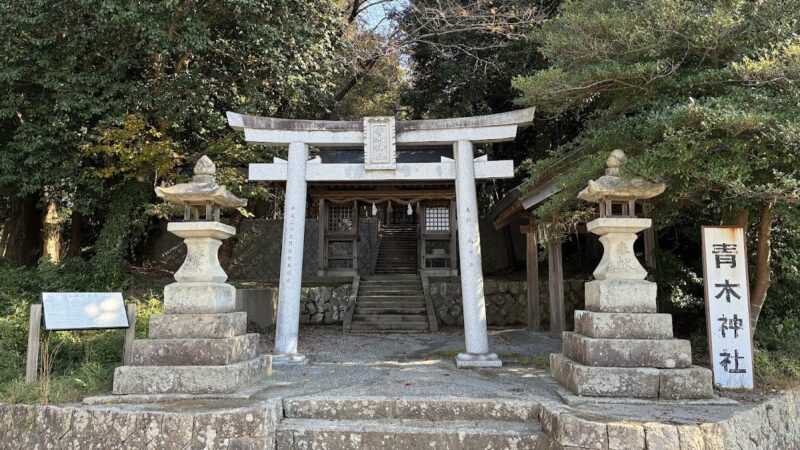
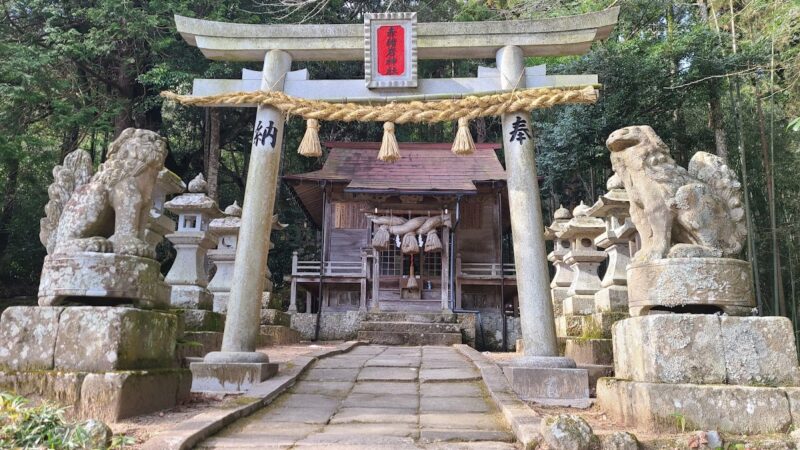
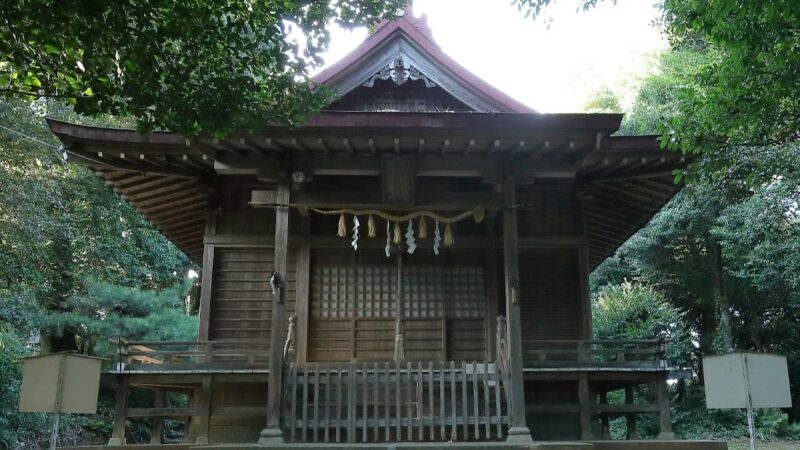
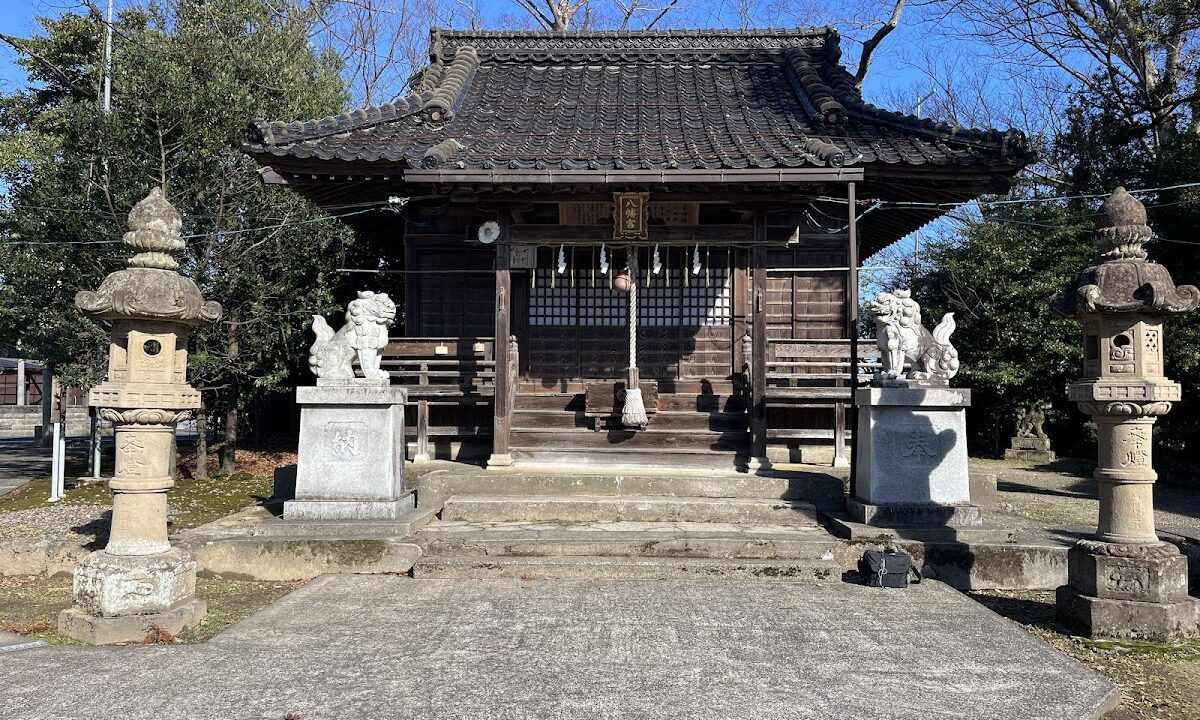
The shrine building, constructed in 1617 (Genna 3), is thought to retain characteristics of early Edo period shrine architecture, despite subsequent repairs. The shrine consists of a main hall and a worship hall, and has been carefully preserved as the center of local faith.
Surrounding Historical Environment
The area around Furumi district is dotted with places that evoke the history of the Sengoku period (Warring States period).
Turtle Stone: Nearby lies the Turtle Stone, known as a sacred stone used by Hashiba Hideyoshi when he attacked Tottori Castle. This stone is a valuable historical site that conveys the turbulent times of the Sengoku period.
Observation Deck: Along Prefectural Road 293, there is an observation deck offering panoramic views of the rural landscape of Furumi district and Tottori city. It’s recommended to visit when paying respects at Hachiman Shrine.
Natural Environment
The area surrounding Hachiman Shrine is a rural landscape, allowing visitors to experience the changing seasons. Cherry blossoms and fresh greenery in spring, the golden color of rice fields in autumn, and snowscapes in winter—each season presents a different face.
Annual Events and Festivals
Main Festivals
Various festivals are held at Hachiman Shrine throughout the year. For detailed schedules, please contact the Tottori Prefectural Shrine Association.
Annual Grand Festival:
This is the most important festival of Hachiman Shrine, attracting many parishioners and worshippers. A portable shrine procession and dedication ceremonies may also be held.
New Year’s Day Festival:
This festival welcomes the new year and prays for peace throughout the year.
Spring and Autumn Festivals:
These festivals coincide with agricultural milestones, praying for a bountiful harvest and expressing gratitude for the harvest.
The Tradition of the Imperial Procession Festival
Hachiman Shrine has a tradition of the Imperial Procession Festival, and the current shrine grounds were formerly the temporary resting place for the festival. This tradition represents the belief that the deity tours the parishioners’ area, protecting the entire region.
Etiquette and Manners for Visiting a Shrine
Basic Etiquette for Visiting a Shrine
When visiting a Hachiman Shrine, please observe the following basic etiquette:
- Bow before passing through the torii gate: This is a courtesy before entering the sacred area.
- Purify yourself at the water basin: Purify your left hand, right hand, and mouth in that order.
- Avoid walking in the center of the path: The center is considered the path of the gods.
- Bow twice, clap twice, and bow once in front of the main hall: This is the basic Shinto way of worship.
Attire for Visiting a Shrine
Everyday clothes are acceptable, but please dress in a clean and respectful manner. Formal attire is preferable if participating in a special festival.
Photography Etiquette
Photography is generally permitted within the shrine grounds, but please refrain from taking pictures inside the main hall or during Shinto rituals. Also, please be considerate of other visitors.
About the Furumi Area
Characteristics of the Area
Furumi is a quiet area located in the eastern part of Tottori City, primarily focused on agriculture. Its postal code is 680-0921, and it is approximately a 15-minute drive from the center of Tottori City.
Local Facilities
Furumi Police Station:
This police station, under the jurisdiction of the Tottori Prefectural Police Headquarters, protects the safety of the area. It is useful to remember this as an emergency contact number.
- Phone: 0857-32-0110 (Main)
- Fax: 0857-32-0115
Public Services:
In July 2024, the area covered by the sewage system was expanded, including parts of the Furumi area, and improvements to the living environment are progressing.
Nearby Tourist Attractions
When visiting the Furumi area, why not also visit the following spots?
- Tottori Castle Ruins: A historical site deeply connected to the history of Hachiman Shrine
- Tottori Sand Dunes: One of Japan’s largest sand dunes (approximately 20 minutes by car)
- Karo Port: A port town where you can enjoy fresh seafood
Other Hachiman Shrines in Tottori Prefecture
There are several Hachiman shrines in Tottori Prefecture. Each has its own unique history and characteristics.
Kumoyama Hachiman Shrine
Kumoyama Hachiman Shrine, located in a different area of Tottori City, has been worshipped as a Hachiman shrine since ancient times, although its founding date is unknown. It was renamed Kumoyama Shrine in the early Meiji period, then Hachiman Shrine, and finally Kumoyama Hachiman Shrine in June 1954.
Hachiman Shrines in Ketaka, Shikano, and Aoya Towns
The former towns and villages (Ketaka, Shikano, and Aoya) of Tottori City, prior to their merger, each had their own Hachiman Shrine, serving as centers of faith in their respective regions.
Hachiman Faith and Japanese Culture
Spread of Hachiman Faith
Hachiman faith is one of the most widespread beliefs in Japan, found throughout the country. It is estimated that there are approximately 44,000 Hachiman shrines and temples nationwide, second only to Inari shrines in number.
Relationship with the Samurai Class
Especially within samurai society, Hachiman was revered as a “god of war.” Because the Minamoto clan adopted Hachiman as their tutelary deity, Hachiman faith spread among the samurai class from the Kamakura period onward. The reverence for the Hachiman Shrine in Furumi, including that of warlords such as Kikkawa Tsuneie, stems from this tradition.
Local Community and Hachiman Shrine
Beyond his role as a god of war, Hachiman has also been worshipped as a god of agriculture and industry, functioning as a guardian deity for the entire local community. The Hachiman Shrine in Furumi, having survived the turmoil of the Sengoku period, has since served as a shrine watching over the peace and prosperity of the region, closely intertwined with the lives of its people since the Edo period.
Precautions for Visiting
Visiting Hours
While the shrine is generally open for worship during the daytime, the grounds may become dark in the early morning and after sunset. For safety reasons, we recommend visiting during daylight hours.
Seasonal Precautions
Summer:
- Remember to stay hydrated to prevent heatstroke.
- Insect repellent is recommended for a more comfortable experience.
Winter:
- Tottori is a snowy region, so be careful of your footing in winter.
- Dress warmly.
Parking and Transportation
We recommend checking the availability and size of parking in advance. During festivals, congestion is expected, so please consider using public transportation.
Hachimangu Shrine and the Future of the Region
Value as a Cultural Asset
Hachimangu Shrine is not merely a religious facility, but also a valuable cultural asset that tells the history of Tottori. Having experienced important phases in Japanese history, such as the turbulent Sengoku period, its reconstruction during the Edo period, and the Meiji-era reform of the shrine system, its value is immeasurable.
Center of the Local Community
Even today, Hachimangu Shrine remains a central presence in the local community. Through festivals and rituals, local people gather, and traditions are passed down to future generations.
Potential as a Tourism Resource
As a shrine associated with the nationally known historical event of the siege of Tottori Castle, it is an interesting spot for history buffs and tourists alike. The development of tourist routes combining it with other historical resources in the region is also anticipated.
Summary
Hachimangu Shrine, located in Furumi, Tottori City, Tottori Prefecture, experienced the historical event of the siege of Tottori Castle by Hashiba Hideyoshi during the Sengoku period, and has a turbulent history of being destroyed by fire and subsequently rebuilt. Although the shrine lost its main building in 1581, it was rebuilt in its current location in 1617 and has continued to exist as a center of local faith for over 400 years.
As a Hachiman shrine with Emperor Ōjin as its principal deity, it is revered by the local people for its divine blessings of military success, national protection, and protection from misfortune and good fortune. During the Meiji era, it was temporarily renamed “Furumi-sha” and “Furumi-jinja,” but eventually reverted to the name “Hachiman-gū,” preserving its tradition.
Nestled in a quiet rural area, Hachiman-gū is a place where you can tranquilly worship while feeling the history of Tottori. When you visit Tottori City, be sure to stop by. You can reflect on the history of the shrine, which has survived the turmoil of the Sengoku period, and experience a form of faith deeply rooted in the community.
When visiting, you can contact the Tottori Prefectural Shrine Association (Tel: 0857-24-7699) in advance to obtain information on festival dates and other details. Enjoy a peaceful time at Hachimangu Shrine, where history and tradition thrive.