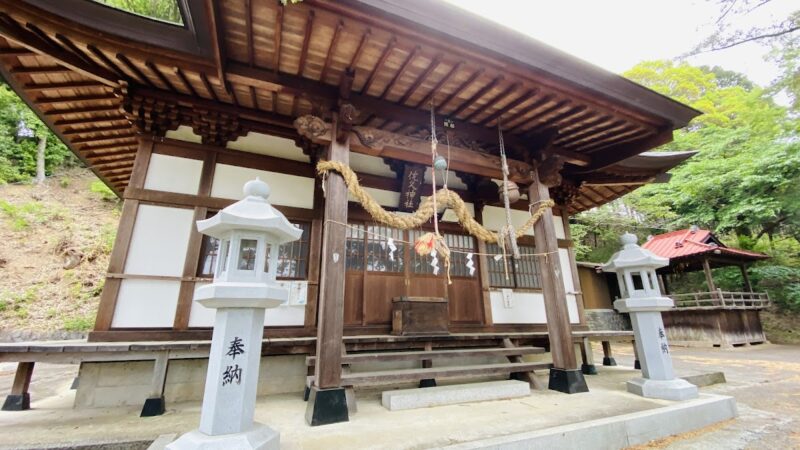
Complete Guide to Hachiman Shrine (Shimoishida, Kofu City, Yamanashi Prefecture)
Hachiman Shrine, located in Shimoishida, Kofu City, Yamanashi Prefecture, is a historic shrine that has long been cherished by the local community. This article provides detailed information useful for those considering visiting Hachiman Shrine, including its history, enshrined deities, blessings, highlights of the grounds, and access methods.
Basic Information on Hachiman Shrine (Shimoishida, Kofu City)
Location: Shimoishida 2-chome, Kofu City, Yamanashi Prefecture
Enshrined Deity: Emperor Ojin (Homudawake no Mikoto)
Shrine Rank: Village Shrine
Annual Festival Date: Around September 15th (may vary by region)
Hachiman Shrine is located in the Shimoishida district in southern Kofu City, quietly nestled within a residential area. It has long been revered as the local guardian deity.
History and Origins of Hachiman Shrine
Background of Hachiman Faith
Hachiman shrines are said to number approximately 44,000 throughout Japan, making them one of the most numerous types of shrines in the country. Hachiman has been widely worshipped as a god of war and as the tutelary deity of the Minamoto clan. The Hachiman Shrine in Shimoishida, Kofu City, is also a shrine that follows this tradition of Hachiman faith, and has walked hand in hand with the history of the region.
History of the Shimoishida District, Kofu City
The Shimoishida district is located in the southern part of the Kofu Basin and has long been a settlement centered on agriculture. During the Edo period, it developed as part of Kai Province, and since the Meiji era, it has been part of Kofu City. The Hachiman Shrine has served as a spiritual center for this region, accompanying the lives of local residents for hundreds of years.
Circumstances of Founding
The exact founding date is unclear due to the loss of historical records, but according to local tradition, Hachiman was enshrined in this area sometime between the Sengoku period and the early Edo period. During the time when the Takeda clan ruled Kai Province, Hachiman worship was widespread, mainly among the samurai class, and it is highly likely that the shrine was founded under this influence.
Deities and Benefits
About Emperor Ōjin (Homudawake no Mikoto)
Emperor Ōjin, the principal deity of Hachiman Shrine, is a historical figure recorded in the Kojiki and Nihon Shoki as the 15th Emperor. His mother was Empress Jingū, and he is said to have excelled in martial arts and contributed to the development of culture.
Later, he was deified as Hachiman-shin and came to be revered as a god of war and archery. He is also known as the tutelary deity of the Minamoto clan and attracted particularly strong devotion within the samurai society.
Benefits of Hachiman Shrine
Hachiman Shrine is said to offer the following benefits:
Good Fortune in Competitions and Victory: Due to his nature as a god of war, one can pray for success in all kinds of competitions, such as sports, exams, and business.
Protection from Evil and Good Fortune: Believed to ward off evil spirits and bring good fortune.
Family Safety: Protects the health and peaceful life of the family.
Prosperity of Descendants: Because Emperor Ojin fathered many princes, it is also believed to bring blessings for fertility and child-rearing.
Traffic Safety: Also worshipped as a god that protects safe travels.
Highlights of the Shrine Grounds
Main Hall and Worship Hall
The main hall of Hachiman Shrine is built in the traditional style of shrine architecture. Although not large in scale, it is carefully maintained by local residents, creating a clean and tranquil atmosphere.
Daily worship takes place in the worship hall, where local residents can be seen visiting morning and evening. Its simple yet solemn atmosphere makes it an ideal place to escape the hustle and bustle of the city and find peace of mind.
Trees on the Shrine Grounds
Several ancient trees remain on the shrine grounds, telling the story of the shrine’s history. The trees surrounding the shrine, in particular, display different expressions with each season, bringing peace to visitors.
In spring, the fresh greenery; in summer, the deep shade; in autumn, the vibrant foliage; and in winter, a serene atmosphere—you can enjoy the beauty of each season.
Stone Monuments and Memorials
Within the shrine grounds, there are stone monuments and memorials that tell the history of the region. These were donated by local residents, demonstrating that Hachiman Shrine has been a central presence in the community for many years.
Annual Events and Festivals
Grand Festival (Autumn Festival)
The most important event at Hachiman Shrine is the Grand Festival, held around mid-September each year. On this day, a community-wide festival is held, including a procession of portable shrines and various offerings.
Prepared by all residents, the Grand Festival, with participation from children to adults, is an important opportunity to deepen community bonds. While the scale has been shrinking in recent years, the community continues its efforts to preserve the tradition.
New Year’s Visit
Many local residents visit the shrine for their first shrine visit of the year. While not as crowded as large shrines, the atmosphere is warm and inviting, with locals praying for safety in the new year.
Other Annual Events
- Setsubun Festival (February): Events such as bean-throwing
- Summer Purification Ceremony (End of June): A Shinto ritual to purify oneself of the impurities accumulated over the past six months
- Shichi-Go-San Festival (November): A visit to celebrate the growth of children
These events, though small in scale, are cherished local traditions.
Manners and Etiquette for Visiting a Shrine
Basic Etiquette for Visiting a Shrine
When visiting Hachiman Shrine, please observe the following etiquette:
- Bow Before the Torii Gate: Before entering the sacred grounds, bow before the torii gate.
- Purifying at the Water Basin: If there is a water basin, purify your left hand, then your right hand, and then your mouth.
- Walking Along the Path: The center of the path is considered the path of the gods, so it is preferable to walk along the sides.
- Etiquette at the Worship Hall: The basic ritual is “two bows, two claps, one bow.”
- Bow deeply twice
- Clap your hands twice
- Make a silent wish
- Finally, bow deeply once more
- Departure: Before leaving through the torii gate, turn around and bow towards the main shrine.
Attire for Worship
Everyday clothes are acceptable, but it is best to avoid overly revealing clothing or overly casual attire such as sandals. For festivals and formal worship, formal attire is preferred.
Access Information
Location Details
Address: 2-chome, Shimoishida, Kofu City, Yamanashi Prefecture
Access by Public Transportation
Using the JR Minobu Line:
- Take the JR Minobu Line south from Kofu Station
- The nearest stations are “Kokubo Station” or “Kai-Sumiyoshi Station”
- Approximately 15-20 minutes on foot from the station
Using the Bus:
- Take a Yamanashi Kotsu bus from the south exit of Kofu Station
- Take a bus bound for Shimoishida
- Get off at the “Shimoishida” bus stop and walk for approximately 5 minutes
*Since the number of buses is limited, it is recommended to check the timetable in advance.
Access by Private Car
Using the Chuo Expressway:
- Approximately 10 minutes from Kofu-Minami Interchange
- Proceed towards National Route 140 and head towards the Shimoishida area.
Parking: There may be some parking spaces on the shrine grounds or nearby, but it may be crowded during events such as festivals. Please avoid street parking as it will inconvenience the neighbors.
Landmarks in the Area
The Shimoishida area is a residential area, so using a car navigation system or smartphone map app is recommended. Searching for “Kofu City Shimoishida Hachiman Shrine” will show the exact location.
Nearby Attractions and Tourist Spots
Major Tourist Attractions in Kofu City
When visiting Hachiman Shrine, you can also visit other tourist spots in Kofu City:
Takeda Shrine: A shrine dedicated to Takeda Shingen, and a representative tourist spot in Kofu City. Approximately 20 minutes by car from Hachiman Shrine.
Kofu Castle Ruins (Maizuru Castle Park): Located in the heart of Kofu City, these castle ruins feature stone walls and reconstructed turrets.
Shosenkyo Gorge: A scenic spot boasting some of Japan’s most beautiful gorges. Approximately 30 minutes by car from Hachiman Shrine.
Nearby Shrines and Temples
Kofu City has many shrines and temples, making it a great place to enjoy a shrine tour. Each shrine has its own unique history and characteristics, so visiting several will give you a deeper understanding of Kofu’s history.
How to Enjoy Visiting Hachiman Shrine
Spend a Quiet Time
The greatest charm of Hachiman Shrine is its tranquil environment, far removed from the hustle and bustle of the city. Unlike large-scale tourist shrines, you can take your time to pray and find peace of mind.
Visiting early in the morning or on weekdays is especially recommended, as you can catch a glimpse of the daily faith practiced by the local people.
Experience Local History
Shrines are not merely religious facilities, but also places that convey the history and culture of the region. The history of the Shimoishida district can be gleaned from the stone monuments, memorials, and architectural styles within the shrine grounds.
Enjoying the Changing Seasons
Enjoying the changing seasons is another charm of Hachiman Shrine. The fresh greenery of spring, the deep green of summer, the vibrant autumn leaves, and the tranquility of winter offer different expressions depending on the time of year you visit.
Hachiman Shrine and the Local Community
A Place to Foster Community Bonds
Hachiman Shrine is not merely a place of worship; it has played a central role in the local community. Through events such as the annual festival, intergenerational exchanges are fostered, deepening community bonds.
In recent years, urbanization and the declining birthrate and aging population have tended to weaken these community ties, but local shrines like Hachiman Shrine continue to play a vital role as the core of the community.
Passing on Tradition
Passing on festivals and the maintenance of the shrine to the younger generation is one of the challenges facing modern shrines. At Hachiman Shrine, local residents continue their efforts to pass on traditions to the next generation through cooperation.
Points to Note and Manners When Visiting the Shrine
Regarding Photography
Photography is generally permitted on the shrine grounds, but please observe the following points:
- Refrain from taking photos inside the main hall.
- Be considerate and avoid including other worshippers in your photos.
- Avoid using flash photography.
- When posting on social media, be careful not to include detailed information that could identify the location.
Behavior on the Shrine Grounds
- Avoid disrupting the peace, such as speaking loudly.
- Always take your trash with you.
- Do not touch or damage plants or buildings on the shrine grounds.
- If you bring a pet, keep it on a short leash and be sure to clean up after it.
Visiting Hours
While Hachiman Shrines often do not have specific opening and closing times, it is advisable to visit during reasonable hours (from sunrise to sunset). Visiting early in the morning or late at night may disturb nearby residents, so please avoid doing so.
Regarding Goshuin (Shrine Seals)
As this is a small shrine, they may not always offer Goshuin. If you wish to receive a Goshuin (temple/shrine stamp), it is recommended that you contact the Kofu City Shrine Association or the relevant shrine in advance.
Goshuin are originally given as proof of worship, so you should refrain from requesting a Goshuin without worshipping.
The Charm of Hachiman Shrine in Kofu City
A Faith Rooted in the Community
The greatest charm of Hachiman Shrine in Shimoishida, Kofu City, is that it is a place of worship deeply rooted in the community. Because it is not a tourist destination, you can see the original form of the shrine and the everyday forms of worship of the local people.
The Weight of History
Another charm of this shrine is the feeling of the weight of history that has been protected by the local people for hundreds of years. It is a simple yet profound shrine with a history that is not found in large-scale shrines, and is well worth visiting.
Peace of Mind
The environment where you can worship quietly, away from the hustle and bustle of the city, is a precious place of peace of mind for modern people. You can be freed from the stress of daily life and have time to reflect on yourself.
The Weight of History
Summary
Hachiman Shrine, located in Shimoishida, Kofu City, Yamanashi Prefecture, is a historical shrine deeply rooted in the community. While not large in scale, it enshrines Emperor Ojin as its main deity and is believed to offer blessings for success in competitions, protection from evil, and family safety.
As the local guardian deity, Hachiman Shrine has long been revered by residents, offering a peaceful environment for worship and serving as a valuable center of the local community.
Access is possible by public transport or private car, but as it is located in a residential area, please be considerate of the neighbors when visiting. When visiting Kofu City, be sure to stop by this historic Hachiman Shrine.
Unlike large tourist shrines, you will feel the tranquility and warmth unique to a community-based shrine. As a place to calm the mind and pray for daily safety, Hachiman Shrine continues to be a comforting presence for the local people.