Hagiwara-ji Temple (Kagawa Prefecture, Shikoku’s Twenty Special Sacred Sites, No. 16) Complete Guide
Located in Hagiwara, Ohnohara-cho, Kanonji City, Kagawa Prefecture, Hagiwara-ji Temple is a historic temple that welcomes many pilgrims as the 16th temple of the Shikoku’s Twenty Special Sacred Sites. Its formal name is Kyogozan Jizo-in, and it boasts a distinguished history as a special head temple of the Daikaku-ji branch of the Shingon sect. This article comprehensively introduces everything you need to know before visiting Hagiwara-ji Temple, from its historical background to its highlights and access methods.
Basic Information about Hagiwara-ji Temple
Temple Name: Hagiwara-ji Temple
Mountain Name: Kyogozan
Temple Name: Jizoin
Sect: Shingon-shu Daikakuji-ha
Principal Image: Garadasan Fire-Preventing Jizo Bodhisattva (created by Kobo Daishi)
Founder: Kobo Daishi
Pilgrimage Site: 16th of the Shikoku Twenty Special Sacred Sites, 28th of the Shikoku Thirty-Six Fudo Myoo Sacred Sites, Benzaiten Temple of the Seven Lucky Temples of Sanuki Province, Shikoku
Address: 2742 Hagiwara, Ohnohara-cho, Kanonji City, Kagawa Prefecture 769-1614
Phone Number: 0875-54-2066
Parking: Free parking available
History and Origins of Hagiwara-ji Temple
Founded by Kobo Daishi
It is said that Hagiwara-ji Temple was founded in 807 AD by Kobo Daishi Kukai. During the reign of Emperor Heizei, when Kobo Daishi was traveling through Shikoku, he sensed a spiritual presence in this area and personally carved the Garada-san Fire-Preventing Jizo Bodhisattva, which he enshrined as the principal image.
Kobo Daishi prayed for the peace and happiness of the people by enshrining the Jizo Bodhisattva, who is highly effective in protecting people from fire. This Fire-Preventing Jizo Bodhisattva has attracted many worshippers since ancient times due to its remarkable effectiveness in preventing fires.
Status as an Imperial Council Place of Emperor Suzaku
During the Heian period, it was designated as an Imperial Council Place of Emperor Suzaku, giving the temple a deep connection with the Imperial family. An Imperial Council Place is a special temple that receives prayers from the Emperor, which speaks to the high status of Hagiwara-ji Temple. From this period onward, Hagiwara-dera Temple served not merely as a local temple, but as a place of national prayer.
Connection with Lord Hosokawa Katsumoto
During the Muromachi period, it was also known as a place of prayer for Lord Hosokawa Katsumoto, who wielded great power as a Kanrei (deputy shogun). The Hosokawa clan was a prestigious family that served as the governor of Sanuki Province, and they deeply revered Hagiwara-dera Temple and worked to protect it. During this time, it developed into a large temple with many branch temples, establishing its position as a religious center in the region.
Position as a Special Head Temple of the Shingon Daikaku-ji School
Currently, Hagiwara-dera Temple holds the position of a Special Head Temple of the Shingon Daikaku-ji School, overseeing many branch temples. A Special Head Temple is a temple with a status second only to the head temple, indicating its importance within the sect. The Shingon Daikaku-ji School has Daikaku-ji Temple in Kyoto as its head temple and is a sect that continues to transmit the teachings of Kobo Daishi (Kukai).
The Miraculous Powers of the Principal Image, the Fire-Preventing Jizo Bodhisattva of Mount Karada
The Origin and Belief of the Fire-Preventing Jizo
The Fire-Preventing Jizo Bodhisattva of Mount Karada, the principal image of Hagiwara-dera Temple, is a hidden Buddha statue said to have been carved by Kobo Daishi himself. As its name “Hibuse” (fire-preventing) suggests, it has been worshipped as a Jizo Bodhisattva with miraculous powers to protect people from fire.
In ancient times, wooden architecture was prevalent in Japan, making fire one of the most feared disasters. Therefore, faith in the Fire-Preventing Jizo spread widely, from commoners to samurai and even the imperial family, and Hagiwara-dera Temple flourished as a place of prayer for protection against fire.
Remarkable Miraculous Powers Throughout History
The Fire-Preventing Jizo Bodhisattva of Hagiwara-dera Temple is said to have “remarkable miraculous powers throughout history,” and numerous tales of its miraculous powers have been passed down from ancient times to the present day. In addition to protection from fire, Jizo Bodhisattva is believed to offer a wide range of blessings based on his compassion, including safety for the home, prosperity in business, and protection for child-rearing.
In particular, there are records of specific miraculous events, such as houses miraculously escaping the spread of fire and people recovering from burns. Many worshippers still dedicate themselves to the Fire-Preventing Jizo.
Mantra and Waka Poem
Mantra: Om Kakaka Bisammaei Sowaka
This mantra is that of Jizo Bodhisattva, and it is believed that chanting it will bring the protection of Jizo Bodhisattva. When visiting, chant it with sincerity.
Waka Poem: The revered Jizo Bodhisattva, who vows to prevent fire, saves the world on Mount Hagi.
This waka poem describes Jizo Bodhisattva, who vows to prevent fire, saving the world on Mount Hagi. This beautiful poem, which succinctly expresses the essence of Hagiwara-dera Temple, is beloved by pilgrims.
Hagiwara-dera Temple as a Famous Spot for Hagi (Bush Clover)
Over 2,000 Hagi Flowers of 30 Varieties
The bush clover, which gives Hagiwara-dera Temple its name, is one of its greatest attractions. Approximately 2,000 to 2,500 bush clover plants of 30 varieties are planted on the temple grounds, and they are designated as a natural monument by Kagawa Prefecture.
Bush clover has long been cherished by the Japanese people as one of the seven autumn flowers, and its delicate flowers evoke the atmosphere of autumn. Hagiwara-dera Temple boasts a rich variety of bush clover, with flowers of various colors such as white, red, and purple blooming in profusion, captivating visitors.
Hagi Festival
Every year from mid- to late September, the “Hagi Festival” is held at Hagiwara-dera Temple. During this period, the bush clover on the temple grounds reaches its peak bloom, creating a truly fantastical scene enveloped in bush clover blossoms. During the Hagi Festival, many worshippers and tourists visit, admiring the hagi flowers while offering prayers. It’s also a popular photo spot, with numerous beautiful hagi photos posted on social media.
Value as a Prefectural Designated Natural Monument
The hagi at Hagiwara-ji Temple is designated as a natural monument of Kagawa Prefecture due to its scale and historical value. This is not merely a planted area, but also a cultural asset that has been carefully preserved for many years.
The temple staff put in extraordinary effort to protect and manage the hagi, meticulously tending to ensure beautiful blooms every year. Visitors are expected to appreciate this precious cultural asset with respect.
Hagiwara-ji Temple as one of the Shikoku Twenty Special Sacred Sites
What are the Shikoku Twenty Special Sacred Sites?
The Shikoku Twenty Special Sacred Sites are 20 sacred sites visited in addition to the Shikoku Eighty-Eight Sacred Sites. As the name “Exceptional” suggests, these temples are those with particularly deep connections to Kobo Daishi or those known for their miraculous powers.
By visiting these temples in conjunction with the Shikoku 88 Temple Pilgrimage, one completes a total of 108 sacred sites, which is believed to symbolize the elimination of 108 worldly desires. Pilgrimages to these exceptional temples are popular among pilgrims seeking deeper faith and spiritual practice.
Role as the 16th Temple
Hagiwara-ji Temple, as the 16th temple of the Shikoku 20 Exceptional Sacred Sites, welcomes many pilgrims. These exceptional temples are scattered throughout Shikoku, and Hagiwara-ji Temple is one of the important temples located within Kagawa Prefecture.
As the 16th temple, it also holds significance as a spiritual turning point on the pilgrimage, and many pilgrims renew their spirits here before continuing to the next temple. The temple’s office provides courteous service, offering emotional support to pilgrims.
Shikoku Thirty-Six Fudo Myoo Pilgrimage Sites & Shikoku Sanuki Seven Lucky Temples
Hagiwara-ji Temple is known not only as one of the 20 Special Sacred Sites of Shikoku, but also as the 28th temple of the Shikoku Thirty-Six Fudo Myoo Pilgrimage and as the Benzaiten temple of the Shikoku Sanuki Seven Lucky Temples.
Fudo Myoo is an important deity in Esoteric Buddhism, believed to have the power to crush worldly desires and subdue evil. Benzaiten, as one of the Seven Lucky Gods, is worshipped as the goddess of art, learning, and wealth.
Its inclusion in multiple sacred sites indicates that Hagiwara-ji Temple occupies an important position as an object of diverse faith.
Highlights of the Temple Grounds
Main Hall
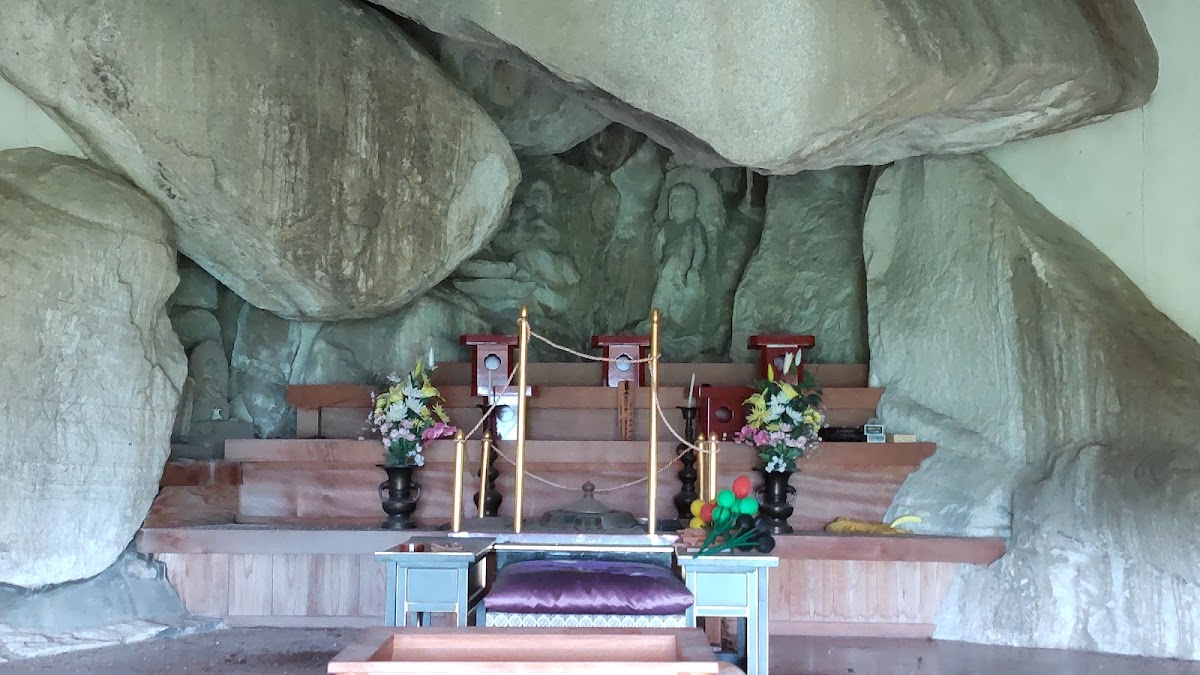
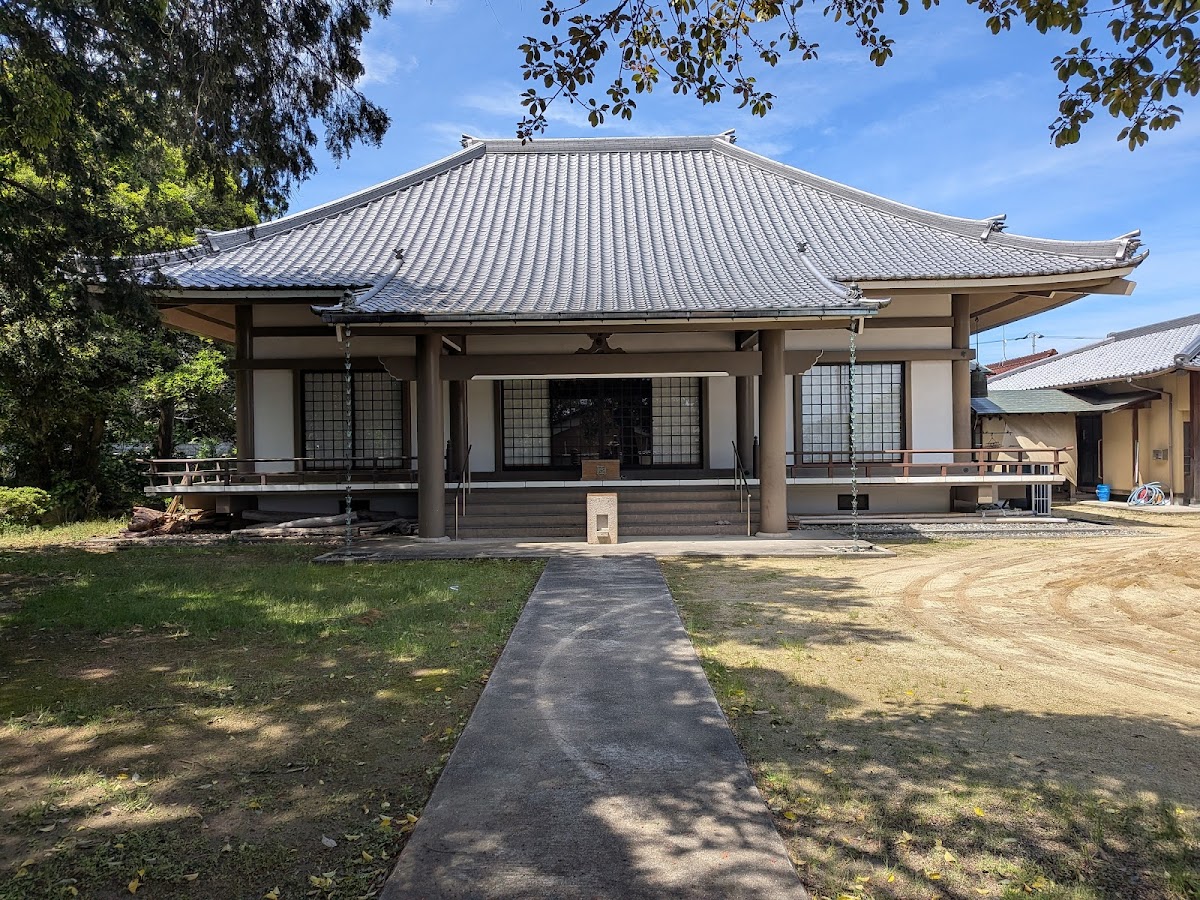
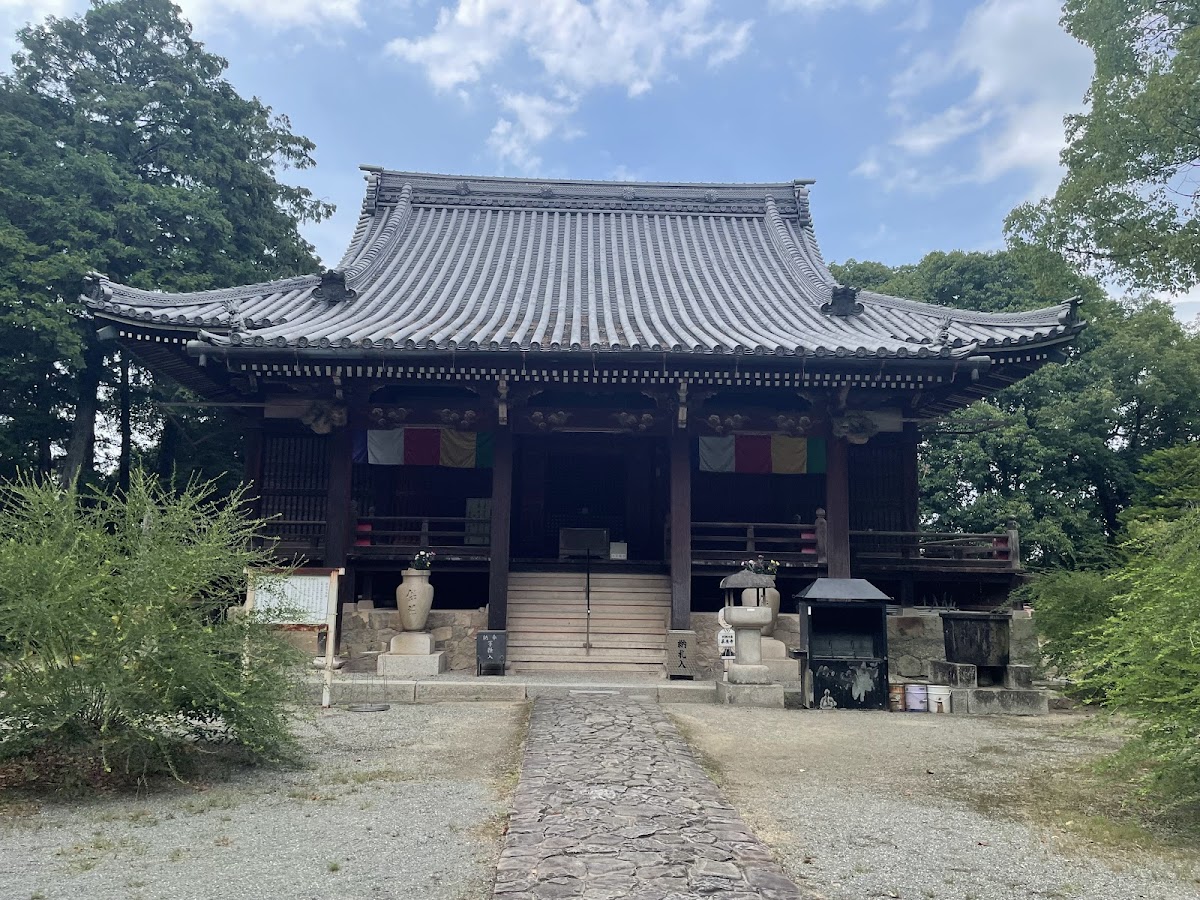
The main hall of Hagiwara-ji Temple is the central building housing the Garada-san Fire-Preventing Jizo Bodhisattva. The majestic main hall possesses a dignified presence that reflects its long history, inspiring a sense of solemnity in visitors.
In the main hall, daily religious services are performed, and prayers are offered by worshippers. The inner sanctuary houses the principal image and other Buddhist statues, creating a solemn atmosphere.
Daishido Hall
The Daishido Hall, dedicated to Kobo Daishi, is an important building in Shingon Buddhist temples. Many worshippers visit it to express their gratitude and faith in Kobo Daishi, the founder of Hagiwara-ji Temple.
In the Daishido Hall, one can venerate the image of Kobo Daishi and deepen their devotion to him. It is a particularly important place of worship for pilgrims, serving as a place for a spiritual dialogue with the Daishi.
Fudōdo Hall
Hagiwara-ji Temple, also a pilgrimage site for the 36 Fudō Myōō temples of Shikoku, houses the Fudōdo Hall, dedicated to Fudō Myōō. Many worshippers visit this hall seeking the powerful protection of Fudō Myōō.
Fudō Myōō, affectionately known as “O-Fudō-san,” is worshipped as a protector against all kinds of misfortunes. In particular, people in difficult circumstances visit the temple seeking the powerful protection of Fudo Myoo (Acala).
Benzaiten Hall
As one of the seven temples of Shikoku’s Sanuki Province, Hagiwara-ji Temple has a hall dedicated to Benzaiten. Benzaiten is worshipped as the goddess of music, art, and learning, as well as the goddess of wealth, and is popular with a wide range of visitors.
She is especially revered by people in the entertainment industry, students, and business owners, and can be seen visiting the temple with their own wishes.
Hagi Garden on the Temple Grounds
The Hagi Garden, which spreads throughout the temple grounds, is the temple’s greatest attraction. Hagi (bush clover) is planted everywhere on the temple grounds, from the approach to the main hall to the back hill, and in autumn, the entire temple is adorned with hagi blossoms.
The experience of walking along the paths lined with blooming hagi is a special one unique to Hagiwara-ji Temple. Surrounded by the fragrance and beauty of the flowers, one can offer a peaceful prayer.
Goshuin (Temple Seal) Information
Goshuin Available at Hagiwara-ji Temple
At Hagiwara-ji Temple, you can receive goshuin from several sacred sites.
- Goshuin of the 16th Temple of the Shikoku Twenty Special Sacred Sites: A calligraphic inscription of “Jizo-in” or “Hifuse Jizo” and a red seal indicating it is a special sacred site will be stamped.
- Goshuin of the 28th Temple of the Shikoku Thirty-Six Fudo Myoo Sacred Sites: A calligraphic inscription and red seal related to Fudo Myoo will be provided.
- Goshuin of the Seven Lucky Temples of Sanuki Province (Benzaiten): A calligraphic inscription and red seal of Benzaiten will be provided.
Reception Hours of the Temple Office
The reception hours of the temple office are generally from 7:00 AM to 5:00 PM, but these may vary depending on the season and temple events. To ensure you receive your goshuin, it is recommended to confirm by phone in advance.
About the Goshuincho (Stamp Book)
Hagiwara-ji Temple offers its own original goshuincho. The beautiful goshuincho, designed with hagi (bush clover) flowers, is a popular souvenir of your visit. There is also a goshuincho specifically for the Shikoku Twenty Special Sacred Sites, making it ideal for those beginning their pilgrimage.
Access Information
Access by Car
From Takamatsu: Approximately 10 minutes from the Ohnohara IC on the Takamatsu Expressway. After exiting the IC, take National Route 11 and follow the signs.
From Matsuyama: Approximately 15 minutes from the Mitoyo-Torisaka IC on the Matsuyama Expressway. Head east on National Route 11 towards Ohnohara Town.
Parking: Free parking is available, accommodating approximately 20 regular-sized cars. During the Hagi Festival, congestion is expected, so it is recommended to visit with ample time.
Access by Public Transportation
By JR Train: Get off at Kannonji Station on the JR Yosan Line. Approximately 15 minutes by taxi from the station, or by local bus.
By Bus: Take a bus bound for Ohnohara from Kannonji Station, get off at the “Hagiwara” bus stop, and walk for approximately 10 minutes. However, since bus service is limited, it is important to check the timetable in advance.
For Pilgrims Walking
For pilgrims walking the 20 Special Sacred Sites of Shikoku, it is necessary to plan your itinerary considering the distances between the preceding and succeeding temples. There are accommodations such as guesthouses around Hagiwara-ji Temple, so it is recommended to plan your trip to include accommodation.
Nearby Accommodations and Restaurants
Accommodations
Near Hagiwara-ji Temple, there are guesthouses and inns that welcome pilgrims. You can relax and recover from the fatigue of your pilgrimage while receiving warm hospitality from the locals.
Kanonji town offers a wide selection of business hotels and hot spring inns, catering to those seeking more comfortable accommodations.
Dining Options
Near Ohnohara town, numerous famous Sanuki udon restaurants are scattered throughout the area. A visit to Kagawa Prefecture is a must, especially for those tasting authentic Sanuki udon. There are also restaurants beloved by locals and those serving fresh seafood.
Manners and Attitudes for Visiting the Temple
Attire
When visiting Hagiwara-ji Temple, please dress appropriately for a sacred place. While pilgrim attire is ideal, clean and understated clothing is acceptable for general visitors.
During the Hagi Festival, many tourists visit, but it’s important to remember that this is a temple and to visit with respect.
Etiquette for Visiting the Temple
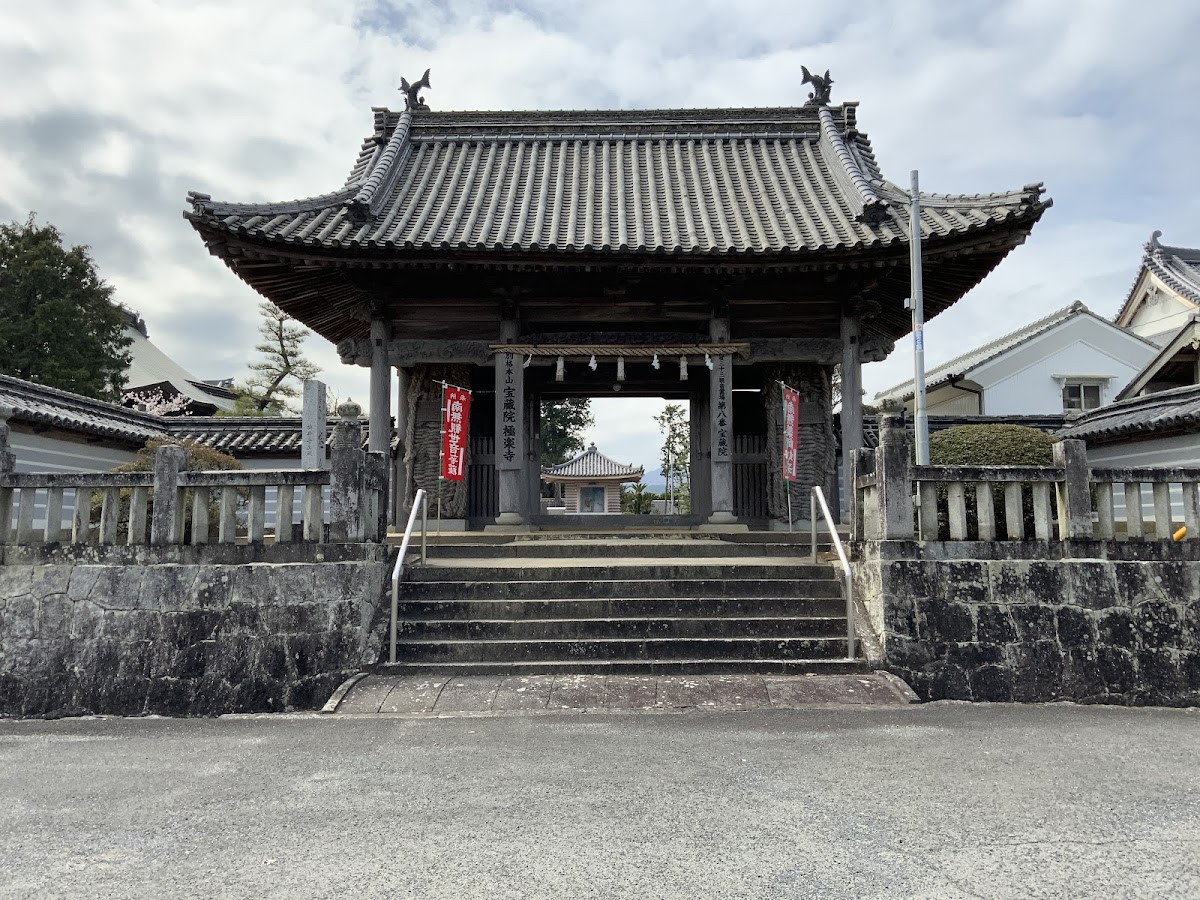
- Bow at the Temple Gate: Before entering the temple grounds, bow at the temple gate.
- Purification at the Water Basin: Cleanse your hands and mouth.
- Worship at the Main Hall: Join your hands in prayer in front of the main hall and offer your prayers to the principal image of Buddha.
- Sutra Receipt: Receive your temple stamp at the sutra hall.
- Worship at the Daishi Hall: Offer prayers of gratitude to Kobo Daishi.
Regarding Photography
Photography is generally permitted on the temple grounds, but there are areas where photography is prohibited, such as inside the main hall. Always follow the signs, and if unsure, ask a temple staff member.
Photographing the bush clover flowers is popular, but please be considerate of other visitors.
Annual Events at Hagiwara-ji Temple
Bush Clover Festival (Mid-to-Late September)
The Bush Clover Festival, the largest event at Hagiwara-ji Temple, is held when the bush clover flowers are in full bloom. During this period, many visitors come, and the temple grounds are bustling with activity.
New Year’s Events
At the start of the new year, visitors come to the temple for their first shrine visit of the year, praying for good health and safety for their families throughout the year. The first three days of the new year are enveloped in a special atmosphere.
Jizo Bon Festival (August)
At Hagiwara-ji Temple, whose principal deity is Jizo Bodhisattva, the Jizo Bon Festival in August is also an important event. It is a traditional event where people pray for the healthy growth of children and is cherished by the local community.
Kobo Daishi Memorial Service (21st of each month)
On the 21st of each month, the anniversary of Kobo Daishi’s death, the Miekū (memorial service) is held. It is a memorial service to express gratitude to the Great Master, and devout believers come to pay their respects.
Hagiwara-ji Temple’s Connection to the Community
As a Center of Local Faith
For over 1200 years since its founding, Hagiwara-ji Temple has been a center of faith in the Ōnohara region. For the local people, Hagiwara-ji Temple is not merely a tourist destination, but a place of prayer deeply integrated into their daily lives. The faith in the Fire-Preventing Jizo is deeply rooted in the community, and people continue to visit the temple to receive amulets for protection against fire. It also serves as an indispensable place for prayer and memorial services at important life events.
Preservation of Hagi and Cultural Transmission
Preserving the hagi, a prefecturally designated natural monument, requires the cooperation of not only the temple but also local residents. Local volunteers participate in the maintenance and protection of the hagi, continuing efforts to pass on this cultural asset to future generations.
The Hagi Festival has become an important cultural event in the region, contributing to both tourism promotion and the preservation of traditional culture.
Voices of Visitors to Hagiwara-ji Temple
Pilgrim Experiences
Pilgrims visiting the 20 Special Sacred Sites of Shikoku have shared comments such as, “I was able to have a soul-cleansing visit in the beautiful temple grounds surrounded by hagi flowers,” and “I felt my daily anxieties disappear before the Fire-Preventing Jizo Bodhisattva.”
Pilgrims who visit during the Hagi Festival, in particular, often describe their visit to Hagiwara-ji Temple as a special experience, stating that it was “a unique experience among all the temples they had visited.”
Tourist Impressions
Many tourists commented, “I never imagined the hagi flowers would be so beautiful,” and “I was able to spend time peacefully in a quiet and tranquil atmosphere.”
Furthermore, many praised the temple’s warm hospitality, saying things like, “I was impressed by the courteous service when receiving the temple’s seal,” and “The temple staff kindly explained the history of the hagi and the temple.”
Summary: The Significance of Visiting Hagiwara-ji Temple
Hagiwara-ji Temple possesses three major attractions: its history as a temple founded by Kobo Daishi, the miraculous power of the fire-preventing Jizo Bodhisattva, and its beauty as a famous spot for hagi flowers. As the 16th temple of the Shikoku Twenty Special Sacred Sites, and as an important temple listed on multiple pilgrimage sites, it is revered by many pilgrims.
Especially during the autumn Hagi Festival, over 2,000 bushes of 30 different varieties of bush clover bloom in profusion, creating a breathtakingly beautiful landscape that can only be experienced by visitors. The bush clover, designated a natural monument of Kagawa Prefecture, is not merely a plant, but a cultural asset that has been carefully preserved throughout a long history.
The faith in the Fire-Preventing Jizo Bodhisattva remains unchanged throughout history, and even today, people visit seeking various blessings, including protection from fire. Prayers to the main image, said to have been carved by Kobo Daishi himself, continue for over 1200 years.
Whether you visit as part of the Shikoku Pilgrimage or specifically to see the bush clover, Hagiwara-ji Temple offers a rich experience tailored to your individual needs. When visiting Kanonji City in Kagawa Prefecture, be sure to visit Hagiwara-ji Temple and experience its history and beauty.
Its status as a special head temple of the Shingon Daikaku-ji sect, its role as a center of regional faith, and its beauty as a famous spot for bush clover are all remarkable. With all these elements in harmony, Hagiwara-ji Temple is a special sacred place that offers visitors profound inspiration and peace of mind.