Complete Guide to Hijiri Shrine: A Historic Shrine Dedicated to Prince Shotoku, Located in Kikyo, Hakodate City
About Hijiri Shrine
Hijiri Shrine is a historic shrine located in Kikyo 1-chome, Hakodate City, Hokkaido. Situated at the intersection of National Route 5 and the Industrial Road, a busy location, it has been revered by local residents as the guardian shrine of the Kikyo district for over 100 years.
The unique spelling of the shrine’s name, “Hijiri,” originates from “Hijiri” (聖), meaning “sacred” or “holy,” in the name of the enshrined deity, Prince Shotoku. It is believed that when the shrine was founded as a subsidiary shrine of Kameda Hachimangu Shrine, the character for “sacred” was replaced with another character to create “Hijiri” (比遅里) because it enshrined Prince Shotoku. Shrines in Hokkaido that enshrine Prince Shotoku as their main deity are rare, making this shrine particularly noteworthy.
Currently, it belongs to the Hokkaido Shrine Association and welcomes many worshippers as a spiritual pillar of the region. Within the shrine grounds stands a monument marking the “Place where Emperor Meiji stopped during his visit,” making it a shrine of high historical value.
Deities enshrined at Hichiri Shrine
Main deity: Prince Shōtoku
The main deity enshrined at Hichiri Shrine is Prince Shōtoku (Prince Umayado). Prince Shōtoku was a member of the imperial family during the Asuka period and is known for his efforts in promoting Buddhism in Japan, as well as for his significant contributions to the establishment of Japan’s national system, including the enactment of the Seventeen-Article Constitution and the dispatch of envoys to the Sui Dynasty.
In 1858 (Ansei 5), the villagers who had moved to the area at the time revered Prince Shōtoku, and rebuilt the shrine building, which formed the basis of the current Hichiri Shrine. Many of the movers were from the Kaga, Noto, and Etchū regions (present-day Ishikawa and Toyama prefectures), and it is believed that they continued their reverence for Prince Shōtoku, which they had worshipped in their hometowns, in Hokkaido.
Enshrined Deity: Susanoo-no-Mikoto
Along with the main deity, Prince Shotoku, Susanoo-no-Mikoto is also enshrined. Susanoo-no-Mikoto is a representative deity in Japanese mythology, known for his divine virtues of warding off evil, eradicating disease, and ensuring bountiful harvests. He is a brave god famous for the myth of slaying the Yamata no Orochi (eight-headed serpent), and it is believed that he was enshrined as a deity symbolizing the strength to overcome difficulties in the pioneering era of Hokkaido.
History of Hichiri Shrine
Founding and Early History
The founding date of Hichiri Shrine is unknown, but records show that residents had erected and worshipped in a small shrine since ancient times. In May of Ansei 5 (1858), the then-resident settlers of the village revered Prince Shotoku and rebuilt the shrine building, which is the origin of the current Hichiri Shrine.
This period was the end of the Edo period, just before the full-scale development of Hokkaido. The fact that people who migrated from the Kaga, Noto, and Etchu regions rebuilt the shrine to pray for peace and prosperity in their new land speaks volumes about the deep faith of the pioneers at that time.
Development during the Meiji Period
In 1876 (Meiji 9), Hichiri Shrine was designated a village shrine. This was a formal recognition under the shrine ranking system, signifying the official recognition of the shrine’s importance in the region. In July of the same year, a monument commemorating Emperor Meiji’s temporary stop at this location during his tour of Hokkaido was erected.
The shrine building was originally constructed at address 24 of the same district, but because that land became railway land, it was rebuilt and relocated to its current location in 1901 (Meiji 34). This relocation reflects the historical context of the development of the railway network in Hokkaido. With the opening of the Hakodate Main Line, many facilities were forced to relocate, and Hichiri Shrine was also affected.
From the Taisho Period Onward
In 1915 (Taisho 4), Hichiri Shrine was designated a shrine receiving offerings of sacred food and cloth. This meant that the shrine was recognized by the government as a shrine that receives offerings of sacred food (food offered to the gods) and cloth (gifts offered to the gods), indicating a further elevation of the shrine’s status.
Since then, through the Showa, Heisei, and Reiwa eras, Hichiri Shrine has continued to attract the faith of local residents as the guardian shrine of the Kikyo district. Even today, various festivals are held throughout the year, and it plays a central role in the local community.
Hichiri Shrine Grounds and Highlights
Shrine Building
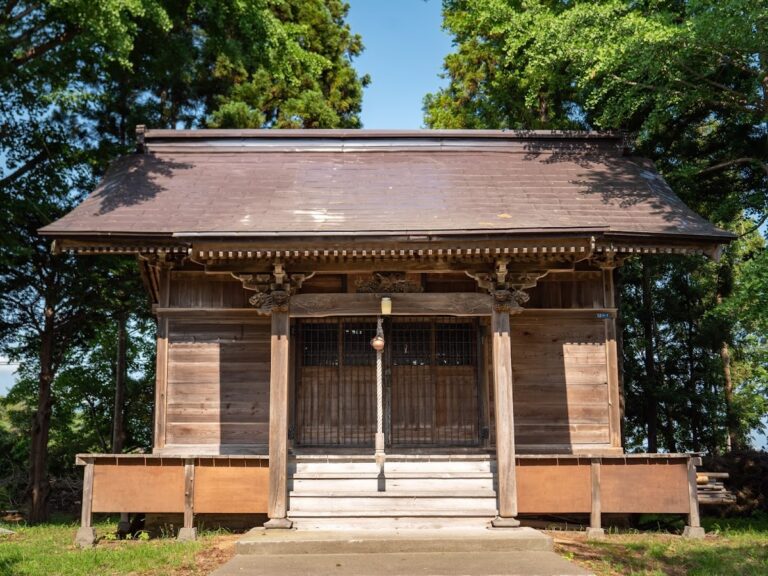
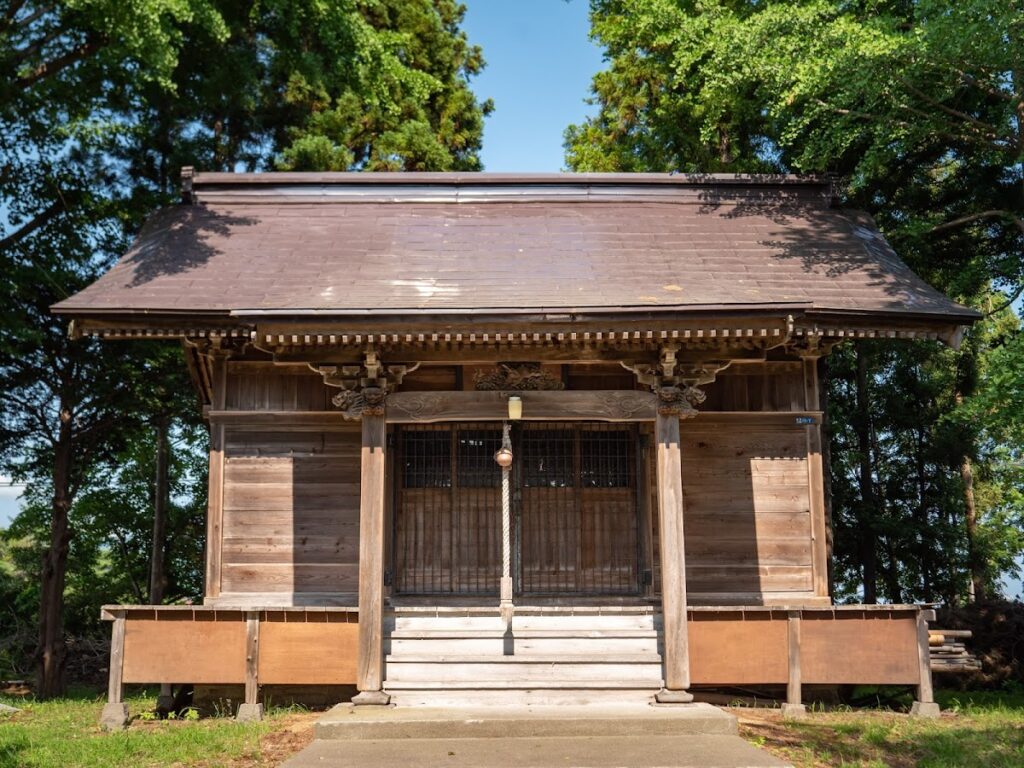
The current shrine building is based on the one rebuilt and relocated in 1901 (Meiji 34). Despite being located along National Route 5, a busy road, stepping onto the shrine grounds envelops you in a tranquil atmosphere. The shrine building maintains traditional shrine architectural styles while being adapted to the climate of Hokkaido.
Monument to the Site of the Emperor’s Stop
Within the shrine grounds stands a stone monument inscribed with “Site of the Emperor’s Stop.” This marks the location where Emperor Meiji temporarily stopped his vehicle during his tour of Hokkaido in July 1876 (Meiji 9). Erected in July of the same year, this monument is a valuable historical site demonstrating the historical importance of Hichiri Shrine.
Relationship with Sanryokaku
Near Hichiri Shrine is a place called “Sanryokaku.” Known as a fortified enclosure following Goryokaku and Shiryokaku, many details remain unknown, making it a subject of local historical research. Located on the Nanae side of the intersection of the Industrial Road and National Route 5, traces of it are said to remain within the grounds of Hichiri Shrine.
Annual Festival and Events of Hichiri Shrine
Autumn Grand Festival
The most important festival of Hichiri Shrine is the Autumn Grand Festival, held annually on September 2nd. This annual festival is known as the largest festival in the Kikyo district, and is a grand event in which all local residents participate.
The day before the annual festival, the Yoimiya Festival is held, with stalls lining the shrine grounds and many worshippers in attendance. Traditional Shinto rituals, such as the portable shrine procession and the dedication of Kagura (sacred dance), are performed solemnly, making it a place for the transmission of the region’s traditional culture.
Other Annual Events
Besides the Autumn Annual Festival, various festivals are held at Hichiri Shrine throughout the year. Traditional Japanese Shinto rituals such as the New Year’s Day Festival, Setsubun Festival, and Spring Annual Festival are carefully preserved by the local people. These events are important opportunities to deepen the bonds of the local community.
Access and Visiting Information for Hichiri Shrine
Location
Address: 1-chome, Kikyo, Hakodate City, Hokkaido 041-0808
Hichiri Shrine is located in the Kikyo district of Hakodate City, at the intersection of National Route 5 and the Industrial Road. It is approximately 10 kilometers northeast of central Hakodate.
Transportation Access
Access by Train:
- Approximately 15 minutes on foot from JR Hakodate Main Line “Kikyo Station”
- Also within walking distance from JR Hakodate Main Line “Nanaehama Station”
Access by Car:
- Located along National Route 5, but traffic is very heavy, so caution is advised.
- It is difficult to reach on the first try, so it is recommended to check the route in advance.
- Parking space is limited, so please consider using public transportation.
Precautions When Visiting
Because it is located near the intersection of two major roads, National Route 5 and the Industrial Road, extreme caution is required when visiting by car. Due to heavy traffic, it can sometimes be difficult to enter the shrine directly. First-time visitors are advised to check the detailed route using a map app beforehand.
The shrine grounds are relatively compact, but possess a quiet and peaceful atmosphere. It is also known as a power spot for local residents, and many people can be seen casually visiting during their walks.
Relationship between Hichiri Shrine and the Kikyo District
Role as a Local Guardian Shrine
Hichiri Shrine has functioned as the guardian shrine of the Kikyo district for over 100 years. A guardian shrine is a shrine that protects the land and region, serving as a spiritual pillar for local residents. Having grown alongside the development of the Kikyo district, Hichiri Shrine has become an integral part of the community’s identity.
Center of the Community
Annual events, including the grand festival, provide valuable opportunities for local residents to gather and interact. It maintains close ties with the Hakodate City Kikyo Town Association, contributing to the revitalization of the local community. In an era where community ties are weakening, Hichiri Shrine continues to play a vital role in connecting people.
The Faith and Benefits of Hichiri Shrine
The Faith of Prince Shotoku
Prince Shotoku is known for his efforts in promoting Buddhism, but he has also been revered in Shinto as “Prince Jogu.” He is also considered the god of learning and the guardian deity of architecture and craftsmanship, attracting the faith of people who pray for educational and technological advancement.
During the Hokkaido pioneering period, it is considered a natural progression that Prince Shotoku was enshrined there, as people prayed for the wisdom and skills necessary to build a foundation for life in this new land.
Expected Benefits
The following benefits are expected at Hichiri Shrine:
- Academic Achievement and Granting of Wisdom: Due to Prince Shotoku’s character as the god of learning
- Technical Improvement and Prosperity in Occupation: Due to its character as the guardian deity of architecture and craftsmanship
- Protection from Misfortune and Disaster: Due to the divine virtues of Susanoo-no-Mikoto
- Regional Peace and Safety and Family Safety: Due to its role as a guardian shrine
Hichiri Shrine and the Hokkaido Association of Shinto Shrines
Hichiri Shrine is one of the shrines belonging to the Hokkaido Association of Shinto Shrines. The Hokkaido Association of Shinto Shrines is an organization that oversees shrines in Hokkaido, providing support for shrine management, training of Shinto priests, and promoting Shinto culture.
Detailed information about Hichiri Shrine is available on the Hokkaido Association of Shinto Shrines website, where you can check its history and festival schedules. When visiting shrines in Hokkaido, it is a good idea to refer to the information provided by the Hokkaido Association of Shinto Shrines.
Highlights around Hichiri Shrine
History of the Kikyo District
The Kikyo district is located in the northeastern part of Hakodate City and has developed as a transportation hub since ancient times. There are several theories about the origin of the place name, including one that it originates from the Ainu language, and another that it comes from the fact that many bellflowers (kikyo) bloomed there.
Nearby Historical Sites
Around Hichiri Shrine, there are numerous historical sites related to the Meiji-era development, including the aforementioned Sanryokaku ruins. It is close to Hakodate city center and can be incorporated into a historical walking tour.
Guidelines for Visiting Hichiri Shrine
Etiquette for Visiting Shrine
When visiting Hichiri Shrine, please follow the general etiquette for visiting a shrine:
- Bow before passing through the torii gate: This is a courtesy before entering the sacred area.
- Purify yourself at the water basin: Purify your left hand, right hand, and mouth in that order.
- Avoid walking in the center of the approach: The center is considered the path of the gods.
- Worship in front of the main hall: The basic procedure is two bows, two claps, and one bow.
Best Time to Visit
Hichiri Shrine is open for visits throughout the year, but the following times are especially recommended:
- Early September: This is the time of the Autumn Grand Festival, when you can experience the most lively atmosphere.
- New Year: This is the time for Hatsumode (first shrine visit of the year) to pray for the new year.
- Spring to Autumn: This is a time when Hokkaido’s climate is mild and suitable for strolling.
The Future and Preservation of Hichiri Shrine
Cultural Value
Hichiri Shrine is a valuable cultural asset that conveys the history of Hokkaido’s pioneering era. Its historical and cultural value is highly regarded, including the monument commemorating Emperor Meiji’s visit and the continuation of the worship of Prince Shotoku by immigrants from the Kaga, Noto, and Etchu regions.
Local Preservation Activities
Preservation activities are continuously carried out by residents of the Kikyo district and the Kikyo Town Association of Hakodate City. Efforts to protect the shrine by the entire community, including cleaning the grounds and managing festivals, continue. Through these local efforts, Hichiri Shrine will be passed down to future generations.
Summary
Hichiri Shrine is a historical shrine located in Kikyo, Hakodate City, Hokkaido. It is a rare shrine that enshrines Prince Shotoku as its main deity, and has been revered as the guardian shrine of the region for over 160 years since its reconstruction in 1858.
Despite its location at a major transportation hub—the intersection of National Route 5 and the Industrial Road—the shrine grounds maintain a tranquil atmosphere and are cherished as a power spot by local residents. It is also a valuable historical site that tells the story of Hokkaido’s pioneering history, featuring a monument commemorating Emperor Meiji’s visit and evidence of the continued faith passed down by settlers from Kaga, Noto, and Etchu regions.
The annual Autumn Grand Festival, held on September 2nd, is the largest festival in the Kikyo district and an important event that strengthens the bonds of the local community. Many worshippers visit throughout the year seeking blessings for academic success, skill improvement, and protection from evil.
When sightseeing in Hakodate, visiting local shrines like this one, in addition to the famous tourist spots in the city center, will allow you to experience Hokkaido’s history and culture more deeply. Hichiri Shrine is a special place where you can feel the faith of the people who pioneered Hokkaido and the community bonds that continue to this day.