About Higashi-Fushimi Inari Shrine
Higashi-Fushimi Inari Shrine is an Inari shrine located in Higashi-Fushimi, Nishitokyo City, Tokyo. Founded in 1929 (Showa 4) by inviting a divided spirit from Fushimi Inari Taisha in Kyoto, it is known as one of the leading Inari shrines in the Kanto region.
Deities and Divine Virtues
The main deities are Ukanomitama-no-Okami, Satahiko-no-Okami, and Omiyanome-no-Okami. As Inari deities, they are believed to bestow blessings of abundant harvests, business prosperity, family safety, and the fulfillment of all wishes.
History of Founding
In the early Showa period, a plan was made to invite a divided spirit from Fushimi Inari Taisha in Kyoto to Tokyo, with the hope of developing this region. With the cooperation of Seibu Railway, the station name was also changed to “Higashi-Fushimi,” and there is a history of the shrine and the surrounding area developing together.
Highlights of the Shrine Grounds
Vermilion Torii Gates and Approach
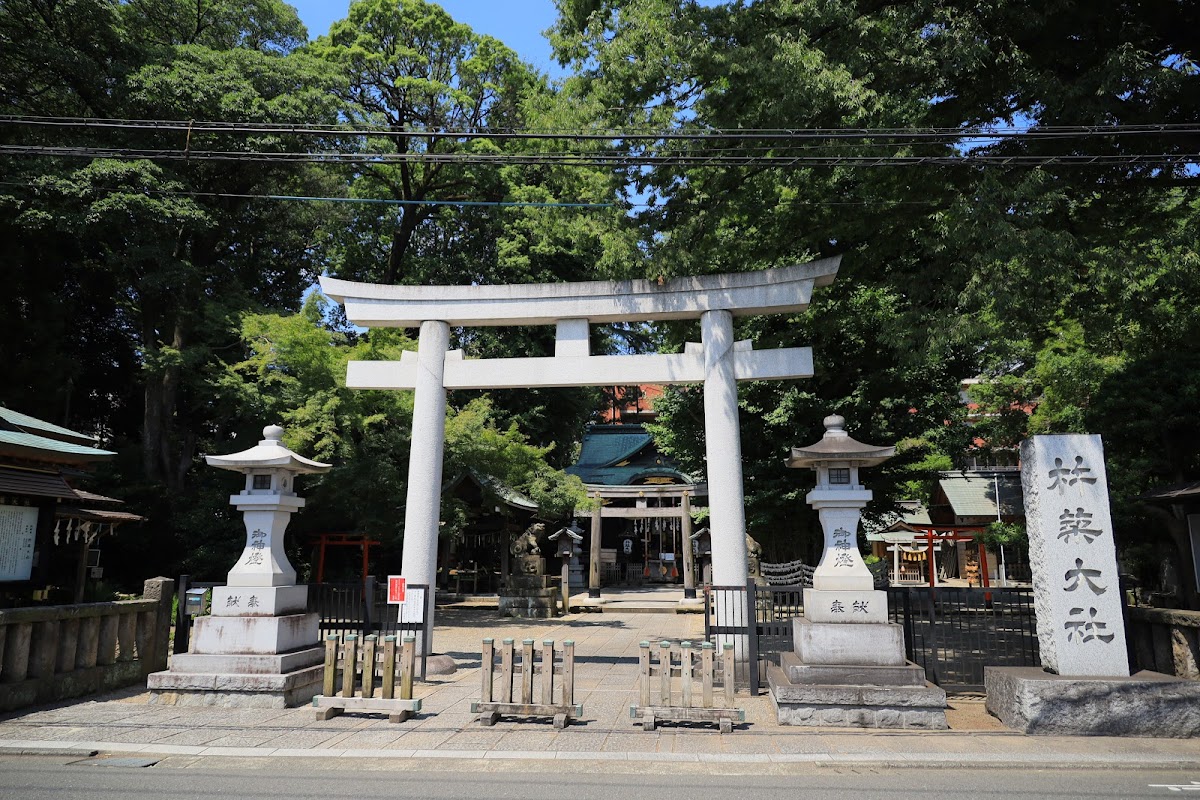
The shrine grounds are lined with vermilion torii gates reminiscent of Fushimi Inari Taisha, creating a mystical atmosphere. The approach, as you pass through the torii gates, is a tranquil space that makes you forget the hustle and bustle of the city.
Main Hall and Worship Hall
The main hall, which retains the architectural style of the early Showa period, is a dignified structure that follows the style of Fushimi Inari Taisha. In front of the worship hall, there are fox statues instead of guardian lions, creating a landscape unique to Inari shrines.
Subsidiary Shrines and Auxiliary Shrines
There are several subsidiary shrines within the grounds, each with its own unique blessings. When visiting, it is recommended to pay your respects not only to the main hall but also to these subsidiary shrines.
Points for Visiting a Shrine
Etiquette for Visiting a Shrine
While the basic method of visiting an Inari shrine is “two bows, two claps, one bow,” at Higashi-Fushimi Inari Shrine, the following procedure is followed:
- Bow before passing through the torii gate: As a sign of respect before entering the sacred area.
- Purify yourself at the water basin: Left hand → Right hand → Mouth → Handle of left hand in that order.
- Pray at the main shrine: Offer a coin → Bell → Two bows, two claps, one bow.
- Visit the subsidiary shrines: If time permits, visit each of the subsidiary shrines as well.
Recommended Visiting Time
Early morning (7:00-9:00) is less crowded, allowing for a peaceful and tranquil visit. Also, Hatsuumasai (the first day of the horse in February) and Reitaisai (the annual grand festival in November) feature special rituals and attract many visitors.
Offerings and Goshuin (Shrine Seals)
The shrine office offers various amulets, talismans, and goshuin. The business prosperity amulet and the good fortune Inari amulet are particularly popular. In addition to the regular goshuin, seasonal designs are sometimes available.
Benefits and Faith
Business Prosperity and Success
Business prosperity, a representative benefit of Inari shrines, is the reason many business owners and sole proprietors visit the shrine. Many also visit when starting a new business or during the end of the fiscal year.
Family Safety and Protection from Evil
Family safety, a prayer for the health and safety of family members, is also deeply revered. Visiting the shrine to pray for protection from evil during unlucky years and at important family milestones is a deeply rooted custom in the community.
Abundant Harvest and Fulfillment of Wishes
In addition to the original Inari worship of abundant harvests, in modern times, Inari is revered as a god of fulfillment of all wishes, granting success in exams, job hunting, and finding a good partner, among other things.
Access Information
Access by Train
Using the Seibu Shinjuku Line
- Get off at Higashi-Fushimi Station on the Seibu Shinjuku Line, and walk approximately 5 minutes from the North Exit.
- Approximately 25 minutes by express train from Shinjuku Station, approximately 35 minutes by local train.
- There are signs guiding you from the station to the shrine, so you can arrive without getting lost.
From Other Lines
- Approximately 20 minutes by bus from JR Chuo Line “Kichijoji Station,” and get off at “Higashi-Fushimi Inari Shrine.”
- Approximately 15 minutes by bus from JR Chuo Line “Mitaka Station,” and get off at “Higashi-Fushimi Inari Shrine.”
Access by Car
- Approximately 15 minutes from Chofu IC on the Chuo Expressway.
- Approximately 20 minutes from Nerima IC on the Kan-Etsu Expressway.
- There is a free parking (approximately 30 spaces) for visitors on the shrine grounds.
- It gets crowded during the New Year’s period and festivals, so the use of public transportation is recommended.
Nearby Parking
If the shrine’s parking lot is full, you can use the coin-operated parking lots around Higashi-Fushimi Station (several within a 5-7 minute walk).
Visiting Information
Basic Information
- Address: 1-5-38 Higashi-Fushimi, Nishi-Tokyo City, Tokyo 202-0021
- Phone: 042-461-1125
- Visiting Hours: Grounds are open freely (Shrine office is open from 9:00 to 17:00)
- Closed Days: None
- Official Website: Yes (Check the official website for the latest information)
Annual Events
- Hatsuumasai (First Horse Day Festival): First Horse Day in February
- Spring Grand Festival: April
- Summer Purification Ceremony: June 30th
- Autumn Grand Festival: November
- Year-End Purification Ceremony: December 31st
Nearby Tourist Attractions
Around Higashi-Fushimi Inari Shrine, there are many nature-rich tourist spots such as Shakujii Park (approximately 10 minutes by car) and Inokashira Park (approximately 15 minutes by car). Enjoying a stroll in addition to your visit to the shrine is highly recommended.
Summary
Higashi-Fushimi Inari Shrine is a valuable shrine in the Kanto region where you can experience authentic Inari worship. It’s a recommended spot for those praying for business prosperity and family safety, as well as those who want to enjoy the beautiful scenery of rows of vermilion torii gates. It’s easily accessible, just a 5-minute walk from Higashi-Fushimi Station on the Seibu Shinjuku Line.