Hiro Shrine (Hiroshima Prefecture) Complete Guide | A Thorough Explanation of History, Deities, Blessings, and Visiting Information
Located in Higashihiroshima City, Hiroshima Prefecture, Hiro Shrine is a venerable shrine deeply intertwined with the local history. This article provides a detailed explanation of everything you need to know before visiting, including the shrine’s historical background, its enshrined deities and their blessings, highlights within the grounds, visiting information, and access methods.
What is Hiro Shrine?
Hiro Shrine (Hiro Jinja) is a shrine located in Higashihiroshima City, Hiroshima Prefecture, and is a historical shrine that has been revered by local residents for many years. It has a deep connection to the place name “Hiro” and is known as a shrine that has walked hand in hand with the development of this region.
Nestled in a quiet environment, Hiro Shrine offers a tranquil atmosphere away from the hustle and bustle of the city, providing peace of mind to visitors. In recent years, it has attracted many visitors not only from the local area but also from within and outside the prefecture.
History and Origins of Hiro Shrine
Origin of Founding
While there are various theories regarding the founding date of Hiro Shrine, it is certain that it has existed as a guardian shrine of this region since ancient times. As the region was developed and cultivated, it played an important role as a spiritual center for the residents.
The name of the shrine, “Hiro,” is believed to originate from an old place name in this area. From ancient to medieval times, this area was a settlement centered on agriculture, and it is thought that the shrine was built as a place to pray for abundant harvests and the peace of the region.
Historical Changes
Hiro Shrine has experienced various changes with the passage of time. During the Sengoku period, it attracted the faith of local warlords, and during the Edo period, it was developed as the guardian shrine of the region.
Despite being affected by the Meiji-era separation of Shinto and Buddhism and the shrine consolidation policy, it survived thanks to the fervent faith of local residents and has been carefully preserved to this day. From the Showa to the Heisei period, the shrine buildings were repaired and the grounds were improved, creating a more accessible environment for worshippers.
Historical Changes
Hiro Shrine has experienced various changes with the passage of time. During the Sengoku period, it attracted the faith of local warlords, and during the Edo period, it was developed as the guardian shrine of the region.
Despite being affected by the Meiji-era separation of Shinto and Buddhism and the shrine consolidation policy, it survived thanks to the fervent faith of local residents and has been carefully preserved to this day. ## Deities and Benefits
Deities
The deities enshrined at Hiro Shrine are gods who have been revered as guardian deities of the region. Like many local shrines, it is believed that the enshrined deities are gods of agriculture and the land.
Some shrines enshrine multiple deities, reflecting the history and changes in local beliefs.
Benefits
The main benefits you can expect at Hiro Shrine include the following:
Abundant Harvest and Business Prosperity
As a local shrine based on agriculture, it is believed to offer blessings for abundant harvests. In modern times, many visitors come to pray for business prosperity and success.
Family Safety and Community Peace
As a guardian deity of the region, it has been worshipped as a god protecting family health and the peace of the entire community. Many people visit seeking blessings for family safety.
Protection from Evil and Good Fortune
This shrine is also a popular place to pray for protection from evil and good fortune during life’s milestones and difficult times.
Highlights of the Shrine Grounds
Main Hall and Worship Hall
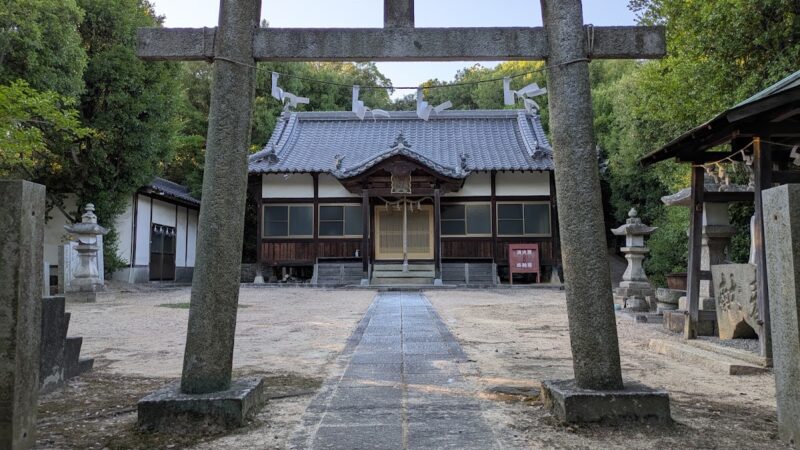
The main hall and worship hall of Hiro Shrine are built in the traditional style of shrine architecture, exuding a sense of historical weight. The beauty of the wooden architecture harmonizes with the dignified appearance that has withstood the elements for many years.
The worship hall provides a space for quiet, heartfelt prayer. The shrine grounds, which show different expressions with each season, offer new discoveries with every visit.
Subsidiary Shrines and Auxiliary Shrines
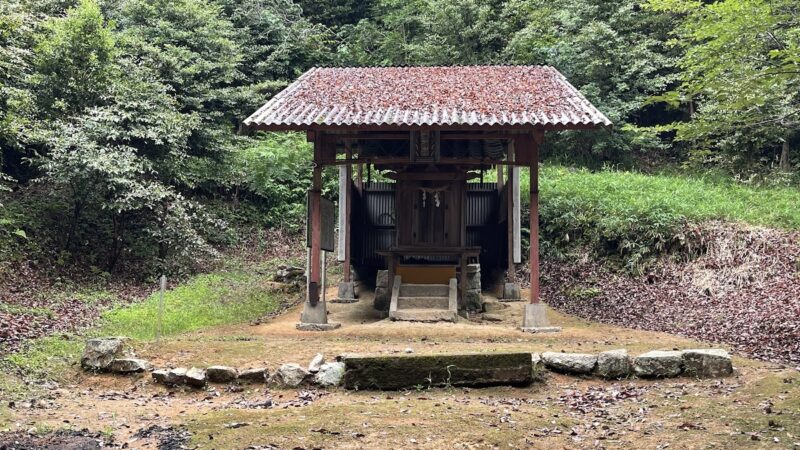
Several subsidiary shrines and auxiliary shrines may be located around the main hall. Each of these small shrines has its own unique origin and beliefs, reflecting the diversity of local faith.
Sacred Trees and Natural Environment
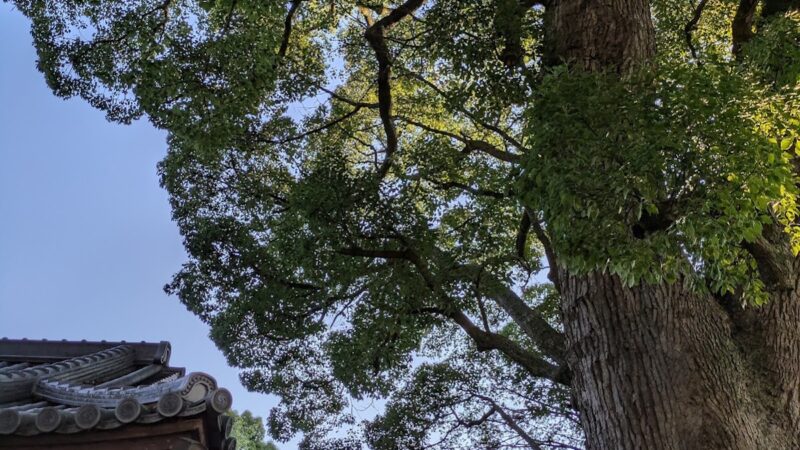
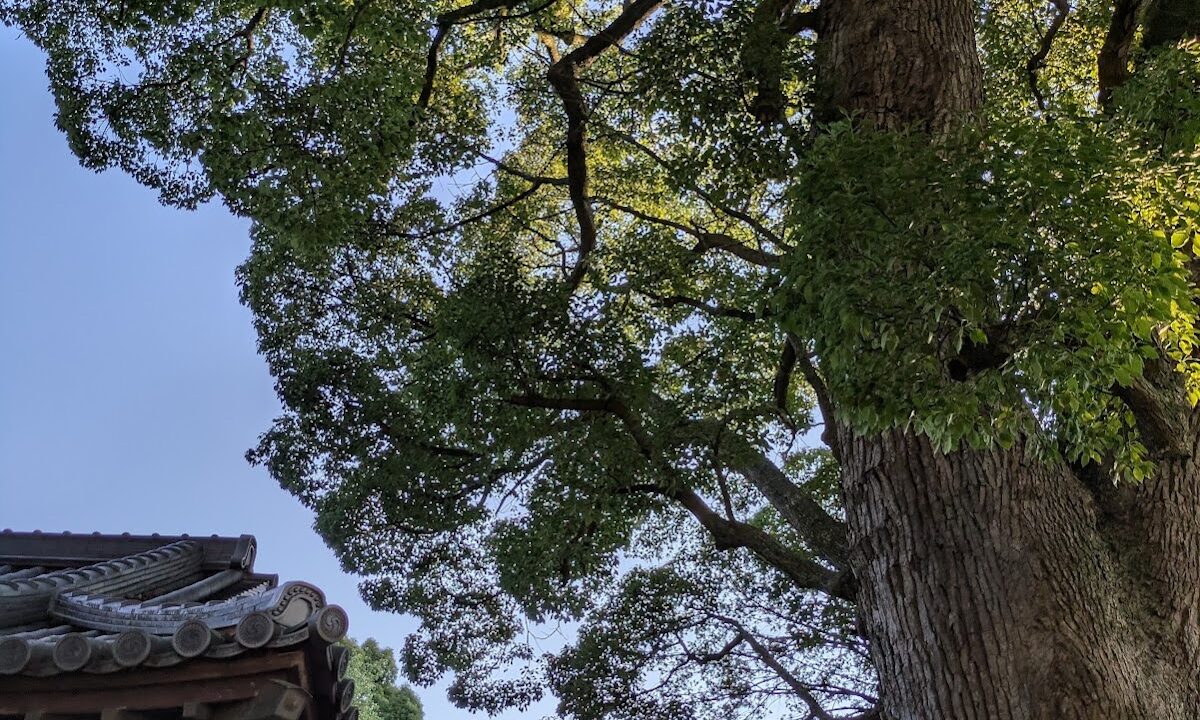
Shrine grounds sometimes contain sacred trees or ancient trees that have stood for many years. These trees are living witnesses to the history of the shrine, creating a sacred atmosphere.
The changing seasons are also one of the charms of Hiro Shrine. You can enjoy different beauty in each season: fresh greenery in spring, deep green in summer, vibrant autumn leaves, and a serene snowscape in winter.
Stone Monuments and Memorials
Within the shrine grounds, there are sometimes stone monuments and memorials that record the history of the shrine and local events. These are valuable resources for understanding the history of the shrine.
Annual Events and Festivals
Grand Festival
Hiro Shrine holds various Shinto rituals and festivals throughout the year. The Grand Festival, in particular, is one of the most important annual events for the shrine.
During the Grand Festival, local residents gather, and events such as a portable shrine procession and offering ceremonies may take place. It is an important opportunity to strengthen the bonds of the local community.
New Year’s Visit
Many people from the community visit the shrine for their first shrine visit of the new year. The shrine is bustling with people praying for safety and prosperity throughout the year.
Other Annual Events
Traditional Shinto rituals related to agriculture, such as the Spring Kinensai (Harvest Festival) and the Autumn Niinamesai (Harvest Festival), are also carefully preserved. These events play a role in passing on Japan’s traditional culture to future generations.
Etiquette and Manners for Visiting the Shrine
Basic Etiquette for Visiting the Shrine
When visiting Hiro Shrine, please observe the following basic etiquette:
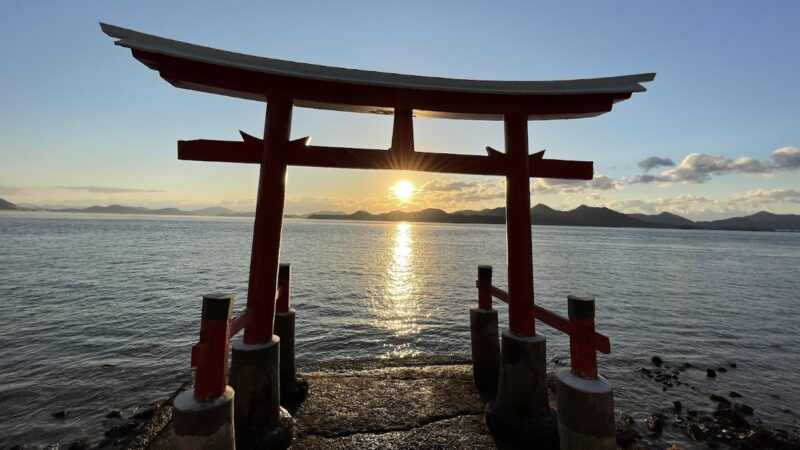
- Bow Before Passing Through the Torii Gate
As a sign of respect before entering the sacred area, bow before the torii gate.
- Walking Along the Path
The center of the path is considered the path of the gods, so it is preferable to walk along the sides.
- Purify Yourself at the Water Basin
If there is a water basin, purify your left hand, then your right hand, and then your mouth.
- Worship at the Main Hall
The general etiquette is two bows, two claps, and one bow. Worship with sincerity.
Attire for Worship
Unless it’s a special festival or formal worship, everyday clothing is acceptable, but please be mindful of the sacred nature of the place and dress accordingly.
Photography Etiquette
Photography is generally permitted on the shrine grounds, but there may be restrictions inside the main hall or during religious ceremonies. If unsure, please check with the shrine staff.
Access and Transportation Information
Location
Hiro Shrine is located in Higashihiroshima City, Hiroshima Prefecture. For the specific address, it is recommended to check the latest information before visiting.
Access by Public Transportation
Using JR
The most common route is to take a bus or taxi from the nearest station. Checking access from major stations in Higashihiroshima City in advance will make your visit smoother.
Using Buses
Local community buses and regular bus routes may be available. Since the number of bus services may be limited, it is important to check the timetable.
Access by Car
Access from the Expressway
You can access the shrine via local roads from the nearest interchange on the Sanyo Expressway. Enter the shrine name or address into your car navigation system and head there.
Parking Information
The availability and number of parking spaces vary depending on the size of the shrine. On days when congestion is expected, such as during festivals, consider using public transportation.
Landmarks in the Area
Using major roads and buildings in the area as landmarks will make it easier for first-time visitors to find the shrine. When asking locals for directions, simply mentioning “Hiro Shrine” should allow them to guide you.
Precautions During Your Visit
Visiting Hours
While shrines are generally open 24 hours for worship, the hours of the shrine office are limited. If you wish to obtain a goshuin (shrine stamp) or amulet, it is recommended to visit during daytime hours.
Seasonal Precautions
Summer
Prepare a hat and water to protect yourself from the heat. Insect repellent spray is also helpful.
Winter
Take precautions against the cold and be careful of your footing when there is snow.
Rainy Weather
The path to the shrine may become slippery, so please watch your step.
Accessibility Information
Due to the structure of the shrine, there may be steps or stairs. If you plan to visit using a wheelchair or stroller, we recommend checking in advance.
Goshuin (Shrine Seals) and Other Items
About Goshuin
Hiro Shrine may offer Goshuin. Goshuin are popular as proof of your visit and as a tangible representation of your connection with the shrine.
When receiving a Goshuin (temple/shrine stamp), please note the following:
- It is considered good manners to receive it after praying.
- Bring your Goshuincho (stamp book).
- Prepare a donation (generally around 300-500 yen).
- Visit during the shrine office’s operating hours.
Amulets and Souvenirs
Shrines often offer a variety of amulets and souvenirs. You can choose an amulet according to your purpose, such as traffic safety, academic success, or family safety.
Nearby Tourist Attractions
Highlights of Higashihiroshima City
When visiting Hiro Shrine, it is recommended to also visit other tourist attractions in Higashihiroshima City.
Sake Brewery Street
The Saijo district of Higashihiroshima City is known as one of Japan’s three major sake-producing areas. The townscape lined with historic sake breweries is perfect for a stroll.
Hiroshima University
Higashihiroshima City is home to the Hiroshima University campus, giving it an academic character.
Other Shrines and Temples
There are many other historical shrines and temples scattered throughout Higashihiroshima City, making it a great place to enjoy a shrine tour.
Local Cuisine
When visiting Higashihiroshima City, be sure to enjoy the local food culture. You can savor dishes using Japanese sake and gourmet food unique to Hiroshima Prefecture.
The Charm of Hiro Shrine and Reasons to Visit
History Rooted in the Community
The greatest charm of Hiro Shrine is that it conveys the history and culture of the region to the present day. Unlike large-scale tourist shrines, it has the warmth and approachability unique to a community-oriented shrine.
A Quiet Worship Environment
Another major attraction is the quiet environment away from the hustle and bustle of the city, allowing you to worship at your own pace and find peace of mind. It’s the perfect place to escape the busyness of everyday life and find inner peace.
Beauty in the Seasons
The natural environment of the shrine grounds shows different expressions with each season. Even after multiple visits, you’ll find fresh discoveries and feel the changing seasons.
Connections with the Local Community
Through local festivals and events, you can have opportunities to interact with local people. This will be a valuable experience to immerse yourself in local culture.
Summary
Hiro Shrine is a historic shrine located in Higashihiroshima City, Hiroshima Prefecture, and has been cherished by the local people for many years. It is believed to offer various blessings, including abundant harvests, family safety, and protection from evil, and you can offer heartfelt prayers in a quiet and peaceful environment.
Unlike large-scale tourist shrines, it has the unique charm of a shrine rooted in the community, providing peace of mind to visitors. When visiting Higashihiroshima City, be sure to visit Hiro Shrine.
When visiting, please observe basic etiquette and manners, and be mindful that it is a sacred place. You will surely spend a refreshing time in the shrine grounds, where you can feel the beauty of nature in every season and the weight of history.
Visiting it in conjunction with other nearby tourist spots such as Higashihiroshima City’s Sake Brewery Street will create even more fulfilling travel memories. May your visit to Hiro Shrine bring you good fortune and blessings.