Sumiyoshi Shrine (Takahata, Kofu City, Yamanashi Prefecture): History and Goshuin (Shrine Seal) | A Historic Shrine Founded by Emperor Shomu
Sumiyoshi Shrine, located in Kofu City, Yamanashi Prefecture, is a historic shrine founded during the reign of Emperor Shomu in the Nara period. Originally located in the Takahata area on the west bank of the Arakawa River, it was relocated by Takeda Nobuyoshi of the Kai Genji clan and has been revered by successive generations of the Takeda family. This article provides a detailed introduction to Sumiyoshi Shrine, including its history, origins, goshuin (shrine seal), annual festival, and access information.
History and Founding of Sumiyoshi Shrine
Founding during the Reign of Emperor Shomu
The founding of Sumiyoshi Shrine dates back to the Tenpyo era (724-749), during the reign of Emperor Shomu, the 45th emperor of Japan. At that time, the Kofu Basin was a period when an ancient lake was gradually receding, and fertile land was being developed. The people built a village in an area they named Takahata, but due to its topography, it suffered from frequent floods.
To ward off these floods and pray for abundant harvests and the prosperity of the village, they enshrined the three Sumiyoshi gods, the deities of flood control. This marked the beginning of Sumiyoshi Shrine. Located on the banks of the Arakawa River within Takahata Village, it became the local tutelary deity, revered as the god of water transport and flood control.
About the Deities
The deities enshrined at Sumiyoshi Shrine are the three Sumiyoshi gods, known as gods of the sea:
- Sokotsutsu-no-Mikoto
- Nakatsutsu-no-Mikoto
- Uwatsutsu-no-Mikoto
These three deities have been worshipped since ancient times as gods of safe voyages, protection of water transport, and flood control. Despite being located in the inland region of Yamanashi Prefecture, the fact that Sumiyoshi-jinja was enshrined there as a measure against flooding from the Arakawa River speaks volumes about the earnest wishes of the people at that time.
Relocation by Takeda Nobuyoshi and the Takeda Family’s Reverence
Relocation to Ichijo-Koyama in the Late Heian Period
At the end of the Heian period, during the time of Takeda Taro Nobuyoshi, the ancestor of the Kai Minamoto clan, Sumiyoshi Shrine underwent a major turning point. Following a divine oracle from Lord Nobuyoshi, the shrine was relocated from Takahata to Inazumi-sho Ichijo-go (Ichijo-Koyama), and a shrine building was constructed. This Ichijo-Koyama is the site where Kofu Castle was later built, the current Maizuru Castle Park.
Takeda Nobuyoshi was a warrior who played an active role in the Genpei War as the leader of the Kai Minamoto clan. It is believed that his relocation of Sumiyoshi Shrine to Ichijo-Koyama had military and political intentions. By relocating the shrine to a location close to his residence, he positioned it as the guardian deity of the Takeda family. ### The Guardian Deity of the Takeda Family’s Military Camps
Since its relocation to Ichijo-Koyama, Sumiyoshi Shrine has been deeply revered as the guardian deity of the Takeda family’s military camps for generations. Respected as the guardian deity of Kai Province, its influence grew alongside the prosperity of the Takeda clan.
Even during the time of Takeda Shingen, Sumiyoshi Shrine was positioned as an important shrine and is believed to have functioned as one of the Takeda family’s places of prayer. The relationship between the Takeda family and Sumiyoshi Shrine was not merely a matter of faith, but also a political and military connection.
Relocation during the Bunroku Era and Relocation to the Current Location
Relocation Due to the Construction of Kofu Castle
In 1582 (Tensho 10), when the Takeda family fell, a major change occurred in the history of Sumiyoshi Shrine. When Asano Nagamasa and his son Yukinaga, vassals of Toyotomi Hideyoshi, began construction of Kofu Castle, Sumiyoshi Shrine, located on Ichijo-Koyama, was forced to relocate.
During the Bunroku era (1592-1596), Sumiyoshi Shrine was relocated to Azemura (present-day Sumiyoshi, Kofu City). This marked its relocation to its current site. As part of the large-scale urban planning for the construction of Kofu Castle, Sumiyoshi Shrine acquired a new location.
Continuation of Faith at the Current Location
Even after relocating to its current site, Sumiyoshi Shrine continued to attract worshippers as the local tutelary deity and a historically significant shrine of Kai Province. Even after the fall of the Takeda clan, it was protected by parishioners and worshippers throughout the Edo period and into the Meiji era.
As a former village shrine, Sumiyoshi Shrine remains a deeply rooted place of worship in the community and is a valuable cultural heritage of Kofu City with a history of nearly 1300 years.
Sumiyoshi Shrine’s Annual Festival and Rice Planting Ritual
Spring Annual Festival
Sumiyoshi Shrine holds its annual spring festival every year. This annual festival is an important Shinto ritual praying for a bountiful harvest and the prosperity of the parishioners. It is a valuable opportunity for local people to gather and to pass on the history and traditions of the shrine.
At the spring festival, Shinto rituals such as the recitation of prayers by the priests and the offering of sacred branches are solemnly performed. Representatives of the parishioners and other local stakeholders attend, expressing their gratitude to Sumiyoshi Shrine and praying for its continued protection.
Summer Festival and the Traditional Rice Planting Ritual
The most distinctive ritual of Sumiyoshi Shrine is the Rice Planting Ritual performed at the summer festival. This ritual is a traditional event praying for a bountiful rice harvest, and has been passed down since ancient times.
The Rice Planting Ritual involves a ceremony mimicking the actions of rice planting. This is not merely a formal ritual, but a Shinto ceremony imbued with the prayers of the local community based on agriculture. The fact that this tradition continues even today demonstrates the strong connection between Sumiyoshi Shrine and the local community.
Sumiyoshi Shrine, founded as a shrine dedicated to the god of water and flood control, continues to cherish and preserve rice cultivation rituals, which symbolizes the essential role of the shrine.
Goshuin (Shrine Seal) and Visiting Information
Sumiyoshi Shrine’s Goshuin
You can receive a goshuin at Sumiyoshi Shrine. The goshuin features the calligraphy of “Sumiyoshi Shrine” and the shrine’s seal. As a goshuin of a historical shrine, it is received by many visitors.
When requesting a goshuin, please speak to a shrine official at the shrine office. However, since the priest may not always be present, it is recommended to call ahead to confirm availability if you are certain you will receive a goshuin.
Manners and Etiquette for Visiting the Shrine
When visiting Sumiyoshi Shrine, please observe the following basic manners:
- Bow before the Torii Gate: Before entering the shrine grounds, bow before the Torii gate.
- Purify at the Water Basin: Purify your hands and mouth before praying.
- Two Bows, Two Claps, One Bow: At the front of the main hall, pray using the two bows, two claps, and one bow ritual.
- Pray Quietly: Pray quietly and with reverence within the shrine grounds.
Highlights of the Shrine Grounds
Shrine Architecture
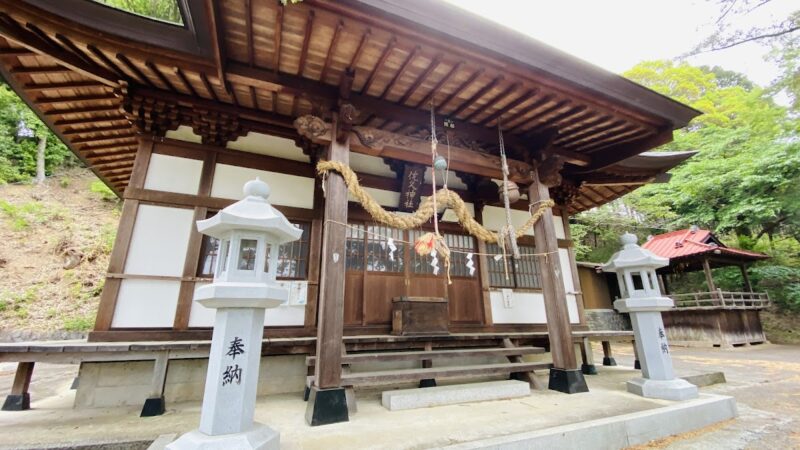
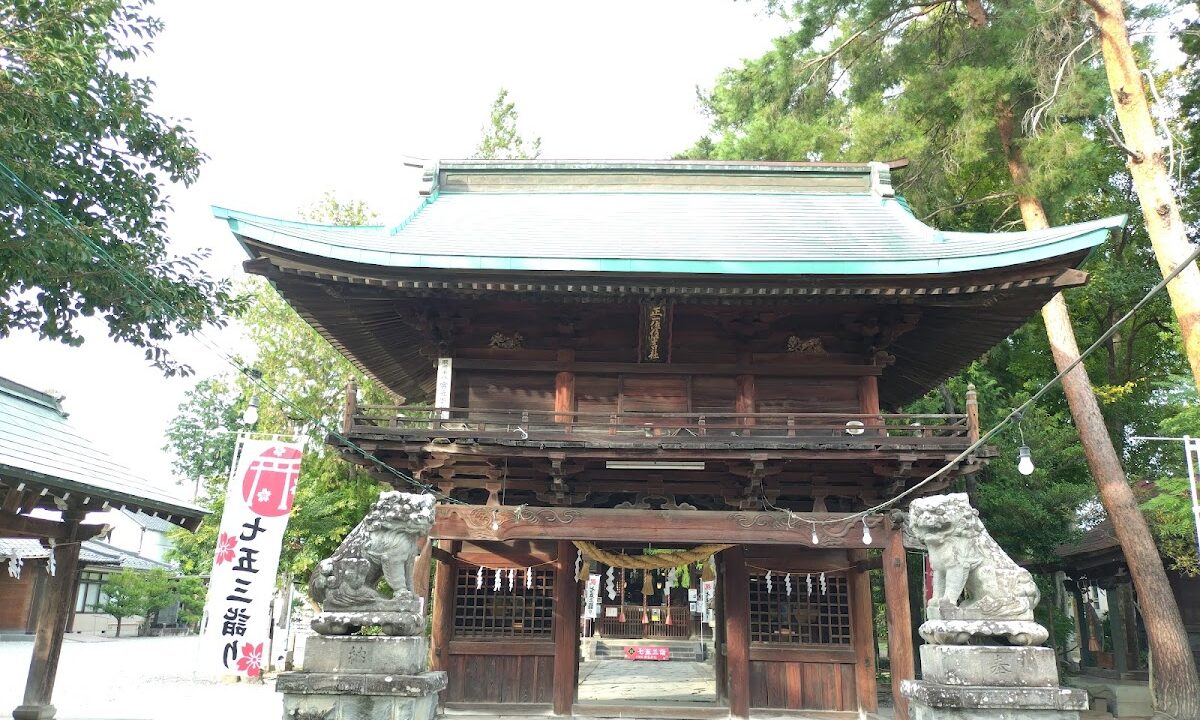
Since its relocation to its current location, Sumiyoshi Shrine’s buildings have undergone several renovations, but they maintain the traditional style of shrine architecture. Both the main hall and the worship hall are simple yet exude a sense of dignity.
Atmosphere of the Shrine Grounds
Despite being located in an urban area, Sumiyoshi Shrine maintains a tranquil atmosphere. Ancient trees line the grounds, creating a space that evokes a sense of history. Escape the hustle and bustle of everyday life and enjoy a peaceful environment for worship.
Access and Basic Information
Address and Map
Address: 1-13-10 Sumiyoshi, Kofu City, Yamanashi Prefecture 400-0067
Sumiyoshi Shrine is located in the Sumiyoshi district of Kofu City and is easily accessible from Kofu Station.
Access by Public Transportation
From JR Kofu Station:
- Approximately 15 minutes on foot from the South Exit of Kofu Station
- By bus: Get off at the “Sumiyoshi” bus stop (Yamanashi Kotsu Bus), approximately 3 minutes on foot
It’s also possible to walk to the shrine from Kofu Station. We recommend taking a leisurely stroll through Kofu city on your way there.
Access by Car and Parking
Access by Car:
- Approximately 15 minutes from the Kofu-Showa Interchange on the Chuo Expressway
- Approximately 10 minutes from the Kofu-Minami Interchange on the Chuo Expressway
Parking: There is parking space for visitors on the shrine grounds. However, congestion is expected during events such as the annual festival, so we recommend using public transportation.
Visiting Hours
While visiting the shrine grounds is generally free, there are limited hours for receiving Goshuin (shrine stamps) and prayers at the shrine office. If you wish to be sure of receiving these services, we recommend contacting the shrine in advance.
Nearby Tourist Attractions
Maizuru Castle Park (Kofu Castle Ruins)
The Ichijo-Koyama hill where Sumiyoshi Shrine once stood is now Maizuru Castle Park. The stone walls and castle tower base of Kofu Castle remain, making it a tourist spot where you can feel the history of Kofu City. Visiting it in conjunction with a visit to Sumiyoshi Shrine will allow you to understand the historical changes of the shrine more deeply.
Takeda Shrine
As a representative shrine of Kofu City, there is Takeda Shrine, which enshrines Takeda Shingen. Considering the deep relationship between Sumiyoshi Shrine and the Takeda family, visiting Takeda Shrine as well will allow you to understand the history of Kai Province in a more comprehensive way.
Exploring Kofu City
The area around Sumiyoshi Shrine is located in the city center of Kofu, and is full of restaurants and shopping streets. Before or after your visit to the shrine, we recommend enjoying Kofu’s local cuisine, such as “houtou” (a type of noodle dish) or “torimotsu-ni” (chicken giblet stew).
Historical Connections Between Sumiyoshi Shrine and Kofu
Development and Flood Control of the Kofu Basin
The founding of Sumiyoshi Shrine is deeply intertwined with the history of the development of the Kofu Basin. In the Kofu Basin, which became land after an ancient lake receded, flood control was of paramount importance. The fact that the people of Takahata, who suffered from the flooding of the Arakawa River, invited the Sumiyoshi deity to the shrine reflects their earnest wishes at the time.
The Kai Genji and Shrine Worship
The relocation of the shrine to Ichijo-Koyama by Takeda Nobuyoshi is closely related to the expansion of the Kai Genji’s power. It is believed that the intention was to enhance the legitimacy and authority of the Takeda family by placing the shrine near political and military strongholds.
Urban Development of Early Modern Kofu
The relocation to its current location during the Bunroku era was part of a large-scale urban plan for the formation of Kofu’s castle town. This relocation gave Sumiyoshi Shrine a new role as the tutelary deity of the castle town.
The Significance of Sumiyoshi Shrine in Modern Times
Center of the Local Community
Even today, Sumiyoshi Shrine plays a central role in the community as the local tutelary deity. Through events such as the annual festival, it serves as a place for interaction among local residents and a place for the transmission of traditional culture.
Preservation of Historical and Cultural Heritage
With a history of nearly 1300 years, Sumiyoshi Shrine is a valuable cultural heritage of Kofu City and Yamanashi Prefecture. With its long history dating back to the reign of Emperor Shomu, its connection to the Takeda family, and its relocation due to the construction of Kofu Castle, Sumiyoshi Shrine embodies the history of Kai Province, making its preservation and transmission of tradition of great significance.
Value as a Tourist Resource
For history enthusiasts and collectors of Goshuin (temple/shrine stamps), Sumiyoshi Shrine is a worthwhile visit. As part of your Kofu sightseeing, understanding its historical background while visiting will provide a deeper experience.
Points to Note and Recommended Times for Visiting
During the Grand Festival
For those who want to experience Sumiyoshi Shrine at its most vibrant, we recommend visiting during the Spring or Summer Grand Festival. The Summer Grand Festival, in particular, with its rice planting ritual, offers a valuable opportunity to witness traditional events.
For Those Who Want a Quiet Visit
On the other hand, for those who prefer a quiet visit, weekday mornings are suitable. You can slowly reflect on history in the tranquil atmosphere of the shrine grounds.
Scenery of the Four Seasons
The grounds of Sumiyoshi Shrine display different expressions throughout the four seasons. The fresh greenery of spring, the deep green of summer, the vibrant autumn leaves, and the tranquility of winter offer unique pleasures to experience in each season.
Summary
Sumiyoshi Shrine in Kofu City, Yamanashi Prefecture, is a venerable shrine with a history of nearly 1300 years, founded in Takahata during the reign of Emperor Shomu. It was relocated to Ichijo-Koyama by Takeda Nobuyoshi of the Kai Genji clan, and after receiving the reverence of successive generations of the Takeda family, it was moved to its current location with the construction of Kofu Castle.
Founded as the god of flood control and water transport, Sumiyoshi Shrine is deeply intertwined with the history of development in the Kofu Basin. It flourished as the guardian deity of the Takeda family’s military camps and is now cherished as the local tutelary deity.
Sumiyoshi Shrine possesses many attractions, including traditional events such as the rice planting ritual, its Goshuin (shrine seal), and its historical value. When you visit Kofu, be sure to pay your respects at Sumiyoshi Shrine and experience its long history and traditions. Its convenient location, easily accessible from Kofu Station, makes it an attractive addition to your Kofu sightseeing itinerary.
Through a visit to Sumiyoshi Shrine, you can feel the history of Kai Province, the glory of the Takeda family, and the local faith that continues to this day.