Complete Guide to Hofukuji Temples: A Thorough Explanation of the Charm and Characteristics of Historic Temples Across Japan
There are several temples named Hofukuji (or Hofukuji) throughout Japan. Most belong to the Soto Zen sect, and each is a fascinating temple with its own unique history and cultural assets. This article provides a comprehensive explanation of the major Hofukuji temples, covering their history, architecture, cultural assets, and access methods.
What is Hofukuji?
Hofukuji is the name of a group of temples scattered throughout Japan, primarily known as Zen temples of the Soto sect. The name “Hofuku” means “to preserve good fortune,” and these temples have a long history as centers of faith for local people. Each Hofukuji temple has a different mountain name and possesses its own unique origins and cultural assets.
Hofuku-ji Temple (Eianzan Hofuku-ji Temple), Matsumoto City, Nagano Prefecture
History and Origin
Located in Hofuku-ji-cho, Shiga, Matsumoto City, Nagano Prefecture, Eianzan Hofuku-ji Temple is one of the most famous Hofuku-ji temples. This temple was founded by Rankei Doryu and later restored by Zen Master Daikaku of Kencho-ji Temple in Kamakura.
Originally a Shingon Buddhist temple, it was converted to a Soto Zen temple in 1502 by the 4th abbot of Kosawa-ji Temple. This change of sect is one of the events that symbolizes the religious changes in the Shinshu region during the Sengoku period.
Architecture and Grounds
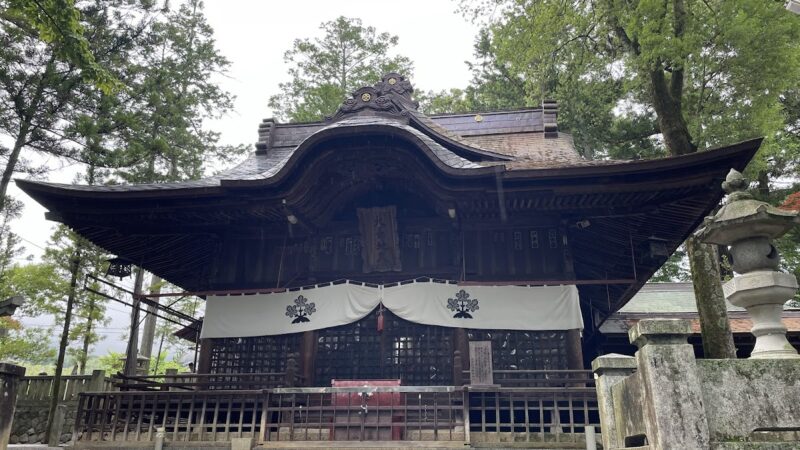
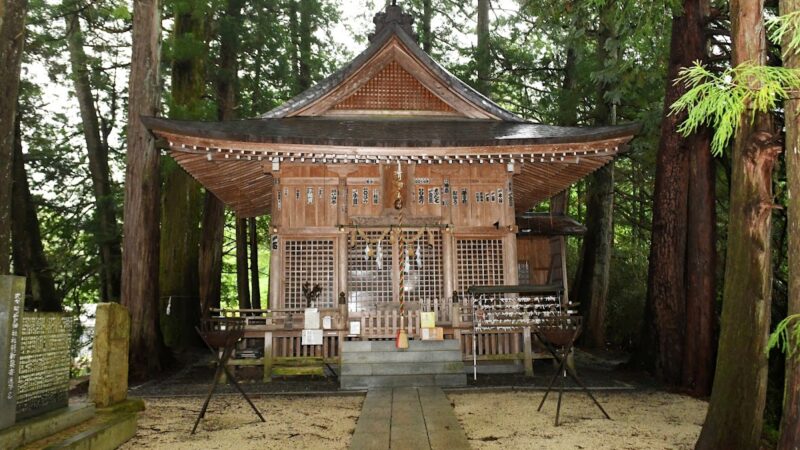
Upon passing through the temple gate, visitors are greeted by a steep stone staircase. Climbing these steps reveals the magnificent main hall. Six Jizo statues stand beside the path to the main hall, quietly watching over visitors.
The temple grounds are located high up in the mountains, allowing visitors to enjoy the natural scenery of each season. Especially during the autumn foliage season, the surrounding mountains change color, creating a beautiful landscape where the temple and nature harmonize.
Cultural Properties
Hofuku-ji Temple in Matsumoto City preserves valuable cultural properties that tell the story of the region’s history. The buildings, including the main hall, preserve architectural styles from the Edo period to the Meiji period.
Description in “Shinano Kishōroku”
Hofuku-ji Temple is also described in “Shinano Kishōroku,” a geographical record from the Edo period, suggesting that it was known as a famous temple in Shinshu (Nagano Prefecture) even then. This record serves as evidence of the important religious and cultural role Hofuku-ji Temple played in the region.
Hofuku-ji Road (Hofuku-ji Highway)
The Hofuku-ji Road is a historical highway connecting Matsumoto and Ueda. In the Middle Ages, it was an important transportation route connecting Matsumoto, where the Shinano provincial governor’s office was located, and Ueda, the base of the Shioda Hojo clan.
During the Sengoku period (Warring States period), this road was also used as a military route. Records show that during the Battle of Sekigahara in 1600, Ishikawa Genba-no-kami, lord of Matsumoto Castle, led 2,400 soldiers along this road to support Tokugawa Hidetada, who was advancing on the siege of Ueda Castle.
Even today, historical sites are scattered along the Hofukuji Road, making it a popular hiking course.
Access Information
Location: Hofukuji-cho, Matsumoto City, Nagano Prefecture (Shiga area)
Access Method:
- By Car: Approximately 30 minutes from Matsumoto IC
- By Public Transportation: Take a bus from Matsumoto Station, get off at Hofukuji Entrance, and walk.
Due to its mountainous location, access by car is convenient. Snowfall is possible in winter, so please be mindful of the time of your visit.
Exorcism and Prayer
Hofukuji Temple on Eianzan Mountain accepts requests for exorcism and prayer. Each amulet is hand-printed, preserving traditional methods. The temple continues its community-based activities, including holding memorial services and ceremonies.
Hofuku-ji Temple (Tanigami-san Hofuku-ji Temple), Yokohama City, Kanagawa Prefecture
Overview and Location
Tanigami-san Hofuku-ji Temple, located in Hiyoshi, Kohoku Ward, Yokohama City, is a Soto Zen Buddhist temple situated in an urban area. Adjacent to Keio University’s Hiyoshi Campus, it occupies a corner of the Hiyoshi district, known as a center of learning.
Convenient Access
It boasts an excellent location, just an 8-minute walk from Hiyoshi Station on the Tokyu Toyoko Line and Yokohama Municipal Subway Green Line. Parking is also available, making it easily accessible from both within and outside of Yokohama. This convenient location attracts many visitors.
Features
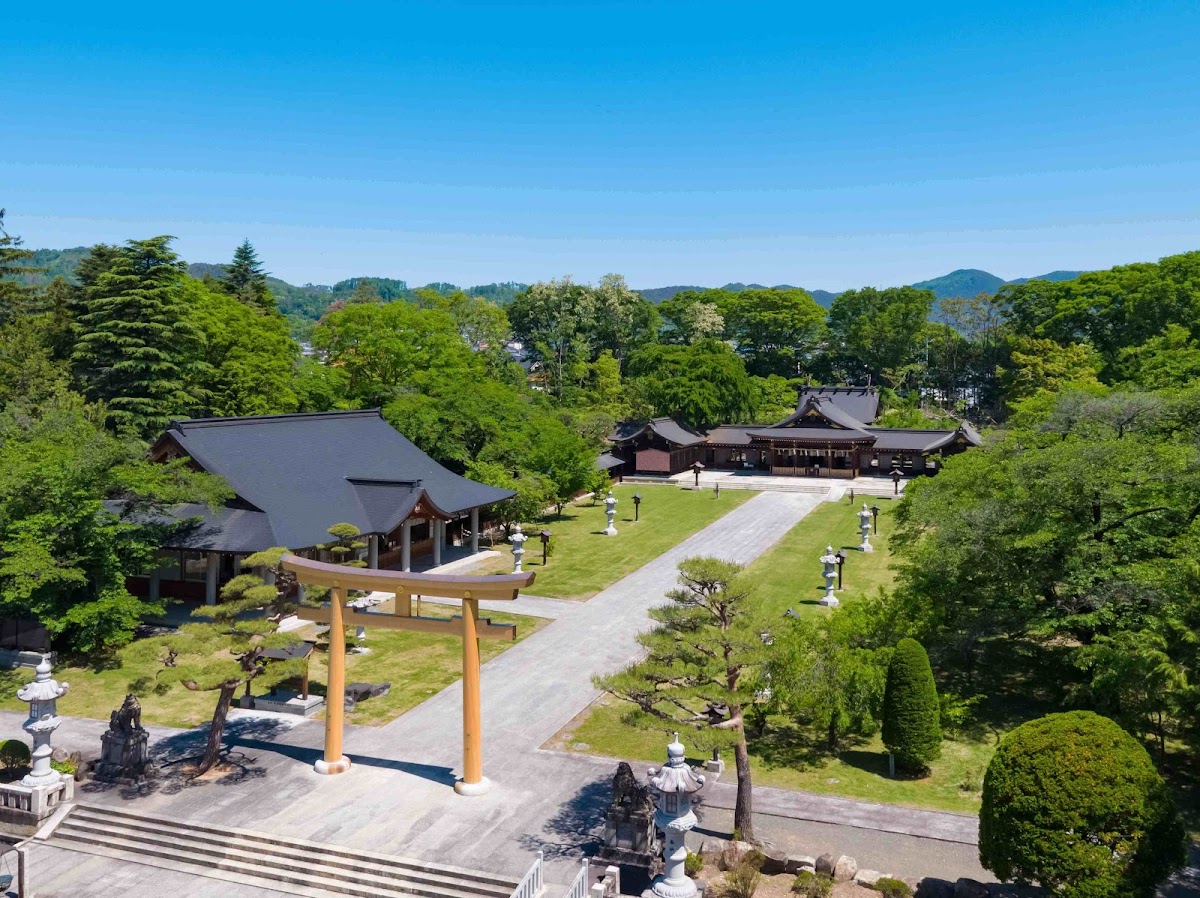
Despite its urban location, the temple grounds maintain a tranquil atmosphere, making it a popular place to escape the hustle and bustle of modern society and find peace of mind. A cemetery is also located on the premises, making it a place of worship for the local people.
Hofuku-ji Temple (Annei-zan Hofuku-ji Temple) in Uenohara City, Yamanashi Prefecture
Alternate Name as the Moon-Viewing Temple
Annei-zan Hofuku-ji Temple in Uenohara City, Yamanashi Prefecture, is also known as the “Moon-Viewing Temple.” This name originates from the particularly excellent view of the moon from the temple.
Connection to “Daibosatsu Toge”
In Kaizan Nakazato’s masterpiece, “Daibosatsu Toge,” it is written, “Hofuku-ji Temple in Uenohara, Koshu, is called the Moon-Viewing Temple because the view of the moon from there is exceptional.” This passage has made Hofuku-ji Temple known as a temple that appears in literary works.
Due to this description, Hofuku-ji Temple is also a popular destination for literature fans and history enthusiasts.
A Historic Soto Zen Temple
Annei-zan Hofuku-ji Temple is also a Soto Zen temple and is deeply connected to the history of the region. The view from the temple grounds is magnificent, and especially on nights with a full moon, one can enjoy a view truly befitting the name “Moon-Viewing Temple.”
Hofuku-ji Temple (Iōzan Hofuku-ji) in Iwaki City, Fukushima Prefecture
Overview
Iōzan Hofuku-ji Temple, located in Onahama Sumiyoshi, Iwaki City, Fukushima Prefecture, is a Soto Zen temple with Yakushi Nyorai (Medicine Buddha) as its principal deity. The temple’s mountain name, “Iōzan,” derives from the fact that Yakushi Nyorai is also called “Iō” (Medicine King).
Principal Deity: Yakushi Nyorai
Yakushi Nyorai is a Buddha who attracts the faith of people praying for healing from illness and longevity. At Iōzan Hofuku-ji Temple, this faith centered on Yakushi Nyorai continues, and it is a beloved temple where people pray for the health of the local community.
Access
It is accessible from Izumi Station and Yumoto Station on the JR Jōban Line, and is conveniently located for those visiting from within Iwaki City.
Hofuku-ji Temple, Anjo City, Aichi Prefecture
Hofuku-ji Temple Main Hall
Hofuku-ji Temple also exists in Anjo City, Aichi Prefecture, and its main hall is protected as a local cultural property. It is featured on the Anjo City official website and is positioned as an educational facility and one of the buried cultural properties.
Value as a Building
The Hofuku-ji Temple main hall plays an important role as a historical building in the region and is a valuable resource for understanding the history of Anjo City.
Hofuku-ji Temple, Yamato Town, Miyagi Prefecture
Hofuku-ji Temple also exists in Yamato Town, Kurokawa District, Miyagi Prefecture. It is registered as a town cultural property and is cherished as a temple that conveys the history and culture of the region.
Hofuku-ji Temple, Hasuda City, Saitama Prefecture
Hofuku-ji Temple in Hasuda City, Saitama Prefecture, is known as a temple with a cemetery. It is accessible from Hasuda Station on the Utsunomiya Line and has many parishioners as a temple in the Tokyo metropolitan area.
Hofuku-ji Temple (Kurobonzan Hofuku-ji Temple), Kuroishi City, Aomori Prefecture
History and Relocation
Kurobonzan Hofuku-ji Temple, originally located in Ototokubei-cho, Kuroishi City, Aomori Prefecture, was a Soto Zen Buddhist temple. However, it was destroyed by fire in 1991 and subsequently relocated to Mizunashihira, Botan-daira, Kuroishi City.
Reconstruction and the Present
Having overcome the hardship of the fire and been rebuilt, Hofuku-ji Temple has become a symbol of the faith and unity of the local people.
Points to Note When Visiting Hofuku-ji Temple
Visiting Etiquette
When visiting Hofuku-ji Temple, please observe the following basic visiting etiquette:
- Bow at the Temple Gate: Bow before entering the temple grounds.
- Be Quiet: Act quietly within the temple grounds and avoid disturbing other visitors.
- Photography: Take photographs only in permitted areas, and check beforehand if photography is permitted inside the main hall, etc.
- Attire: If participating in a special ceremony, please dress appropriately.
Best Time to Visit
Hofuku-ji Temples throughout the year are beautiful in every season, but the following times are especially recommended:
- Spring: A beautiful season with cherry blossoms and fresh greenery.
- Autumn: A time when the temple grounds are colored by autumn leaves.
- New Year: A time for New Year’s prayers during the first shrine visit of the year.
If visiting Hofuku-ji Temples in mountainous areas, be aware of snowfall in winter.
Hofuku-ji Temple and the Local Community
Center of Local Faith
Hofuku-ji temples throughout Japan have functioned not only as religious institutions but also as centers of local communities. Through festivals and memorial services, they serve as places where local people gather and deepen their bonds.
Cultural Inheritance
Hofuku-ji temples preserve Buddhist culture and local traditional events. Through activities such as Zen meditation sessions and sutra copying sessions, they continue to spread Buddhist teachings in modern times.
Value as a Tourism Resource
Hofuku-ji temples, possessing historical buildings and cultural assets, are also important as tourism resources. In particular, Hofuku-ji temples in Matsumoto City and Uenohara City are often incorporated into historical walking and hiking courses, contributing to the promotion of local tourism.
Soto Zen and Hofuku-ji Temple
Teachings of the Soto Zen School
The Soto Zen school, to which many Hofuku-ji temples belong, is a branch of Zen Buddhism that emphasizes “Shikantaza,” or “simply sitting in meditation.” Founded by Zen Master Dogen and spread by Zen Master Keizan,
Practice of Zazen
Hofuku-ji Temple sometimes holds Zazen sessions open to the general public. These are often accessible to beginners, offering a valuable opportunity to experience Zen teachings.
Cultural Assets and Architectural Style of Hofuku-ji Temple
Architectural Characteristics
The architecture of Hofuku-ji Temples in various locations reflects the characteristics of their respective eras and regions. While based on the simple and rigorous style characteristic of Soto Zen temples, they also exhibit unique elements adapted to the local climate and culture.
Buddhist Statues and Relics
Buddhist statues and relics, including the principal image, are also important cultural assets of each Hofuku-ji Temple. Different principal images, such as Yakushi Nyorai and Shakyamuni Buddha, are enshrined in each temple, telling the story of their respective religious histories.
Annual Events at Hofuku-ji Temple
Main Buddhist Services
Hofuku-ji Temple holds various Buddhist services throughout the year:
- New Year: Shushō-e (New Year’s service), Hatsumode (first shrine visit of the year)
- Spring and Autumn Equinoxes: Higan-e (equinox service)
- Obon: Urabon-e (Buddhist festival)
- December: Jōdō-e (commemorating the day Buddha attained enlightenment)
Special Events
Each Hofuku-ji Temple also holds special events based on local traditions and the temple’s history. These events play an important role in passing on local culture to future generations.
Nearby Attractions
Around Hofukuji Temple, Matsumoto City
- Nature of Shiga District: Beautiful mountains and clear streams
- Hofukuji Road: Historical sites along the historic road
- Matsumoto City: Tourist attractions such as Matsumoto Castle
Around Hofukuji Temple, Yokohama City
- Keio University Hiyoshi Campus: Historical buildings
- Hiyoshi Hill Park: A park rich in nature
- Tsunashima Onsen: A nearby hot spring resort
Around Hofukuji Temple, Uenohara City
- Katsura River: Clear stream and natural scenery
- Daibosatsu Pass: A place associated with literary works
- Historical Buildings in Uenohara City
Inquiries about Hofukuji Temples
For inquiries regarding visits to each Hofukuji Temple, requests for memorial services, participation in Zen meditation sessions, etc., please contact the respective temple directly. Many temples have official websites where you can check the latest information.
Summary
There are temples named Hofukuji throughout Japan, each with its own unique history and culture. Nagano Prefecture’s Nagaanzan Hofukuji is known for its founding by Rankei Doryu and the history of the Hofukuji Road, while Yamanashi Prefecture’s Anneizan Hofukuji appears in literary works as the “Moon-Viewing Temple.” Yokohama City’s Kohoku Ward’s Tanigamizan Hofukuji is a conveniently located temple in an urban area, and Fukushima Prefecture’s Iozan Hofukuji is a center of Yakushi Nyorai (Medicine Buddha) worship, each beloved by the local community.
While upholding the teachings of Zen Buddhism, primarily the Soto sect, and cherishing its ties with local communities, Hofukuji temples continue to play an important cultural and religious role in modern times. Each Hofukuji temple offers numerous attractions worth visiting, including historical buildings, cultural properties, and beautiful natural landscapes.
Hofukuji temples are invaluable for understanding Japanese temple culture and learning about local history. If you have the opportunity, please visit a Hofukuji temple in various locations and experience its history and culture. By finding peace of mind in the tranquil temple grounds and experiencing the place of worship that our ancestors have preserved, you will gain a deeper understanding of Japanese spiritual culture.