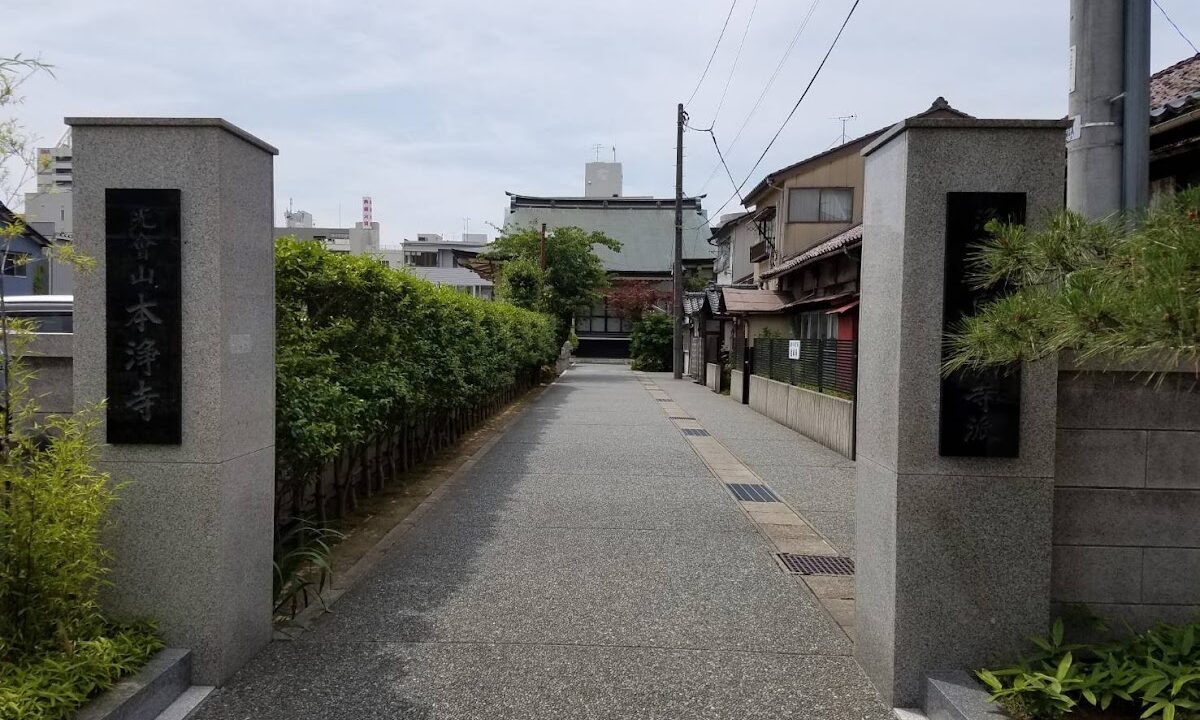
Honjo-ji Temple (Chuo-ku, Niigata City, Niigata Prefecture) | A Thorough Explanation of a Historic Jodo Shinshu Honganji-ha Temple
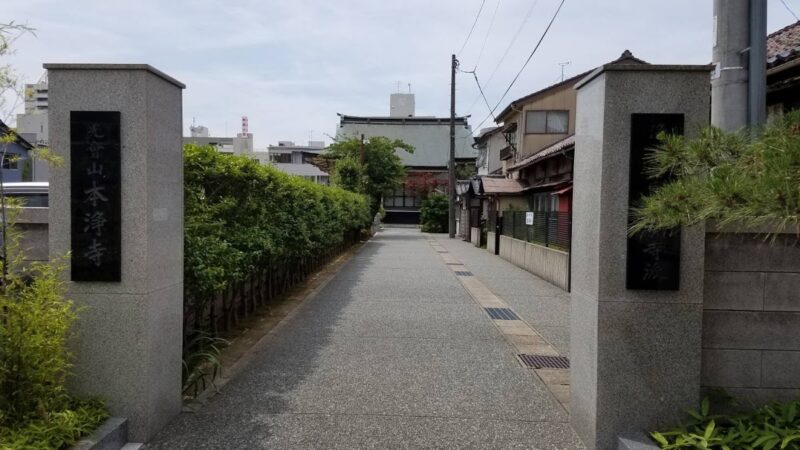
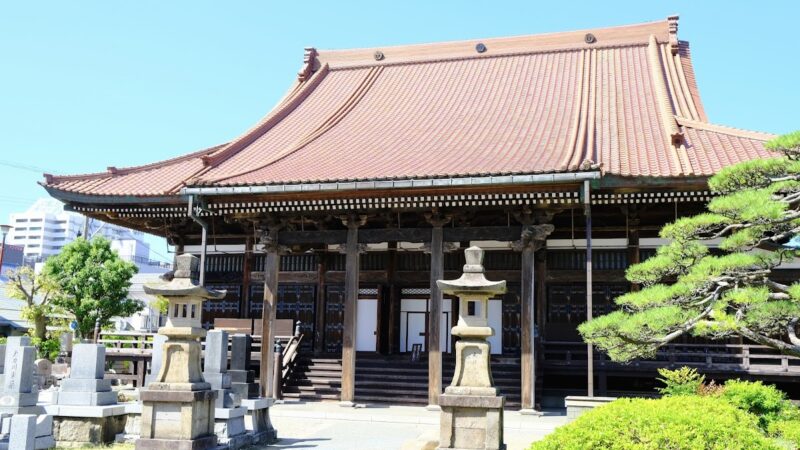
Honjo-ji Temple, located in Nishibori-dori 1-bancho, Chuo-ku, Niigata City, is a historic temple belonging to the Jodo Shinshu Honganji-ha sect. Situated in the central Niigata city area known as Teramachi-dori (Temple Town Street), it is particularly notable for its proximity to Hakusan Shrine, even within an area with many other temples. This article provides a detailed explanation of Honjo-ji Temple, from its basic information and history to access methods and surrounding environment.
Basic Information on Honjo-ji Temple
Honjo-ji Temple is a Jodo Shinshu Honganji-ha temple located at 771 Nishibori-dori 1-bancho, Chuo-ku, Niigata City, Niigata Prefecture. Its mountain name is Koue-zan, and its postal code is 〒951-8061.
Location and Contact Information
- Address: 771, Nishibori-dori 1-chome, Chuo-ku, Niigata City, Niigata Prefecture
- Postal Code: 〒951-8061
- Phone Number: 025-222-5759 (Some sources say 025-222-5722)
- Sect: Jodo Shinshu Honganji-ha
- Mountain Name: Kokaizan
About the Sect: What is Jodo Shinshu Honganji-ha?
Jodo Shinshu Honganji-ha is one of the largest sects within Jodo Shinshu Buddhism, which traces its sect’s origins to Shinran Shonin. Its head temple is Nishi Honganji (official name: Ryukokuzan Honganji) in Kyoto, and it has over 10,000 temples nationwide.
Jodo Shinshu still has a very large number of followers, reaching 10.58 million. One characteristic of Jodo Shinshu Buddhism is that it comprises various sects, with the Jodo Shinshu Honganji sect (Nishi Honganji) and the Shinshu Otani sect (Higashi Honganji) accounting for the majority of its followers.
The characteristics of the Jodo Shinshu Honganji sect’s teachings are as follows:
- Reliance on Other Power: Believing in salvation through the vow of Amida Buddha
- Exclusive Nembutsu: Reciting the Nembutsu, “Namu Amida Butsu”
- Salvation for the Wicked: Ordinary people burdened with worldly desires are the ones who are meant to be saved
- Purpose in the Afterlife Over Worldly Benefits: Emphasizing rebirth in the Pure Land
In Jodo Shinshu, monks are permitted to marry, and the emphasis on faith over precepts is a distinguishing feature compared to other Buddhist sects.
Location and Surrounding Environment of Honjo-ji Temple
Characteristics of the Teramachi-dori Area
Nishibori-dori, where Honjo-ji Temple is located, is an area densely packed with temples, so much so that it’s called “Teramachi-dori” (Temple Town Street). While there are 76 temples in Niigata City’s Chuo Ward, the area around Nishibori-dori is a fiercely competitive zone with countless temples.
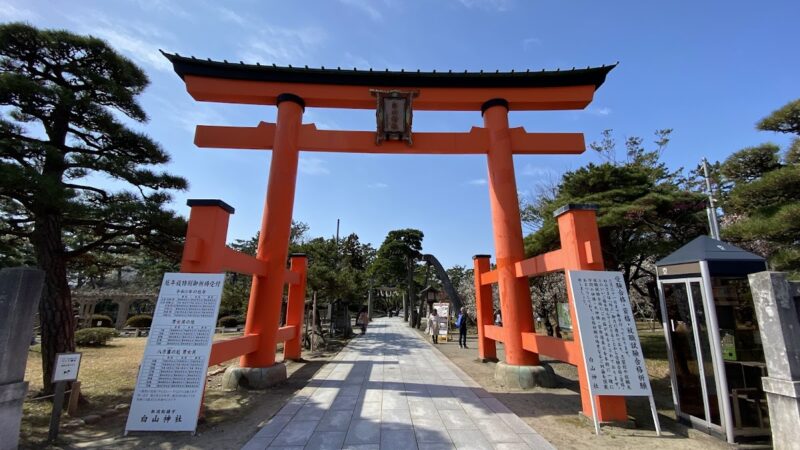
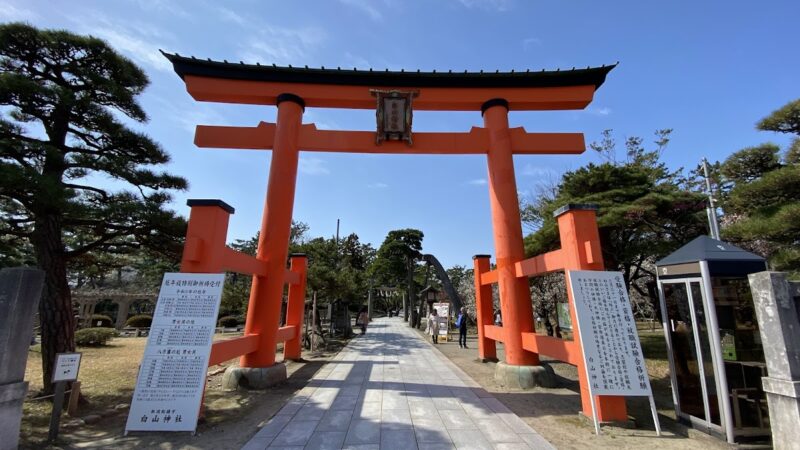
Honjo-ji Temple is known as the temple located on the upper side of Teramachi-dori, and is notable for being the closest temple to Hakusan Shrine. Hakusan Shrine is a popular shrine visited by many worshippers as the guardian shrine of Niigata City, and it’s possible to visit both Honjo-ji Temple and Hakusan Shrine at the same time.
Temple Statistics for Niigata City’s Chuo Ward
There are 2,795 temples in Niigata Prefecture as a whole, and 76,660 temples nationwide (as of December 2025). Niigata City’s Chuo Ward has a concentration of 76 temples, making it one of the areas with the highest temple density in the prefecture.
The concentration of temples in this area is deeply connected to Niigata’s history as a thriving port town since the Edo period, and its development as a commercial city attracting many people. Temples of various sects were built in competition, shaping the current landscape of Teramachi Street.
How to Access Honjo-ji Temple
Access by Train
The nearest stations to Honjo-ji Temple are as follows:
- JR Echigo Line Hakusan Station: Approximately 15 minutes on foot from the station exit (approximately 1.6 km)
- JR Echigo Line/Hakushin Line Niigata Station: Walking or taking a bus from the station
Access from Hakusan Station is the most convenient, but you can also take a bus from Niigata Station. Niigata Station is a major station where the Shinkansen also stops, making it suitable for access from outside the prefecture.
Access by Bus
If using local buses within Niigata City, there are several bus stops around Nishibori-dori. It takes approximately 10-15 minutes by bus from Niigata Station. For specific bus routes, we recommend checking the Niigata Kotsu route map. ### Access by Car
Located in the heart of Niigata City, it is accessible by car. However, Teramachi Street is an area where residential areas and temples are mixed, and some roads are narrow, so caution is required when driving. It is recommended to check with the temple in advance regarding parking availability.
Attractions around Honjo-ji Temple
Hakusan Shrine
The closest tourist spot to Honjo-ji Temple is Hakusan Shrine. With a history of over 1,000 years as the guardian shrine of Niigata City, it is known for its blessings of matchmaking and business prosperity. The spacious grounds also feature a beautiful garden where you can enjoy nature throughout the seasons.
Main features of Hakusan Shrine:
- Guardian shrine of Niigata City
- Dedicated to Kukurihime-no-Okami
- Popular as a power spot for matchmaking
- The Hakusan Festival in July is a summer tradition in Niigata
Other Temples on Teramachi Street
In addition to Honjo-ji Temple, numerous other temples are scattered around Nishibori Street. Each temple has its own distinct sect and history, making temple hopping a delightful experience. Comparing the architectural styles and gardens of each temple as you stroll through the grounds is also a rewarding activity.
Characteristics of the Main Surrounding Temples:
- Diverse Buddhist sects including Jodo Shinshu, Soto Zen, and Nichiren Buddhism
- Many historical temples dating back to the Edo period
- Each temple possesses its own unique architectural style and cultural assets
Tourist Attractions in Niigata City Center
Honjo-ji Temple is located in the heart of Niigata City, providing easy access to the following tourist attractions:
- Furumachi Shopping Street: Niigata’s representative shopping district
- Bandai Bridge: A beautiful arch bridge designated as a National Important Cultural Property
- Niigata City History Museum (Minatopia): A facility where you can learn about Niigata’s history
- Along the Shinano River: Ideal for strolling and jogging
Jodo Shinshu Funeral and Memorial Service
Characteristics of Jodo Shinshu Funeral
Honjo-ji Temple, a temple of the Jodo Shinshu Honganji sect, conducts funerals and memorial services according to Jodo Shinshu customs. Jodo Shinshu funerals have characteristics that differ from other sects.
Main characteristics of Jodo Shinshu funerals:
- No use of purifying salt: Because death is not considered impure.
- A Buddhist name, not a posthumous Buddhist name: It is recommended to receive one during one’s lifetime.
- Friendship funeral: A ceremony to send the deceased to Amida Buddha’s Pure Land.
- No offering of incense: A custom unique to the sect.
About annual memorial services
In Jodo Shinshu, annual memorial services are held on the anniversary of the deceased’s death. The general schedule for memorial services is as follows:
- First anniversary (1st year)
- Third anniversary (2nd year)
- Seventh anniversary (6th year)
- Thirteenth anniversary (12th year)
- Seventeenth anniversary (16th year)
- Twenty-fifth anniversary (24th year)
- Thirty-third anniversary (32nd year)
- Fiftieth anniversary (49th year)
If you wish to hold a memorial service at Honjo-ji Temple, you need to contact the temple in advance to arrange a date.
Temple Culture and History in Niigata Prefecture
History of Buddhism in Niigata Prefecture
Niigata Prefecture has long been a region where Buddhist culture flourished. As a port town facing the Sea of Japan, it received early influences from Kyoto, Osaka, and other Kansai cultures, and many temples were built.
Especially during the Edo period, Niigata prospered as a port of call for Kitamae-bune (northern route trading ships), and many temples were built and maintained through donations from merchants. Even today, many temples that retain the atmosphere of that era remain along Teramachi Street in Chuo Ward, Niigata City.
Jodo Shinshu Buddhism and Niigata
Jodo Shinshu Buddhism is a particularly devout Buddhist sect in Niigata Prefecture. Because Shinran Shonin was exiled to Echigo Province (present-day Niigata Prefecture) and preached his teachings to many people during that time, there are many Jodo Shinshu temples in Niigata.
Shinran Shonin’s Footsteps in Echigo:
- Exiled to Echigo Province (present-day Joetsu City) in 1207 (Jogen 1)
- Preached his teachings to many people during his approximately 5-year stay
- Met and married Eshinni
- Laid the foundation for the later development of Jodo Shinshu Buddhism
Temple Visit Manners and Points
Basic Manners for Visiting Temples
When visiting Honjo-ji Temple, please observe the following basic manners:
- Attire: Dress modestly and cleanly.
- Greetings: Bow when passing through the temple gate.
- Quietness: Remain quiet within the temple grounds.
- Photography: Refrain from taking photographs inside the main hall without permission.
- Praying: Join your hands in prayer and chant the Nembutsu in front of the main hall.
Jodo Shinshu Buddhist Worship Etiquette
Jodo Shinshu Buddhism has different worship etiquette compared to other Buddhist sects:
- Gassho: Bringing both hands together in front of the chest
- Nembutsu: Chanting “Namu Amida Butsu”
- Osaizen: Offering money with gratitude
- Shoko: Dropping incense directly into the incense burner without pressing it down
Suitable Time for Worship
Honjo-ji Temple is open for worship throughout the year, but the following times are especially recommended:
- Spring (March-May): Cherry blossom season, beautiful fresh greenery
- Autumn (September-November): Beautiful autumn leaves, mild weather
- Ohigan (Autumn and Spring Equinoxes): Time for ancestor worship
- Obon (August): An important time to welcome ancestors
Temple Tours in Chuo Ward, Niigata City
Teramachi Street Walking Course
The Teramachi Street area, including Honjo-ji Temple, is ideal for a temple tour on foot. The following is a recommended course:
- Start from JR Hakusan Station (Estimated time: 2-3 hours)
- Visit Hakusan Shrine
- Visit Honjo-ji Temple
- Visit other temples along Nishibori Street in sequence
- Lunch and break at Furumachi Shopping Street
- Stroll along the Shinano River
- Return to Niigata Station
How to Enjoy Temple Hopping
Points to make your temple hopping more fulfilling:
- Collecting Goshuin (temple stamps): Obtain Goshuin at each temple (check in advance)
- Architectural Appreciation: Observe the differences in architectural styles of each temple
- Garden Appreciation: Enjoy seasonal flowers and trees
- History Learning: Learn about the history and origins of each temple
- Photography: Record the beautiful scenery (with permission)
The Role of Temples in Modern Times
As a Center of the Local Community
In modern times, temples like Honjo-ji Temple play a role beyond that of mere religious facilities. It functions as a spiritual anchor for local residents and as the center of the local community.
Modern Roles of Temples:
- Venue for Memorial Services and Funerals: Supporting life’s milestones
- Consultation Center: A place to listen to life’s worries and anxieties
- Cultural Preservation: Passing on traditional events and culture to the next generation
- Community Interaction: A place for resident interaction through various events
- Educational Space: Spiritual education through Buddhist teachings
Challenges and Possibilities of Urban Temples
Temples located in urban areas like Niigata City’s Chuo Ward face various challenges in modern society:
Challenges:
- Declining and aging of parishioners
- Environmental changes due to urbanization
- Younger generations are moving away from religion
- Financial problems for maintaining temples
Possibilities:
- Utilization as a tourist resource
- Hub for disseminating culture and history
- Re-evaluation as a place for spiritual healing
- Hub for regional revitalization
About Tree Burial and Natural Burial
Tree Burial in Chuo Ward, Niigata City
In recent years, new forms of memorial services, such as tree burials and natural burials, have gained attention as alternatives to traditional burial methods using tombstones. Demand for these services is also increasing in Chuo Ward, Niigata City.
What is a Tree Burial?:
A tree burial is a burial method where a tree serves as a grave marker instead of a tombstone. Based on the idea of returning to nature, it is gaining popularity as an environmentally friendly memorial service.
Characteristics of Tree Burial:
- Nature-Oriented: Allows for rest in nature.
- Cost-Effective: Often less expensive than traditional tombstones.
- No Maintenance Required: Perpetual care is the norm, minimizing the burden on descendants.
- No Religion or Sect Restrictions: In most cases, religion is not a requirement.
History and Origins of Tree Burial
The history of tree burial is relatively recent. In Japan, it is believed to have begun in 1999 when Shounji Temple (Soto Zen sect) in Ichinoseki City, Iwate Prefecture, was the first to receive official recognition as a “tree burial cemetery.”
Due to factors such as the shortage of traditional burial plots, the problem of finding successors for graves, and growing environmental awareness, tree burial has rapidly gained popularity since the beginning of the 21st century. Currently, tree burial is offered at temples and cemeteries throughout Japan.
Types of Natural Burial
Besides tree burial, there are various other forms of natural burial:
- Scattering of Ashes: Scattering cremated remains in the sea or mountains
- Sea Burial: Scattering ashes at sea
- Space Burial: Launching a portion of the cremated remains into outer space
- Balloon Burial: Releasing cremated remains into the sky via balloon
When choosing a natural burial, it is important to check laws and regulations and follow the appropriate procedures. Thorough discussion with family and relatives is also necessary.
How to Apply for a Memorial Service at Honjo-ji Temple
Procedure for Applying for a Memorial Service
If you wish to hold a memorial service at Honjo-ji Temple, please apply using the following steps:
- Telephone Contact: First, contact the temple by phone (025-222-5759)
- Schedule Adjustment: State your desired date and time and coordinate with the temple’s schedule.
- Detailed Consultation: Discuss the type of memorial service, number of participants, offering, etc.
- Preparation: Confirm necessary preparations and the flow of the day.
- On the Day: Arrive at the temple with ample time to spare.
Guidelines for Offerings
The amount of the offering varies depending on the region and the type of memorial service, but the general guidelines are as follows:
- Annual Memorial Service: Approximately 30,000 to 50,000 yen
- Monthly Memorial Service: Approximately 5,000 to 10,000 yen
- Funeral: Approximately 200,000 to 300,000 yen (significant regional variation)
However, there is no fixed amount for offerings; it is ultimately an expression of gratitude. If you are unsure, it is recommended to consult directly with the temple.
Summary
Honjo-ji Temple is a Jodo Shinshu Honganji-ha temple located in Nishibori-dori 1-chome, Chuo-ku, Niigata City, and its mountain name is Kokaizan. It is located on the uppermost side of the temple-dori area known as Teramachi-dori and is known as the temple closest to Hakusan Shrine.
There are 2,795 temples in Niigata Prefecture and 76 temples in Chuo-ku, Niigata City, and Honjo-ji Temple is one of them, attracting the faith of local people. The Jodo Shinshu Honganji-ha is a large sect with 10.58 million followers nationwide, and it continues to transmit the teachings of Shinran Shonin.
Access is approximately a 15-minute walk from JR Echigo Line Hakusan Station, and it is also accessible by bus or on foot from Niigata Station. The surrounding area boasts numerous temples and tourist attractions, including Hakusan Shrine, making it a place where you can experience the history and culture of Niigata City.
When visiting Honjo-ji Temple for consultations regarding memorial services, funerals, or simply to pay respects, it is recommended to contact the temple by phone in advance. Honjo-ji Temple, while upholding the teachings and traditions of Jodo Shinshu Buddhism, continues to fulfill its role as a temple in modern society, serving as an important spiritual haven for the citizens of Niigata.