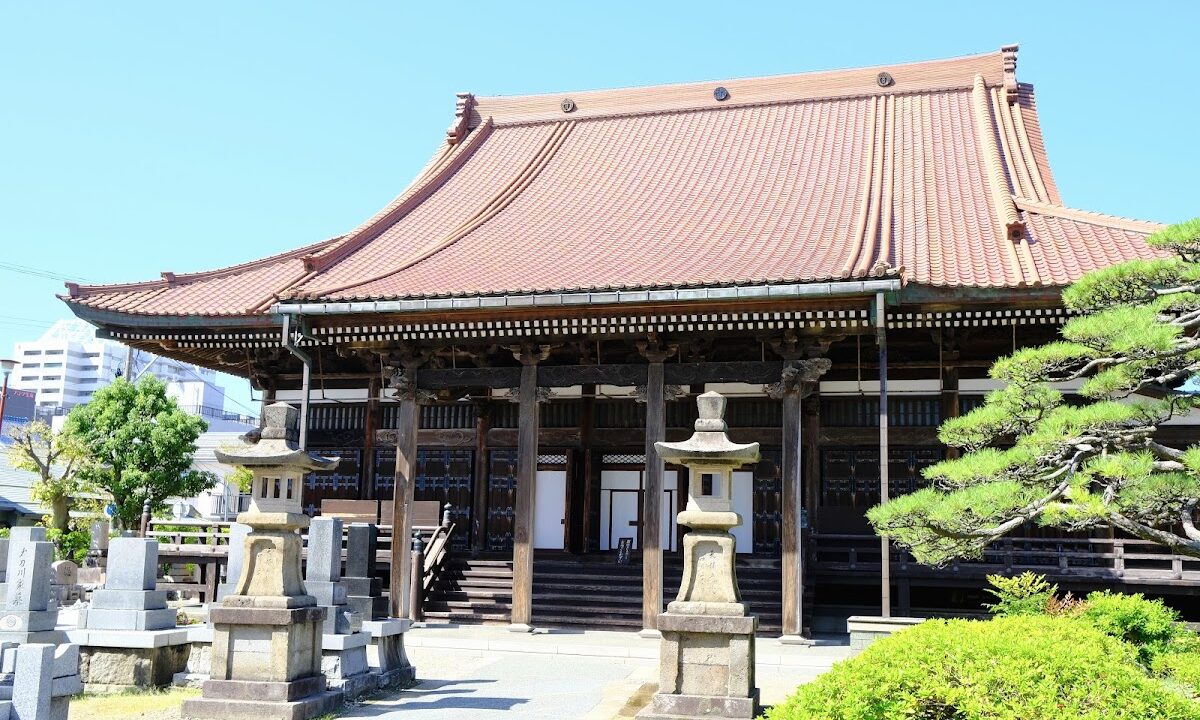
Shinjoji Temple (Niigata Prefecture, Chuo Ward) Complete Guide | History, Access, and Sect Information
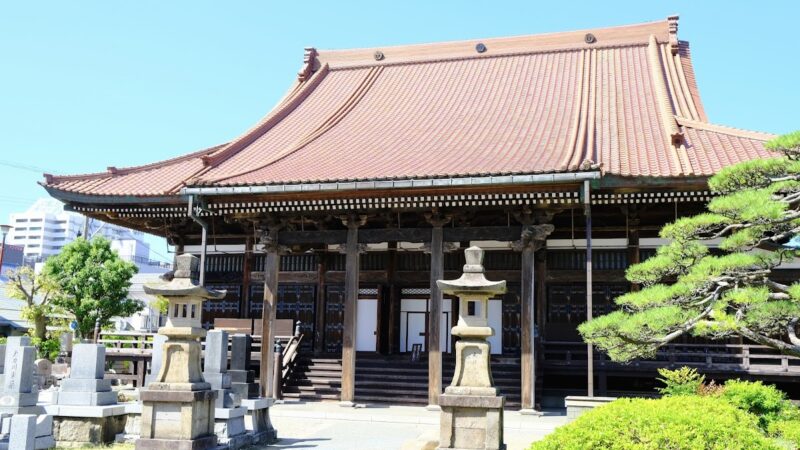
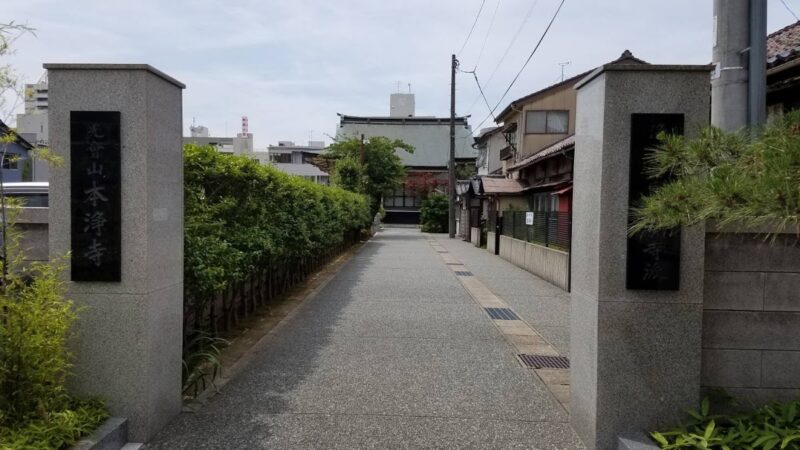
The Nishibori-dori area in Chuo Ward, Niigata City, is a historical area once known as “Teramachi-dori” (Temple Town Street) due to the large number of temples located there. Among them, Shinjoji Temple is a temple of the Shinshu Otani sect (Higashi Honganji sect) with a long history deeply rooted in the community. This article provides a detailed overview of Shinjoji Temple, from its basic information and historical background to access methods and surrounding environment.
Basic Information on Shinjoji Temple
Shinjoji Temple is a Shinshu Otani sect temple located at 774 Nishibori-dori 2-bancho, Chuo Ward, Niigata City, Niigata Prefecture. Despite its central location in Niigata City, it serves as a place of worship in a tranquil environment.
Location and Contact Information
Address: 774, Nishibori-dori 2-bancho, Chuo-ku, Niigata City, Niigata Prefecture 951-8061
Phone Number: 025-229-1409
Sect: Shinshu Otani-ha (Higashi Honganji)
Those wishing to visit or inquire about the temple are advised to contact the temple by phone in advance. As the temple is a religious facility, general visits may be restricted during memorial services and events.
Access to Shinjo-ji Temple
Shinjo-ji Temple is located in the heart of Niigata City and is easily accessible by public transportation.
Access by Train
Nearest Station: JR Echigo Line “Hakusan Station”
It is approximately a 15-minute walk from the exit of Hakusan Station. The most common route from the station is towards Nishibori-dori and the Teramachi-dori area. It is also within walking distance from Niigata Station, but takes approximately 20-25 minutes.
Other Accessible Stations:
- JR Echigo Line “Niigata Station”
- JR Hakushin Line “Niigata Station”
Niigata Station is a major terminal station in Niigata Prefecture, easily accessible from within and outside the prefecture. From Niigata Station, you can reach Shinjoji Temple on foot, by bus, or by taxi.
Access by Bus
When using local buses operating within Niigata City, buses bound for “Nishibori-dori” or “Furumachi” are convenient. The temple is a few minutes’ walk from the nearest bus stop.
Access by Car
The roads in central Niigata City are well-maintained, making car access possible. However, there are many one-way streets around Nishibori-dori, and parking is limited, so it is recommended to check parking availability in advance.
About the Shinshu Otani School (Higashi Honganji)
The Shinshu Otani School, to which Shinjoji Temple belongs, is one of the largest sects within Jodo Shinshu Buddhism. Jodo Shinshu Buddhism, founded by Shinran Shonin, teaches that one can attain rebirth in the Pure Land through the power of Amida Buddha’s vow by chanting “Namu Amida Butsu.”
Characteristics of the Shinshu Otani School
The Shinshu Otani School has its head temple at Higashi Honganji in Kyoto and boasts approximately 8,900 temples throughout Japan. Along with the Jodo Shinshu Honganji School (Nishi Honganji), it is known as one of the two major schools of Jodo Shinshu Buddhism.
Main Features:
- Principal Deity: Amida Buddha
- Head Temple: Shinshu Honbyo (Higashi Honganji, Shimogyo-ku, Kyoto)
- Founder: Shinran Shonin
- Doctrine: Other-Power Vow, Doctrine of Salvation for Evil People
Jodo Shinshu Buddhism centers on the idea of “other-power vow,” which posits that salvation is achieved not through ascetic practices or good deeds, but through faith in the original vow of Amida Buddha. This is a deepening of the teachings that Shinran Shonin inherited from Honen Shonin.
History of Jodo Shinshu Buddhism and its Connection to Niigata
Jodo Shinshu Buddhism was founded by Shinran Shonin during the Kamakura period. When Shinran Shonin was exiled to Echigo Province (present-day Niigata Prefecture), he conducted missionary work there and gained many followers. Therefore, there are many Jodo Shinshu temples in Niigata Prefecture, and Shinjoji Temple is situated within this historical context.
The propagation of Jodo Shinshu Buddhism in Echigo was continued by Shinran Shonin’s direct disciples and successors, and Niigata Prefecture remains one of the regions where Jodo Shinshu faith is still thriving.
History of the Nishibori-dori and Teramachi-dori Area
The Nishibori-dori area, where Shinjo-ji Temple is located, is one of Niigata City’s historical centers. This area developed as a “temple town” with many temples from the Edo period onward.
Background of Niigata’s Temple Town Formation
During the Edo period, Niigata was a prosperous port town that served as a port of call for Kitamae-bune (northern route trading ships). As commerce developed, many temples were built, and temples of various sects became concentrated around Nishibori-dori. This was due to the concentration of temples in certain areas as part of urban planning, and the need for temples as places of worship for merchants and townspeople.
Present-day Nishibori-dori
Present-day Nishibori-dori is an area where historical temples remain, while residential areas and commercial facilities are also mixed together. This area of Niigata City is a place where old townscapes and new buildings coexist, and where history and modernity intersect.
Around Shinjoji Temple, there are several other temples, including Honjoji Temple (Jodo Shinshu Honganji sect), preserving the atmosphere of a temple district. A “temple district stroll” visiting these temples is gaining attention as a tourist route where you can experience Niigata’s history.
Attractions around Shinjoji Temple
When visiting Shinjoji Temple, you can also visit nearby historical temples and tourist spots in central Niigata City.
Nearby Temples
Honjoji Temple: Located very close to Shinjoji Temple, in Nishibori-dori 1-chome, this is a Jodo Shinshu Honganji sect temple. Although located on the same Nishibori-dori, it belongs to a different sect (Nishi Honganji sect) than Shinjoji Temple.
Other Temples: Around Nishibori-dori, there are temples of various sects, including Nichiren, Soto, and Shingon, each with its own unique history and architecture.
Furumachi Area
Furumachi, located within walking distance of Shinjoji Temple, is a representative downtown area of Niigata City. It boasts a history as a geisha district dating back to the Edo period and remains a lively area with numerous shops and restaurants.
Niigata City History Museum (Minatopia)
This museum allows visitors to learn about the history and culture of Niigata City, including exhibits on the development of Niigata as a port city and the history of the temple district’s formation. It is worth visiting to gain a deeper understanding of the historical background of Shinjoji Temple.
Temple Visit Manners and Precautions
When visiting temples, including Shinjoji Temple, it is important to observe basic manners.
Basic Manners for Visiting Temples
- Attire: Modest, understated clothing is preferable.
- Photography: Photography is only permitted within the temple grounds. Photography is often prohibited inside the main hall.
- Quietness: Temples are places of worship. Refrain from loud conversations and noisy behavior.
- Offering: When making an offering during your visit, please place it at the reception or in the offering box.
Jodo Shinshu Worship Etiquette
Jodo Shinshu has different worship etiquette compared to other sects.
- Gassho: Bring both hands together in front of your chest.
- Nembutsu: Chant “Namu Amida Butsu.”
- Kashiwade: In Jodo Shinshu, you do not clap your hands (unlike at Shinto shrines).
- Incense Offering: In Shinshu Otani sect, when offering incense during a memorial service, do not press it to your forehead; instead, place it directly into the incense burner.
Shinjoji Temple and Cemetery/Memorial Park Information
One reason for visiting a temple is to use its cemetery or memorial park. Shinjoji Temple may also manage a cemetery for its parishioners.
Characteristics of Temple Cemeteries
Cemeteries managed by temples have the following characteristics:
- Restrictions by Sect: Generally, it is available to followers (parishioners) of the temple’s sect.
- Perpetual Memorial Service: The temple takes responsibility for continuing memorial services.
- Convenience of Memorial Services: Memorial services can be held in the same location.
Considering Cemetery Use
If you are considering using a cemetery plot at Shinjoji Temple, we recommend contacting the temple directly. Check the requirements for becoming a parishioner, the costs, and availability.
In recent years, there has been an increase in people considering “closing down” their family graves due to a shortage of successors. Traditional temples like Shinjoji Temple may offer options such as perpetual memorial services and communal graves.
Other Shinshu Temples in Chuo Ward, Niigata City
Besides Shinjoji Temple, there are many other Jodo Shinshu temples in Chuo Ward, Niigata City.
Shinshu Otani-ha Temples
There are several Shinshu Otani-ha temples in Chuo Ward, each serving as a center of local faith. Jōtoku-ji Temple in the Numata district is also known as a temple of the Shinshu Ōtani sect.
Jōdo Shinshū Honganji-ha Temples
Many Jōdo Shinshū Honganji-ha temples exist in Chūō Ward, including Honjō-ji Temple on Nishibori Street. Even within the Jōdo Shinshū sect, there are slight differences in customs and organization between the Higashi Honganji-ha and Nishi Honganji-ha branches.
Deep Ties Between Niigata Prefecture and Jōdo Shinshū
Niigata Prefecture has deep historical ties to Jōdo Shinshū. When Shinran Shōnin was exiled to Echigo, he preached his teachings to many people there, laying the foundation for the subsequent development of Jōdo Shinshū.
Shinran Shōnin and Echigo
In 1207, Shinran Shōnin was exiled to Echigo Province (present-day Jōetsu City) due to the Jōgen Persecution. During his approximately five years in Echigo, the saint lived among the people, preaching Buddhist teachings in simple language. This experience is believed to have had a significant influence on the formation of later philosophies such as the “theory of salvation for the wicked.”
Jodo Shinshu Temples in Niigata Prefecture
Numerous Jodo Shinshu temples exist in Niigata Prefecture, primarily of the Shinshu Otani and Jodo Shinshu Honganji sects. The Joetsu and Chuetsu regions, in particular, have many temples and historical sites associated with Shinran Shonin, and they continue to attract many visitors.
Due to the development of Niigata City since the Edo period, the number of temples attracting the faith of merchants and townspeople increased, and Shinjoji Temple has continued to exist as a temple rooted in the community within this trend.
The Role of Temples in Modern Times
Traditional temples like Shinjoji Temple still play an important role in modern society.
As a Place of Worship
The most basic role is its function as a place of worship. Temples are indispensable as places where parishioners and believers gather to perform memorial services and Buddhist rituals.
As the Core of Local Communities
Temples have also functioned as the center of local communities. Through memorial services during Obon and Higan, and other annual events, it serves as a gathering place for local residents.
Preservation of Culture and History
Temple architecture, Buddhist statues, Buddhist implements, and ancient documents are valuable resources that convey the history and culture of the region. Shinjoji Temple, as a place that preserves the temple town culture of Nishibori-dori, also possesses historical value.
As a Place of Spiritual Support
In modern society, temples play an important role for people seeking spiritual support during life’s milestones and difficult times. Through sermons and consultations by monks, they provide emotional support to people.
Before Visiting Shinjoji Temple
When planning a visit to Shinjoji Temple, please note the following:
Prior Contact Recommended
Temples are religious facilities, and memorial services and events may be taking place. If you wish to ensure your visit or would like more detailed information, it is recommended to contact the temple by phone in advance.
Best Time to Visit
Generally, temple visits are possible year-round, but during Obon (mid-August), the spring and autumn equinoxes (March and September), and the New Year period, there are many memorial services, and it may be crowded. If you wish to visit in peace, it is best to avoid these times.
Items to Bring
- Prayer Beads: Also called rosary in Jodo Shinshu Buddhism.
- Offering (Optional): If you wish to offer an offering during your visit.
- Goshuincho (Stamp Book): If you wish to receive a temple stamp (this varies by temple).
Summary
Shinjo-ji Temple is a Shinshu Otani sect temple located on Nishibori-dori in Chuo-ku, Niigata City, and is an important presence that preserves Niigata’s temple town culture. With its deep connection to Echigo (Niigata Prefecture), Jodo Shinshu Buddhism is widely rooted in Niigata Prefecture, and Shinjo-ji Temple plays a part in that history.
Located in the heart of Niigata City, Shinjoji Temple boasts convenient access from JR Hakusan Station and Niigata Station, and is surrounded by other historical temples and tourist attractions such as Furumachi. While respecting proper temple etiquette, why not consider visiting Shinjoji Temple as an opportunity to experience Niigata’s history and culture?
For detailed information regarding visits to Shinjoji Temple and becoming a parishioner, we recommend contacting the temple directly. The phone number is 025-229-1409. Respecting the temple as a place of worship will provide a valuable experience of encountering Niigata’s rich religious culture.