Complete Guide to Honkoji Temples: A Thorough Explanation of Famous Temples Nationwide, from History to Access
Numerous temples named “Honkoji” exist throughout Japan. Each possesses its own unique history and characteristics, and has played an important role as a center of local faith. This article comprehensively explains detailed information about major Honkoji temples, including their history, architectural style, cultural properties, and transportation access.
Table of Contents
This article will explain the following in detail:
- What is Honkoji?: Overview and Nationwide Distribution
- Honkoji Temple in Minato Ward, Tokyo (Hokke-shu Jinmon-ryu)
- Honkoji Temple in Ichikawa City, Chiba Prefecture (Nichiren-shu)
- Honkoji Temple in Hida City, Gifu Prefecture
- The Connection Between Honkoji Temple in Kyoto and the Shinsengumi
- Honkoji Temple in Fujinomiya City, Shizuoka Prefecture
- Other Major Honkoji Temples Nationwide
- Transportation Access to Each Temple
What is Honkoji?: Overview and Nationwide Distribution
The temple name “Honkoji” is mainly found in temples of the Nichiren-shu and Hokke-shu sects. The term “Honkō” (本光) embodies the meaning of the fundamental light of Buddhism, or the original radiance, and these temples were established in various locations as centers for spreading the teachings of Nichiren Shonin.
There are dozens of Honkōji temples throughout Japan, each deeply intertwined with the history and culture of its region. Major Honkōji temples include those located in Motoazabu, Minato-ku, Tokyo; Ōno-machi, Ichikawa City, Chiba Prefecture; Furukawa-machi, Hida City, Gifu Prefecture; Shimogyo-ku, Kyoto City; and Fujinomiya City, Shizuoka Prefecture.
Each temple differs in its sect and historical background, resulting in diverse architectural styles of the main halls, cultural artifacts, and annual events. Understanding the unique characteristics of each temple will lead to a deeper understanding and experience during visits and sightseeing.
Honkōji Temple in Minato-ku, Tokyo (Hokke-shū Jinmon-ryū)
History and Background
Honkōji Temple, located in Motoazabu, Minato-ku, Tokyo, belongs to the Hokke-shū Jinmon-ryū sect. This temple is a venerable temple with a history dating back to the Edo period, serving as a branch temple of Honjo-ji Temple, the head temple of the Jinmon-ryu school of Nichiren Buddhism, located in Sanjo City, Niigata Prefecture.
The Motoazabu area was lined with samurai residences during the Edo period, and Honko-ji Temple functioned as a center of faith within that area. It has overcome numerous difficulties, including the modernization of Tokyo after the Meiji Restoration, the Great Kanto Earthquake, and the damage of World War II, to reach its present state.
Temple Buildings and Architecture
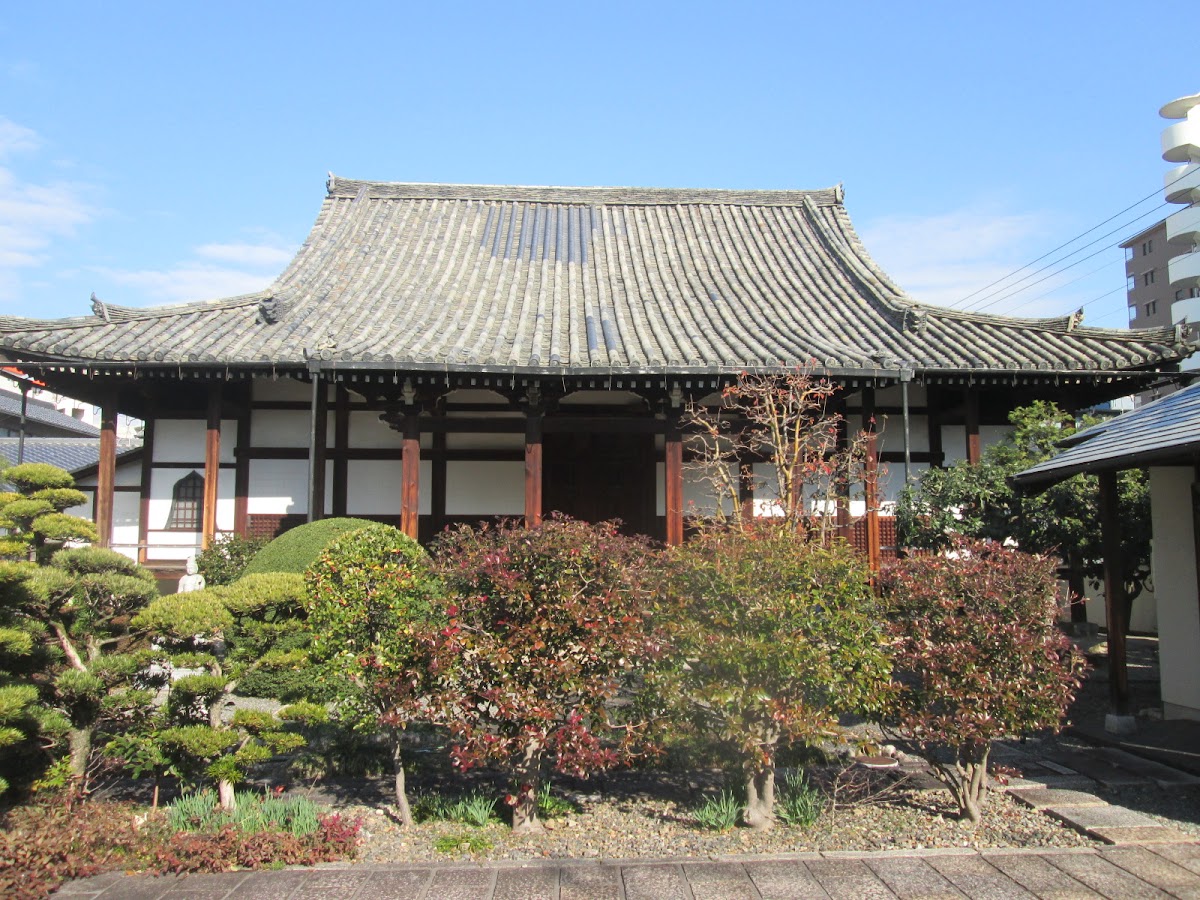
Honkoji Temple in Motoazabu, Minato Ward, maintains a tranquil environment despite its central Tokyo location. While the main hall was rebuilt after the war, it is a wooden structure that follows the traditional style of the Jinmon-ryu school of Nichiren Buddhism. In addition to the main hall, the temple grounds include a priest’s quarters and a bell tower.
Like many urban temples, the grounds are compact, but the well-maintained gardens and seasonal flowers welcome visitors.
Access
Location: 3-chome, Motoazabu, Minato-ku, Tokyo
Nearest Station:
- Approximately 10 minutes on foot from Hiroo Station on the Tokyo Metro Hibiya Line
- Approximately 8 minutes on foot from Exit 7 of Azabu-Juban Station on the Toei Oedo Line and Tokyo Metro Namboku Line
Bus: Approximately 3 minutes on foot from the Motoazabu bus stop (Toei Bus)
Access by Car: Approximately 5 minutes from the Iikura exit of the Metropolitan Expressway (Parking is limited, so use of public transportation is recommended)
Honkoji Temple (Nichiren Buddhism), Ichikawa City, Chiba Prefecture
Overview and Features
Honkoji Temple, located in Ohno-cho, Ichikawa City, Chiba Prefecture, is a temple known as a Nichiren Buddhist dojo. Its mountain name is Koinzan, and it has a long history as a center of local faith.
Basic Information:
- Sect: Nichiren Buddhism
- Mountain Name: Kōinzan
- Address: 3-1695-1 Ōnomachi, Ichikawa City, Chiba Prefecture 272-0805
- Phone Number: 047-337-8324
- Official Website: Operated, providing detailed information
Temple Activities and Characteristics
Honkoji Temple in Ichikawa City is known for its modern temple management, actively engaging not only in Buddhist services such as funerals and memorial services, but also in interaction with the local community. The head priest, Reverend Hiroaki Bito, is also dedicated to conveying Buddhist teachings in an easily understandable way to modern society.
The main hall is a modern wooden building with a capacity to accommodate many worshippers. The temple grounds house a statue of Nichiren Shonin and various other Buddhist statues, creating an atmosphere of faith.
Annual Events
As a Nichiren Buddhist temple, important religious services are held here, including the “Nichiren Shonin’s Birthday Celebration” on February 16th (the birthday of Nichiren Shonin) and the “Oeshiki (Gomyo-ko)” on October 13th. We also hold memorial services during Obon (Buddhist festival) and the spring and autumn equinoxes, attracting many parishioners and followers.
Access
Location: 3-1695-1 Ohno-cho, Ichikawa City, Chiba Prefecture
Nearest Station:
- Approximately 15 minutes on foot from Ichikawa-Ohno Station on the JR Musashino Line
- Take a bus from Keisei Yawata Station on the Keisei Main Line
Bus: Approximately 5 minutes on foot from the Ohno-cho 3-chome bus stop (Keisei Bus)
Access by Car: Approximately 10 minutes from the Ichikawa Interchange on the Keiyo Expressway (parking available)
Honkoji Temple, Hida City, Gifu Prefecture
The Largest Wooden Building in the Hida Region
Located in Furukawa-cho, Hida City, Gifu Prefecture, Honkoji Temple is known for its magnificent wooden architecture. The main hall boasts the largest scale among wooden buildings in the Hida region, making it a symbolic presence in the area and the most prominent temple in the city.
The main hall, a culmination of the skills of Hida craftsmen, is a valuable cultural heritage that conveys traditional architectural styles to the present day. The imposing wooden framework, intricate carvings, and majestic interior space overwhelm visitors.
Connection to the Santera Mairi Pilgrimage
Honkoji Temple is one of the temples visited in the Santera Mairi Pilgrimage, a winter tradition of Hida Furukawa held annually on January 15th. The Santera Mairi is a traditional event dating back to the Edo period, involving a pilgrimage to three temples: Enkoji, Shinshoji, and Honkoji.
The sight of young women in kimonos participating in the pilgrimage is particularly beautiful, and this event, held amidst a snowy landscape, is a popular winter tourist attraction representing Hida Furukawa. Countless lanterns illuminate the temple grounds, creating a fantastical atmosphere.
Nearby Attractions
The townscape of Hida Furukawa is known for its beautiful scenery, with many old townhouses preserved. Around Honkoji Temple, there are many sights to see, including the Setogawa River, the white-walled storehouse district, the Hida Furukawa Festival Hall, and the Hida Craftsmanship Culture Museum.
Access
Location: Furukawa-cho, Hida City, Gifu Prefecture
Nearest Station: Approximately 10 minutes on foot from JR Takayama Line “Hida Furukawa Station”
Access by Car:
- Approximately 30 minutes from the Tokai-Hokuriku Expressway “Hida Kiyomi Interchange”
- Approximately 20 minutes from Takayama city center via National Route 41
Parking: There are tourist parking lots nearby (public transportation is recommended during the Sanji-mairi period due to congestion)
The Connection Between Honkoji Temple in Kyoto and the Shinsengumi
The Stage of the Aburakoji Incident
Located in Shimogyo-ku, Kyoto City, Honkoji Temple is a Nichiren Buddhist temple, but it is known as a place of great significance in the history of the late Edo period. This temple holds historical significance as the site of the “Aburakoji Incident,” in which Ito Kashitaro, a strategist for the Shinsengumi, was assassinated.
On November 18, 1867 (Keio 3), Ito Kashitaro, who had separated from the Shinsengumi to form the Goryo Eji (Kodaiji Party), was attacked on his way back after a meeting with Kondo Isami and died near Honkoji Temple. Later, members of the Goryo Eji who came to retrieve his body were also ambushed, resulting in many casualties.
A Pilgrimage Site for History Fans
Although Honkoji Temple is currently located in a quiet residential area, it remains an important pilgrimage site for history fans interested in the Shinsengumi and the history of the late Edo period. Its convenient location, just a few minutes’ walk from JR Kyoto Station, makes it a popular visitor during Kyoto sightseeing.
While there are no specific signs or information boards within the temple grounds commemorating the incident, a tranquil space remains, allowing visitors to imagine the atmosphere of that time.
Access
Location: Shimogyo-ku, Kyoto City
Nearest Station: Approximately 5 minutes on foot from JR Kyoto Station
City Bus: Within walking distance from Kyoto Station bus stop
Access by Car: Approximately 15 minutes from Meishin Expressway Kyoto Minami Interchange (Public transportation is recommended as parking is limited)
Honkoji Temple, Fujinomiya City, Shizuoka Prefecture
Gamokusan Honkoji Temple
Located in Kuroda, Fujinomiya City, Shizuoka Prefecture, Honkoji Temple, whose mountain name is Gamokusan, is a Nichiren Buddhist temple. Taking advantage of its location at the foot of Mount Fuji, it is known as a temple with beautiful views of the sacred Mount Fuji.
From the main hall, on a clear day, you can see the majestic figure of Mount Fuji, experiencing a space where faith and nature harmonize. It is a temple frequented not only by local parishioners but also by many visitors who stop by while sightseeing at Mount Fuji.
Access
Location: Kuroda, Fujinomiya City, Shizuoka Prefecture
Nearest Station: Take a bus or taxi from Fujinomiya Station on the JR Minobu Line
Access by Car: Approximately 20 minutes from the Shin-Fuji Interchange on the Shin-Tomei Expressway
Other Major Honkoji Temples Nationwide
Honkoji Temple (Izumi), Sado City, Niigata Prefecture
Honkoji Temple, located in the Izumi district of Sado Island, is a Nichiren Buddhist temple with the mountain name Hokyozan. It has served as one of the centers of Nichiren Buddhism on Sado Island, supporting local faith.
With its traditional layout where the main hall appears after passing through the temple gate, it is a temple nestled in the tranquil natural environment of Sado. It is one of the temples worth visiting when sightseeing in Sado, for learning about the island’s history and culture.
Transportation Access: Take the Sado Kisen ferry to Sado Island, then take a bus or rental car from Ryotsu Port or Ogi Port.
Honkoji Temple (Fukamizo), Kota Town, Aichi Prefecture
Honkoji Temple, located in Fukamizo, Kota Town, Nukata District, Aichi Prefecture, is a Soto Zen Buddhist temple with the mountain name Zuiunzan. The principal image is Shakyamuni Buddha.
Located at the foot of a hill east of Uchiyama Village, it is known for its plum grove that spreads out beyond the temple gate. In spring, the plum blossoms are in full bloom, attracting many worshippers and tourists. It also houses local cultural properties and historical materials, making it an important temple for local history research.
Transportation Access: Take a bus or taxi from JR Tokaido Main Line “Koda Station”
Basic Information for Visiting Honkoji Temple
Temple Visiting Manners
When visiting Nichiren Buddhism/Hokke Buddhism temples, including Honkoji Temple, please observe the following basic manners:
- Bow at the Temple Gate: Bow before passing through the temple gate and enter the temple grounds.
- Procedure for Washing Hands: Cleanse your hands and mouth at the water basin.
- Worship at the Main Hall: Join your hands in prayer in front of the main hall and offer your prayers quietly.
- Photography: Photography inside the main hall and of Buddha statues is generally prohibited. Please refrain from taking photos of the exterior.
- Quietness: Please be quiet on the temple grounds and be considerate of other visitors.
Suitable Time to Visit
Each Honkoji temple has a suitable time to visit:
- Spring (March-May): The season when the temple grounds are beautiful with cherry blossoms, plum blossoms, and other flowers.
- Summer (July-August): The Obon Segaki memorial service is held.
- Autumn (September-November): The autumn leaves are beautiful, and there are important events such as the Oeshiki festival (around October 13th).
- Winter (December-February): There are winter-specific events such as the Hida Furukawa Sanji-mairi (January 15th).
Admission Fee and Visiting Hours
Most Honkoji temples do not require an admission fee, but a donation may be required to view special cultural properties or participate in events. Visiting hours are generally during the daytime (around 9:00 AM to 5:00 PM), but these vary by temple, so it is recommended to check in advance.
Cultural Assets and Highlights of Honkoji Temple
Architectural Style Characteristics
A common characteristic of Honkoji temples throughout Japan is the architectural style unique to Nichiren and Hokke sect temples. The main hall is primarily a wooden structure, and inside are enshrined the principal image of Shakyamuni Buddha and a statue of Nichiren Shonin.
In particular, Honkoji Temple in Hida Furukawa holds significant historical importance as a wooden building that embodies the skills of Hida craftsmen. The intricate joinery, decorative carvings, and vast interior space showcase the pinnacle of traditional Japanese wooden architecture.
Cultural Assets Held by the Temple
Each Honkoji temple houses valuable cultural assets that tell the story of its own history:
- Buddhist Statues and Paintings: Various Buddhist statues, including the principal image, and Buddhist paintings such as mandalas.
- Ancient Documents: Documents recording the history of the temple and materials showing the relationship with the parishioners.
- Crafts: Metalwork such as Buddhist implements, temple bells, and incense burners.
- Buildings: Historical buildings such as the main hall, temple gate, and bell tower.
Some cultural assets are designated as cultural properties by the city, town, or prefecture, and are protected as local historical heritage.
Honkoji Temple and the Local Community
The Parishioner System and Temple Management
Modern Honkoji temples, while based on the parishioner system, aim for temple management that is open to the community. They actively participate not only in Buddhist services such as funerals and memorial services, but also in local cultural and welfare activities.
Honkoji Temple in Ichikawa City, Chiba Prefecture, in particular, serves as a model for modern temple management, utilizing the internet for information dissemination and engaging in activities open to people outside of its parishioners.
Annual and Local Events
Each Honkoji Temple is deeply connected not only to Buddhist ceremonies but also to local traditional events. The Hida Furukawa Three Temple Pilgrimage is a prime example, demonstrating the important role temples play as bearers of local culture.
Furthermore, seasonal events such as the ringing of the New Year’s Eve bell, the first temple visit of the year, Setsubun festivals, and the Flower Festival maintain the connection between local residents and temples.
A Guide to Visiting Honkoji Temples
How to Enjoy Temple Pilgrimages
By visiting Honkoji Temples scattered throughout Japan, you can experience the diversity and regional characteristics of Japanese Buddhist culture. Even with the same name, “Honkoji,” each temple differs in location, history, architecture, and cultural properties, possessing its own unique character.
When visiting temples, paying attention to the following points will lead to a deeper understanding and enjoyment:
- Historical Background: When and by whom was it built?
- Architectural Style: Architectural features of the main hall and temple gate.
- Cultural Assets: What kind of Buddhist statues and documents are preserved?
- Connection to the Community: How is it connected to the history and culture of the region?
- Modern Activities: What kind of temple activities are being carried out?
Collecting Goshuin (Temple Seals)
Many Honkoji temples offer Goshuin. Goshuin are proof of worship, and you can enjoy the different designs and calligraphy of each temple. If you bring your Goshuin book and politely request it, the head priest or temple staff will write it for you.
When requesting a Goshuin, please complete your worship and then make a donation (usually 300-500 yen).
Summary
Honkoji temples, located throughout Japan, each possess their own unique history and characteristics, playing a vital role as centers of local faith and culture. From the Hokke-shu Jinmon-ryu temple in Minato Ward, Tokyo, to the Nichiren-shu Hokke Dojo in Ichikawa, Chiba, to the magnificent wooden architecture in Hida Furukawa, and the Shinsengumi-related sites in Kyoto, each temple offers a compelling and worthwhile experience.
When visiting Honkoji temples for worship or sightseeing, understanding each temple’s historical background, cultural assets, and connection to the local community will enhance your experience. Many temples are easily accessible by public transport, making them convenient to visit.
A tour of Honkoji temples offers a valuable opportunity to learn about Japanese Buddhist culture and regional history. Be sure to visit Honkoji temples throughout Japan and experience their unique charm.