Hosenji Temple (Ukyo Ward, Kyoto Prefecture) Complete Guide | History, Highlights, and Access Information for This Hidden Cherry Blossom Temple
Hosenji Temple, nestled in the Keihoku area of Ukyo Ward, Kyoto City, is a Shingon sect Omuro school temple with Ninna-ji Temple, a World Heritage Site, as its head temple. Located about 40 minutes by car from central Kyoto, this ancient temple, surrounded by abundant nature, has recently gained attention as a “hidden cherry blossom temple” with its 300 cherry trees.
This article comprehensively introduces information you should know before visiting Hosenji Temple, from its historical background and highlights within the temple grounds to its seasonal charms and access methods.
Basic Information about Hosenji Temple
Official Name: Kinkazan Hosenji Temple
Sect: Shingon Omuro School
Principal Image: Eleven-faced Kannon Bodhisattva
Founder: Shinren Shonin
Established: Enbun 1 (1356)
Location: 15 Higashidan, Shimokumada-cho, Keihoku, Ukyo-ku, Kyoto City, Kyoto Prefecture 601-0272
Phone Number: 075-852-0407
Visiting Hours: 9:00 AM – 4:00 PM (Normally open to visitors)
Admission Fee: Free (During the cherry blossom festival, a maintenance contribution may be requested)
Parking: Available (Free, approximately 40 spaces during cherry blossom season)
History and Origins of Hosenji Temple
The Origins of Hosen-in Temple at Jingoji Temple
The history of Hosen-ji Temple dates back to the first year of the Enkyu era (1069) in the mid-Heian period. At that time, a sub-temple called “Hosen-in” was established within the grounds of Jingoji Temple on Mount Takao, where famous monks such as Saicho and Kukai resided. Jingoji Temple was a renowned temple that Kobo Daishi Kukai established as the fundamental training ground for Shingon Esoteric Buddhism, and Hosen-in was a temple that inherited its prestigious lineage.
Founded by Shinren Shonin
In the first year of the Enbun era (1356) during the Nanboku-cho period, Shinren Shonin, praying for the recovery of his mother from illness, moved Hosen-in from Jingoji Temple on Mount Takao to the Keihoku area, establishing it as the Shingon Buddhist temple “Hosen-ji,” with the Eleven-Faced Kannon Bodhisattva as its hidden principal image.
This Eleven-Faced Kannon Bodhisattva is believed to have exceptional efficacy in healing illnesses, and has been revered by the local people for over 600 years. Founded by the deep filial piety of Shinren Shonin towards his mother, this temple remains a revered sacred site for healing illnesses and prayers for good health.
Deep Connections to the Keihoku Region
The Keihoku region has long flourished as a timber supply area for Kyoto, and many people lived there, making a living from forestry. Hosenji Temple has been deeply rooted in the community, serving as a spiritual haven for these residents and a place to pray for safety during mountain work.
Highlights of Hosenji Temple
Principal Image: Eleven-Faced Kannon Bodhisattva
The greatest highlight of Hosenji Temple is the principal image, the Eleven-Faced Kannon Bodhisattva, enshrined as a hidden Buddha. This Kannon, enshrined by Shinren Shonin in prayer for his mother’s recovery, is particularly believed to grant blessings for healing illnesses, longevity, and family safety.
Normally, it is a hidden Buddha image and not open to the public, but it is sometimes unveiled during special religious ceremonies. You can quietly offer your prayers in the main hall and feel the compassion of Kannon (Goddess of Mercy).
Kyoto City Designated Cultural Property: Seated Amida Buddha Statue
Hosenji Temple houses a seated Amida Buddha statue created during the Heian period, which is a designated cultural property of Kyoto City. This Buddha statue, which conveys the elegant style of the Heian period, is a valuable cultural asset that speaks to the long history and high status of Hosenji Temple.
Its serene expression and well-proportioned form are characteristic of Heian period Buddhist art, making it a must-see treasure for anyone interested in Buddhist art.
Fudo Myoo Associated with Akechi Mitsuhide
Hosenji Temple also enshrines a Fudo Myoo statue associated with the Sengoku period warlord Akechi Mitsuhide. The Keihoku region is said to be the birthplace of Akechi Mitsuhide’s mother, and Mitsuhide himself is believed to have had deep ties to this area.
For history buffs, especially those interested in Akechi Mitsuhide, this is a valuable Buddhist statue that allows you to feel the history of the Keihoku region, which was also the setting for the historical drama “Kirin ga Kuru.”
Atmosphere of the Main Hall and Grounds
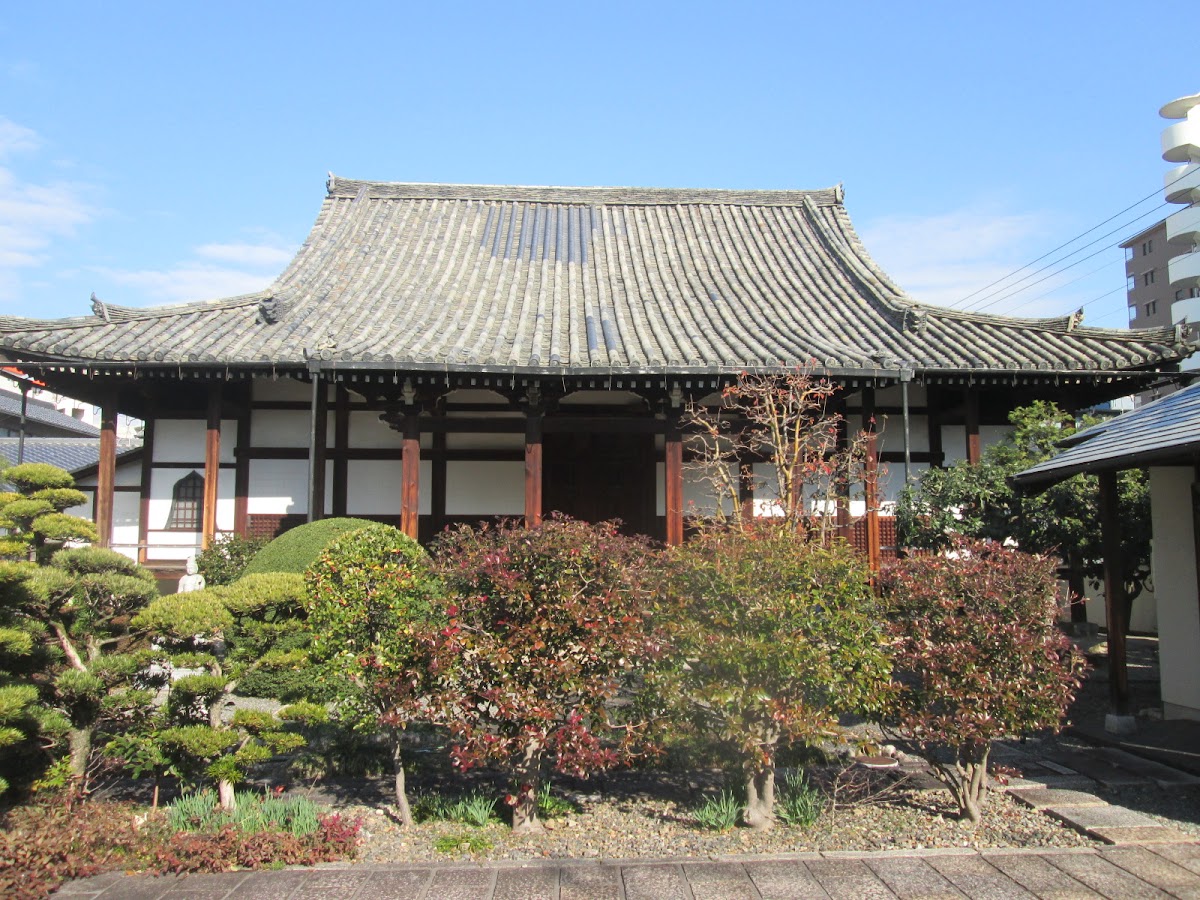
Hosenji Temple’s main hall has a tranquil appearance, blending seamlessly into the natural surroundings of Keihoku. The grounds are enveloped in silence, making it the perfect space to escape the hustle and bustle of the city and find peace of mind.
In front of the main hall is a well-maintained garden, where seasonal flowers welcome visitors. Especially during the seasons of fresh greenery and autumn leaves, you can enjoy a beautiful landscape harmonizing with the rich nature of Keihoku.
Hanahoen, the Hidden Temple of Cherry Blossoms
A Cherry Blossom Park with 300 Cherry Trees
Hosenji Temple gained attention as a “hidden temple of cherry blossoms” thanks to the “Cherry Blossom Park Project” that began in the autumn of 2018. This project, which involved planting approximately 200 cherry trees on the hillside behind the temple, has brought the total number of cherry trees in the temple grounds to around 300, including the existing ones.
This cherry blossom garden has been named “Hanahoen,” and a new cherry blossom viewing spot has been created in Keihoku, a little distance from the center of Kyoto city.
A Competition of Late-Blooming Cherry Blossoms
A major characteristic of Hanahoen is that it is mainly composed of late-blooming cherry trees. Because they reach full bloom around mid-April, you can enjoy beautiful cherry blossoms even after the blossoms in central Kyoto have fallen.
Main Cherry Blossom Varieties:
- Omurozakura: A short, double-flowered cherry tree famous at Ninna-ji Temple. It was planted because Hosen-ji Temple is a temple of the Omuro sect, with Ninna-ji Temple as its head temple.
- Kannonzakura: A cherry tree named after the principal image, the Eleven-Faced Kannon Bodhisattva.
- Heian Weeping Cherry Tree: This elegant weeping cherry tree, with its gracefully drooping branches, symbolizes the history of Hosenji Temple, which dates back to the Heian period.
- 50-Year-Old Double-Flowered Weeping Cherry Tree: This magnificent weeping cherry tree is a symbol of the temple grounds, boasting stunning deep pink blossoms.
Cherry Blossom Festival
Every year from early to mid-April, Hosenji Temple holds the “Hanahoen Cherry Blossom Festival.”
Scheduled for 2026: April 4th – 19th
During the cherry blossom festival, the following special events will be held:
- Limited Edition Goshuin (temple/shrine stamp): Special goshuin stamps featuring cherry blossom motifs
- Tea Stalls: Tea stalls offering local specialties and light meals
- Illumination (held annually): A magical space for viewing cherry blossoms at night
- Cherry Blossom Sapling Distribution and Planting Experience (held annually):
For those who want to avoid crowds and enjoy the cherry blossoms in peace, we recommend visiting on weekday mornings or before or after the cherry blossom festival period.
Photo Spots
Hanahoen offers numerous excellent photo spots:
- Main Hall and Double-Flowered Weeping Cherry Tree: A beautiful contrast between traditional architecture and cherry blossoms.
- Cherry Blossom Tunnel: The path leading to the back of the temple becomes an arch of cherry blossoms.
- Distant View: A composition capturing the cherry blossoms and main hall against the backdrop of the Keihoku mountains.
- Cluster of Omuro Cherry Trees: A beautiful contrast between the short Omuro cherry trees and the blue sky.
A Rare Temple Where You Can Experience Goma Ritual
One of the major features of Hosenji Temple is that even ordinary visitors can experience the Goma ritual.
What is Goma Ritual?
Goma is an important practice and ritual in Shingon Esoteric Buddhism. It involves burning goma wood on a goma altar and offering prayers to the flames for the fulfillment of various wishes. It originates from the Sanskrit word “homa,” meaning “to burn.”
The flames of the Goma ritual are considered to be the flames of wisdom of Fudo Myoo (Acala), and are believed to have the power to burn away worldly desires and grant wishes.
Goma Ritual Experience at Hosenji Temple
At Hosenji Temple, you can experience the Goma ritual by prior reservation. Under the guidance of a monk, you can write your wishes on a Goma stick and burn it on the Goma altar—a rare and valuable experience.
Experience Contents:
- Explanation of the meaning and etiquette of the Goma ritual
- Writing your wishes on a Goma stick
- Participation in the burning ceremony on the Goma altar
- Chanting and prayers by a monk
How to Apply:
Advance telephone inquiry and reservation are required (075-852-0407). Individuals and groups are welcome, but availability may vary depending on the date and number of participants, so it is recommended to contact well in advance.
The Goma ritual, which purifies the mind and body and allows for quiet self-reflection, will be an opportunity to rediscover the spirituality often forgotten in modern society. ## Hosenji Temple in Every Season
Spring (March-May)
Spring is the most vibrant season at Hosenji Temple. In mid-April, during the peak of cherry blossom season, the Hanahoen Garden is dyed entirely pink. After the cherry blossoms, the beautiful season of fresh greenery arrives, and the trees on the temple grounds are enveloped in vibrant green.
Summer (June-August)
During the rainy season, hydrangeas bloom on the temple grounds, creating a tranquil atmosphere. In summer, you can spend a quiet time feeling the cool breeze in the temple grounds covered in deep green. Due to its high elevation in Keihoku, it is cooler and more comfortable than the central part of Kyoto city.
Autumn (September-November)
In autumn, the autumn leaves on the temple grounds turn beautiful colors. While not as famous as the cherry blossoms, it is a hidden gem known to those in the know as a place to quietly enjoy the autumn foliage. The mountains of Keihoku are ablaze with autumn colors, and even just driving around the area allows you to fully enjoy the autumn scenery.
Winter (December to February)
In winter, Hosenji Temple is enveloped in a magical atmosphere as its snow-covered grounds are shrouded in mist. The Keihoku area is one of the snowiest parts of Kyoto City, and the main hall, amidst the snowscape, presents a beauty reminiscent of an ink painting. However, caution is necessary regarding road conditions during periods of heavy snowfall.
Access Methods
Access by Car
From central Kyoto:
- Head north on National Route 162 (Shuzan Kaido)
- Travel time: Approximately 40 minutes to 1 hour
- Set your car navigation system to: “Hosenji Temple, Ukyo-ku, Kyoto City” or phone number “075-852-0407”
From Osaka:
- From Meishin Expressway, Kyoto Minami IC, via National Route 1 and National Route 162
- Travel time: Approximately 1 hour 30 minutes
Parking: Free parking available (There is usually ample space, but during the cherry blossom festival, it is limited to approximately 40 cars, so early arrival is recommended)
Access by Public Transportation
Using JR Bus:
- Take the “JR Bus Takao/Keihoku Line” from JR Kyoto Station or JR Enmachi Station
- Get off at the “Shuzan” bus stop
- Transfer to the “Keihoku Furusato Bus/Utsu Line”
- Get off at the “Minamimachi” bus stop and walk for about 15 minutes.
Using City Bus/JR Bus (from Shijo-Omiya):
- Take the “JR Bus Takao/Keihoku Line” from Shijo-Omiya.
- Get off at the “Shuzan” bus stop.
- Continue as above.
Travel Time: Approximately 1 hour 30 minutes to 2 hours from Kyoto Station.
Fare: Around 1,000 yen one way (including transfers).
Notes:
- Since the number of buses is limited, it is recommended to check the timetable in advance.
- Pay attention to the time of the last bus and check your return bus before visiting.
- During the cherry blossom festival, extra buses may be operating.
Using a Taxi
It is also possible to take a taxi from the Shuzan bus stop or within Kyoto city, but the fare will be expensive (over 10,000 yen one way from Kyoto Station). This is a convenient option for group visits or if you have time constraints.
Nearby Tourist Attractions
Joshokoji Temple
Located about 15 minutes by car from Hosenji Temple, Joshokoji Temple is a Rinzai Zen temple founded by Emperor Kogon. It is known as a historical cherry blossom viewing spot, featuring the “Kokonoe Cherry Tree” and “Sakon Cherry Tree,” both designated as national natural monuments.
Keihoku Forest Park
This park, rich in nature, offers opportunities for barbecues and camping. It’s an ideal spot for family visits.
Woody Keihoku Roadside Station
A roadside station where you can purchase Keihoku’s local specialties, fresh vegetables, and handmade processed goods. There’s also a restaurant using local ingredients, allowing you to enjoy the flavors of Keihoku.
Crape Myrtle Tree-lined Street in Kuroda Area
From summer to autumn, a crape myrtle tree-lined street stretches for about 1 km, in full bloom. It’s about 20 minutes by car from Hosenji Temple.
Manners and Precautions for Visiting a Temple
Basic Manners for Visiting a Temple
- Bow at the Temple Gate: Bow before entering the temple grounds.
- Be Quiet: Be quiet within the temple grounds and avoid disturbing other visitors.
- Photography: Photography inside the main hall and of Buddha statues may be prohibited. Please check before taking photos.
- Offering: Place your offering in front of the main hall and quietly put your hands together in prayer.
- Goshuin (Temple Stamp): If you wish to receive a Goshuin, please speak to someone at the main hall or temple office after your visit.
Clothing and Belongings
- Clothing: There are no particularly strict regulations, but please avoid revealing clothing and wear comfortable walking shoes.
- Seasonal Precautions: In summer, the sun is strong, so please wear a hat and sunscreen. In winter, please take proper precautions against the cold.
- Belongings: Goshuincho (stamp book) (if you wish to receive a Goshuin), camera, drinks, etc.
Points to Note When Visiting
- Opening Hours: Normally, you can visit freely, but there may be times when entry is restricted due to religious services, etc.
- Weather: Be careful as the ground can be slippery in rainy or snowy weather.
- Restrooms: There are restrooms on the temple grounds, but the number is limited.
- Food and Drink: Please refrain from eating and drinking on the temple grounds except in designated areas.
Goshuin (Temple Stamp) Information
At Hosenji Temple, in addition to the regular goshuin, a limited-edition goshuin is offered during the cherry blossom festival.
Regular Goshuin
- Ink Writing: “Eleven-Faced Kannon Bodhisattva” or “Kinkazan”
- Red Seal: Hosenji Temple’s seal
- Offering Fee: Approximately 300-500 yen
Cherry Blossom Festival Limited Edition Goshuin
During the cherry blossom festival, a special goshuin with a cherry blossom motif is offered. It may also feature colorful cherry blossom stamps or hand-drawn cherry blossom illustrations, making it a must-have for goshuin collectors.
Manners for Receiving a Goshuin (Temple Stamp)
- Please complete your prayers before receiving your Goshuin.
- Open your Goshuincho (stamp book) and indicate the page where you would like it stamped.
- Having small change ready for the offering will make the process smoother.
- Please wait quietly while your Goshuin is being written.
- When receiving your Goshuin, express your gratitude by saying “Thank you.”
Annual Events at Hosenji Temple
Main Annual Events
- January 1st-3rd: First Shrine Visit of the Year, New Year’s Prayer
- Early-Mid-April: Hanahoen Cherry Blossom Festival
- August: Segaki Memorial Service (Ancestral Memorial Service)
- Irregular: Goma Prayer Service
The dates of special memorial services and events may vary from year to year, so it is recommended that those wishing to participate inquire with the temple in advance.
Prayers and Memorial Services at Hosenji Temple
Hosenji Temple accepts various prayers and memorial services.
Types of Prayer
- Prayer for Recovery from Illness: Special blessings of the principal deity, Eleven-Faced Kannon Bodhisattva
- Prayer for Health and Longevity
- Prayer for Family Safety
- Prayer for Traffic Safety
- Prayer for Business Prosperity
- Prayer for Academic Success
- Prayer for Protection from Evil
Memorial Services
- Ancestral Memorial Service
- Memorial Service for Stillborn Children
- Pet Memorial Service
If you wish to request a prayer or memorial service, we recommend making a reservation by phone in advance to discuss the date, time, and content.
About the Keihoku Region
The Keihoku region, where Hosenji Temple is located, was an independent municipality as Keihoku Town, Kitakuwada District, until it was incorporated into Kyoto City in 2005.
History and Culture of Keihoku
The Keihoku region has long been known for its thriving forestry industry, and “Keihoku timber” has been known as high-quality timber used in the construction of temples and shrines in Kyoto. Furthermore, it is said to be the birthplace of Akechi Mitsuhide’s mother, and historical sites associated with Mitsuhide are scattered throughout the area.
Nature of Keihoku
The Keihoku region, with its high altitude, abundant forests, and clear streams, boasts a natural environment that is hard to believe is within Kyoto City. You can enjoy the beautiful scenery of each season: cherry blossoms in spring, fresh greenery in summer, autumn leaves in fall, and snowscapes in winter.
Local Products of Keihoku
- Keihoku Rice: Delicious rice grown with pure water and significant temperature differences.
- Keihoku Natto: Natto loved by locals.
- Wild Vegetables: Aralia sprouts, bracken, fiddlehead ferns, etc.
- Game Meat: Game meat dishes such as venison and wild boar.
- Woodcrafts: Crafts made from wood from Keihoku.
Frequently Asked Questions
Q1: How much is the entrance fee to Hosenji Temple?
A1: It is usually free to visit. However, during the cherry blossom festival, a donation (approximately 300-500 yen) may be requested to help with the maintenance of the Hanahoen Garden.
Q2: When is the best time to see the cherry blossoms?
A2: The best time to see the cherry blossoms is usually around mid-April. Since Hosenji Temple mainly uses late-blooming varieties, you can enjoy them even after the cherry blossoms in central Kyoto have fallen. This can vary depending on the weather, so we recommend checking with the temple or the tourist association before your visit.
Q3: Is it easy to access by public transport?
A3: It is possible to get there by bus from central Kyoto, but the number of buses is limited, so access by car is more convenient. We recommend checking the timetable in advance and planning your visit accordingly.
Q4: Is a reservation required for the Goma ritual experience?
A4: Yes, the Goma ritual experience requires advance reservations. Please call (075-852-0407) to discuss dates and the number of participants.
Q5: Can I bring my pet to the temple?
A5: We recommend checking with the temple in advance regarding bringing pets onto the temple grounds. Generally, it is possible if pets are kept on a leash and proper etiquette is followed, but restrictions may be in place during busy periods such as the cherry blossom festival.
Q6: Are there any places to eat nearby?
A6: There are few restaurants around Hosenji Temple, so we recommend going to the Shuzan area (about 10 minutes by car) or to the Woody Keihoku roadside station. During the cherry blossom festival, tea stalls may be set up on the temple grounds.
Q7: Can I visit the temple in winter?
A7: You can visit the temple in winter, but the Keihoku area experiences heavy snowfall. If you are unfamiliar with driving on snowy roads, we recommend checking the weather before visiting.
Summary
Hosenji Temple, located in Keihoku, Ukyo-ku, Kyoto City, is a historic Shingon Omuro sect temple that was relocated from Jingoji Temple. Hosenji Temple, whose principal image is the Eleven-Faced Kannon Bodhisattva, revered as a goddess of healing, has served as a spiritual haven for the local people for over 600 years.
In recent years, it has gained attention as a “hidden temple of cherry blossoms,” boasting 300 cherry trees, and attracts many visitors during the cherry blossom festival in mid-April. The scenery of the Hanahoen Garden, with its late-blooming Omuro cherry blossoms and weeping cherry trees, is a precious spot to enjoy cherry blossoms in a quiet environment away from the hustle and bustle of Kyoto city.
Furthermore, it is a rare temple where ordinary visitors can experience the Goma ritual, making it popular with those seeking spirituality. It also houses many culturally valuable artifacts, including a seated Amida Buddha statue designated as a Kyoto City cultural property and a Fudo Myoo statue associated with Akechi Mitsuhide.
Located about 40 minutes by car from central Kyoto, it is ideal for a day trip. Hosenji Temple offers a peaceful place to worship while experiencing the rich nature and history of Keihoku. Why not visit this temple, where you can enjoy the beauty of all four seasons, not just cherry blossom season?
References and External Links
- Hosenji Temple Official Information (Telephone Inquiries: 075-852-0407)
- Kyoto City Tourism Association Keihoku Area Information
- Ikeike Keihoku Kyoto Keihoku Navi
- Kansai Tourism Information Kansai WEB Pavilion
- Cheers to Kyoto Tourism Information
- Special Kyoto Project
*The information in this article is current as of the time of writing. Please check the latest information on the official website or by telephone before visiting.