Complete Guide to Hoshakuji Temple | History, Cultural Assets, and Access Information for the Ancient Temple on Mt. Tenno
Hoshakuji Temple is an ancient Shingon sect Chizan school temple built on the slopes of Mt. Tenno in Oyamazaki-cho, Otokuni-gun, Kyoto Prefecture. Known affectionately as “Takara-dera” by the local community, it is a historically significant temple said to have been founded by Gyoki Bodhisattva at the behest of Emperor Shomu. This article comprehensively explains information useful for visitors, including the history of Hoshakuji Temple, highlights of the temple grounds, valuable cultural assets, and transportation access.
Overview and Location of Hoshakuji Temple
Hoshakuji Temple is located on the southern slopes of Mt. Tenno, situated on the border between Kyoto and Osaka prefectures. Its mountain name is Mt. Tenno (formerly Mt. Fudaraku), and its principal image is the Eleven-Faced Kannon Bodhisattva. Belonging to the Shingon sect Chizan school, it was built in an important location historically for transportation and military purposes.
Mount Tennozan is a mountain approximately 270 meters high, and the Yamazaki area flourished as a transportation hub connecting Kyoto and Osaka. Hōshakuji Temple, situated in this historically significant location, has been deeply involved in many historical events.
History of Hōshakuji Temple
Founding and Construction by Gyōki
According to temple tradition, Hōshakuji Temple was founded in 724 AD (Shinki 1) by Gyōki Bodhisattva at the behest of Emperor Shōmu. Gyōki was a prominent high-ranking priest of the Nara period and was involved in the construction of the Great Buddha of Tōdai-ji Temple.
It is believed that Gyōki built Yamazaki Bridge in Yamazaki, connecting to Yawata on the opposite bank, and established “Yamazaki-in” as a bridge temple. This Yamazaki-in is considered the predecessor of Hōshakuji Temple. A bridge temple is a temple responsible for the construction and maintenance of a bridge, and they were often built at important transportation points; Hōshakuji Temple is thought to have fulfilled this role.
Restoration in the Heian Period
It is said that during the Chōtoku era (995-999), Jakushō, the elder brother of Fujiwara no Shunzei (father of Fujiwara no Teika), became a monk and entered this temple, restoring it to prominence. This record is preserved in Ōe no Masafusa’s *Zoku Honchō Ōjōden*, indicating a deep connection to the aristocratic society of the Heian period.
Fujiwara no Teika’s diary, *Meigetsuki*, also contains descriptions of Hōshakuji Temple, suggesting its importance to the Heian aristocracy. At that time, Hōshakuji Temple, being a sacred site close to the capital, was visited by many aristocrats and monks.
The Battle of Yamazaki and Toyotomi Hideyoshi
A noteworthy aspect of Hōshakuji Temple’s history is its connection to the “Battle of Yamazaki” in 1582. Akechi Mitsuhide, who assassinated Oda Nobunaga in the Honnōji Incident, and Hashiba Hideyoshi (later Toyotomi Hideyoshi), who had hastily returned from the Chūgoku Great Return, clashed in the area around Mount Tennō. Hideyoshi established his headquarters on Mount Tennozan, and Hōshakuji Temple became a battleground. After his victory, Hideyoshi is said to have dedicated himself to the reconstruction of Hōshakuji Temple, rebuilding its various halls. This battle, which gave rise to the phrase “Mount Tennozan, the battle that decided the fate of Japan,” was a crucial turning point in the history of Hōshakuji Temple.
History since the Edo Period
During the Edo period, it was maintained as a Shingon Buddhist temple, attracting the faith of the local community. Despite being affected by the anti-Buddhist movement after the Meiji Restoration, it continued to protect its valuable cultural assets, and remains so to this day.
Even after the Showa era, supported by the fervent faith of the local people, and affectionately known as “Hōji” (Treasure Temple), it continues to exist as an important temple that conveys the history and culture of Mount Tennozan.
Highlights of the Temple Grounds
Main Hall
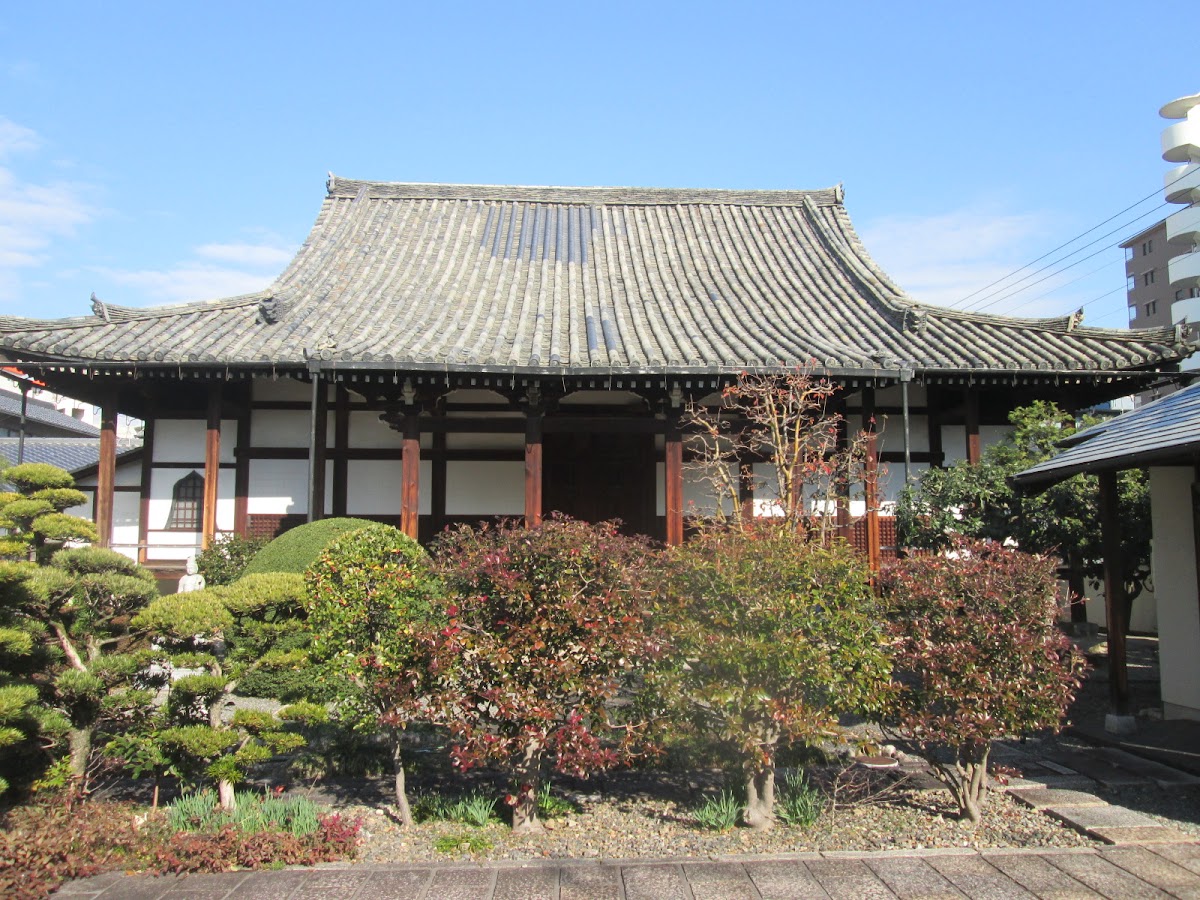
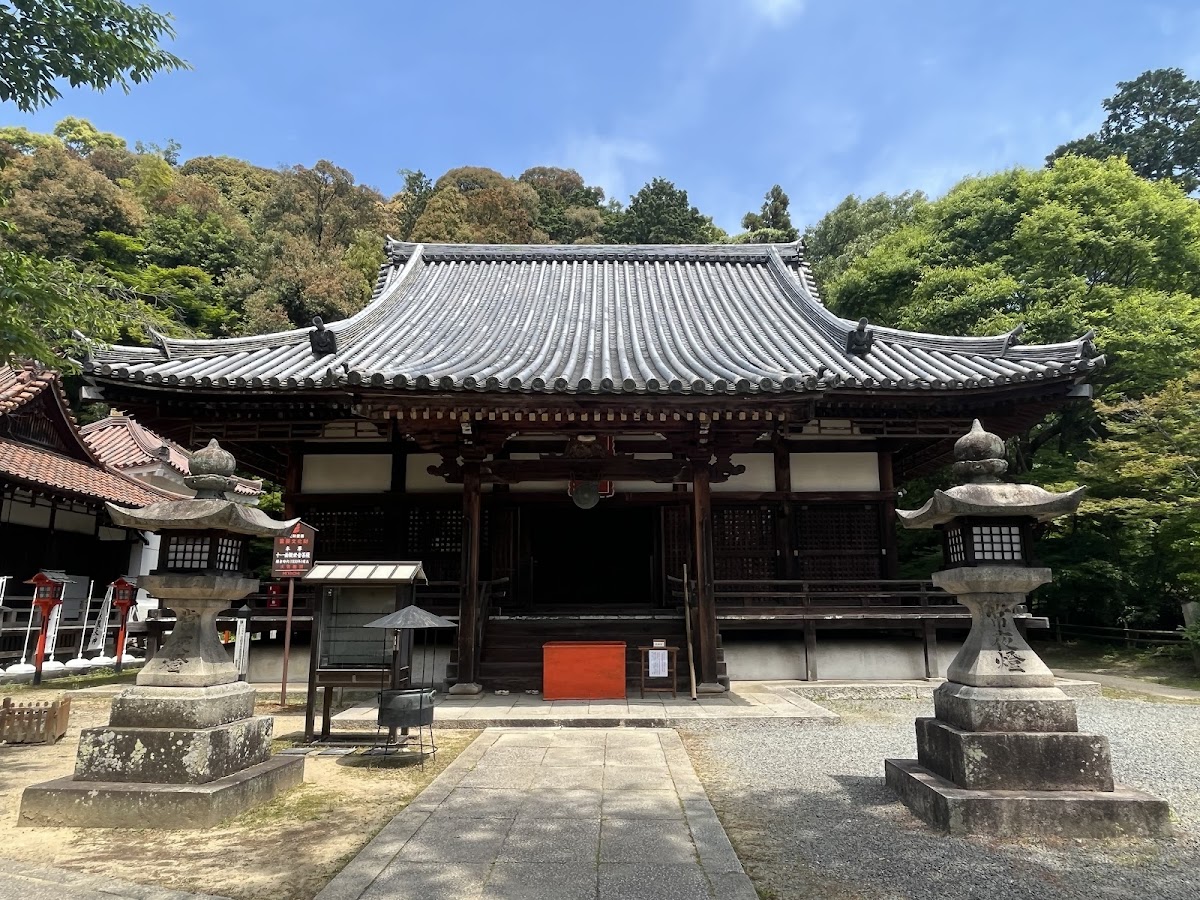
The main hall of Hōshakuji Temple houses the principal image, the Eleven-Faced Kannon Bodhisattva. The main hall is a valuable structure that preserves the architectural style of the Edo period, and inside are enshrined Buddhist statues and implements that have been preserved and passed down by successive chief priests.
From the main hall, you can see the townscape of Yamazaki and the Yodo River, and the view offers a glimpse into the history of this area, which once flourished as a transportation hub.
Three-Storied Pagoda
A beautiful three-storied pagoda stands on the temple grounds. This pagoda is a symbol of Hoshakuji Temple, and its vermilion color, standing out against the green of Mt. Tenno, is eye-catching even from afar. The architectural style and decorations of the pagoda showcase the excellent architectural techniques of the Edo period.
Enma Hall
Within the temple grounds is the Enma Hall, where a statue of Enma Daio (King Yama) is enshrined. This statue of Enma is affectionately known as “Yamazaki’s Enma-san” by the local people and is particularly revered as the Buddha who presides over the boundary between hell and paradise.
Bell Tower and Bell
An old temple bell hangs in the bell tower on the temple grounds and is used as the New Year’s Eve bell. The sound of this bell resonates throughout the town of Yamazaki, serving to tell the time to the local people.
Garden
The garden of Hōshakuji Temple is designed to take advantage of the natural topography of Mt. Tennō, allowing visitors to enjoy the scenery of each season. Many visitors come, especially during the cherry blossom season in spring and the autumn foliage season.
Cultural Properties of Hōshakuji Temple
Important Cultural Properties
Hōshakuji Temple houses several valuable cultural properties designated as important cultural properties of Japan.
Wooden Eleven-Headed Kannon Standing Statue: The principal image, an eleven-faced Kannon Bodhisattva statue, is an elegant Buddhist statue believed to be from the Heian period. The eleven-faced Kannon is worshipped as a manifestation of Kannon Bodhisattva, who watches over all directions and saves all sentient beings.
Wooden Seated Amida Buddha Statue: This Amida Buddha statue exhibits the Jocho style of the late Heian period, characterized by its serene expression and well-proportioned form.
Group of Small Pagodas in Shrines: These small pagodas, created between the Kamakura and Muromachi periods, showcase exquisite craftsmanship.
Prefectural and Municipal Designated Cultural Properties
The temple houses numerous cultural properties designated by Kyoto Prefecture and Oyamazaki Town, serving as important historical and cultural resources for the region. Ancient documents, Buddhist paintings, and Buddhist implements—items that tell the long history of Hoshakuji Temple—are carefully preserved.
Items Related to Hideyoshi
Items related to the Battle of Yamazaki are also preserved, including items believed to have been donated by Toyotomi Hideyoshi and items said to have been used during the battle. While rarely displayed to the public, these are valuable historical materials demonstrating the historical importance of Hoshakuji Temple.
Annual Events and Special Viewings
Main Annual Events
New Year’s Visit: Many worshippers visit during the first three days of the New Year to pray for peace and prosperity in the new year.
Setsubun Festival: Events such as bean-throwing are held on Setsubun in February.
Spring and Autumn Memorial Services: Special memorial services are held in spring and autumn, bringing together parishioners and local residents.
New Year’s Eve Bell Ringing: On New Year’s Eve, the temple bell is rung, a traditional event to dispel the 108 worldly desires.
Special Viewings
Cultural properties that are normally closed to the public may be opened during special viewing periods. It is recommended to check the temple’s official information for special viewing dates.
Location and Access
Location
Address: 1 Zenbara, Oyamazaki-cho, Otokuni-gun, Kyoto 618-0071
Hoshakuji Temple is located on the mountainside of Mt. Tenno, so you will need to climb the approach path. The stone steps of the approach path are a charming path that evokes a sense of history, but those who are not confident in their physical strength should be careful.
Access by Train
JR Kyoto Line: Approximately 15 minutes on foot from Yamazaki Station (approximately 5 minutes to the entrance of the approach path, then approximately 10 minutes climbing the stone steps)
Hankyu Kyoto Line: Approximately 15 minutes on foot from Oyamazaki Station
JR Yamazaki Station and Hankyu Oyamazaki Station are close to each other, and you can access the temple from either station. There are signs guiding you from the station to Hoshakuji Temple, so even first-time visitors can arrive without getting lost.
Access by Car
Meishin Expressway: Approximately 5 minutes from Oyamazaki IC
Parking: There is a parking lot for visitors on the temple grounds, but spaces are limited, so we recommend using public transportation on weekends and during events.
The entrance to the hiking trail to Mt. Tennozan is also nearby, so many people visit in combination with hiking.
Nearby Tourist Attractions
Mt. Tennozan Hiking Course
A hiking course is maintained from Hoshakuji Temple to the summit of Mt. Tennozan, and you can reach the summit in about 30 minutes. From the summit, you can enjoy views of Kyoto and Osaka, and on clear days, you can even see as far as Awaji Island.
The location where Hideyoshi is said to have set up his headquarters during the Battle of Yamazaki is also on the hiking course, allowing you to enjoy historical exploration and hiking at the same time.
Asahi Beer Oyamazaki Villa Museum
This museum is located about a 10-minute walk from Hoshakuji Temple and is a museum housed in the former villa of businessman Shotaro Kaga. This museum exhibits Impressionist works, including Monet’s “Water Lilies,” as well as works related to the Mingei (folk craft) movement. The building itself is beautiful, and the view from the garden is magnificent.
Yamazaki Shōten (Kannonji Temple)
Like Hōshakuji Temple, this temple is located at the foot of Mt. Tennō and is known as a sacred site for Shōten worship. It is believed to bring good fortune in business and matchmaking, attracting many visitors.
Suntory Yamazaki Distillery
Known as the birthplace of Japanese whisky, this distillery offers popular tours. Visitors can learn about the history and methods of whisky making using Yamazaki’s famous water.
Rikyu Hachimangu Shrine
This shrine, which once flourished as a sub-shrine of Iwashimizu Hachimangu Shrine, is also known as the birthplace of perilla oil. It is approximately a 10-minute walk from Hōshakuji Temple.
Notes for Visitors
Visiting Hours
Visiting hours are usually from 9:00 to 16:00, but may vary depending on the season and events. It is recommended to check with the temple in advance.
Clothing and Items to Bring
The approach to the temple has many stone steps, and some sections are quite steep. Therefore, comfortable shoes and clothing are recommended. Particular caution is needed during rainy weather, as the steps can become slippery.
In summer, bring drinks for hydration; in winter, bring warm clothing. As the temple is located on the slopes of Mt. Tenno, temperatures may be lower than at the foot of the mountain.
Photography
Photography is generally permitted within the temple grounds, but there may be restrictions on photography inside the main hall or of cultural artifacts. Please follow the temple’s instructions when taking photographs.
Goshuin (Temple Seal)
Hoshakuji Temple offers Goshuin (temple seals). If you bring your Goshuincho (stamp book), you can receive a Goshuin as a memento of your visit. Since the COVID-19 pandemic, mail-order services have been implemented, making it possible for people from far away to receive a Goshuin (temple stamp).
The Charm of Hoshakuji Temple
Layers of History
The greatest charm of Hoshakuji Temple lies in its layered history, spanning from its founding in the Nara period to the present day. Its establishment by Gyoki, its connection to Heian-period aristocrats, the Battle of Yamazaki (a major event during the Sengoku period), and the continuation of local faith from the Edo period to the present day—all of this history is condensed within this single temple.
Unique Location
The location of Hoshakuji Temple, situated on the strategically important and militarily significant Mt. Tennozan, gives it special significance. Its geographical location on the border between Kyoto and Osaka, and between Yamashiro and Settsu provinces, has always been a stage for history from ancient times to the early modern period, and Hoshakuji Temple has remained a witness to that history.
Abundance of Cultural Assets
The possession of numerous cultural assets, including nationally designated Important Cultural Properties, is another major attraction of Hoshakuji Temple. These cultural artifacts are not merely works of art; they possess high academic value as valuable historical materials that tell the story of Japanese Buddhist art history and the history of the region.
Natural Environment
The rich natural environment of Mt. Tennozan is one of the charms of Hoshakuji Temple. The experience of visiting while feeling the changing seasons is something that cannot be obtained at temples in urban areas. The temple grounds, which show different expressions in each season—the fresh green of spring, the deep green of summer, the autumn leaves, and the tranquility of winter—offer a fresh and moving experience no matter how many times you visit.
Hoshakuji Temple and the Local Community
Hoshakuji Temple, affectionately known as “Hoji” (Treasure Temple) by the local community, has been deeply intertwined with the lives of the people of Oyamazaki Town. It participates in local festivals and events, playing a role as a spiritual pillar of the local community.
In recent years, it has actively engaged in cultural property preservation activities and local history education, developing activities to pass on history and culture to the next generation. It is also used as a place for local history studies at local elementary schools, providing children with opportunities to learn about the history of their region.
Hoshakuji Temple and the Local Community
Hoshakuji Temple is affectionately known as “Hoji” (Treasure Temple) by the local community and has been deeply intertwined with the lives of the people of Oyamazaki Town. It is involved in local festivals and events, and plays a role as a spiritual pillar of the local community.
In recent years, it has been actively engaged in cultural property preservation activities and local history education, developing activities to pass on history and culture to the next generation. It is also used as a place for local history studies at local elementary schools, providing children with opportunities to learn about the history of their region. ## Summary
Hōshakuji Temple is a venerable temple with a history of nearly 1300 years. It has been deeply involved in important moments in Japanese history, including its establishment by imperial decree of Emperor Shōmu, its connection to Gyōki, the faith of Heian-period aristocrats, the historical event of the Battle of Yamazaki, and its restoration by Toyotomi Hideyoshi.
Standing in a special location on the slopes of Mt. Tennō, a strategically important transportation and military site, Hōshakuji Temple has witnessed the changing times. Its valuable cultural assets, including important cultural properties, beautiful grounds, and rich natural environment evoke deep emotion and a sense of history in visitors.
Located on the border of Kyoto and Osaka, its easy accessibility from both cities is another attractive feature. Visiting in conjunction with a hike on Mt. Tennō allows you to enjoy both historical exploration and nature walks.
Affectionately known locally as “Hōji,” Hōshakuji Temple is not merely a tourist spot; it remains a living temple deeply intertwined with the lives of local people, continuing to attract their faith. This temple is worth visiting for anyone interested in history, cultural heritage, or simply seeking tranquility in nature.
When you visit Yamazaki, be sure to stop by Hoshakuji Temple and feel the passage of time in its grounds, where 1300 years of history breathe life into. As you climb the stone steps, pay your respects at the main hall, and look down on the town of Yamazaki from the temple grounds, you will truly feel the weight of the long history this place has experienced.