Minase Shrine Complete Guide | Osaka’s Only Grand Shrine with Connections to Emperor Go-Toba and the “Rikyu no Mizu” (Water of the Imperial Villa), one of Japan’s Top 100 Famous Waters
Located in Shimamoto-cho, Mishima-gun, Osaka Prefecture, Minase Shrine is a prestigious shrine, the only one in Osaka Prefecture to hold the title of “Grand Shrine.” Situated at the foot of Mt. Tenno, on the border between Kyoto and Osaka Prefectures, it is known for “Rikyu no Mizu” (Water of the Imperial Villa), selected as one of Japan’s Top 100 Famous Waters by the Ministry of the Environment. It enshrines three emperors—Emperor Go-Toba, Emperor Tsuchimikado, and Emperor Juntoku—and is a treasure trove of history and cultural assets related to the Jokyu War, attracting many visitors.
History and Origins of Minase Shrine
From Minase Imperial Villa to Grand Shrine
The history of Minase Shrine dates back to the time of Emperor Go-Toba, from the late Heian period to the early Kamakura period. Emperor Go-Toba deeply loved the Minase area and built the Minase Palace there during the Kenkyu era (1190s). This detached palace, known as the “Minase Detached Palace,” was frequently visited by the Emperor, who composed waka poetry and enjoyed tea ceremonies.
The Minase area, blessed with the pure waters of the Minase River and the natural beauty of Mount Tenno, was an ideal location close to the capital. Emperor Go-Toba particularly favored the water of this area, and it is said that he used it for his tea ceremonies.
The Jokyu War and the Founding of the Shrine
In 1221 (Jokyu 3), Emperor Go-Toba raised an army against the Kamakura Shogunate, but the Jokyu War ended in failure, and the Emperor was exiled to Oki Island. Emperor Tsuchimikado voluntarily went to Tosa Province (later Awa Province), and Emperor Juntoku was exiled to Sado Island.
In 1239 (En’ō 1), based on the will of Emperor Go-Toba, who died in Oki, Minase Nobunari and his son Chikashige, who served the Emperor, built a Mikage-dō (portrait hall) on the former site of the Minase Imperial Villa in 1240 (Ninji 1) to enshrine the Emperor’s spirit. This marked the beginning of Minase Shrine.
Initially called “Minase-no-miya,” it was designated a Kanpei Taisha (Grand Imperial Shrine) in 1871 (Meiji 4) after the Meiji Restoration, and officially received the name “Minase Jingu.” Later, Emperor Tsuchimikado and Emperor Juntoku were also enshrined, resulting in the current form of shrine dedicated to three emperors.
Deities and Divine Virtues
Main Deities
Minase Shrine enshrines the following three emperors:
Emperor Go-Toba (1180-1239)
The 82nd Emperor. He is known as a cultured figure who excelled in waka poetry and commissioned the compilation of the “Shin Kokin Wakashū” (New Collection of Ancient and Modern Japanese Poems). He also possessed deep knowledge of sword appraisal and forging, and swords he personally engraved with the chrysanthemum crest were highly prized and known as “Kiku Gosaku” (Chrysanthemum-Engraved Swords). He was also skilled in martial arts, proficient in archery and horsemanship, making him an emperor accomplished in both literary and martial arts.
Emperor Tsuchimikado (1196-1231)
The 83rd Emperor. The eldest son of Emperor Go-Toba. Although he was not involved in the Jōkyū War, he requested exile out of filial piety towards his father, Emperor Go-Toba.
Emperor Juntoku (1197-1242)
The 84th Emperor. The third son of Emperor Go-Toba. He participated in the Jōkyū War with his father and was exiled to Sado Island. He is also known as a scholarly emperor, having left behind works such as the “Kinpi Shō” (Forbidden Secret Writings).
Divine Virtues
The divine virtues of Minase Shrine are diverse. It is believed to bring blessings for academic success, improvement in performing arts, good fortune, protection from evil, and family safety. In particular, because Emperor Go-Toba was a cultured man well-versed in waka poetry, swordsmanship, and the tea ceremony, it attracts the faith of people involved in arts and culture.
Highlights of the Shrine Grounds
Main Shrine Buildings
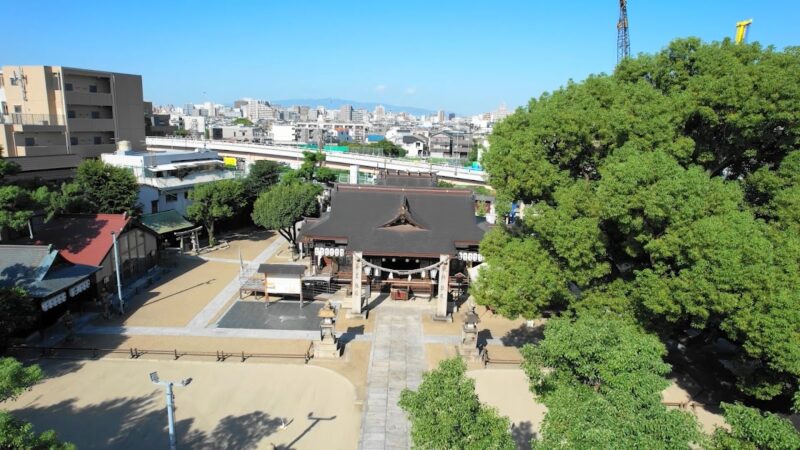
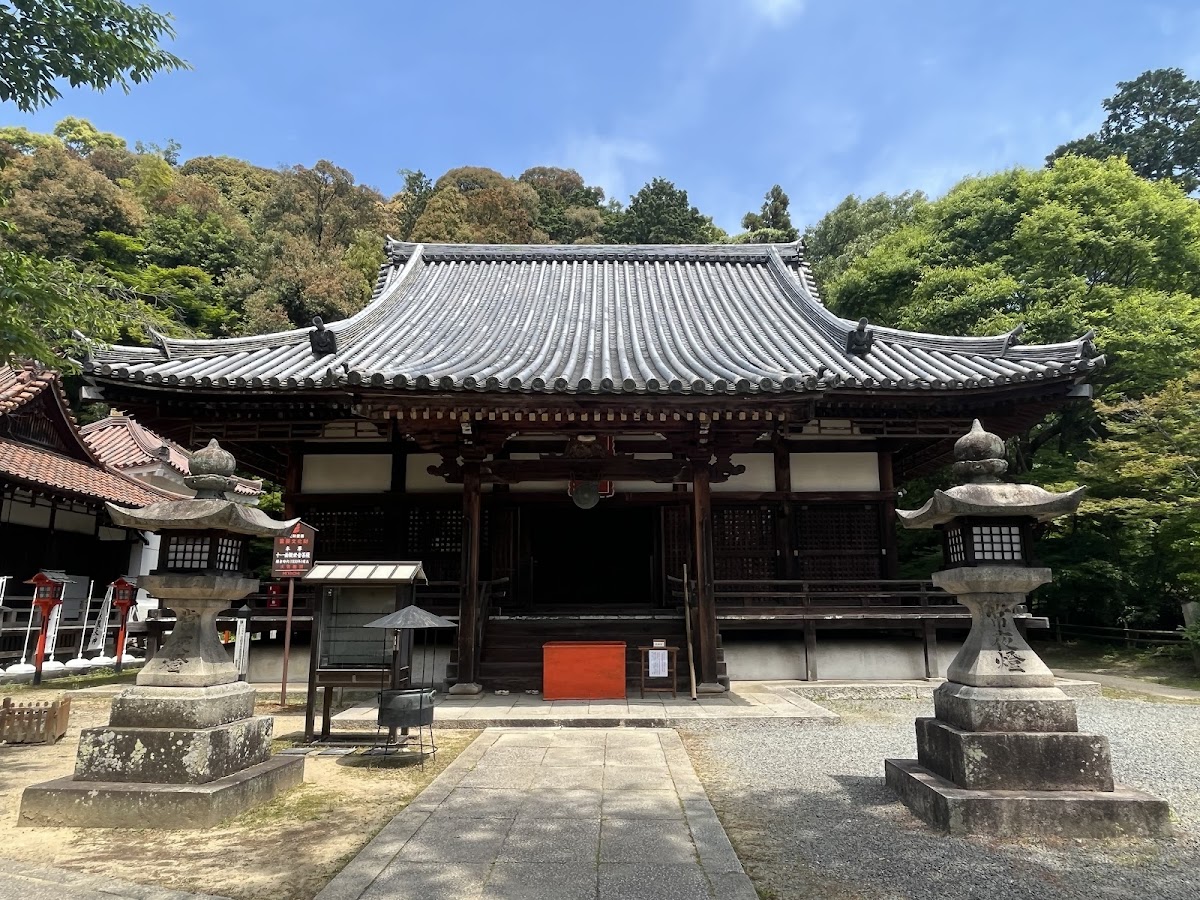
The main shrine buildings of Minase Shrine are designated as a National Registered Tangible Cultural Property. The current buildings, constructed in 1929, are a magnificent complex of structures including the main sanctuary, worship hall, connecting corridor, and offering hall. The main sanctuary is built in the nagare-zukuri style, and its cypress bark roof presents a beautiful appearance.
The worship hall is built in the irimoya-zukuri style, with a dignified presence welcoming worshippers. The entire shrine grounds are enveloped in a tranquil atmosphere, creating a sacred space that makes you forget the hustle and bustle of the city.
“Rikyu no Mizu” (Water of the Imperial Villa), one of Japan’s Top 100 Famous Waters
The most famous feature of Minase Shrine is “Rikyu no Mizu,” selected as one of Japan’s Top 100 Famous Waters by the Ministry of the Environment. This water is groundwater from the Minase River, which originates from Mt. Tenno, and is drawn from a well on the shrine grounds.
Rikyu no Mizu has long been known as a famous water, and it is said that Emperor Go-Toba also enjoyed drinking it. Sen no Rikyu is also said to have favored using it in his tea ceremonies, demonstrating its deep connection to the tea ceremony. Even today, many people visit seeking this famous water, and they are free to draw and take it home.
The water maintains a constant temperature throughout the year and is characterized by its pure and refreshing taste. It is renowned for its exceptional flavor when used not only for drinking, but also for tea, coffee, and cooking. Visitors must bring their own containers to draw the water.
Tea House “Toshintei”
Within the shrine grounds is the tea house “Toshintei.” This tea house symbolizes the tea ceremony culture of Minase Shrine, and tea ceremonies are held regularly. Due to the historical background of Sen no Rikyu’s fondness for the water of Minase, this place is deeply revered by those involved in the tea ceremony.
Various tea ceremonies are held at the Tōshintei tea house throughout the year, and the heads of the Urasenke and Omotesenke schools of tea ceremony sometimes serve at the spring and autumn tea offering ceremonies. The name of the tea house, “Tōshintei,” is cherished as an elegant name that embodies the spirit of the tea ceremony.
The Legend of the Shrine Gate and Ishikawa Goemon’s Handprint
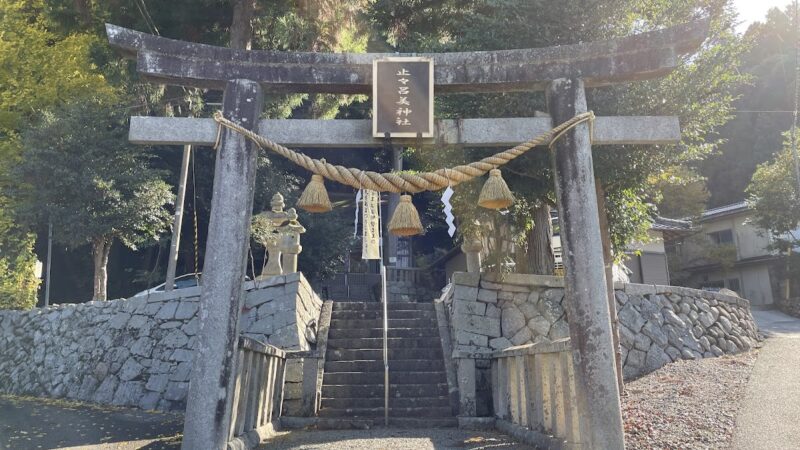
An intriguing legend remains at the shrine gate of Minase Shrine. It is said that Ishikawa Goemon, a notorious thief of the Azuchi-Momoyama period, left his handprint on this gate.
According to the legend, when Ishikawa Goemon attempted to steal treasures from Minase Shrine, he placed his hand on the gate, and his handprint was imprinted there. This legend has been passed down for generations as a testament to the sacredness and inviolability of the shrine grounds. Even today, many worshippers visiting the shrine gate reflect on this legend.
National Treasures and Cultural Properties
National Treasure: “Emperor Gotoba’s Imperial Handwritten Document with Seal”
The most valuable cultural property held by Minase Shrine is the “Emperor Gotoba’s Imperial Handwritten Document with Seal,” designated as a National Treasure. This is a handwritten document written by Emperor Gotoba to Minase Nobunari and his son Chikashige while he was in exile on Oki Island.
This document records the Emperor’s last wishes, ordering the construction of a memorial hall in Minase to enshrine his spirit. The document bears the Emperor’s handprint (seal), making it a valuable historical document that conveys his strong feelings to the present day.
National Treasure: “Colored Portrait of Emperor Gotoba on Paper”
Another National Treasure is the “Colored Portrait of Emperor Gotoba on Paper.” This portrait, painted during the Kamakura period, is an extremely important cultural asset that conveys the appearance of Emperor Go-Toba to this day. The dignified figure of the emperor is depicted with exquisite detail, and it is highly valued in art history as a work that demonstrates the high level of court culture and portrait painting techniques of the time.
These national treasures are not usually on public display, but there are opportunities to view them at special exhibitions.
Other Cultural Assets
Minase Shrine also houses many other cultural assets. Swords known as famous blades, ancient documents, paintings, and other items associated with Emperor Go-Toba are carefully preserved. These are precious treasures that tell the story of the history and cultural value of Minase Shrine.
Annual Events and Festivals
Major Festivals
Minase Shrine holds various festivals throughout the year.
Spring Grand Festival (April)
One of the most important festivals, it sometimes includes a tea ceremony. In some years, the head of the Sen family officiates, and it attracts many worshippers.
Autumn Grand Festival (October)
A festival celebrating the bountiful autumn harvest, featuring Kagura (sacred dance) performances and other events.
Monthly Festival
A regular monthly festival where daily gratitude and prayers are offered.
Tea Ceremony
A distinctive event at Minase Shrine is the Tea Ceremony. Due to its deep connection with the tea ceremony, tea is regularly offered by the heads of the Urasenke and Omotesenke schools of tea ceremony and their associates. On this day, tea ceremony practitioners gather on the shrine grounds, and tea is offered to the gods in a solemn atmosphere.
Goshuin (Shrine Seals) and Gifts
Goshuin (Shrine Seals)
Minase Shrine offers beautiful goshuin. In addition to the regular goshuin, there are seasonal original goshuin and goshuin given out on special days. Especially during the time when the flower arrangements in the water basin are beautiful, goshuin with designs matching them are popular.
Goshuin are available at the shrine office from 9:00 to 16:00. While pre-printed goshuin (temple/shrine stamps) are available, if you wish to receive a handwritten one, it is recommended to visit with ample time.
Amulets and Souvenirs
Minase Shrine offers a variety of amulets and souvenirs. In addition to common amulets for academic success, good fortune, protection from evil, and traffic safety, there are also unique souvenirs specific to Minase Shrine.
Particularly popular are souvenirs related to the shrine’s famous spring water. Amulets featuring the chrysanthemum crest associated with Emperor Go-Toba are also popular.
Flower Water Basin
In recent years, Minase Shrine has been setting up beautiful flower water basins each season, which have become a topic of conversation on social media. Colorful flowers float in the water basin, delighting visitors. The sight of seasonal flowers such as cherry blossoms in spring, hydrangeas in early summer, and chrysanthemums in autumn adorning the water’s surface is particularly popular for its photogenic qualities.
Access and Visiting Information
Location
Address: 3-10-24 Hirose, Shimamoto-cho, Mishima-gun, Osaka 618-0011, Japan
Phone: 075-961-0078
Reception Hours: 9:00-16:00
Access by Train
Hankyu Railway
- Get off at Minase Station on the Hankyu Kyoto Line, approximately 15 minutes on foot
- Walk towards Mt. Tennozan from the station
JR West
- Get off at Shimamoto Station on the JR Kyoto Line, approximately 20 minutes on foot
The route from Minase Station is relatively flat, but since it is located at the foot of Mt. Tennozan, there is a slight uphill slope at the end. Walking while enjoying a stroll is recommended during pleasant seasons.
Access by Car
Meishin Expressway
- Approximately 5 minutes from Oyamazaki IC
Parking
There is a free parking lot for visitors on the temple grounds. However, since the number of spaces is limited, it may be crowded during festivals and on weekends. In such cases, we recommend using public transportation.
Estimated Time Required for Visiting
If you take your time to stroll around the temple grounds and draw water from the Imperial Villa, it will take approximately 30 minutes to 1 hour. If you plan to receive a Goshuin (temple stamp) or take your time taking photos, we recommend allowing even more time.
Nearby Tourist Attractions
Tennozan Mountain
Tennozan Mountain, towering behind Minase Shrine, is a historical site that was the stage for the Battle of Yamazaki, famous as the “Tennozan that decided the fate of Japan.” Hiking trails are also available, and from the summit you can enjoy a panoramic view of Kyoto and Osaka.
Suntory Yamazaki Distillery
The Suntory Yamazaki Distillery is located nearby, and you can tour the whiskey manufacturing process (reservations required). This spot uses water from the same water system as the famous spring water of Minase Shrine, allowing you to truly experience the abundance of water.
Oyamazaki Villa Museum
Located on the slopes of Mt. Tenno, this museum offers a chance to enjoy buildings and gardens associated with the folk art movement, as well as a collection of art. It’s a popular tourist route, often combined with a visit to Minase Shrine.
Points to Note When Visiting Minase Shrine
Precautions When Drawing the Famous Spring Water
When drawing water from the detached palace, please note the following:
- Bring your own container (a clean container such as a plastic bottle)
- Be considerate and avoid occupying the water for extended periods
- Be careful not to wet the area around the water source
- If drinking, boil the water, etc., at your own risk.
Photography Etiquette
Photography of the flower arrangements and the shrine grounds is permitted, but please observe the following etiquette.
- Be considerate of other worshippers.
- Check beforehand, as photography inside the shrine may be prohibited.
- Avoid using tripods during crowded times.
Clothing and Items to Bring
- Since you will be walking from the station, comfortable shoes are recommended.
- Bring a parasol, hat, and drinks in summer.
- Take precautions against the cold in winter.
- Don’t forget a container if you plan to collect the famous spring water.
The Charm of Minase Shrine
Minase Shrine is a rare shrine where history, culture, and nature are in harmony. Beginning with the deep sentiments of Emperor Go-Toba, this shrine, with nearly 800 years of history, is not merely a tourist spot, but a place where you can experience Japanese history and culture.
The “Rikyu no Mizu” spring, one of Japan’s 100 Famous Waters, continues to produce pure water, blessing many people. The cultural properties designated as National Treasures are valuable historical materials that convey the history of the Kamakura period. The tranquil grounds offer visitors a sense of peace and tranquility.
Its location at the foot of Mt. Tennozan, on the border of Osaka and Kyoto prefectures, is also appealing. While easily accessible from urban areas, its natural surroundings make it an ideal place to escape the hustle and bustle of everyday life and refresh yourself.
The grounds change their appearance with each season, the flower arrangements in the water basin change their appearance, and above all, the atmosphere evokes a sense of historical weight. Minase Shrine is a shrine with profound charm, offering new discoveries with every visit.
With its status as the only “Jingu” (grand shrine) in Osaka Prefecture, its connection to the historical event of the Jokyu War, its deep ties to tea ceremony culture, and its water selected as one of Japan’s 100 best waters, all these elements combine to make Minase Shrine one of the representative shrines of the Kansai region, beloved by many.
We recommend a visit to Minase Shrine for history buffs, shrine and temple enthusiasts, those seeking famous waters, photography lovers, and anyone seeking inner peace. It will surely be a memorable experience.