About Himukai Daijingu Shrine
Himukai Daijingu Shrine is an ancient shrine located in Yamashina Ward, Kyoto City, and is affectionately known locally as “Kyoto’s Ise Shrine.” It is said to have been founded during the reign of Emperor Kenzo (late 5th century), and the current shrine buildings were rebuilt during the Kan’ei era (1624-1644) in the early Edo period.
Like Ise Grand Shrine, it has a two-shrine structure consisting of an Inner Shrine and an Outer Shrine, and is a highly prestigious shrine with Amaterasu Omikami as its principal deity. While within walking distance of Keage Station, it offers a tranquil space enveloped in a deep forest.
Points to Note When Visiting
Visiting Both the Inner and Outer Shrines
Following the structure of Ise Grand Shrine, the formal order of worship is to first visit the Outer Shrine (Toyouke Daijingu) and then proceed to the Inner Shrine (Amaterasu Daijingu). Both shrines feature simple yet solemn shrine buildings, showcasing the Shinmei-zukuri architectural style.
Cave of the Heavenly Rock Cave
The main attraction on the shrine grounds is the cave known as “Ama-no-Iwato” (Heavenly Rock Cave). Inspired by the legend of Amaterasu Omikami hiding in a cave in Japanese mythology, visitors can pass through a cave approximately 10 meters long. It is believed that passing through this rock tunnel, called “Togakushi,” brings good fortune and protection from evil, attracting many worshippers.
The cave is narrow and dark, so caution is needed. Especially in rainy weather, it can become slippery, so comfortable walking shoes are recommended.
Forest Path
From Keage Station to the shrine, it’s about a 15-minute walk along a mountain path. Although the path is paved, the quiet path surrounded by trees offers a peaceful escape from the hustle and bustle of the city. The fresh greenery in spring and the vibrant autumn leaves create a beautiful setting to enjoy the changing seasons.
Benefits
The following benefits are known at Hyuga Grand Shrine:
- Good Fortune and Protection from Evil: Exorcism through passing through the Heavenly Rock Cave
- Family Safety: Divine blessings of Amaterasu Omikami
- Abundant Harvest: Blessings of Toyouke Omikami of the Outer Shrine
- Fulfillment of Wishes: Sincere prayer in a tranquil environment
In particular, passing through the Heavenly Rock Cave is popular with people visiting at turning points in their lives or when starting a new chapter, and is revered as a symbol of “rebirth.”
Access Information
Access by Train
- Approximately 15 minutes on foot from Keage Station on the Kyoto Municipal Subway Tozai Line
- Approximately 10 minutes on foot from the Higaoka bus stop (Keihan Railway Sanjo Station) via City Bus Route 5
From Keage Station, take Exit 1 and head towards the mountain side, opposite to Nanzenji Temple. After passing through the residential area, you will see a sign for the entrance to the shrine grounds.
Access by Car
Approximately 15 minutes from the Kyoto East Interchange on the Meishin Expressway. However, there are only a few parking spaces, and it is often full during peak seasons such as autumn foliage season, so using public transportation is recommended.
Visiting Hours
The shrine grounds are freely accessible (24-hour worship). However, the Ama-no-Iwato cave is dark and dangerous after sunset, so visiting during daylight hours is recommended.
Nearby Attractions
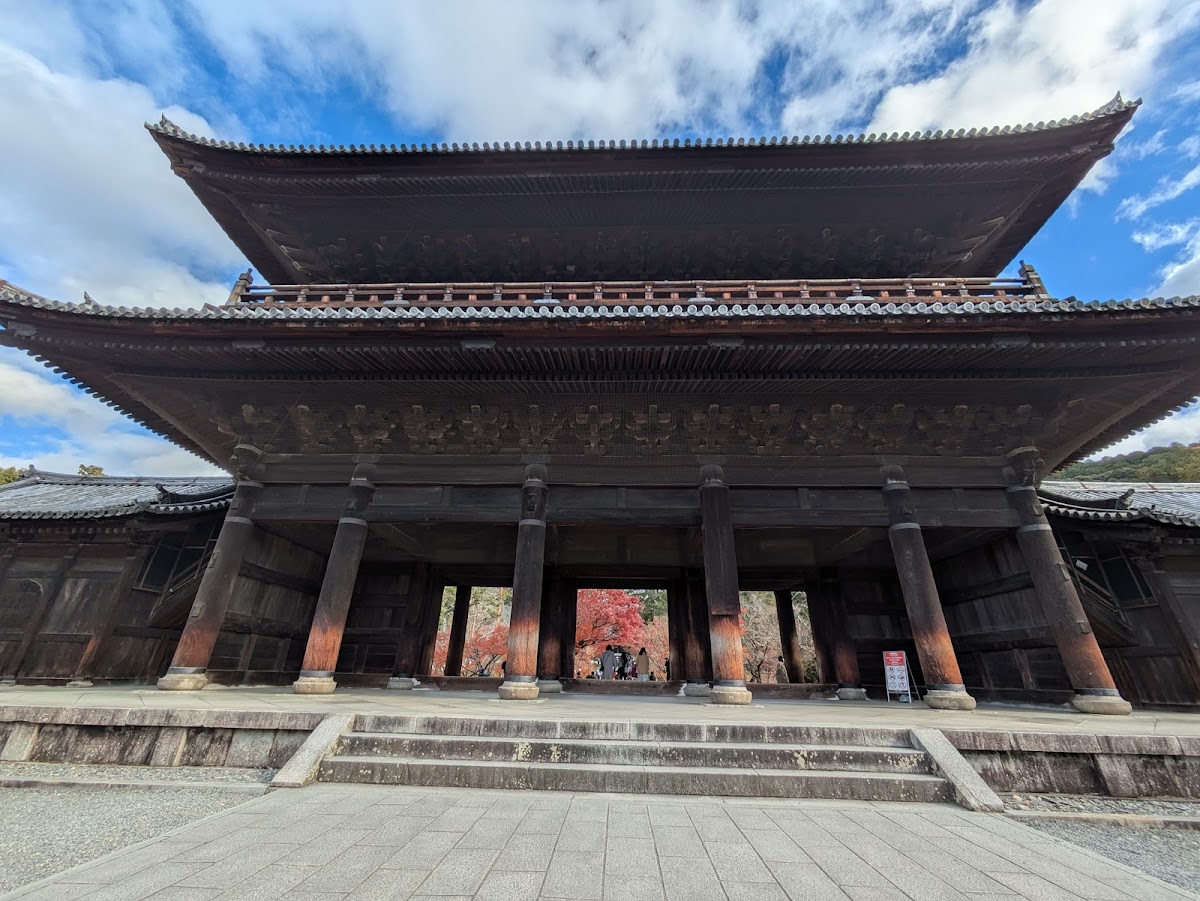
Nearby attractions include Nanzen-ji Temple, Eikan-do Temple, and the Incline (former Keage Inclined Railway). Nanzen-ji Temple is particularly close, about a 20-minute walk away, making a sightseeing plan combining a visit to the shrines and temples of the Higashiyama area popular.
Etiquette for Visitors
This shrine is quietly maintained by locals and is not frequented by tourists. Please refrain from loud conversations and photography, and respect the sacred atmosphere during your visit. Photography is strictly prohibited inside the Ama-no-Iwato cave.