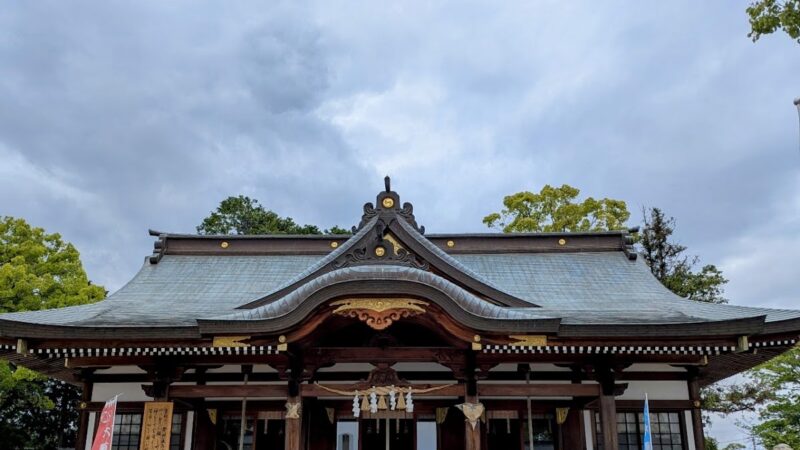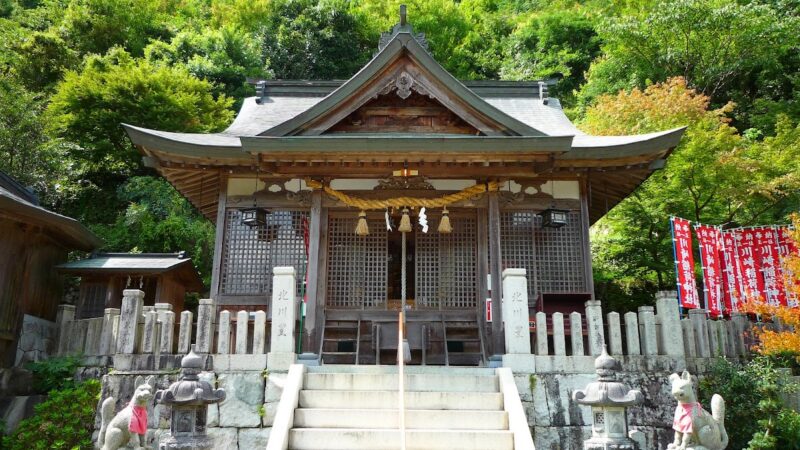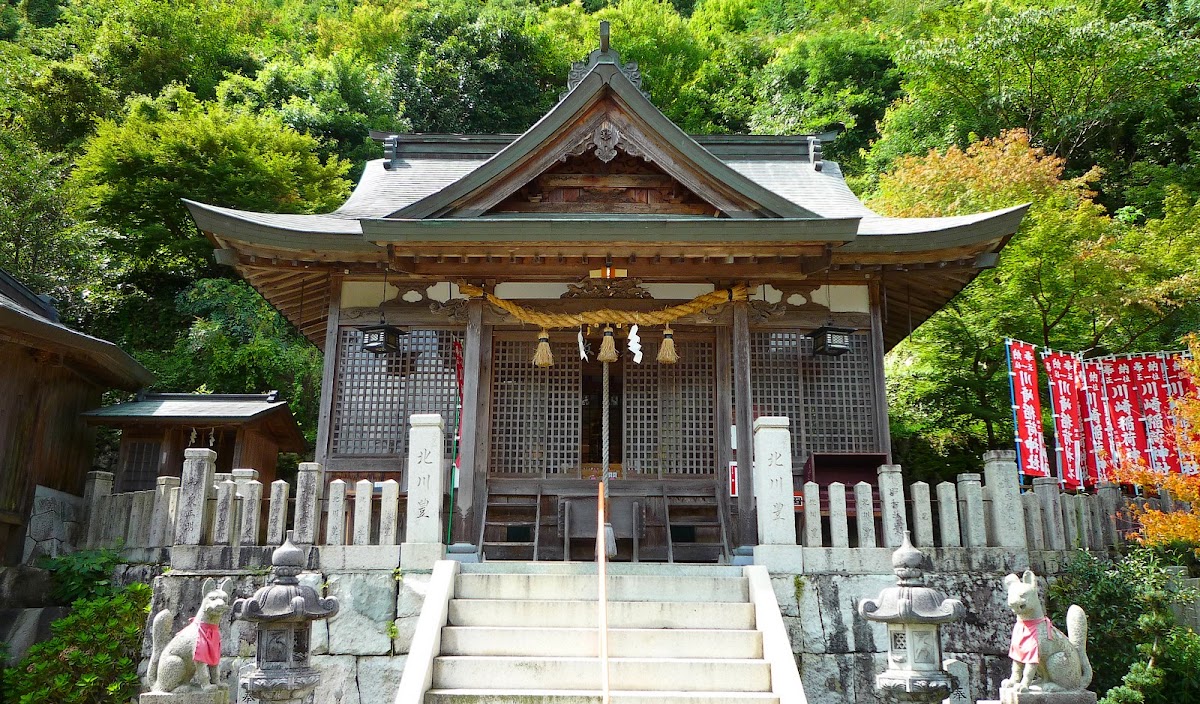
Inari Shrine (279 Uruka, Ichinomiya-cho, Shiso City, Hyogo Prefecture) Complete Guide
Located at 279 Uruka, Ichinomiya-cho, Shiso City, Hyogo Prefecture, the Inari Shrine is a historic shrine affectionately known locally as “Uruka-san,” “Uruka Myojin,” or “Kisaki Myojin.” It is known as a prestigious shrine that has been revered by samurai warriors, having been established by the Asaka clan, the lords of Asaka-sho, as a guardian deity of their residence.
This article provides a detailed introduction to the Inari Shrine, including its history, enshrined deities, features of the grounds, access methods, and its connection to other Inari shrines in Hyogo Prefecture.
Basic Information about Inari Shrine
Location and Contact Information
Address: 279 Uruga, Ichinomiya-cho, Shiso City, Hyogo Prefecture
Postal Code: 671-4137
Corporate Number: 4140005006958
Shiso City is located in the central-western part of Hyogo Prefecture and is surrounded by abundant nature. Uruga, Ichinomiya-cho, is a historical area where settlements have been formed since ancient times, and this Inari Shrine has functioned as the center of faith for the local residents.
Names of the Shrine
Our shrine is known by several names:
- Inari Shrine (Official Name)
- Uruga-san (Local Nickname)
- Uruga Myojin (Alternative Name)
- Kisaki Myojin (Empress Myojin, Alternate Name)
- Kawasaki Inari Shrine (Name in some documents)
The place name “Uruga” is said to have originated from the leap month in the old lunar calendar, and has been recognized as a place of special significance since ancient times.
Deities and Divine Virtues
Main Deity
Ukanomitama-no-kami
Ukanomitama-no-kami, the main deity of Inari Shrine, is a god of grain and food appearing in Japanese mythology. In the Kojiki, he is recorded as the child of Susanoo-no-Mikoto and Kamu-Oichihime, and is revered throughout Japan as a central deity of Inari worship.
Enshrined Deities (Associated Deities)
In addition to the main deity, the following deities are enshrined as enshrined deities at our shrine:
- Oyamatsumi-no-Kami: Known as the god of mountains, he has the divine power to protect mountains and forests and ensure the peace and security of the land.
- Wakatoshi-no-Kami: The god who presides over abundant harvests, and is worshipped as the god to whom prayers are offered for a bountiful harvest in the new year.
- Konohanasakuya-hime-no-Mikoto: The daughter of Oyamatsumi-no-Kami, she is a beautiful goddess known as the goddess of Mount Fuji.
This combination of deities is thought to embody the intention to protect the local industry and livelihood, particularly agriculture.
Divine Virtues
Inari shrines are believed to offer the following divine virtues:
- Abundant Harvest: Prayers for a bountiful harvest of crops
- Business Prosperity: Development and prosperity of businesses
- Family Safety: Health and peaceful living for the family
- Long-lasting Military Fortune: Success in competitions, stemming from its history of being revered by samurai warriors
- Good Fortune and Prosperity: Improvement of overall luck
History of Inari Shrines
Origin of Founding
The founding of our shrine began when the Asaka clan, the lords of Asaka Manor, enshrined the deity as the guardian deity of their estate. The Asaka clan was a samurai family that ruled this region in the Middle Ages, and it is believed that they enshrined Inari Okami to pray for the safety and prosperity of their territory.
Asaka Manor was a manor located in Harima Province (present-day southwestern Hyogo Prefecture), encompassing a vast territory including the Shisō District. It is said that the samurai of this region revered Inari Shrine as a god of lasting military fortune and always visited it before battle.
Relationship with Samurai
The alternative names “Uruka Myojin” and “Kisaki Myojin” indicate a deep connection with samurai families. The name “Kisaki Myojin” in particular suggests that it received high status as a shrine within the residence of the Asaka clan.
From the medieval to the early modern period, Harima Province was a region where powerful samurai families such as the Akamatsu and Bessho clans held sway, and Shisō District was also under their influence. Inari Shrine was revered by these samurai and played a role as a spiritual pillar of the region.
Changes in the Modern Era
Even after the Meiji-era shrine consolidation policy and the post-war establishment of the religious corporation system, this shrine continues to attract the faith of local residents. It is still affectionately known as “Uruka-san” and plays a central role in local festivals and annual events.
Shrine Grounds
Layout of the Shrine Grounds
The Inari Shrine grounds are quietly situated amidst the rich natural environment of Shiso City. While there are 127 shrines in Hyogo Prefecture, this shrine is one of those that continues to uphold deeply rooted local faith.
The following facilities are thought to be present within the shrine grounds:
- Main Hall: A sacred building enshrining the deity
- Worship Hall: A place where worshippers offer prayers
- Torii Gate: A symbolic structure marking the entrance to the sacred area
- Shrine Office: A facility for managing and operating the shrine
Surrounding Environment
Uruga, Ichinomiya Town, is a naturally rich area surrounded by mountains. Fields and farmlands spread around the shrine, preserving a traditional rural landscape. This environment is considered a suitable location for Inari worship, which prays for abundant harvests.
Shiso City is also known as the “Shiso Forest Kingdom,” with approximately 90% of its area covered by forests. The environment, surrounded by pure water and lush greenery, provides peace of mind to those who visit the shrines.
Inari Shrines in Hyogo Prefecture
The Spread of Inari Worship
Numerous Inari shrines exist within Hyogo Prefecture. Nationwide, there are 2,655 Inari shrines, making it the most numerous type of shrine in Japan. Inari worship is also widespread within Hyogo Prefecture, with various Inari shrines in each region exhibiting unique forms of worship.
Major Inari Shrines in Hyogo Prefecture
The following are some of the Inari shrines in Hyogo Prefecture:
Around Kobe City:
- Inari Shrine (1-3-18 Shichinomiya-cho, Hyogo-ku, Kobe City)
- Inari Shrine (680 Nishide-cho, Hyogo-ku, Kobe City) – Known as the guardian shrine of Nishide
- Maruyama Inari Shrine (1078 Shimoyamaguchi, Yamaguchi-cho, Nishinomiya City)
Other Regions:
- Inari Shrine (1-50 Imonoshi, Itami City) – Takeo area
- Torokawa Inari Shrine (Kami-cho) – Adjacent to the Torokawa Valley, selected as one of Japan’s 100 Hidden Gems
- Matsuo Inari Shrine (Hyogo Prefecture)
These shrines, while each possessing its own unique history and beliefs in its respective region, are connected by the common foundation of Inari worship.
Shinto and Inari Worship
Inari worship is a form of Shintoism that has been particularly popular among ordinary people. In Japanese society, which was based on agriculture, faith in the god who presides over abundant harvests was a deeply ingrained and essential aspect of daily life.
From the Edo period onward, with the development of commerce, Inari worship also came to be widely revered as a god of business prosperity. Even today, the numerous examples of Inari shrines on company rooftops and premises demonstrate the continuation of this faith.
Access Information
Access by Public Transportation
Access to Uruuga, Ichinomiya-cho, Shiso City by public transportation is as follows:
Train:
The nearest station is Harima-Ichinomiya Station on the JR Kishin Line. It is approximately a 15-minute drive from the station.
Bus:
Shinki Bus operates within Shiso City, but direct bus routes to the Uruuga area may be limited. It is recommended to check the timetable in advance.
Access by Car
Route from Major Roads:
- Approximately 20 minutes from Yamazaki IC on the Chugoku Expressway
- Take National Route 29 towards Ichinomiya-cho, Shiso City
- Take the prefectural road to the Uruga area
Parking:
Depending on the size of the shrine, there may not be a dedicated parking lot. Please check for available parking spaces in the surrounding area before visiting. Since this is also a local road used by residents, please park respectfully.
Points to Note When Visiting
- Maintain silence within the shrine grounds and be mindful that this is a sacred place.
- Take photographs only within permitted areas; refrain from photographing inside the main hall, etc.
- Always take your trash with you and protect the natural environment.
- As this is also a residential area for local residents, please strictly refrain from making noise or engaging in disruptive behavior.
Shrine Culture of Shiso City
Overview of Shrines in Shiso City
There are 127 shrines in Shiso City, Hyogo Prefecture. This is a remarkably large number considering the city’s area and population, reflecting the deep-rooted Shinto culture in this region since ancient times.
Shiso City was formed by the merger of four towns in the former Shiso District (Yamazaki, Ichinomiya, Haga, and Chigusa), and each area has its own unique Shinto beliefs that have been passed down.
Characteristics of Ichinomiya Town
Ichinomiya Town developed as a temple town for Iwa Shrine, the Ichinomiya (first-ranked shrine) of Harima Province. Iwa Shrine is known as the most prestigious shrine in Harima Province, and enshrines Ōnamuchi-no-Mikoto as its principal deity.
In a region where such a Shinto culture is deeply rooted, Inari shrines have also been cherished by local residents as important objects of worship.
Nearby Attractions
Tourist Spots in Shiso City
When visiting Inari Shrine, we recommend exploring the surrounding tourist spots:
Natural Scenery:
- Onzui Valley: A beautiful valley selected as one of the “100 Best Forests for Forest Bathing”
- Hara Fudo Falls: A famous waterfall selected as one of Japan’s 100 Best Waterfalls
- Akanishi Valley: Known as a famous spot for autumn foliage
Historical and Cultural Facilities:
- Iwa Shrine: An ancient shrine known as the Ichinomiya (first-ranked shrine) of Harima Province
- Mogamiyama Park Momijiyama: A popular tourist destination during the autumn foliage season
Local Products of Shiso City
Purchasing local specialties as a memento of your visit is also a good idea:
- Shiso Beef: High-quality Wagyu beef inheriting the bloodline of Tajima beef
- Mochi Barley: A local specialty attracting attention as a health food
- Shiso Forest Kingdom Woodcrafts: Crafts utilizing the abundant forest resources
Etiquette for Visiting a Shrine
Basic Method of Visiting a Shrine
Here’s a basic guide to visiting a shrine:
- Passing Through the Torii Gate: Bow before entering the shrine grounds.
- Purifying at the Water Basin: Purify your left hand, right hand, and mouth in that order.
- Proceeding to the Main Hall: Walk along the sides of the path, as the center is considered the path of the gods.
- Two Bows, Two Claps, One Bow: Bow deeply twice, clap twice, and bow once.
- Exiting: After leaving the torii gate, turn around and bow once.
Unique Visiting Practices at Inari Shrines
At Inari shrines, foxes are considered messengers of the gods. If there are fox statues on the grounds, it’s good to show respect to them as well.
Also, at Inari shrines, the first day of the horse (Hatsuuma) is a special festival day. The Hatsuumasai festival, held on the first Day of the Horse in February, is one of the most important festivals in Inari worship.
Annual Events and Festivals
Main Annual Events
It is believed that various festivals and events are held throughout the year at Inari shrines:
Spring:
- Hatsuumasai (First Day of the Horse in February): The most important festival in Inari worship
- Spring Festival: Prayers for a bountiful harvest
Summer:
- Summer Purification Ceremony: A Shinto ritual to purify oneself of the impurities accumulated over the past six months
Autumn:
- Autumn Festival: Offering thanks for the harvest
- Niiname-sai: Offering the new harvest to the gods
Winter:
- Year-End Purification Ceremony: Purifying oneself of the impurities accumulated over the past year
- New Year’s Day Festival: Prayers for safety in the new year
It is recommended to check the specific festival dates before visiting.
Connection with the Community
Center of the Local Community
Inari shrines are not merely places of worship; they also serve as the center of the local community. During festivals, local residents gather, fostering intergenerational exchange through traditional ceremonies.
Inheritance of Tradition
The affectionate nickname “Uruka-san” demonstrates the deep roots of the shrine in the lives of local residents. Such community-based faith plays a crucial role in maintaining community bonds in rural areas facing depopulation.
Summary
Located at 279 Uruka, Ichinomiya-cho, Shiso City, Hyogo Prefecture, the Inari Shrine is a historical shrine established by the Asaka clan and is affectionately known locally as “Uruka-san,” “Uruka Myojin,” and “Kisaki Myojin.”
The Inari Shrine enshrines Ukanomitama-no-kami as its principal deity, with Oyamatsumi-no-kami, Wakatoshi-no-kami, and Konohanasakuya-hime-no-mikoto as subordinate deities. It is believed to bestow blessings such as abundant harvests, business prosperity, and family safety. Historically revered by samurai warriors, it remains a central place of worship for local residents.
Shiso City is blessed with abundant nature, and visiting the Inari Shrine and exploring the surrounding tourist spots will allow you to experience the history and culture of Harima more deeply.
While numerous Inari shrines exist throughout Hyogo Prefecture, each possesses its own unique history and connection to the region. The Inari Shrine in Uruga, Ichinomiya-cho, is a valuable example of a shrine that preserves the unique faith and traditions of this region.
We hope that through your visit to the shrine, you will experience traditional Japanese faith and culture, find peace of mind, and deepen your understanding of the region’s history and culture.