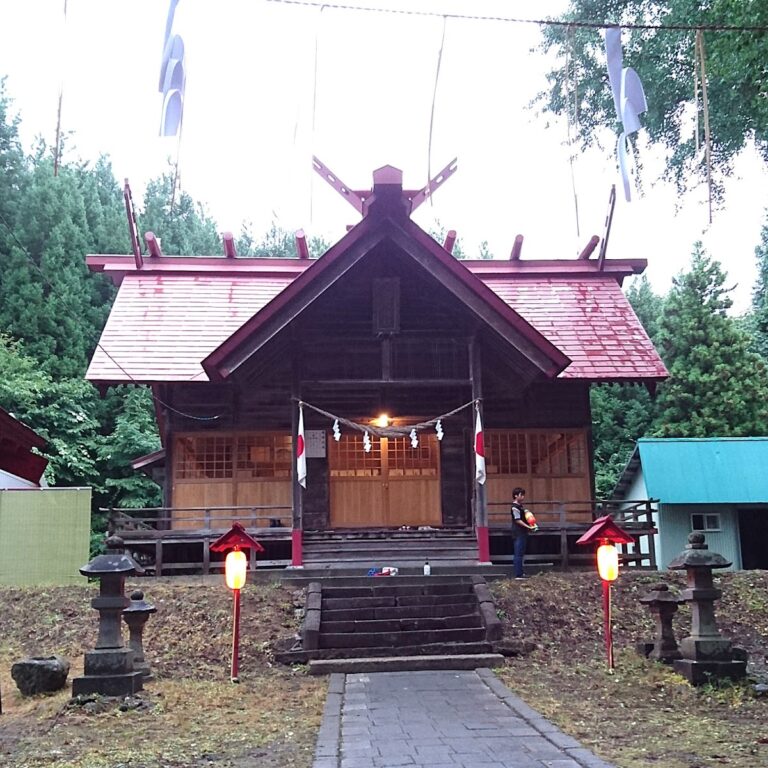
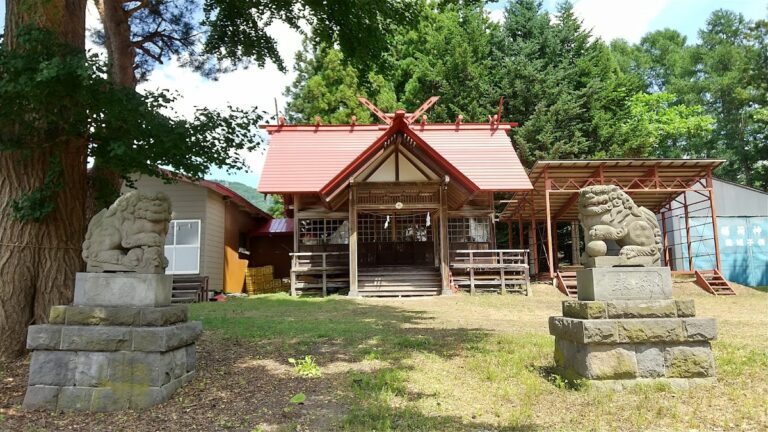
Inari Shrine (Togeshita, Hokkaido) | A Complete Guide to the Historic Inari Faith Sacred Site in Nanae Town
Located at 291 Togeshita, Nanae Town, Kameda District, Hokkaido, Inari Shrine is a historic shrine long cherished by the local community. This guide provides detailed information about the shrine, which has watched over the development of the region since the pioneering days of Hokkaido, including its history, enshrined deities, the appeal of visiting, and access methods.
Basic Information on Inari Shrine (Togeshita)
Location and Access
Location: 291 Togeshita, Nanae Town, Kameda District, Hokkaido
Nanae Town is located within the jurisdiction of the Hokkaido Oshima General Subprefectural Bureau, adjacent to the north of Hakodate City. Surrounded by the magnificent nature of Onuma Quasi-National Park and Mount Komagatake, Inari Shrine stands quietly amidst this rich natural environment.
The Togeshita area is a historically significant area within Nanae Town, known for its place name derived from a former mountain pass. This region has developed as a transportation hub since the pioneering era, and the Inari Shrine has also taken root in the community as a witness to that history.
Jurisdiction and Shrine Association Registration Information
The Inari Shrine (Togeshita, Hokkaido) is a shrine officially registered with the Hokkaido Shrine Association. The Hokkaido Shrine Association is an organization that oversees shrines throughout Hokkaido, supporting the history, rituals, and maintenance of each shrine. It is also listed on the Shrine Association’s website, confirming its status as a historically significant and officially recognized shrine.
Deities and Beliefs of the Inari Shrine
The Essence of Inari Faith
There are said to be over 30,000 Inari shrines nationwide, making it the most numerous type of shrine in Japan. Its head shrine is Fushimi Inari Taisha in Fushimi Ward, Kyoto City, and many Inari shrines in Hokkaido were founded by inviting a divided spirit from Fushimi Inari Taisha.
The central focus of Inari faith is the divine blessings of abundant harvests, business prosperity, and family safety. The name “Inari” is said to originate from the phrase “rice ripening,” and the deity has long been worshipped as an agricultural god. Even during the pioneering era of Hokkaido, settlers built Inari shrines to pray for abundant harvests and for the development of their communities.
Characteristics of the Enshrined Deity
The main deity enshrined at Inari shrines is generally Ukanomitama-no-kami or Ukanomitama-no-mikoto. This deity presides over grains and food, and is revered as a protector of the safety and abundance of food, which is the foundation of life.
Some Inari shrines in Hokkaido also enshrine other deities such as Ukemochi-no-kami, Kotoshironushi-no-kami, and Okuninushi-no-mikoto. These deities each possess divine virtues related to business prosperity, protection of fisheries, and matchmaking, and their worship is closely intertwined with local industries and daily life.
The History of Inari Shrines in Hokkaido
The Pioneer Era and Inari Faith
During the Meiji era, when the full-scale development of Hokkaido began, many settlers migrated from various parts of Honshu. They enshrined divided spirits of their hometown shrines, praying for peace and security in their new lives and the success of their development projects. Inari shrines were among the most frequently established.
The Oshima region, including Nanae Town, was one of the areas in Hokkaido where development progressed relatively early. From the late Edo period to the early Meiji era, many Japanese people settled in this area, and shrines were built accordingly. The Inari Shrine (Togeshita) is thought to have been founded within this historical context.
The History of Nanae Town and its Shrines
After the establishment of the Hokkaido Development Commission in 1869 (Meiji 2), full-scale development progressed in Nanae Town. Due to the rich natural resources around Lake Onuma and its geographical proximity to Hakodate, agriculture and forestry developed, attracting many settlers.
The Togeshita district, located along a mountain pass connecting Hakodate and the inland area, played a vital role as a transportation hub. The presence of an Inari Shrine in such a location reflects the faith of people praying for safe travels and the prosperity of the region.
Annual Events and Festivals of the Inari Shrine
Festival Dates and Rituals
The most important festival at a shrine is the annual festival (reisai). Held once a year, the reisai is the grandest celebration at the shrine, a Shinto ritual expressing gratitude to the enshrined deity and praying for peace in the region.
In many shrines in Hokkaido, the reisai is held from summer to early autumn, a traditional custom stemming from its timing in line with the harvest season. The exact date of the Inari Shrine (Togeshita)’s annual festival can be found by checking information managed by the Hokkaido Shrine Association or local parishioner organizations.
Annual Events and Shrines in Hokkaido
In Hokkaido, various Shinto rituals are performed at shrines throughout the year:
Spring
- Kinensai (Prayer Festival): Held in February or March, a festival to pray for a bountiful harvest.
- Hatsuumasai (First Horse Day Festival): A festival unique to Inari shrines, held on the first Horse Day of February.
Summer
- Nagoshi no Harae (Summer Purification Ceremony): A Shinto ritual held at the end of June to purify oneself of the impurities accumulated over the past six months.
- Reitaisai (Annual Festival): Varies depending on the shrine, but mostly held from July to September.
Autumn
- Niinamesai (Harvest Festival): Held on November 23rd, a harvest thanksgiving festival where new grains are offered to the gods.
Winter
- Oharai (Great Purification Ceremony): A Shinto ritual held on December 31st to purify and cleanse away the impurities of the past year.
These rituals vary in scale and form depending on the region, but they are passed down as important events demonstrating the connection between the shrine and the local community.
Etiquette and Manners for Visiting a Shrine
Basic Way to Visit a Shrine
When visiting a shrine, it is important to observe the following basic etiquette:
1. Bowing at the Torii Gate
Before passing through the torii gate, which is the entrance to the shrine, stop and bow slightly. This is an act of respect for entering the sacred area.
2. How to Walk Along the Approach to the Shrine
The center of the approach to the shrine is called “Seichu” and is considered the path of the gods. It is considered polite for visitors to walk along the sides.
3. Purification at the Water Basin
If there is a water basin (temizuya, chozuya), purify yourself in the following order:
- Hold the ladle in your right hand and purify your left hand.
- Switch the ladle to your left hand and purify your right hand.
- Switch the ladle back to your right hand, receive water in your left hand, and rinse your mouth.
- Finally, hold the ladle upright and purify the handle.
4. Worship at the Main Hall
Worship using the general “two bows, two claps, one bow” method:
- Quietly place your offering in the offering box.
- Ring the bell if there is one.
- Bow deeply twice.
- Clap your hands twice.
- Convey your wishes and gratitude silently.
- Finally, bow deeply once.
Attire and Mindset for Worship
There are no specific dress code rules for visiting a shrine, but clean and subdued attire appropriate for visiting a sacred area is desirable. Extremely revealing or overly flashy clothing should be avoided. Visiting a shrine is an act of expressing gratitude and respect to the gods. It’s important not only to make wishes, but also to express gratitude for daily peace and good health.
Visiting Inari Shrines in Hokkaido
Major Inari Shrines in Hokkaido
Hokkaido has many Inari shrines, each with its own unique history and charm:
Sapporo Fushimi Inari Shrine (Chuo-ku, Sapporo)
This historic shrine was established in 1884 (Meiji 17) with a divided spirit from Kyoto’s Fushimi Inari Taisha, and moved to its current location in 1907 (Meiji 40). The approach lined with 27 vermilion torii gates is known as one of Hokkaido’s representative landscapes and is a power spot visited by many worshippers and tourists.
Inari Shrine (Toyako-cho, Abuta-gun)
This shrine, with over 200 years of history, was founded in 1804 (Bunka 1) with a divided spirit from Kyoto’s Fushimi Inari Taisha. This shrine enshrines Uke Mochi no Kami and Kotoshironushi no Kami, and is revered as the guardian shrine of Abuta.
These shrines are valuable examples of the spread of Inari worship in Hokkaido and its unique development in each region.
Shrine Spots Around Nanae Town
Nanae Town and its surrounding areas have many shrines besides Inari shrines. Hakodate City boasts numerous historical shrines, such as Hakodate Hachimangu Shrine and Yukura Shrine, making it a great place for shrine hopping.
It’s also possible to combine shrine visits with sightseeing in the naturally rich environment around Onuma Quasi-National Park. Experiencing the history and culture of Hokkaido while enjoying the beauty of nature in each season will leave a deep impression on visitors.
Divine Virtues of Inari Shrines and Their Charm as Power Spots
Divine Virtues of Inari Worship
Inari shrines have been believed to possess various divine virtues since ancient times:
Abundant Harvests and Agricultural Prosperity
The original divine virtue of Inari is the protection of agriculture. Prayers are offered for a bountiful harvest and safety in agricultural work.
Business Prosperity and Success
Since the Edo period, it has attracted the faith of merchants and has become widely known as a god of business prosperity.
Family Safety and Prosperity of Descendants
It is believed to have the divine power to protect the health and happiness of families and the prosperity of descendants.
Good Fortune and Fulfillment of Wishes
It is believed to have the power to grant various wishes and attracts a wide range of followers.
Inari Shrines as Power Spots
In recent years, shrines have attracted attention as power spots. A power spot is a place where it is believed that visiting it will increase one’s mental and physical energy and improve one’s luck.
The reasons why Inari shrines are popular as power spots include the following:
The Power of the Vermilion Torii Gate
The vermilion torii gate, a symbol of Inari shrines, is considered a symbol of protection against evil and vitality. It is believed that passing through the torii gate will ward off evil spirits, allowing one to worship with a pure heart.
Harmony with Nature
Many shrines are located in areas rich in nature, allowing visitors to experience the benefits of forest bathing and feel the energy of nature.
Historical Spirituality
Places where many people have offered prayers throughout history are believed to possess a special spiritual energy.
How to Enjoy Shrine Visits and Sightseeing
Tourist Spots in Nanae Town
In addition to visiting Inari Shrines, you can enjoy sightseeing in Nanae Town:
Onuma Quasi-National Park
A scenic area centered around three lakes—Onuma, Konuma, and Junsai-numa—spreading out at the foot of Mt. Komagatake. Enjoy the beautiful natural scenery of each season.
Shirodai Ranch Observation Deck
A spectacular viewpoint offering panoramic views of Mt. Hakodate, the Tsugaru Strait, and Mt. Komagatake. It is especially known for its beautiful night views.
Michi-no-Eki Nanairo Nanae
A facility where you can purchase local specialties and fresh agricultural products. Perfect for taking a break or looking for souvenirs.
Points to Note When Visiting a Shrine
When visiting a shrine, please note the following:
Visiting Hours
Many shrines recommend visiting during the daytime. It is best to avoid visiting early in the morning or after sunset.
Photography
Photography is generally permitted on the shrine grounds, but you should refrain from taking pictures inside the main hall or during religious ceremonies.
Consideration for Noise
Shrines are places of quiet prayer. Please avoid speaking loudly or making noise.
Take Your Trash Home
To keep the shrine grounds clean, please be sure to take your trash home with you.
Hokkaido Shrine Association and Local Shrines
Role of the Hokkaido Shrine Association
The Hokkaido Shrine Association is an organization that oversees and supports shrines throughout Hokkaido. Its main roles include:
Support for Shrine Management and Operation
It supports the maintenance and management of each shrine, the execution of rituals, and the training of Shinto priests.
Promotion of Shinto Culture
We conduct activities to widely disseminate Shinto culture, including the basics of Shinto rituals, the preservation of Gagaku (ancient Japanese court music), and raising awareness of annual events.
Information Provision
We provide information on shrines in Hokkaido and knowledge about Shinto through our website, leaflets, and public relations materials.
The Relationship Between Local Communities and Shrines
Shrines are not merely religious facilities; they have played a central role in local communities. Through annual festivals and events, local people gather and deepen their relationships.
Especially in pioneering regions like Hokkaido, shrines were a spiritual haven for settlers, a place to remember their homeland and pray for peace and security in their new lives. Even today, shrines are being re-recognized as important cultural heritage that conveys the history and traditions of the region.
Practical Guide to Visiting Inari Shrines
Preparation Before Visiting
For a fulfilling visit experience, we recommend the following preparations beforehand:
Gathering Shrine Information
Check basic information such as location, access methods, and festival dates. The Hokkaido Shrine Association website is a reliable source of information.
Checking the Weather
Hokkaido is a region with rapidly changing weather. Particular caution is needed regarding snow and icy roads during winter.
Appropriate Clothing
Dress appropriately for the season. Warm clothing is necessary in winter, and insect repellent in summer.
Flow of the Day of Visit
Arrival and Parking
Upon arrival at the shrine, park your car in the designated parking area. It’s best to check in advance, as parking spaces may not always be available.
Exploring the Grounds
Before praying, take a leisurely stroll through the grounds to get a feel for the atmosphere. Observing the architectural style of the shrine buildings, the trees on the grounds, and the stone monuments can reveal the history and characteristics of the shrine.
Praying
Pray with sincerity, following the aforementioned etiquette. It’s important to express not only your wishes but also your daily gratitude.
Receiving a Goshuin (Shrine Seal)
Those collecting Goshuin can receive one at the shrine office. However, since there may not always be a resident Shinto priest, it is necessary to check in advance.
Summary: The Charm of Inari Shrine (Togeshita)
Located in Togeshita, Nanae-cho, Kameda-gun, Hokkaido, Inari Shrine is a valuable place that conveys the history and faith of the region to the present day. Since the pioneering days of Hokkaido, it has long been revered as a spiritual anchor for the local people, and as a deity that bestows blessings such as abundant harvests, business prosperity, and family safety.
Officially registered with the Hokkaido Shrine Association, this shrine inherits the tradition of Inari faith and remains deeply connected to the local community even today. Visiting this shrine, quietly nestled amidst the rich natural environment of Nanae-cho, will be a valuable opportunity to escape the hustle and bustle of everyday life, calm your mind, and reflect on yourself.
When visiting Hakodate or the Onuma area, be sure to also visit Inari Shrine (Togeshita). The time spent quietly praying while reflecting on the region’s history will surely deepen your travel memories.
Each shrine in Hokkaido has its own unique history and charm. Starting from Inari Shrine (Togeshita), a tour of various shrines throughout the prefecture will allow you to experience Hokkaido’s history, culture, and the depth of the people’s faith. We hope that through visiting these shrines, you will rediscover Japan’s traditional culture and feel a sense of spiritual enrichment.