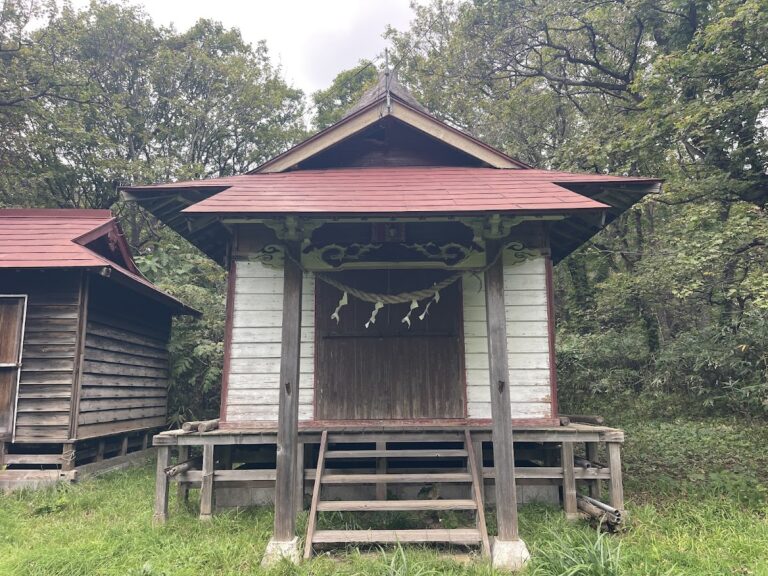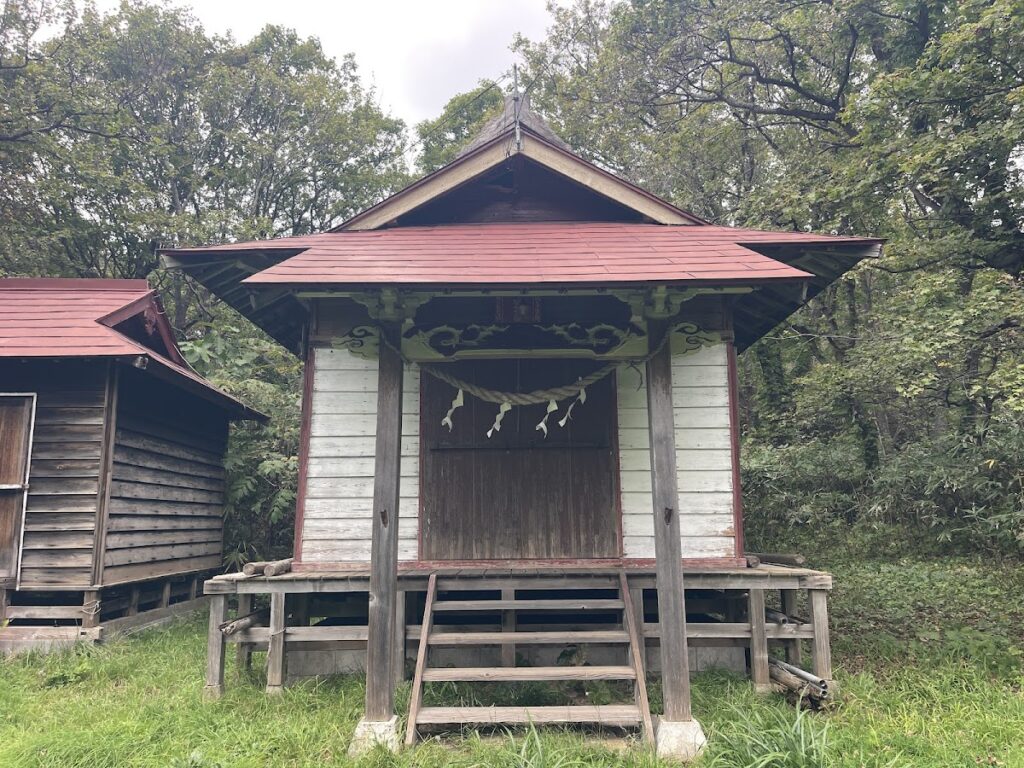
Inari Shrine (Kaminai Village, Koyu District, Hokkaido) Complete Guide | History, Access, and Visiting Information
Kaminai Village, Koyu District, is located on the western side of the Shakotan Peninsula on the Sea of Japan side of Hokkaido. This small fishing village is home to the Inari Shrine, a historical shrine that has long been revered by the local people. This article comprehensively covers information useful for those considering a visit, from detailed information about the Inari Shrine to the history of Kaminai Village and information about surrounding shrines.
Basic Information about Inari Shrine
Location and Contact Information
The Inari Shrine is located in the Sannai district of Kaminai Village, Koyu District, Hokkaido.
- Location: 72 Sannai-mura, Kaminai-mura, Koyu-gun, Hokkaido 045-0303, Japan
- Corporate Number: 6430005008584
- Jurisdiction: Hokkaido Shrine Association
The Sannai district is a hamlet located away from the center of Kaminai-mura village, and was once a prosperous area due to herring fishing. It continues to exist today as a quiet hamlet centered on fishing.
Deities and Divine Virtues
As a shrine in the Inari shrine lineage, the main deity is believed to be either Ukanomitama-no-kami or Ukemochi-no-kami. These deities are believed to bestow divine virtues such as abundant harvests, business prosperity, family safety, and fishing prosperity.
Many Inari shrines in Hokkaido were established by settlers who migrated from Honshu, bringing their beliefs from their homeland. This Inari shrine in Kaminai Village, too, has been revered as a guardian deity of the region since the Meiji era, alongside the development of settlement and fishing.
Shrine Rank and Historical Positioning
Under the modern shrine ranking system of the Meiji era, many shrines in Hokkaido were classified as village shrines or unranked shrines. Some Inari shrines around Kaminai Village, such as the Inari shrine in Tomari Village, Koyu District, were ranked as village shrines.
Although Hokkaido’s shrines have a shorter history compared to those in Honshu, they have played a central role in local communities since the pioneering era, serving as a spiritual anchor for people living in a harsh natural environment.
History and Cultural Background of Kaminai Village
Origin of the Village Name and Ainu Culture
The name of Kaminai Village originates from the Ainu word “Kamuinai” (God’s Valley). The Ainu people have long inhabited this region, and a culture that sanctifies the rich natural environment was deeply rooted.
During the Meiji period, Japanese settlers began to arrive in earnest, forming a community centered on fishing. Place names derived from the Ainu language are an important legacy that conveys the indigenous culture of this land.
Prosperity during the Golden Age of Herring Fishing
From the Meiji to Taisho periods, Kaminai Village flourished greatly from herring fishing. The schools of herring that swarmed along the Sea of Japan coast were called “kuki” (swarms), and in spring, they brought such large catches that the sea turned white with fish.
During this period, many fishermen and merchants gathered in Kaminai Village, and the population was far greater than it is today. Local shrines, including the Inari Shrine, attracted the faith of people praying for bountiful catches, safety at sea, and business prosperity.
The Kaminai Village Local History Museum displays cultural artifacts such as fishing gear, daily life tools, Kagura (sacred dance), and drums from that time, allowing visitors to imagine the prosperity of the past.
Modern-Day Kaminai Village
Since the 1950s, the village’s population has continued to decline along with the decline of the herring fishing industry. In the modern Reiwa era, it is a small village with a population of approximately 800 people. While fishing remains its core industry, the village is also exploring new regional development measures, such as tourism utilizing its rich natural environment and, in recent years, considering the location of a nuclear fuel cycle facility.
Access to Inari Shrine (72 Sannai-mura, Kaminai-mura, Koyu-gun, Hokkaido)
Access by Car
Because public transportation in Kaminai Village is limited, access by car is the most convenient option.
From Sapporo:
- Approximately 2 hours 30 minutes to 3 hours from Sapporo city via National Route 5 and National Route 229 (Nihonkai Oiwake Soran Line)
- Approximately 2 hours from Otaru city via National Route 5 and National Route 229
From Hakodate:
- Approximately 3 hours 30 minutes to 4 hours via National Route 5 and National Route 229
National Route 229 runs along a scenic coastline beside the Sea of Japan, but caution is required due to snow and icy roads in winter. Also, some sections are narrow, so extra caution is needed when driving.
The Sannai area is located further northwest from the center of Kaminai Village. To reach the settlement, take the road leading from National Route 229.
Access by Public Transportation
Public transportation is very limited.
- Bus: Hokkaido Chuo Bus operates a route from Iwanai Town to Kaminai Village, but the number of buses is limited, making direct access to the Sannai area difficult.
- Nearest Station: The nearest stations are JR Hakodate Main Line’s “Otaru Station” or “Kutchan Station,” but both are a considerable distance away, requiring the use of a rental car or taxi from the station.
If you are planning a visit, we recommend that you thoroughly check transportation options in advance.
Major Facilities in the Surrounding Area
- Kaminai Village Office: 81-20 Kaminai-mura, Kaminai-mura, Koyu-gun, Hokkaido (Phone: 0135-76-5011)
- Kaminai Village Local History Museum: A facility where you can learn about the village’s history and culture
- Roadside Station: The nearest is “Iwanai” in Iwanai Town
Map and Geographical Features of the Area Around Inari Shrine
Geographical Location
Kaminai Village is located at the western base of the Shakotan Peninsula, characterized by its coastline facing the Sea of Japan. The Sannai district is located in the northwestern part of the village and is a small settlement formed within a rugged coastal terrain.
The surrounding area has a undulating topography, with strangely shaped rocks and cliffs along the coastline, and mountainous forests spreading inland. This terrain was once a rich fishing ground where herring swarmed, but at the same time, it is a harsh environment exposed to severe winter winds.
Characteristics of the Sannai District
The place name Sannai itself has an interesting origin. It is a small settlement that has developed primarily around fishing, and the Inari Shrine has been cherished as the spiritual pillar of the community.
Currently, the area is experiencing aging and depopulation, but the residents continue their efforts to preserve the region’s traditions and culture.
Inari Shrines and Shinto Culture in Hokkaido
Inari Faith in Hokkaido
There are said to be over 30,000 Inari shrines nationwide, making it the most numerous type of shrine in Japan. Many Inari shrines also exist in Hokkaido, having watched over the region’s development since the pioneering era.
Characteristics of Inari Shrines in Hokkaido:
- Pioneer Beliefs: Many cases involve people who migrated from various parts of Honshu bringing their Inari faith from their hometowns.
- Connection to Fishing: In coastal areas, Inari shrines are revered as gods of abundant catches and maritime safety.
- Commercial Development: In urban areas, they are worshipped by shops and businesses as gods of business prosperity.
- Relatively Recent History: Many were founded after the Meiji era, making their history shorter compared to ancient shrines in Honshu.
Hokkaido Shrine Association and Shrine Network
Shrines in Hokkaido are overseen by the Hokkaido Shrine Association, and all shrines throughout the prefecture work together to preserve and develop Shinto culture. The Association provides support for shrine management and operation, trains Shinto priests, and provides guidance on festivals.
The Inari Shrine in Kaminai Village is also a member of this network, supporting the local Shinto culture.
List of Nearby Shrines
Several shrines are scattered throughout Kaminai Village and the surrounding areas.
Major Shrines in Kou District
Inari Shrine in Tomari Village
- Location: 84 Horikabu Village, Tomari Village, Kou District
- Deity: Ukemochi-no-kami
- Former Shrine Rank: Village Shrine
- Annual Festival Date: July 7th
Tomari Village is a fishing village located south of Kaminai Village, also facing the Sea of Japan. This Inari Shrine is a prestigious shrine that was ranked as a village shrine.
Other Shrines in Kaminai Village
Besides the Inari Shrine, Kaminai Village has numerous small shrines and altars in each hamlet. These are still carefully preserved as the spiritual centers of the local communities.
Famous Shrines in the Shiribeshi Region
Around Otaru City:
- Sumiyoshi Shrine (Otaru City): One of the representative shrines of the Shiribeshi region
- Ryugu Shrine (Otaru City): A historical shrine near the Otaru Canal
Around the Shakotan Peninsula:
- Shakotan Shrine (Shakotan Town): The central shrine of the Shakotan Peninsula
- Small shrines in various settlements: Shrines praying for safety at sea are scattered throughout each fishing village
Etiquette and Manners for Visiting Shrines
Basic Etiquette for Visiting Shrines
Basic etiquette for visiting shrines is the same throughout Japan:
- Bow before passing through the torii gate: A courtesy when entering the sacred area
- Walk along the edge of the approach: The center is considered the path for the gods
- Purify yourself at the water basin: Purify your left hand, right hand, and mouth in that order, and finally purify your left hand
- Etiquette in front of the main hall: Two bows, two claps, and one bow are the basics
- Bow when leaving the torii gate: A gesture of gratitude when leaving the sacred grounds.
Considerations at Small Shrines
At small shrines like the Inari Shrine in Kaminai Village:
- There may not be a resident priest.
- The shrine office is generally closed.
- The availability of goshuin (shrine stamps) and other items is limited.
- Please understand that the shrine is maintained by local residents and visit with respect.
- Please behave quietly within the settlement and respect the lives of the residents.
Seasonal Precautions
Winter (November-March):
- Heavy snowfall and difficult road conditions.
- Take sufficient precautions against the cold.
- Be careful of icy roads.
- Visiting during daylight hours is recommended due to early sunset.
Spring (April-May):
- Roads may be wet due to snowmelt.
- The sea in spring is beautiful, making it a suitable season for sightseeing in conjunction with shrine visits.
Summer (June-August):
- Best season for visiting
- There is a possibility of events such as annual festivals being held
- A time when the scenery of the Sea of Japan is beautiful
Autumn (September-October):
- A season when the autumn leaves are beautiful
- Be careful as the weather can change quickly
- Suitable for visiting before winter preparations begin
Tourism and Cultural Heritage of Kaminai Village
Local History Museum
The Kaminai Village Local History Museum exhibits cultural heritage such as fishing gear and daily life tools from the heyday of herring fishing, as well as Kagura (sacred dance) and Taiko drums. Visiting in conjunction with a visit to the Inari Shrine will allow you to gain a deeper understanding of the region’s history and culture.
Exhibits:
- Herring fishing gear and processing tools
- Daily life tools from that time
- Materials related to traditional performing arts
- Photographs and documents that tell the history of the village
Natural Landscape
Kaminai Village boasts a magnificent coastline created by the rough waves of the Sea of Japan:
- Unusual Rocks and Cliffs: Natural beauty formed over many years
- Highly Transparent Sea: In summer, a beautiful blue sea stretches out before you
- Sunset: The sunset over the Sea of Japan is a spectacular sight
- Starry Sky: With little city light, you can enjoy a sky full of stars
Local Food Culture
The fresh seafood from the Sea of Japan is a major attraction:
- Seafood such as sea urchin, abalone, and Atka mackerel
- Local fisherman’s cuisine
- Seafood markets in the neighboring towns of Iwanai and Tomari
Hokkaido Shrine Pilgrimage and Inari Shrines
List of Inari Shrines in Hokkaido
There are numerous Inari shrines in Hokkaido. Major Inari Shrines:
Sapporo City:
- Sapporo Fushimi Inari Shrine: A representative Inari shrine of Sapporo, with 27 vermilion torii gates lined up. A historic shrine with a divided spirit from Fushimi Inari Taisha in Kyoto, and a popular tourist spot.
Hakodate City:
- Inari shrines are scattered throughout Hakodate City.
Throughout Hokkaido:
- Inari shrines are located in major cities throughout Hokkaido, such as Fukagawa, Asahikawa, and Obihiro.
- Numerous small Inari shrines also exist in rural and fishing villages.
How to Enjoy Shrine Visits
Shrine visits in Hokkaido have a different charm than those in Honshu:
- Learning about the History of Development: The history of development in the region can be seen from the history of each shrine.
- Regional Diversity: The deities enshrined and the style of festivals differ depending on the origins of the people who migrated from various parts of Honshu.
- Magnificent Nature: The atmosphere of shrines nestled in the magnificent nature unique to Hokkaido.
- Interaction with the Local Community: Interacting with local people is also a charm at smaller shrines.
Shrines and Local Communities in the Reiwa Era
Depopulation and Shrine Maintenance
In depopulated areas like Kaminai Village, maintaining shrines is a major challenge. Due to population decline, the following problems are occurring:
- Decrease in parishioners
- Simplification of festivals
- Deterioration of shrine buildings
- Absence of Shinto priests
However, local residents continue to clean and maintain the shrines with limited personnel to preserve tradition. It is important for worshippers to respect these efforts and cooperate to the extent possible.
The New Role of Shrines
In modern times, shrines play a role beyond that of mere religious institutions:
- Preservation of Cultural Heritage: Passing on local history and traditions to future generations
- Community Center: A place for intergenerational exchange through festivals and other events
- Tourism Resource: Playing a role in regional development
- Spiritual Sanctuary: Providing spiritual peace in modern society
Shrine Information in the Digital Age
In recent years, information about shrines has been increasingly compiled online:
- Accurate identification using corporate numbers
- Digitalization of location information
- Enhanced aerial photographs and map information
- Online shrine search services
This information is extremely useful when planning a visit. However, information on smaller shrines is often limited, so flexibility is necessary when actually visiting.
Summary: The Significance of Visiting Inari Shrine (Kaminai Village)
Located in Sannai Village, Kaminai District, Hokkaido, the Inari Shrine is not a large shrine, but it is a precious place that conveys the history of the region and the faith of its people.
From the era when the area prospered from herring fishing to the present day of population decline, this small shrine has remained a spiritual pillar for the community. Visiting this shrine, imbued with the prayers of people living in the harsh natural environment of the Sea of Japan, will be a valuable opportunity to experience Hokkaido’s history and culture firsthand.
When planning your visit, please take into account the difficulty of access and seasonal restrictions, and remember to be considerate of the local people. The beautiful nature of Kaminai Village and the history of faith that thrives there will surely leave visitors with a profound impression.
Frequently Asked Questions about Inari Shrine in Kaminai Village, Koyu District, Hokkaido
Q1: Does Inari Shrine (Kaminai Village) offer Goshuin (shrine stamps)?
A1: Inari Shrine in Sannai, Kaminai Village, is a small shrine and likely does not have a resident priest, so it is unlikely that they will be able to provide Goshuin. If you wish to receive a Goshuin, please contact the Hokkaido Shrine Association or a larger shrine in the surrounding area.
Q2: When is the best time to visit Inari Shrine?
A2: The easiest time to visit is during the snow-free period from May to October. Especially during the summer (June to August), the weather is stable, and you can enjoy the beautiful scenery of the Sea of Japan. During winter, snow and icy roads make access extremely difficult.
Q3: Is it possible to visit using only public transportation?
A3: It is extremely difficult. Bus services to Kaminai Village are limited, and direct access to the Sannai area is almost impossible. We strongly recommend using a private car or rental car for your visit.
Q4: When is the annual festival of the Inari Shrine in Kaminai Village?
A4: We were unable to confirm the specific date of the annual festival from publicly available information. Most Inari shrines in Hokkaido hold their annual festivals in the summer. For details, please contact the Kaminai Village Office (0135-76-5011).
Q5: Are there any accommodations near the Inari Shrine?
A5: Accommodations within Kaminai Village are limited. The nearest accommodations are in Iwanai Town, Tomari Village, or Otaru City. We recommend planning a day trip or combining your visit with an overnight stay in the surrounding area.
Q6: What is the historical connection between the Inari Shrine and Kaminai Village?
A6: The Inari Shrine is believed to have been founded during the pioneering era after the Meiji period by people who migrated from Honshu. In the Sannai district, which prospered from herring fishing, this shrine has been a focal point of faith for local residents who pray for bountiful catches, safety at sea, and business success. It remains a cherished spiritual pillar of the community today.