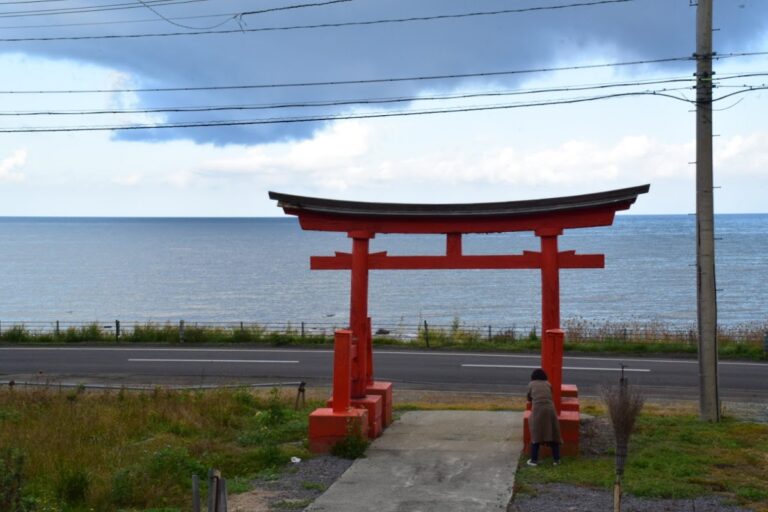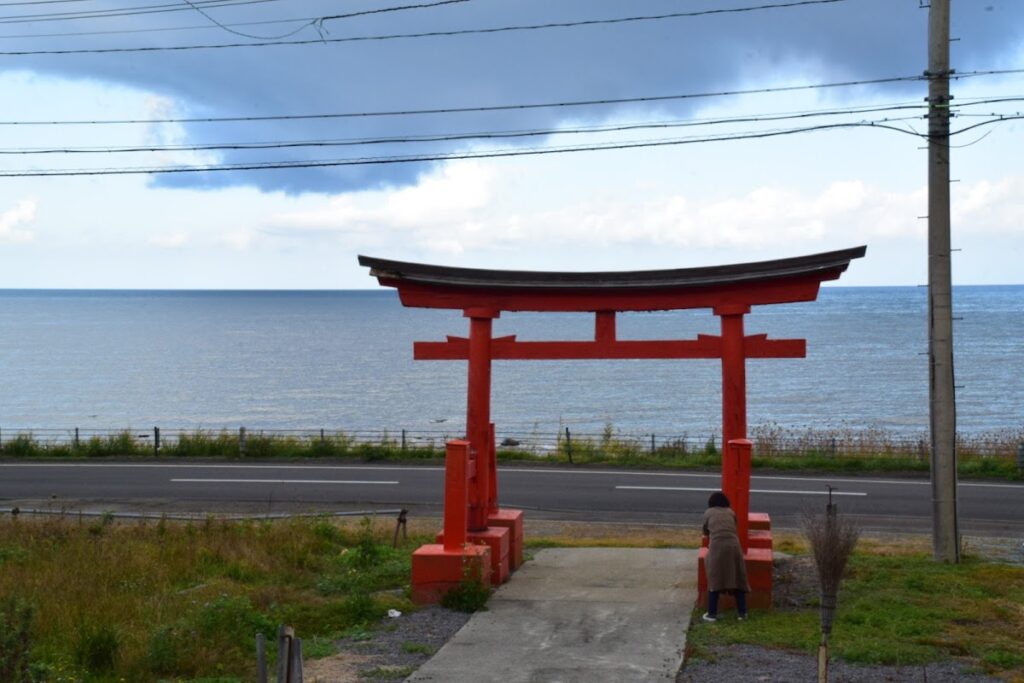
Inari Shrine (Shimakotan, Rankoshi-cho, Hokkaido) | Complete Guide to History, Deities, and Access
Located in Shimakotan, Rankoshi-cho, Isoya-gun, Hokkaido, the Inari Shrine is a historic shrine long cherished by local residents. This article provides a detailed introduction to the history of the Inari Shrine, its enshrined deities, annual festival, access methods, and the charm of the Shimakotan area of Rankoshi-cho.
Basic Information on Inari Shrine
Location and Access
Location: 2 Shimakotan, Rankoshi-cho, Isoya-gun, Hokkaido
Phone Number: 0135-62-0143
To access Inari Shrine by public transport, take the Chuo Bus from Iwanai to Suttsu, get off at the “Shimakotan” bus stop, and it’s about a 5-minute walk from there. It’s located in a relatively accessible location among Hokkaido’s shrines and is also known as a local power spot.
If traveling by car, you can access it via National Route 5 and then Prefectural Route 268. Located approximately 15 minutes by car from the center of Rankoshi Town, the shrine offers ample parking space nearby.
Shrine Building and Grounds Size
Shrine Style: Nagare-zukuri (flowing roof style)
Shrine Building Area: 11 tsubo (approx. 36 sq m)
Grounds Area: 86 tsubo (approx. 284 sq m)
Nagare-zukuri is one of the representative styles of Japanese shrine architecture, characterized by its long, extended roof. The Inari Shrine employs the traditional Nagare-zukuri style, a structure well-suited to Hokkaido’s climate and environment.
The 86 tsubo (approx. 284 sq m) grounds are a standard size for a local shrine, allowing for a quiet and peaceful atmosphere for worship.
Deity and Worship
Uganomitama-no-Mikoto
The deity enshrined at Inari Shrine is Uganomitama-no-Mikoto. Ukanomitama-no-Mikoto is a representative deity of Inari, widely worshipped at Inari shrines throughout Japan as the guardian deity of abundant harvests, business prosperity, and industrial development.
“Uka” is an archaic word meaning grain or food, and “Mitama” represents a divine spirit. Therefore, Ukanomitama-no-Mikoto means “the divine spirit of food,” and has been considered one of the most important deities in Japanese society, which is based on agriculture.
Inari Faith and the Development of Hokkaido
Inari faith in Hokkaido was brought by people who migrated from Honshu during the Meiji era’s development. The Inari Shrine in Shimakotan, Rankoshi Town, has watched over the development and progress of this region, and remains a spiritual anchor for the local residents.
In the Shiribeshi region, where agriculture and fishing are thriving, Inari faith, praying for abundant harvests and bountiful catches, has been passed down as a deeply personal belief directly connected to daily life.
Former Shrine Rank and Historical Positioning
Status as a Village Shrine
The former shrine rank of Inari Shrine was Village Shrine. The shrine ranking system was established during the Meiji era, and a village shrine refers to a shrine designated as the guardian shrine of a village.
The hierarchy under the former shrine ranking system was as follows:
- Grand Imperial Shrine/National Grand Shrine
- Middle Imperial Shrine/National Middle Shrine
- Minor Imperial Shrine/Minor National Shrine
- Special Imperial Shrine
- Prefectural Shrine
- Village Shrine
- Village Shrine
- Unranked Shrine
Village shrines are recognized as shrines that play an important role in the local community and have functioned as the center of faith in the Shimakotan area.
History of Shimakotan, Rankoshi Town
Rankoshi Town belonged to Isoya District, Shiribeshi Province, and during the Edo period, the Matsumae Domain established the Isoya trading post there. In 1869 (Meiji 2), when Ezochi was renamed Hokkaido and 11 provinces and 86 districts were established, this region became Isoya District of Shiribeshi Province.
The Shimakotan area developed as an agricultural settlement located at the foot of the Niseko mountain range. While detailed records of the Inari Shrine’s founding are limited, it is believed to have been established during the Meiji and Taisho periods, alongside the increase in settlers, as a spiritual pillar for the community.
Annual Festival and Events
Annual Festival Date: September 16th
The Inari Shrine’s annual festival is held every year on September 16th. The annual festival is the most important ritual at the shrine, a Shinto ceremony expressing gratitude for the past year and praying for a bountiful harvest and safety in the following year.
Mid-September coincides with the harvest season in Hokkaido’s agriculture. Holding the festival at this time signifies expressing gratitude for the year’s harvest and reporting it to Ukanomitama-no-Mikoto, the god of abundant harvests.
Contents of the Annual Festival
The annual festival typically includes the following Shinto rituals:
- Prayer by the Chief Priest: Offerings of gratitude and prayers to the gods.
- Offering of Tamagushi: Representatives of the parishioners and attendees offer tamagushi (sacred branches).
- Naorai (Feast): A ceremony where participants share a meal after the Shinto rituals.
This is an important opportunity for local parishioners to gather and deepen the bonds of the community centered around the shrine.
Parishioners and Worshippers
Faith Rooted in the Community
Number of Parishioner Households: 62 households
Number of Worshippers: Approximately 130 people
These figures demonstrate that Inari Shrine has a solid foundation of faith in the Shimakotan area. As a shrine in a rural area of Hokkaido, it maintains a strong parishioner organization and plays a central role in the local community.
Parishioners refer to people who live in the area protected by the shrine and support it. On the other hand, “devotees” refers to people who believe in and visit the shrine, even if they don’t necessarily live in the area.
Shrines and Local Communities
In rural Hokkaido, where the population is declining, having 62 parishioners demonstrates that the shrine still holds an important position in the local community. Through festivals and cleaning activities, the shrine also functions as a place for intergenerational exchange.
The Charms of Rankoshi Town and Surrounding Spots
Overview of Rankoshi Town
Rankoshi Town is a town rich in nature, located on the western side of the Niseko mountain range. It is a producer of high-quality rice known as “Rankoshi Rice,” and agriculture is its main industry. It is also blessed with hot spring resources and is one of the tourist hubs in the Niseko region.
Nearby Tourist Attractions
Niseko Mountain Range: One of Japan’s leading mountain resort areas, easily accessible from Rankoshi Town.
Shiribetsu River: Known for its clear waters, it’s a popular spot for rafting and canoeing.
Rankoshi Hot Spring Village: Features hot spring facilities such as “Yukichichibu” and “Yusenkaku,” offering day-trip bathing options.
Michi-no-Eki Rankoshi Furusato-no-Oka: A facility where you can purchase local agricultural products and specialty goods.
Visiting these spots in conjunction with a visit to the Inari Shrine will allow you to experience the charm of Rankoshi Town more deeply.
Characteristics of Inari Shrines in Hokkaido
Differences from Honshu
Shrines in Hokkaido have several characteristics compared to those in Honshu. First, their founding dates are relatively recent, with many built after the Meiji period. This stems from the fact that the full-scale development of Hokkaido began in the Meiji era.
Furthermore, the structure of the shrine buildings is often designed to withstand Hokkaido’s harsh winter climate, incorporating features to withstand snow and cold.
The Spread of Inari Worship
Inari shrines are the most numerous type of shrine throughout Japan, with an estimated total number of over 30,000. In Hokkaido, too, Inari shrines are located throughout the region, including the Sapporo Fushimi Inari Shrine.
The Inari Shrine in Shimakotan, Rankoshi Town, is also part of this vast network of Inari worship, attracting the faith of the local people.
Manners and Etiquette for Visiting a Shrine
Basic Etiquette for Visiting a Shrine
Here are some basic etiquette rules for visiting a shrine:
- Bow before passing through the torii gate: This shows respect for entering the sacred area.
- Walk along the edge of the approach to the shrine: The center is considered the path for the gods.
- Purify yourself at the water basin: Purify your left hand, then your right hand, then your mouth.
- Etiquette in front of the main hall: Two bows, two claps, and one bow is the basic ritual.
Goshuin (Shrine Seals) and Souvenirs
Some shrines offer goshuin (shrine seals) and amulets/talismans. When visiting Inari Shrine (Shimokotan, Rankoshi Town), it is recommended to check by phone beforehand.
Inari Shrine in the Seasons
Spring (April-June)
Spring arrives late in Hokkaido, and snow can still remain even in April. In May, cherry blossoms begin to bloom, and the shrine grounds are enveloped in fresh greenery. This is the season when farming work intensifies, and worshippers visit to pray for a bountiful harvest.
Summer (July-August)
Hokkaido’s short summer is a crucial time for crop growth. The lush grounds are cool and refreshing, making it a suitable season for quiet worship.
Autumn (September-November)
September, when the annual festival is held, is a season to express gratitude for the harvest. The autumn leaves are beautiful, and you can feel the bounty of autumn.
Winter (December-March)
Hokkaido winters are harsh, and the grounds are covered in deep snow. Visiting the shrine in winter can be difficult, but the snow-covered grounds present a fantastical beauty.
Inari Shrine and the Future of the Region
Depopulation and Shrine Maintenance
In rural areas of Hokkaido, population decline and aging are progressing, making the maintenance of shrines a challenge. However, at Inari Shrine (Shimokotan, Rankoshi Town), 62 parishioners cooperate to continue preserving tradition. ### Preserving Local Culture
Shrines are not merely religious facilities; they are important places that convey the history and culture of the region. Through events such as annual festivals, they are expected to pass on local traditions to future generations.
Access Information to Rankoshi Town
Access from Major Cities
From Sapporo:
- By car: Approximately 2 hours 30 minutes (via National Route 5)
- By public transport: Take the JR Hakodate Main Line to Otaru Station, then take a bus for approximately 2 hours.
From Hakodate:
- By car: Approximately 3 hours (via National Route 5)
- By public transport: Take the JR Hakodate Main Line via Oshamanbe Station, then transfer to a bus.
From New Chitose Airport:
- By car: Approximately 2 hours 30 minutes
Access to the Shimakotan Area
To reach the Shimakotan area from the center of Rankoshi Town, use Prefectural Road 268. While Chuo Bus routes bound for Iwanai and Suttsu pass through Shimakotan, the number of buses is limited, making access by private car more convenient.
Summary
Inari Shrine (Shimakotan, Rankoshi-cho, Isoya-gun, Hokkaido) is a former village shrine dedicated to Ukanomitama-no-Mikoto and has been revered by local residents since the Meiji era’s Hokkaido development. Supported by 62 parishioners and approximately 130 worshippers, it centers around its annual festival on September 16th.
The shrine boasts a nagare-zukuri style building, and its 86-tsubo (approximately 288 square meters) grounds are enveloped in a quiet and peaceful atmosphere. Its convenient location, just a 5-minute walk from the Chuo Bus “Shimakotan” bus stop, is another attractive feature.
Rankoshi-cho is an agricultural town known for its “Rankoshi rice,” and is blessed with a rich natural environment at the foot of the Niseko mountain range. Visiting the Inari Shrine, along with the surrounding hot springs and tourist spots, allows you to fully experience the charm of the Shiribeshi region.
Despite facing the challenge of depopulation, shrines in rural Hokkaido continue to play a vital role as the heart of their local communities. Inari Shrine (Shimokotan, Rankoshi Town) is no exception; it will undoubtedly continue to watch over the Shimakotan area, a precious institution that preserves the region’s history and culture for future generations.
When visiting Hokkaido, visiting these community-based shrines, in addition to urban areas like Sapporo, will allow you to gain a deeper understanding of Hokkaido’s history and the lives of its people. Why not spend some quiet time at Inari Shrine, surrounded by the beautiful nature of each season?