Complete Guide to Inari Shrine (Tachikawa-cho, Tottori City, Tottori Prefecture): History, Deities, and Access Details
Located at 67, Tachikawa-cho 4-chome, Tottori City, Tottori Prefecture, Inari Shrine has long been affectionately known as “Tachikawa Inari” by local residents. Having been merged with Kitano Shrine during the Taisho era, it is now known as a historically significant shrine enshrining Uke Mochi no Kami and Sugawara no Michizane. This article provides a comprehensive overview of Inari Shrine from a local perspective, covering its detailed history, the characteristics of its enshrined deities, highlights within the grounds, and access information.
Basic Information about Inari Shrine
Location and Access
Address: 4-67 Tachikawa-cho, Tottori City, Tottori Prefecture 680-0061
Phone Number: 0857-23-1087
Corporate Number: 4270005000551
Former Shrine Rank: Village Shrine
Transportation Access
Access by Train
Located approximately 28 minutes on foot from the north exit of JR Tottori Station. Situated in the Tachikawa-cho area, northeast of the center of Tottori City, it maintains a quiet atmosphere despite being located in a residential area.
Access by Car
Approximately 10 minutes by car from Tottori Station. The roads around Tachikawa-cho are well-maintained, making it relatively easy to access. For parking space for visitors, it is recommended to inquire with the shrine in advance.
The Origins and History of Inari Shrine
Founding and Early History
The exact founding date of Inari Shrine is unknown, but it has long been a center of faith in the Tachikawa area. Initially, it was located on the mountainside to the right of its current location (4-156 Tachikawa-cho), and was affectionately known to local residents as “Tachikawa Inari.”
From its time on the mountainside, Inari Shrine attracted the faith of local residents praying for abundant harvests and business prosperity. Inari worship is a representative example of folk religion spread throughout Japan, with Fushimi Inari Taisha in Kyoto as its head shrine, and numerous Inari shrines located throughout the country. Tachikawa Inari is one such shrine, with a history of watching over the development of local agriculture and commerce.
Merger with Kitano Shrine
A significant turning point in the history of Inari Shrine was its merging with Kitano Shrine in October 1918 (Taisho 7). Kitano Shrine was originally known as “Takeshima Tenjin” and was a shrine dedicated to Sugawara no Michizane, the god of learning.
Following the merger, Inari Shrine was relocated from its former site on the mountainside to its current location (4-67 Tachikawa-cho), where Kitano Shrine had been situated. This relocation integrated two different faiths, Inari worship and Tenjin worship, into a single shrine.
Reconstruction of the Shrine Buildings
In July 1921 (Taisho 10), all the shrine buildings, including the main hall, were reconstructed. This reconstruction is believed to have established the basic form of the shrine buildings we see today. The Taisho era was a period when the policy of shrine consolidation was promoted, and similar consolidations and shrine building renovations were carried out throughout Japan. Tachikawa’s Inari Shrine was also redeveloped as a local center of faith within the flow of the times.
About the Deities Enshrined
Inari Shrine enshrines two deities. Let’s take a closer look at the characteristics and divine virtues of each deity.
About the Deities Enshrined
Inari Shrine enshrines two deities. ### Uke-mochi-no-kami
Uke-mochi-no-kami is the goddess of food, enshrined as the principal deity of Inari shrines. She is a goddess appearing in Japanese mythology, recorded as Uke-mochi-no-kami in the *Nihon Shoki* and as Ōgetsuhime-no-kami in the *Kojiki*.
Divine Virtues
- Abundant Harvest: Brings abundant harvests of crops
- Blessing of Food: Protects people from daily food shortages
- Business Prosperity: Guides successful commercial activities
- Industrial Development: Supports the prosperity of all regional industries
Uke-mochi-no-kami is a central deity in Inari worship, and has been revered as a fundamental supporter of people’s lives from the era when agriculture was the basis of life to the present day. In the Tachikawa area, she has a history of receiving fervent devotion from people involved in agriculture and commerce.
Sugawara no Michizane
Sugawara no Michizane is a deity enshrined at Inari Shrine, originally from Kitano Shrine, and is nationally known as the god of learning. He was a nobleman, scholar, and politician of the Heian period, and due to his outstanding learning and sincere character, he was deified as Tenjin-sama after his death.
Divine Virtues
- Academic Achievement: Guiding improvement in academics and success in examinations
- Literary Improvement: Enhancing talent in poetry and writing
- Sincerity: Cultivating sincerity and honesty
- Protection from Misfortune: Protecting oneself from disaster
Originally an independent deity of Kitano Shrine known as “Takeshima Tenjin,” the enshrinement of this deity at Inari Shrine has made Tachikawa a center of worship combining two important divine virtues: food and learning. During exam season, many worshippers visit to pray for academic success.
Highlights of the Shrine Grounds
Shrine Buildings
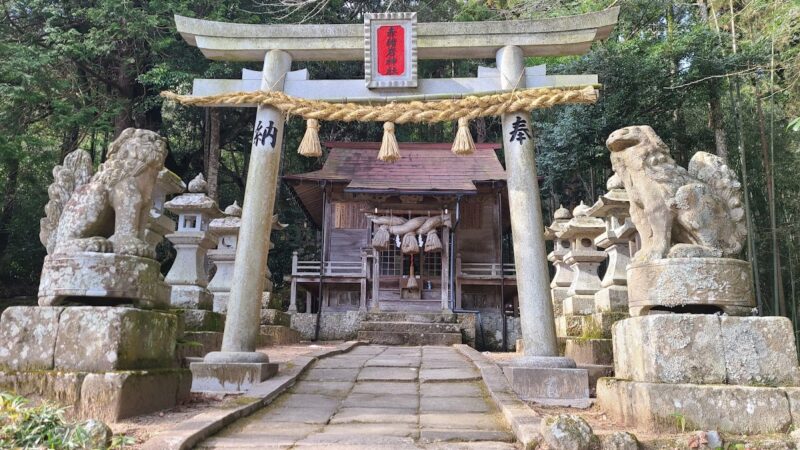
The main shrine building, rebuilt in 1921 (Taisho 10), is a valuable structure that preserves the architectural style of shrines at that time. The wooden shrine building has gained dignity over time, quietly telling the story of the region’s history.
It likely possesses a unique atmosphere, a fusion of the vermilion color characteristic of Inari shrines and architectural styles related to Tenjin worship. The craftsmanship shines through in the details of the shrine building, maintaining an appearance that inspires a solemn feeling in worshippers.
Torii Gate
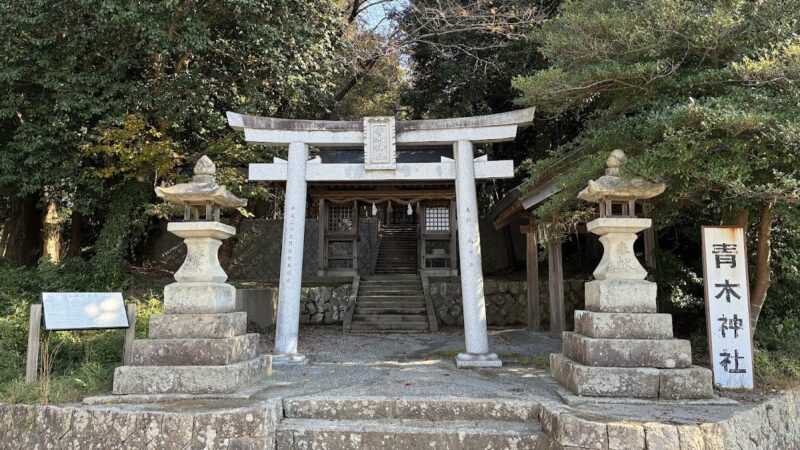
The torii gate standing at the entrance of the shrine welcomes worshippers as the gateway to the sacred area. Torii gates of Inari shrines are highly likely to use vermilion, a symbol of Inari worship, and serve as a landmark indicating the presence of the shrine even from afar.
When passing through the torii gate, it is considered proper etiquette to bow and prepare oneself to enter the sacred area. While blending into the residential area of Tachikawa, the presence of the torii gate announces the beginning of a sacred space.
Atmosphere of the Shrine Grounds
Despite being located in a residential area of Tachikawa-cho, the shrine grounds are enveloped in a tranquil atmosphere. It maintains a peaceful ambiance, serving as a place of daily worship for local residents and a spiritual haven for visitors who come at seasonal turning points.
Trees are planted within the grounds, allowing visitors to experience the changing seasons. In the increasingly urbanized city of Tottori, such a lush, green shrine space is a valuable asset.
Annual Events and Festivals
Major Festivals
It is believed that various festivals are held throughout the year at Inari shrines. The following events are commonly held at typical Inari shrines:
Hatsuumasai (First Horse Day Festival)
This is one of the most important festivals for Inari shrines. Held on the first Horse Day of February, it is a prayer for a bountiful harvest and business prosperity.
Reitaisai (Grand Annual Festival)
This is the most important annual event at the shrine, a festival expressing gratitude to the enshrined deity and praying for the prosperity of the region. Local residents gather, and traditional festivals are held.
Niiname-sai (Harvest Festival)
This harvest festival, held in November, is a celebration of gratitude for a bountiful harvest, with the year’s new grain offered to the gods.
Individual Prayers
Inari shrines also accept individual prayers. They accommodate various prayers, including academic success, business prosperity, family safety, and protection from evil. Those wishing to make a prayer are advised to contact the shrine in advance to confirm the date and time.
Inari Faith and its Place in Shinto
The Spread of Inari Faith
Inari shrines are said to number over 30,000 throughout Japan, making them the most numerous type of shrine. The head shrine is Fushimi Inari Taisha in Fushimi Ward, Kyoto City. Inari shrines throughout the country have either been established through the enshrinement of deities from this shrine or have independently developed their own Inari faith.
Tachikawa’s Inari Shrine, as part of this vast network of Inari faith, has fostered a faith deeply rooted in the lives of the local people. Inari worship is characterized by its ability to adapt flexibly to the transition from an agricultural to a commercial society, and its enduring support from people across generations.
Characteristics of Inari Shrines in Shinto
In Shinto, Inari shrines occupy a unique position as entities deeply intertwined with folk beliefs. With many visually distinctive elements such as vermilion torii gates, fox statues (divine messengers), and banners, they are recognized as shrines that are easily accessible to the general public.
Tachikawa’s Inari Shrine, in particular, has a unique history of fusion with Tenjin worship, making it a shrine that offers a wider range of divine blessings.
Relationship between Tachikawa Town and Inari Shrine
Center of the Local Community
Tachikawa Town is a residential area located in the northeastern part of Tottori City, and Inari shrines have long functioned as the spiritual center of this community. The shrine is not merely a place of worship, but also plays an important role as a place where local residents gather and interact.
During festivals, local people cooperate in preparations, fostering intergenerational exchange. Through these activities, the transmission of traditional culture and the strengthening of community bonds are achieved. ### Positioning in Tottori City
Tottori City has numerous shrines, but Tachikawa Inari Shrine is distinctive for its unique history of being merged with Kitano Shrine. Understanding the individuality of these regional shrines is important for understanding Tottori City’s shrine culture.
The Tottori City Cultural Exchange Division manages information on shrines within the city. For the latest information and details, please contact the division (TEL: 0857-30-8021, Email: bunka@city.tottori.lg.jp).
Etiquette and Manners for Visiting Shrines
Basic Methods of Visiting Shrines
Understanding the basic etiquette for visiting shrines will allow for a more sincere visit.
- Bow at the Torii Gate: Bow before passing through the torii gate to prepare yourself to enter the sacred area.
- Walking Along the Approach: The center of the approach is considered the path of the gods, so it is polite to walk along the sides.
- Procedure for Washing Hands: If there is a water basin, wash your left hand, then your right hand, then your mouth, and finally wash the handle of the ladle.
- Worship at the Main Hall:
- Quietly place your offering in the offering box.
- Ring the bell if there is one.
- Two bows, two claps, one bow (bowing deeply twice, clapping twice, bowing deeply once).
- When Leaving: After exiting the torii gate, turn around and bow once.
Mindset When Visiting a Shrine
Visiting a shrine is not merely a place to make wishes, but an act of expressing gratitude and respect to the gods. It is important to visit as an opportunity to express daily gratitude and renew your resolve for the future.
Nearby Attractions and Tourist Information
Major Tourist Spots in Tottori City
When visiting Tachikawa Inari Shrine, you can also visit other tourist spots in Tottori City.
Tottori Sand Dunes
The largest sand dunes in Japan and a representative tourist attraction of Tottori City. It’s about a 20-minute drive from Inari Shrine.
Tottori Castle Ruins & Hisamatsu Park
The ruins of a castle dating from the Sengoku period to the Edo period, also known as a famous cherry blossom viewing spot. A place where you can feel the history of Tottori City.
Warabe-kan
A museum themed around children’s songs and toys, where you can experience nostalgic toys and music.
Other Shrines in Tottori City
Besides Inari Shrine, there are many other shrines in Tottori City.
Kuniyasu Inari Shrine
An Inari shrine located in Kuniyasu, Tottori City, with a giant chinquapin tree designated as a city natural monument on its grounds.
Ube Shrine
Located in Kofu-cho, Tottori City, this is the Ichinomiya (first-ranked shrine) of Inaba Province, a historically significant shrine dedicated to Takenouchi no Sukune.
Contact Information and How to Obtain the Latest Information
Direct Inquiry to Inari Shrine
Phone Number: 0857-23-1087
For inquiries regarding prayer requests, festival dates, and other details about the shrine, please contact the above phone number directly.
Tottori City Cultural Exchange Division
General information and the latest updates regarding shrines in Tottori City are also available from the Tottori City Cultural Exchange Division.
Phone Number: 0857-30-8021
Email: bunka@city.tottori.lg.jp
Tottori Prefecture Shrine Association
Detailed information about shrines in Tottori Prefecture can also be found on the official website of the Tottori Prefecture Shrine Association. The history and festival information of each shrine are posted there.
The Future and Preservation of Tachikawa Inari Shrine
Value as a Cultural Property
The shrine building, rebuilt during the Taisho era, and its historical background of being merged with Kitano Shrine, are valuable cultural heritage that tell the modern history of the Tachikawa area. Shrines also play a role in passing on local history to future generations.
Coexistence with the Community
In the midst of modern urbanization, shrines are becoming increasingly important as centers for preserving local history and traditions. Tachikawa Inari Shrine also has a mission to pass on faith and culture to the next generation while maintaining cooperative relationships with local residents.
Various challenges, such as regular maintenance, the continuation of festivals, and the transmission of traditions to younger generations, require the entire community to work together.
Summary
Located at 4-67 Tachikawa-cho, Tottori City, Tottori Prefecture, the Inari Shrine, while its founding date is unknown, has long been a beloved local shrine known as “Tachikawa Inari.” In 1918 (Taisho 7), it was merged with Kitano Shrine (Takeshima Tenjin) and moved to its current location. In 1921 (Taisho 10), the shrine building was renovated, resulting in its current appearance.
This shrine is unique in that it enshrines two deities, Uke Mochi no Kami and Sugawara no Michizane, and offers a combination of different divine blessings: abundant harvests, business prosperity, and academic success. Formerly a village shrine, it has attracted the faith of the local community and continues to function as a spiritual center for the Tachikawa town community.
Located approximately 28 minutes on foot or 10 minutes by car from JR Tottori Station, it can be easily visited in conjunction with sightseeing in Tottori City. It is also conveniently located near major tourist attractions in the city, such as the Tottori Sand Dunes and Tottori Castle Ruins.
Through a visit to the shrine, you can connect with local history, experience traditional Japanese culture, and find peace of mind. Tachikawa Inari Shrine welcomes visitors as a simple, warm place of worship rooted in the community, unlike the famous shrines of large cities.
For the latest information and details, please contact the shrine directly (0857-23-1087) or the Tottori City Cultural Exchange Division (0857-30-8021).