Inazumi Shrine (Kofu City, Yamanashi Prefecture) Complete Guide | The History, Goshuin (Shrine Seals), and Charm of the Annual Festival of Shonoki-san
Located in the heart of Kofu City, Yamanashi Prefecture, Inazumi Shrine, affectionately known as “Shonoki-san,” is the prefecture’s largest Inari shrine. As a guardian deity of daily life, presiding over business prosperity and the necessities of life (food, clothing, and shelter), it enjoys deep devotion from locals. Every May, the grand annual festival, “Shonoki Festival,” is held with over 200 stalls. This article comprehensively introduces information you should know before visiting Inazumi Shrine, including its history, blessings, goshuin information, annual events, and access methods.
What is Inazumi Shrine? | Yamanashi Prefecture’s Largest Inari Shrine
Inazumi Shrine is located at 10-2 Ota-cho, Kofu City, Yamanashi Prefecture, and is officially called “Shonoki Inari Daimyojin Inazumi Shrine.” Locally known affectionately as “Masanoki-san,” this shrine is recognized as the largest Inari shrine in the prefecture.
Located in the heart of Kofu City, a major commercial center, it is constantly visited by business owners and shopkeepers praying for prosperity. Furthermore, the deity enshrined here, Ukanomitama-no-Okami, is considered the same as Toyouke-no-Okami of the Outer Shrine of Ise Grand Shrine, and the shrine is deeply revered as a protector of all aspects of life, including clothing, food, and shelter.
Basic Information about Inazumi Shrine
- Address: 10-2 Ota-cho, Kofu City, Yamanashi Prefecture 400-0865
- Phone Number: 055-233-5573
- FAX: 055-226-0787
- Shrine Office Hours: 8:00 AM – 5:00 PM
- Former Shrine Rank: Gosha (Village Shrine)
- Main Shrine: Fushimi Inari Taisha (Kyoto)
History of Inazumi Shrine | Approximately 2000 Years of History
Inazumi Shrine has a long history, dating back approximately 2080 years to ancient times. During the reign of Emperor Sujin, the tenth emperor, Takenunakawawake-no-mikoto, one of the Four Generals, entered the Kofu Basin, which was a lake region at the time, during his eastern expedition.
Development of the Kofu Basin and Founding of the Shrine
At that time, the Kofu Basin was a region covered by a lake. However, Takejunkawawake-no-Mikoto cleared the lakeshore, diverted the lake water into the Fuji River, and dried the area to create rice paddies. Because this development project stabilized the lives of the people, it is said that a shrine was erected on Maruyama (the current site of Kofu Castle and Maizuru Castle) to pray for the nurturing of the people and for abundant harvests. This is considered the origin of Inazumi Shrine.
Connection with the Kai Genji Clan
During the Kamakura period, Inazumi Shrine came to be revered by the Kai Genji clan. In particular, Ichijo Jiro Tadayori built Shojo Castle on Maruyama and designated Inazumi Shrine as the tutelary deity, “Shojo Inari.” It is said that the shrine’s prestige was further enhanced by the deep reverence of Ichijo Tadayori and his family of the Kai Genji clan.
Construction of Kofu Castle and Relocation to Current Location
At the end of the Sengoku period, when construction of Kofu Castle began by order of Toyotomi Hideyoshi, Inazumi Shrine was relocated to its current location in Ota-cho. Initially, it was moved to the grounds of Ichirenji Temple, but later moved to its current site, where it remains today.
Throughout this long history, Inazumi Shrine has walked hand in hand with the development of Kofu, playing an important role as a spiritual pillar for the local people.
Deities and Blessings | Business Prosperity and Protection of Life
Main Deity: Ukanomitama-no-Okami
The main deity of Inazumi Shrine is Ukanomitama-no-Okami. This deity is known as the god who presides over grains, especially rice, and is believed to bring blessings of abundant harvests. It reveres Fushimi Inari Taisha in Kyoto as its head shrine and attracts the same kind of devotion as Inari shrines throughout Japan.
Benefits of Inazumi Shrine
Inazumi Shrine is believed to offer the following benefits:
- Business Prosperity: Located in the commercial district of Kofu, it attracts many visitors praying for business success and prosperity.
- Abundant Harvest: As the guardian deity of agriculture, visitors can pray for a bountiful harvest.
- Prosperity in the Food and Beverage Industry: The shrine is believed to bring benefits for the development of businesses related to food.
- Protection of Clothing, Food, and Shelter: As it is considered the same deity as Toyouke-no-Okami of the Outer Shrine of Ise Grand Shrine, it protects stability and prosperity in all aspects of life.
- Family Safety: Visitors can pray for peace in daily life and the health of their family.
In particular, many business owners and shopkeepers from within and outside the prefecture visit the shrine to pray for business success, especially for the benefit of business prosperity.
Shonoki Festival (Annual Grand Festival) | One of Kofu’s Three Great Festivals
The largest event at Inazumi Shrine is the annual grand festival, “Shonoki Festival,” held from May 2nd to 5th every year. This festival is considered one of Kofu’s three great festivals and boasts a long tradition and history.
Characteristics of the Shonoki Festival
During the Shonoki Festival, the divine power of the gods is believed to be at its highest, attracting many worshippers from within and outside the prefecture who seek to receive its blessings. The festival has grown in scale year by year and now has the following characteristics:
- Number of Stalls: Over 200 stalls line the temple grounds and surrounding roads.
- Number of Visitors: Tens of thousands of visitors come over the four days.
- Nighttime Visits: The festivities continue late into the night, and the light of lanterns creates a magical atmosphere.
- Major Regional Event: It is a beloved spring tradition for the citizens of Kofu.
Main Rituals of the Grand Festival
The following rituals are performed at the Shonoki Festival:
- Tree Offering Ceremony: A ceremony in which trees are offered as a token of gratitude to the gods.
- Portable Shrine Procession: The portable shrine is paraded through the town, spreading the divine blessings of the gods.
- Prayer Ceremony: Prayers are offered for business prosperity, family safety, and other blessings.
These Shinto rituals are conducted solemnly according to ancient customs, allowing worshippers to directly feel the divine power of the gods.
Main Annual Rituals and Events
In addition to the annual grand festival, Inazumi Shrine holds various Shinto rituals and events throughout the year.
Main Annual Events
- January: First Shrine Visit of the Year, New Year’s Day Festival
- February: Setsubun Festival, First Horse Day Festival
- March: Spring Prayer Festival
- May: Grand Festival (Shonoki Festival), Tree Offering Festival, Mikoshi Procession
- June: Summer Purification Ceremony
- July: Kasagosha Shrine Annual Festival
- November: Shichi-Go-San Festival, Niiname-sai Festival
- December: Year-End Purification Ceremony, New Year’s Eve Festival
About the Kasagosha Shrine Annual Festival
The annual festival of the Kasagosha Shrine, a shrine within the temple grounds, is also an important event. At this festival, prayers are offered for skin diseases and the health of children, and it is a Shinto ritual passed down as a protection of the health of the local people.
Goshuin Information | A Memento of Your Visit
At Inazumi Shrine, you can receive a goshuin (shrine stamp) as proof of your visit.
Goshuin Reception
- Reception Location: Shrine Office
- Reception Hours: 8:00 AM – 5:00 PM
- Donation Fee: Usually around 300-500 yen (subject to change, please check on the day)
The goshuin will bear the Inazumi Shrine seal and the characters “Masanoki Inari”. Limited edition goshuin may be available during special periods such as the annual festival.
About Goshuin Notebooks
Original goshuin notebooks are also available, featuring designs unique to Inazumi Shrine. For those collecting goshuin for the first time, purchasing a notebook here is recommended.
Highlights of the Shrine Grounds | Points to Note During Your Visit
The grounds of Inazumi Shrine are dotted with historical buildings and points of interest.
Main Shrine and Worship Hall
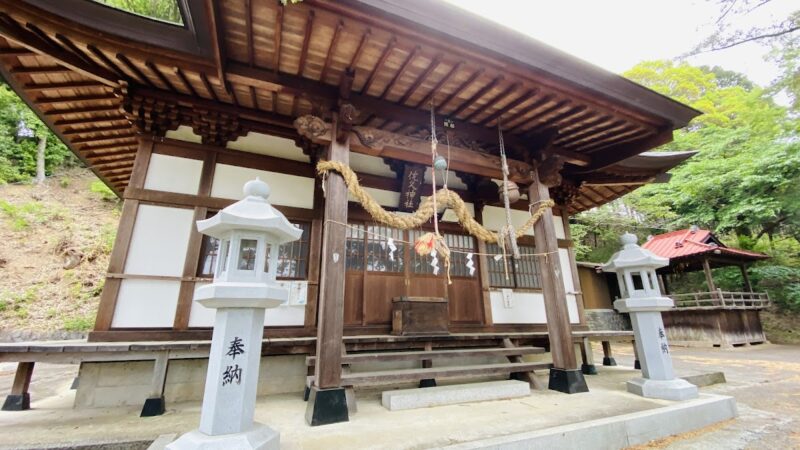
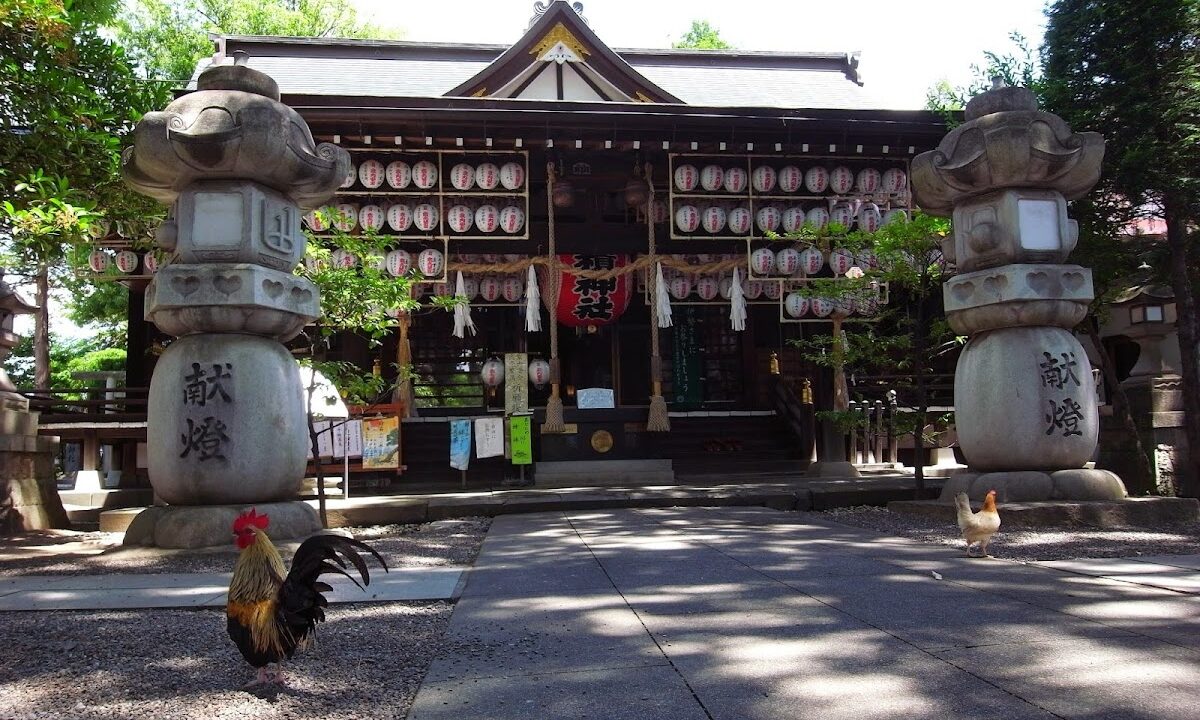
The vibrant vermilion of the main shrine and worship hall creates a solemn atmosphere befitting an Inari shrine. The meticulously crafted carvings and decorations demonstrate the high level of skill of the craftsmen.
Fox Statues Instead of Guardian Dogs
As is typical of Inari shrines, instead of guardian dogs, fox statues are placed throughout the grounds. These foxes are considered messengers of the Inari god, and they greet visitors with jewels or rice stalks in their mouths.
Subsidiary Shrines
In addition to the main shrine, there are several subsidiary shrines, including the Kasago Shrine, each said to offer different blessings. If you have time, we recommend visiting these subsidiary shrines as well.
Shrine Office
Goshuin (shrine stamps), amulets, and fortune slips are available at the shrine office. Seasonal amulets are also available, so why not pick one up as a memento of your visit?
Access and Parking Information
Access by Train
- From JR Chuo Main Line “Kofu Station”: Approximately 15 minutes on foot
- From JR Minobu Line “Minami-Kofu Station”: Approximately 10 minutes on foot
Access from Minami-Kofu Station is the most convenient. Walk north from the station towards Ota-cho, and you will arrive at Inazumi Shrine.
Access by Bus
If using the bus from Kofu Station South Exit, get off at the “Ota-cho” bus stop and it’s approximately a 3-minute walk.
Access by Car
- From Chuo Expressway “Kofu-Showa IC”: Approximately 15 minutes
- From Chuo Expressway “Kofu-Minami IC”: Approximately 10 minutes
Please enter “Inazumi Shrine” or the address “10-2 Ota-cho, Kofu City, Yamanashi Prefecture” into your car navigation system.
Parking
Parking is available for visitors on the shrine grounds. However, the area becomes extremely crowded during the annual festival, so we recommend using public transportation. There are coin-operated parking lots nearby, but spaces are limited, so please try to arrive early.
Manners and Etiquette for Visiting the Shrine
When visiting Inazumi Shrine, please observe the following basic manners and etiquette.
How to Pass Through the Torii Gate
The torii gate is the entrance to the sacred area. Bow before passing through, and walk along the sides of the path, as the center is considered the path of the gods.
How to Purify Yourself at the Water Basin
- Take the ladle with your right hand and purify your left hand.
- Switch the ladle to your left hand and purify your right hand.
- Switch the ladle back to your right hand, receive water in your left hand, and rinse your mouth.
- Purify your left hand once more.
- Stand the ladle upright, purify the handle, and return it to its original place.
How to Worship at the Main Hall
- Place your offering in the offering box.
- If there is a bell, ring it.
- Perform two bows, two claps, and one bow (two deep bows, two claps, one deep bow).
- Recite your wish silently in your heart.
Tourist Attractions Around Inazumi Shrine
After visiting Inazumi Shrine, why not explore the surrounding tourist attractions?
Kofu Castle Ruins (Maizuru Castle Park)
This is the site of Kofu Castle, built on Maruyama Hill where Inazumi Shrine was originally located. Currently, the site is maintained as a park, where visitors can see the stone walls and reconstructed watchtowers. It’s a recommended spot for history buffs.
Takeda Shrine
This shrine, dedicated to Takeda Shingen, is one of Kofu’s representative tourist attractions. It’s believed to bring good fortune in battle, attracting many worshippers.
Kofu City Center
The area around Inazumi Shrine is Kofu’s central commercial district, with numerous restaurants and shopping facilities. Enjoying Kofu’s local cuisine after visiting the shrine is highly recommended.
Prayers and Sorrows at Inazumi Shrine
Inazumi Shrine accepts various prayers and blessings from individuals and companies.
Main Prayer Contents
- Prayer for Business Prosperity: Praying for the success and prosperity of your business
- Prayer for Family Safety: Praying for the health and peace of your family
- Prayer for Protection from Misfortune: Praying to avoid misfortune during the unlucky year
- Prayer for Safety: Praying for traffic safety, construction safety, etc.
- First Shrine Visit: Praying for the healthy growth of your baby
- Shichi-Go-San: Expressing gratitude for your child’s growth and praying for their future health
How to Apply for Prayer
Those wishing to receive prayer are advised to make a reservation by phone in advance. Same-day registration is possible, but there may be a waiting time due to the schedule of Shinto rituals.
Reservations and Inquiries: 055-233-5573 (Shrine Office)
Summary of Inazumi Shrine’s Charms
Inazumi Shrine has a long history of approximately 2000 years and is a venerable shrine that has walked hand in hand with the development of the region since the pioneering of the Kofu Basin. Affectionately known as “Masanoki-san,” Inazumi Shrine continues to attract many worshippers as a guardian deity of daily life, presiding over business prosperity and the necessities of life such as food, clothing, and shelter.
In particular, the annual “Masanoki Festival” in May is a major event in Kofu, with over 200 stalls lining the streets and tens of thousands of visitors. Visiting during this period, when the deity’s power is said to be at its strongest, is believed to bring even greater blessings.
Its convenient location, within walking distance of Kofu Station and Minami-Kofu Station, is another attractive feature. When visiting Yamanashi Prefecture, be sure to visit Inazumi Shrine and experience the sacred atmosphere nurtured by its long history. Whether you pray for business prosperity, a milestone in your life, or stability in your daily life, Inazumi Shrine warmly welcomes all visitors today.