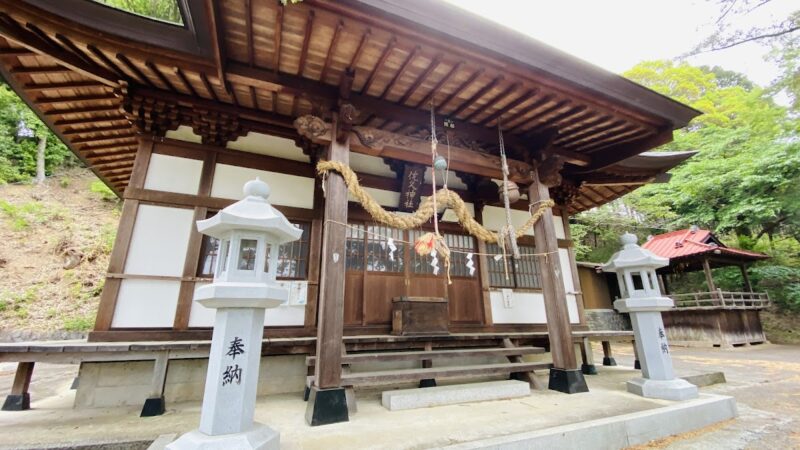
Kumano Shrine (Asagi, Kofu City, Yamanashi Prefecture) Complete Guide | History, Goshuin (Shrine Seal), and Access Information
Kumano Shrine (Asagi Kumano Shrine), located in Asagi, Kofu City, Yamanashi Prefecture, is a historical shrine with a history dating back to the pioneering era of Kai Province. Founded during the reign of Emperor Suizei, and deeply connected to the legend of Yamato Takeru’s eastern expedition, this shrine continues to be widely revered by its parishioners and visitors from within and outside the prefecture. This article provides detailed information you should know before visiting Asagi Kumano Shrine, including its history, enshrined deities, goshuin information, highlights of the grounds, and access methods.
History and Origins of Asagi Kumano Shrine
Pioneering Kai Province and the Founding of the Shrine
Asagi Kumano Shrine was founded as the guardian deity of the villages established in the region when Kai Province, or present-day Yamanashi Prefecture, was pioneered. Its founding dates back to the reign of Emperor Suizei, the second emperor of Japan.
It is said that when Prince Tohobiko developed Kai Province, he established a village and enshrined the deity as the guardian of the land. At this time, the place name “Asagi” did not yet exist.
The Origin of the Place Name “Asagi” and Yamato Takeru
There is an interesting legend related to Yamato Takeru no Mikoto regarding the origin of the place name Asagi. During the reign of Emperor Keiko, the twelfth emperor, Yamato Takeru no Mikoto stayed overnight at Sakazori Shrine in Kofu City, Yamanashi Prefecture, during his eastern expedition.
The following morning, the prince saw smoke rising from the vicinity of the shrine and stopped at this place. The villagers welcomed him with great joy and offered him breakfast. It is said that this event led to the name “Asake” being given to this region.
It is believed that Prince Yamato Takeru frequently visited this area while staying at Sakazori Shrine, and that the residents offered him breakfast each time, thus establishing the name Asake.
As the Guardian Deity of the Region
Asake Kumano Shrine has a long history as the guardian deity of the Asake region. Ancient ruins exist around the shrine grounds, indicating that people have settled and prospered here since ancient times. Currently, the shrine is widely revered not only by its parishioners but also by people from all over the prefecture and beyond.
Deities and Divine Virtues
Main Deities
Asake Kumano Shrine enshrines the following four deities:
- Izanagi-no-Mikoto
- Izanami-no-Mikoto
- Hayatamao-no-Mikoto
- Kotosakao-no-Mikoto
These deities are the creator gods known from the Japanese creation myth and the core deities of Kumano faith.
Divine Virtues
Asahi Kumano Shrine is particularly renowned for its divine blessings of abundant harvests. This is said to originate from the fact that Yamato Takeru frequently visited this area, and the villagers offered him breakfast.
In addition, the shrine is believed to offer the following divine blessings:
- Family Safety
- Business Prosperity
- Protection from Evil
- Matchmaking
- Safe Childbirth
As the guardian deity of Kai Province, where agriculture flourished, it has attracted the faith of people praying for bountiful harvests.
Highlights of the Shrine Grounds
Worship Hall and Shrine Office
One of the unique features of Asagi Kumano Shrine is its unusual structure: the worship hall and shrine office are housed together. This is a distinctive style rarely seen in other shrines, making it a memorable sight for visitors.
Main Hall
The main hall sits behind the worship hall, exuding a solemn atmosphere. It has been carefully preserved as the center of worship since ancient times.
Shrine within the Grounds: Sekison Daigongen
Within the grounds, there is a shrine dedicated to Sekison Daigongen. Sekison worship is a form of mountain worship, particularly widespread in the Kanto region.
Komainu (Guardian Dogs)
The guardian dogs on the grounds are relatively new, but their expressions are said to be very unique and interesting. When visiting, be sure to pay attention to their expressions.
Goshuin (Shrine Seal) and Goshuincho (Shrine Seal Book) Information
Limited Edition Goshuin that Changes Monthly
One of the biggest attractions of Asagi Kumano Shrine is its goshuin (shrine seal), which changes design every month. The goshuin, featuring seasonal designs and special designs unique to each month, are popular among goshuin collectors.
Seasonal Limited Edition Goshuin
In addition to the regular goshuin, seasonal limited edition goshuin are also available. For example, you can receive a special goshuin unique to the season, such as an autumn-only goshuin.
In the past, a goshuin featuring Amabie, a mythical creature prayed to ward off epidemics, was also distributed.
Goshuin Reception Hours
Goshuin can be obtained at the shrine office. It is recommended to call ahead to confirm before visiting.
Contact Information: 055-232-2305
Access and Parking Information
Location
Address: 1-11-1 Asahi, Kofu City, Yamanashi Prefecture
Access by Train
- Nearest Station: JR Minobu Line “Minami-Kofu Station”
- Approximately 15 minutes on foot from Minami-Kofu Station
Access by Car
Located in the city center of Kofu, adjacent to Higashi Elementary School. The shrine is surrounded by wide streets on two sides and is located next to an intersection, making it relatively easy to find.
Parking
The shrine has parking space for visitors. Although small, it is possible to park a car, so it is possible to visit by car. However, space is limited, so congestion is expected during long holidays and the New Year’s visit period.
Points to Note When Visiting
Visiting Hours
While you can generally visit the shrine grounds freely, if you wish to receive a Goshuin (shrine stamp) or make a prayer, you must visit during the shrine office’s opening hours. It is recommended to confirm by phone in advance.
Prayers and Consultations
Asahi Kumano Shrine accepts various prayers. For important life events or wishes, you can request a formal prayer. Please inquire at the shrine office regarding the content and fees of prayers.
Photography
Photography is generally permitted on the shrine grounds, but please be considerate of other visitors and remember that this is a sacred place, taking photos with moderation.
Nearby Attractions
Sakaori Shrine
Sakaori Shrine, where Yamato Takeru is said to have stayed during his eastern expedition, has deep ties to Asahi Kumano Shrine. It is an important historical site related to the origin of the place name Asahi, so it is recommended to visit both.
Kofu City Center
Asahi Kumano Shrine is located in the city center of Kofu, providing excellent access to major Kofu tourist attractions such as Kofu Castle Ruins (Maizuru Castle Park) and the Yamanashi Prefectural Museum of Art.
Annual Events
Grand Festival
Asahi Kumano Shrine holds its annual grand festival every year. Local parishioners and devotees gather for a portable shrine procession and dedication ceremonies. Please contact the shrine for detailed dates.
New Year’s Visit
Many worshippers visit the shrine for their first shrine visit of the new year. As the guardian deity of the region, it is bustling with people praying for safety in the new year and a bountiful harvest.
Cultural Value of Asahi Kumano Shrine
Relationship with Ancient Ruins
Ancient ruins exist around the shrine grounds, indicating that this area has been a place of human habitation since ancient times. Asahi Kumano Shrine is not merely a place of worship, but also an important cultural heritage site that tells the history of the region.
Center of the Local Community
Since its founding, Asagi Kumano Shrine has functioned as the center of the local community. Even today, it is carefully preserved by local people, primarily parishioners, and various events are held there.
Voices of Visitors
Visitors to Asagi Kumano Shrine have shared the following comments:
- “I look forward to the monthly changing goshuin (shrine stamp), and I visit regularly.”
- “It’s a small shrine, but you can feel the history, and I was able to pray in peace.”
- “It’s right next to an intersection, so it was easy to access.”
- “The expressions on the guardian lion-dogs were unique and memorable.”
Visiting Etiquette
When visiting a shrine, please observe the following basic etiquette.
- Bow before passing through the torii gate.
- Avoid walking in the center of the approach to the shrine. (The center is considered the path of the gods.)
- Purify your body and mind at the water basin.
- Perform “two bows, two claps, one bow” in front of the main hall.
- Spend time quietly within the shrine grounds.
Summary
Asagi Kumano Shrine (Asagi, Kofu City, Yamanashi Prefecture) is a historical shrine said to have been founded during the reign of Emperor Suizei. It boasts many attractions, including the origin of the place name “Asagi,” linked to the legend of Yamato Takeru’s eastern expedition, its divine blessings for abundant harvests, and its monthly changing goshuin (shrine stamps).
Despite its convenient location in the heart of Kofu city, Asagi Kumano Shrine conveys a history and faith that has continued since ancient times. When visiting Yamanashi Prefecture, why not pay a visit?
As evidenced by the ancient ruins surrounding the shrine grounds, this region has been settled and prosperous since ancient times. Even today, Asagi Kumano Shrine remains a deeply rooted place of worship in the region, serving as a guardian deity and attracting reverence from both within and outside the prefecture.
When visiting, be sure to pay attention to the various sights within the shrine grounds, such as the unusual architectural style where the worship hall and shrine office are located together, the uniquely expressive guardian lion-dogs, and the Ishizono Daigongen shrine within the grounds. And why not reflect on the history that has continued since ancient times while receiving a Goshuin (shrine stamp) that changes every month?