Inkuji Temple (Kyoto Prefecture) Complete Guide: History, Highlights, and Access Information Explained in Detail
What is Inkuji Temple?
Inkuji Temple is a historic temple located in Kyoto Prefecture. While Kyoto has numerous temples, Inkuji Temple offers a rare opportunity to experience history and culture in a tranquil environment, providing peace of mind to visitors.
This article provides detailed information useful for those considering a visit, including the historical background of Inkuji Temple, highlights within the temple grounds, access methods, and visiting information.
History of Inkuji Temple
Origin of Founding
The founding of Inkuji Temple has a long history passed down in the region. Many temples in Kyoto were founded between the Heian and Kamakura periods, and Inkuji Temple developed as a center of local faith within that historical context.
The name “Inku” in the temple’s name holds deep meaning in Buddhism, representing the state of ascetic practice and enlightenment.
Historical Transformations
Inkuji Temple has been influenced by various eras throughout its long history. It has weathered historical turning points in Japan, including the turmoil of the Sengoku period, the temple development of the Edo period, and the anti-Buddhist movement after the Meiji Restoration, all while being preserved by the faith of the local people.
Especially during the Edo period, it functioned as the center of the local danka (parishioner) system, attracting many followers. This tradition continues today, and it serves as a spiritual pillar for the local community.
Inkuji Temple’s Sect and Principal Image
About the Sect
Inkuji Temple belongs to a sect that follows the traditional lineage of Japanese Buddhism. While doctrines, training methods, and ritual forms differ depending on the sect, Inkuji Temple upholds traditional Buddhist teachings while conducting missionary activities that are accessible to modern people.
Principal Image and Faith
The principal image, the central object of worship at the temple, is carefully enshrined as an object of faith for visitors. Many visitors come to the temple seeking peace of mind by praying before the principal image.
Surrounding the main image of Buddha are various attendant deities and guardian spirits, each with its own deep meaning and history of faith.
Highlights of the Temple Grounds
Main Hall
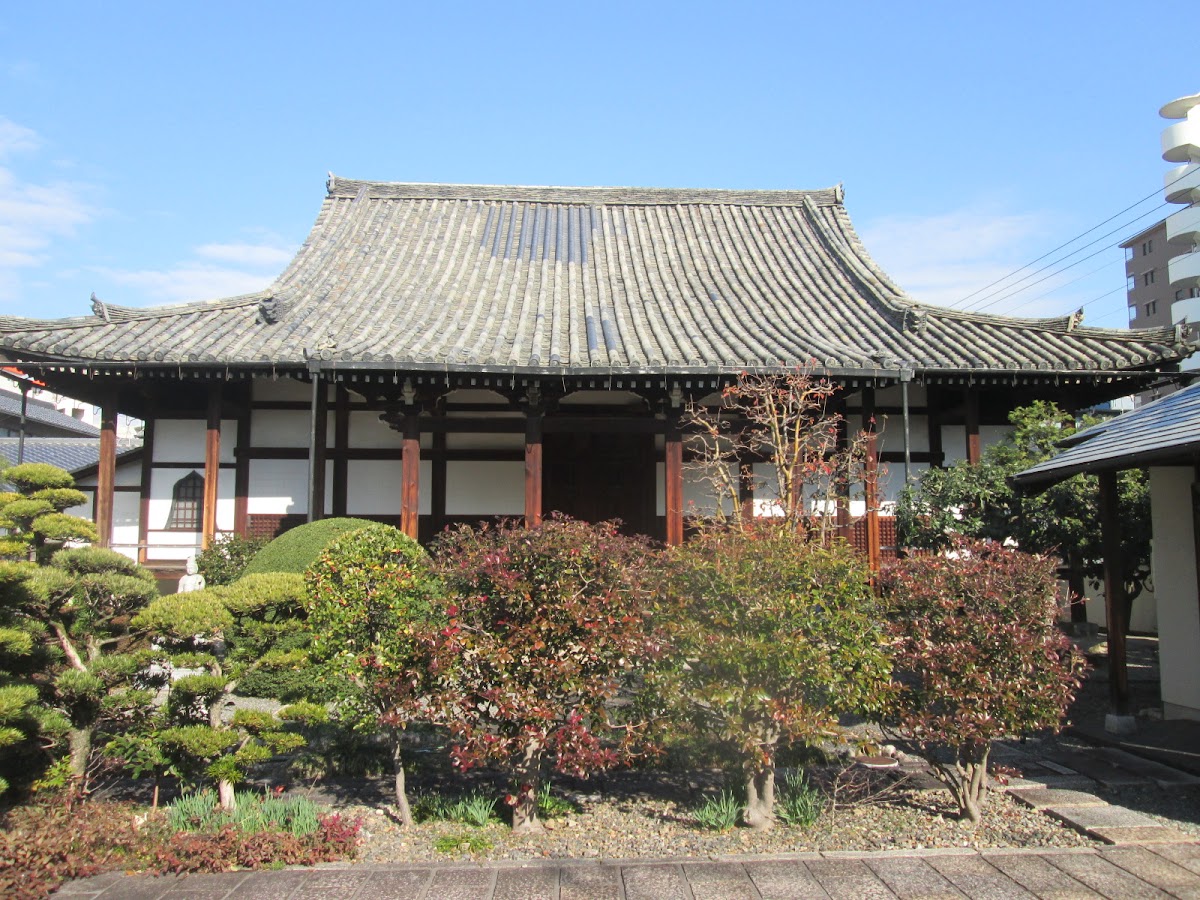
Inkuji Temple’s main hall is a valuable structure that preserves the traditional style of temple architecture. It exudes the beauty of wooden construction and the dignified presence forged from years of weathering.
Inside the main hall, the main image of Buddha and other Buddhist statues are enshrined, allowing visitors to worship in a serene atmosphere. The ceiling and pillars are adorned with exquisite craftsmanship, making it valuable as architectural art as well.
Garden
Inkuji Temple’s garden is a space where visitors can enjoy the beauty of nature throughout the seasons. While inheriting the traditions of Kyoto temple gardens, it features a unique and distinctive landscape design.
With cherry blossoms in spring, lush greenery in summer, vibrant autumn leaves, and snowscapes in winter, the garden displays different expressions with each season, soothing the hearts of visitors. The arrangement of stones and plants reflects Zen philosophy and a view of nature, making it a place not only to admire but also to meditate.
Bell Tower
The bell tower on the temple grounds houses a temple bell that announces the time of day. The sound of this bell is an important rhythm for the local people’s daily lives and holds significant meaning as a sonic expression of Buddhist teachings.
During the New Year’s Eve bell-ringing ceremony, general visitors may be able to ring the bell, offering a special experience to welcome the new year.
Stone Buddhas and Stone Pagodas
Throughout the temple grounds are numerous stone Buddhas and stone pagodas donated during various periods. These are valuable cultural assets that tell the history of faith, each bearing the wishes of the donors and the historical context of its time.
The older stone Buddhas, in particular, have developed a unique character through weathering, conveying a sense of the passage of time.
Annual Events and Memorial Services
Major Annual Events
At Inkuji Temple, various Buddhist events and memorial services are held throughout the year. These events are important opportunities to practice Buddhist teachings and deepen bonds with believers.
New Year’s Events: Buddhist events such as the first shrine visit of the year and the Shusho-e ceremony are held to welcome the new year. Many worshippers visit with their wishes for the new year.
Spring Events: Memorial services for the spring equinox and the Hana Matsuri (flower festival, a celebration of Buddha’s birth) are held.
Summer Events: Events for honoring ancestors, such as the Obon Segaki memorial service and the Urabon-e festival, are the focus.
Autumn Events: Important memorial services related to the temple’s history, such as the autumn equinox memorial service and the founder’s memorial service, are held.
Special Memorial Services
Special memorial services are held several times a year. These events are related to the temple’s historical anniversaries or specific Buddhist ceremonies, and may offer special opportunities to view Buddhist statues and treasures that are not normally on public display.
Visiting Information
Visiting Hours
Visiting hours for Inkuji Temple may vary depending on the season and events. Generally, visits are possible between 9:00 AM and 4:00 PM or 5:00 PM.
During special ceremonies or events, hours may be extended, or conversely, general visits may be restricted. It is recommended to check in advance.
Admission Fee
An admission fee may be set to cover the maintenance and upkeep of the temple. The fee is used for maintaining the temple grounds and preserving cultural properties, and is an important source of funding for the temple.
The general admission fee is around 300 to 500 yen, but additional fees may be set for special viewings.
Precautions During Visits
Temples are places of worship, and quiet and respectful worship is required. Please observe the following points when visiting the temple:
- Dress Code: Avoid revealing clothing and dress appropriately for your visit.
- Photography: Photography is prohibited in some areas, such as inside the main hall. Please check before taking pictures.
- Quietness: Please refrain from loud conversations and noise.
- Smoking and Eating: Smoking and eating are prohibited outside of designated areas.
- Pets: Bringing pets onto the temple grounds is generally prohibited.
Access Methods
Access by Train and Bus
Inkuji Temple in Kyoto Prefecture can be accessed using public transportation. It is common to take a bus or taxi from the nearest station.
If accessing from Kyoto city, take the train to the nearest JR or private railway station, then transfer to a bus or taxi. If taking the bus, get off at the bus stop nearest the temple and it is a few minutes’ walk from there.
Access by Car
If accessing by car, take national or prefectural roads from Kyoto city. Entering the temple name or address into your car navigation system will guide you to the location.
Parking Information
While some temples have parking lots, spaces are often limited, and they may be full on weekends or during events. Consider using public transportation.
It is recommended to check parking fees and hours in advance.
Nearby Tourist Attractions
Nearby Temples and Shrines
Many other historical temples and shrines are scattered around Inkuji Temple. Kyoto Prefecture is one of Japan’s leading areas for temple and shrine concentration, making it possible to visit multiple temples in a single day.
Visiting nearby temples in conjunction with Inkuji Temple will allow you to experience Kyoto’s Buddhist culture more deeply.
Natural Scenery
Beautiful natural scenery unfolds in the mountainous areas of Kyoto Prefecture. The area around Inkuji Temple is also a place where you can enjoy nature throughout the seasons.
Especially during the autumn foliage season, the mountains are ablaze with color, creating a beautiful landscape where the temple and nature harmonize. Hiking and strolling are also recommended.
Local Cultural Facilities
The surrounding area also has facilities such as historical museums and cultural centers. Those who wish to learn more about the local history and culture should visit these facilities.
Training and Experiences at Inkuji Temple
Zen Meditation Experience
Some temples offer Zen meditation experiences for the general public. Zen meditation is a fundamental practice in Zen Buddhism and a valuable experience for calming the mind and confronting oneself.
Many temples provide careful instruction so that even beginners can participate, offering an opportunity to escape the hustle and bustle of daily life and calm the mind.
Sutra Copying and Buddha Image Copying
Sutra copying and Buddha image copying are practices that involve copying Buddhist scriptures or drawing Buddha images. They are believed to enhance concentration and calm the mind.
Many temples provide sutra copying sets for beginners, making it easy to try. Completed sutras can be offered to the temple or taken home.
Dharma Talks and Sermons
Dharma talks and sermons by the head priest are sometimes held regularly. This is a valuable opportunity to learn about Buddhist teachings in an easy-to-understand way, and you may even gain guidance for your life.
Cultural Properties of Inkuji Temple
Buildings
The buildings of Inkuji Temple, such as the main hall and the temple gate, may be important cultural properties of the region due to their architectural style and historical value.
They are valuable resources for understanding wooden construction techniques and the changes in architectural styles over time.
Buddhist Statues and Paintings
Buddhist statues and paintings enshrined in temples are important cultural properties that convey the artistic style and faith of the era in which they were created.
Older Buddhist statues, in particular, reflect the high level of sculptural technique and the depth of faith of the time.
Ancient Documents and Records
Temples sometimes store ancient documents and records that document their history since their founding. These are valuable primary sources for the study of local history.
Inkuji Temple and the Local Community
Connection with the Community
Inkuji Temple is not merely a tourist destination; it has played an important role in the local community. Through the danka system (parishioner system), temples have deep ties with local people and have been involved in life’s milestones, including weddings, funerals, and other ceremonies.
Temples often participate in local festivals and events, functioning as a spiritual pillar of the community.
Education and Welfare Activities
Modern temples contribute not only to traditional religious activities but also to local education and welfare. An increasing number of temples are developing a wide range of activities, such as providing events for children and gathering places for the elderly.
Manners and Etiquette for Visiting a Temple
Etiquette at the Temple Gate
When entering a temple, it is basic etiquette to bow at the temple gate before entering. The temple gate is the boundary separating the secular world from the sacred realm, and one should pass through it with respect.
Etiquette at the Water Basin
If there is a water basin, cleanse your hands and mouth before praying. The correct procedure is as follows:
- Hold the ladle in your right hand and purify your left hand.
- Switch the ladle to your left hand and purify your right hand.
- Hold the ladle again in your right hand, receive water in your left hand, and rinse your mouth.
- Purify your left hand once more.
- Hold the ladle upright and pour water over the handle to purify it.
Etiquette for Worshiping in the Main Hall
Worshiping in the main hall is done in the following order:
- Bow slightly in front of the main hall.
- If there is an offering box, quietly place your offering in it.
- If there is a bell, ring it.
- Join your hands in prayer and offer your prayers (unlike Shinto shrines, do not clap).
- Bow once and leave.
How to Offer Incense
When offering incense, after lighting it, extinguish the flame by fanning it with your hand (blowing it out with your breath is considered impure). Offer the incense stick either upright in the incense burner or lying horizontally.
The Four Seasons of Inkuji Temple
Spring at Inkuji Temple
In spring, the temple grounds are adorned with cherry blossoms and plum blossoms. It’s a season where you can feel the breath of life as the new leaves sprout.
The spring equinox memorial service is also held, attracting many visitors. Visiting in the mild weather is a refreshing experience for both mind and body.
Summer at Inkuji Temple
In summer, the greenery deepens, enveloping the temple grounds in a lush green. The shade of the trees is cool, offering a respite from the heat of the city.
During the Obon period, memorial services for ancestors are held, attracting many parishioners and visitors.
Autumn at Inkuji Temple
Autumn is the season of autumn leaves. The trees on the temple grounds turn red and yellow, creating the most beautiful scenery.
Along with the autumn equinox memorial service, the number of visitors coming to admire the autumn foliage increases. Visiting the temple while admiring the autumn foliage in its tranquil grounds offers a truly special experience.
Inkuji Temple in Winter
In winter, Inkuji Temple is enveloped in silence. When it snows, the grounds transform into a world of white, displaying a beauty reminiscent of an ink painting.
During the New Year period, the temple becomes bustling with visitors for the ringing of the temple bell on New Year’s Eve and for the first shrine visit of the year. Visiting in the cold is challenging, but it offers a deeply moving and solemn experience.
Inquiries about Inkuji Temple
Inquiries Regarding Visits
For detailed information regarding visits, such as visiting hours, admission fees, and the availability of special viewings, it is recommended to contact the temple in advance.
While telephone inquiries are common, more temples are now providing information on their websites and social media.
Requests for Memorial Services and Ceremonies
If you wish to request a memorial service or ceremony, please contact the temple directly to discuss. They handle various Buddhist services, including funerals, memorial services, and ancestral rites.
Even those who are not parishioners may be able to receive consultation, so please inquire first.
Recommended Points When Visiting Inkuji Temple
Best Time to Visit
The best time to visit Inkuji Temple varies depending on your purpose.
- Cherry Blossom Season: Spring (Late March to Early April)
- Fresh Green Season: Early Summer (May to June)
- Autumn Foliage Season: Autumn (November)
- For Serenity: Winter (January to February)
Time Required
If you plan to leisurely visit the temple grounds, allow 30 minutes to an hour. If you plan to participate in a sutra copying or Zen meditation experience, you will need an additional 1-2 hours.
What to Bring
No special items are required for visiting the temple, but the following may be helpful:
- Prayer Beads: For a full visit
- Goshuincho (Stamp Book): If you are collecting Goshuin (temple stamps)
- Camera: For recording in areas where photography is permitted
- Comfortable Shoes: The temple grounds have cobblestone and gravel paths
- Seasonal Clothing: Hat or parasol in summer, warm clothing in winter
Goshuin at Inkuji Temple
About Goshuin
Goshuin are given as proof of visiting a temple. They are not merely stamps, but are cherished as a record of your visit.
Inkuji Temple may also offer Goshuin. Bring your Goshuincho and request one at the reception or sutra copying office.
How to Receive a Goshuin (Temple Stamp)
When receiving a Goshuin, please observe the following manners:
- Complete your prayers first (it is considered bad manners to request a Goshuin before praying).
- Open your Goshuincho (stamp book) and specify the page you would like it written on.
- Prepare the Goshuin fee (usually 300-500 yen).
- Wait quietly while the stamp is being written.
- Express your gratitude when receiving the stamp.
Summary
Inkuji Temple is a historical and traditional temple located in Kyoto Prefecture. It is a valuable place where many visitors can experience Japanese Buddhist culture in a tranquil environment.
The main hall, gardens, and seasonal natural scenery within the temple grounds provide peace of mind to visitors. Furthermore, you can gain a deeper understanding of Buddhist teachings through experiences such as Zen meditation and sutra copying.
When visiting Kyoto, why not visit not only famous tourist temples but also community-based temples like Inkuji Temple? This will be a precious opportunity to reflect on yourself in a quiet setting away from the hustle and bustle.
When visiting, please refer to the manners and etiquette introduced in this article and visit with respect. Temples are places of worship and sacred places that have been preserved throughout a long history. By each of us visiting with appropriate attitude, we can pass on this precious cultural heritage to future generations.
May your visit to Inkuji Temple be a memorable experience.