Ise Shrine (Okayama Prefecture, Okayama City, Kita Ward) Complete Guide | History of the Original Ise Shrine, Goshuin (Shrine Seal), and Access Information
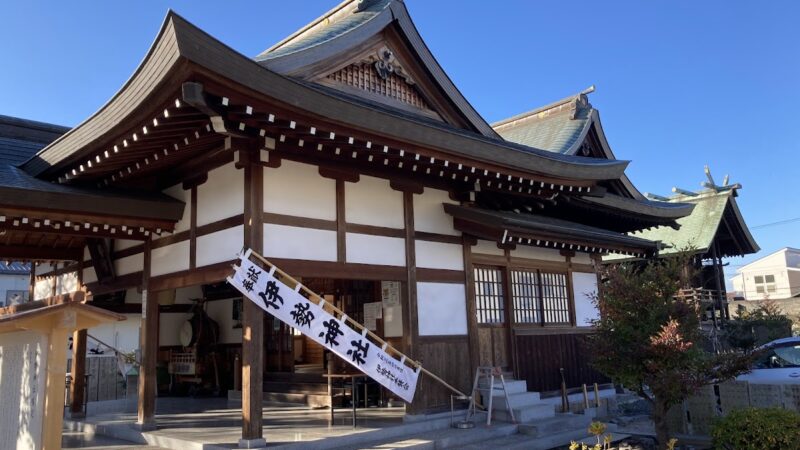
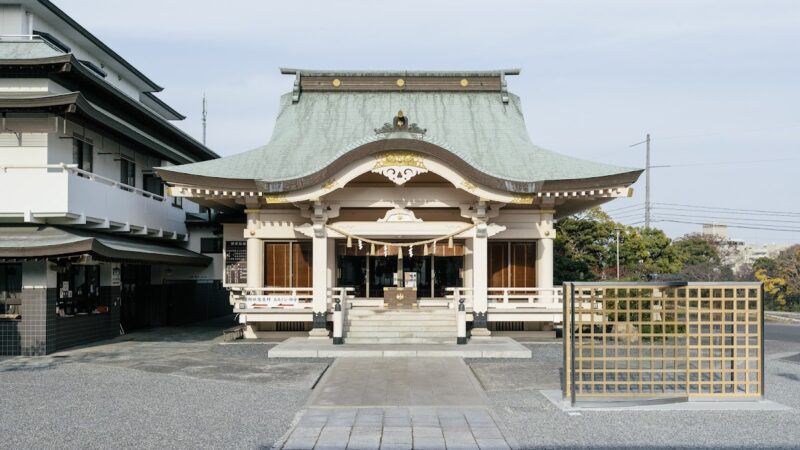
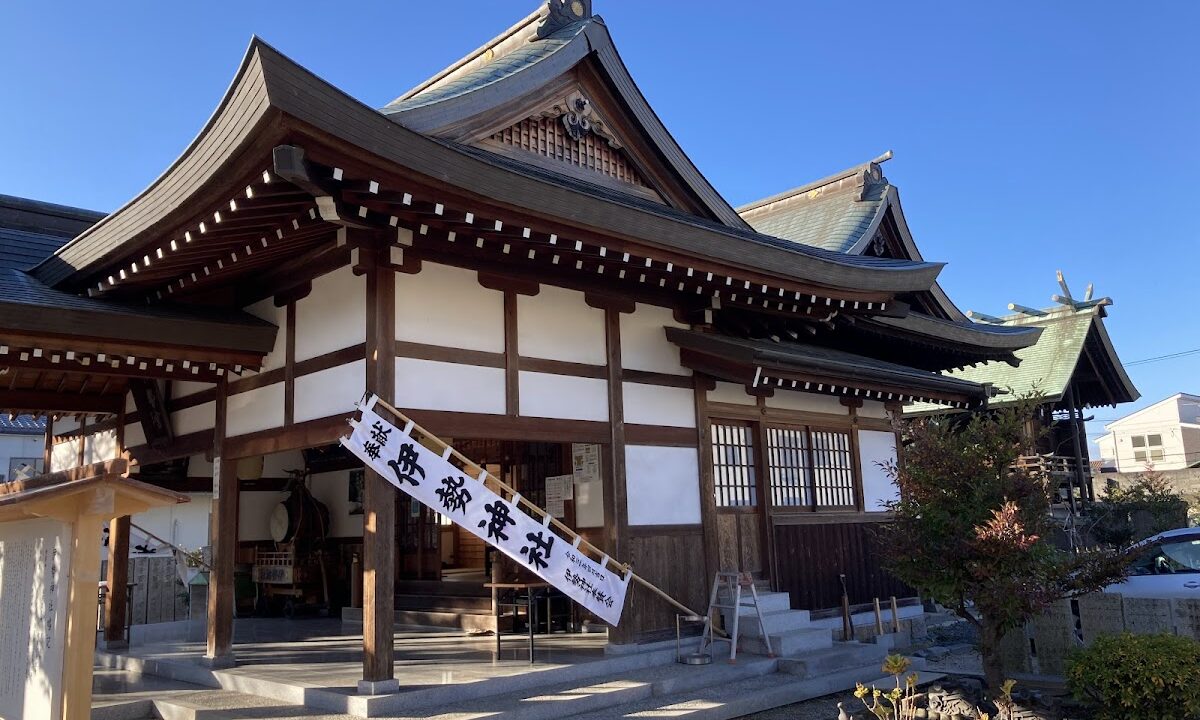
Ise Shrine, located in Bancho, Kita Ward, Okayama City, is a shrine affectionately known locally as “Okayama’s Ise-san.” It is one of the original Ise shrines, said to have been founded during the reign of Emperor Sujin, and is known as a prestigious shrine with a history of over 2,000 years.
This article provides detailed information useful for visiting Ise Shrine, including its historical background, enshrined deities, highlights of the grounds, goshuin information, and access methods.
Basic Information about Ise Shrine
Official Name: Ise Shrine (Ise Jinja)
Common Name: Ise-no-miya
Location: 2-11-20 Bancho, Kita-ku, Okayama City, Okayama Prefecture 700-0811
Phone Number: 086-222-5018
Former Shrine Rank: Prefectural Shrine
Shikinaisha: A candidate for the “Ise Shrine” listed in the Engishiki (ancient Japanese legal code) in Mino-gun, Bizen Province
Main Deities: Amaterasu Omikami, Toyouke Omikami
Ise Shrine is located along the west bank of the Asahi River, maintaining a tranquil atmosphere despite being in the heart of Okayama City. The shrine grounds display the same floral diamond crest as Ise Grand Shrine, reflecting its deep connection to Ise Grand Shrine.
History of Ise Shrine
Origin of Founding and the Legend of Moto-Ise
The founding of Ise Shrine dates back to the reign of Emperor Sujin, the 10th emperor. It is said that Princess Toyosukiirihime-no-Mikoto, carrying the Yata-no-Kagami (a sacred mirror representing the spirit of Amaterasu Omikami), toured various regions from Yamato Province and temporarily resided in this area.
The “Yamato-hime-no-Mikoto Seiki” (Chronicle of Princess Yamato) mentions “Nakata-no-Hama-no-Miya” as one of the palaces visited by Toyosukiirihime-no-Mikoto during her tour, and this shrine is considered one of the possible locations. Therefore, Ise Shrine is considered one of the “Moto-Ise” (original Ise) shrines with a history of over 2,000 years.
What is Moto-Ise?
Moto-Ise refers to a place where Amaterasu Omikami was temporarily enshrined before her current residence at Ise Grand Shrine. Toyosukiirihime-no-Mikoto, and her successor Yamato-hime-no-Mikoto, traveled throughout Japan in search of a suitable place to enshrine Amaterasu-Omikami, eventually arriving in Ise Province (present-day Ise City, Mie Prefecture).
Okayama’s Ise Shrine has long been revered as one of the sacred sites where Amaterasu-Omikami was temporarily enshrined during this journey.
Status as an Engishiki Shrine
Ise Shrine is a Shikinaisha (shrine listed in the Engishiki Jinmyocho), compiled during the Heian period, listed as “Ise Shrine, Mino District, Bizen Province.” Shrines listed in the Engishiki were historically significant shrines recognized by the imperial court from that time, demonstrating their high status.
History from the Early Modern Period Onward
During the Edo period, it flourished as a center of local faith under the patronage of the Okayama Domain. Under the Meiji era’s shrine ranking system, it was designated a prefectural shrine, positioning it as a representative shrine of the region.
Supported by the fervent faith of local residents even after the war, it has continued to be affectionately known as “Okayama’s Ise Shrine” to this day.
Deities and Divine Virtues
Main Deities
Amaterasu Omikami
The supreme deity in Japanese mythology and the ancestral deity of the Imperial Family. As a deity personifying the sun, she is believed to bestow divine virtues such as national peace and security, good fortune, and family safety.
Toyouke Omikami
The goddess who presides over food and grains. She is believed to bestow divine virtues such as abundant harvests, industrial development, and business prosperity, and is also known as the main deity of the Outer Shrine of Ise Grand Shrine.
Divine Virtues
Ise Shrine is believed to bestow the following divine virtues:
- National Peace and Prosperity of the Imperial Family: Peace of the nation through the divine virtues of Amaterasu Omikami
- Good Fortune and Prosperity: Bringing good fortune in all aspects of life
- Family Safety: Health and safety of the family
- Abundant Harvest: Abundant harvests of crops through Toyouke Omikami
- Business Prosperity: Development and prosperity of businesses
- Protection from Misfortune and Disaster: Protection from various calamities
Highlights of the Shrine Grounds
Main Hall (Shinmei-zukuri Style)
The main hall of Ise Shrine is built in the same “Shinmei-zukuri” architectural style as Ise Grand Shrine. Shinmei-zukuri is one of the oldest shrine architectural styles in Japan, characterized by its gabled roof, ridge-supporting pillars, and katsuogi and chigi (decorative roof elements).
This architectural style, which demonstrates a deep connection with Ise Grand Shrine, is also proof that our shrine is the original Ise Shrine.
Shrine Emblem (Hanabishi Crest)
The banners and lanterns within the shrine grounds are adorned with the same “Hanabishi Crest” as Ise Grand Shrine. This crest is deeply connected to the Imperial Family and speaks to the high status and history of our shrine.
Subsidiary Shrines and Auxiliary Shrines
In addition to the main shrine, several subsidiary shrines are located within the grounds, enshrining various deities. Visiting these subsidiary shrines during your worship will allow you to receive even more divine blessings.
Location in relation to the Asahi River
Ise Shrine is located along the west bank of the Asahi River, suggesting a deep connection to water transport in the past. Its location allows one to feel the history of Okayama, which has developed alongside the flow of the river.
Festivals and Annual Events
Ise Shrine holds various festivals and events throughout the year. The main festivals include the following:
New Year’s Day Festival (January 1st)
A festival to celebrate the New Year and pray for the peace of the nation and the prosperity of the parishioners. It is bustling with many visitors on New Year’s Day.
Setsubun Festival (around February 3rd)
A festival to ward off evil and invite good fortune through Shinto rituals such as bean-throwing.
Spring Grand Festival
An important festival to celebrate the arrival of spring and pray for a bountiful harvest.
Summer Purification Ceremony (June 30th)
A Shinto ritual to purify and cleanse away the sins and impurities accumulated over the past six months. Sometimes, rituals such as passing through a ring of reeds are performed.
Autumn Grand Festival
A festival to give thanks for the autumn harvest and repay divine blessings. One of the most important festivals of the year.
Niiname-sai (November 23rd)
A festival to offer the new harvest to the gods and express gratitude for the harvest.
Toshikoshi no Oharae (December 31st)
A Shinto ritual to purify oneself of the sins and impurities of the past year and welcome the new year with a fresh mind.
*Please note that the dates and content of festivals may change from year to year. For details, please contact the shrine directly.
Goshuin Information
Issuance of Goshuin
Ise Shrine offers goshuin (stamps) to visitors. Goshuin are proof of worship and are cherished as a memento of the connection made with the gods.
Location of Issuance: Shrine Office
Reception Hours: Usually 9:00 AM to 5:00 PM (subject to change)
Offering Fee: Generally around 300-500 yen
*It is recommended to check with the shrine in advance regarding the issuance hours and offering fees for goshuin. The shrine office may be unattended, so if you definitely want to receive a goshuin (shrine stamp), we recommend contacting them in advance.
Goshuincho (Shrine Stamp Book)
Some shrines offer their own original goshuincho. Please inquire at the shrine office for details.
Access and Parking Information
Access by Public Transportation
From JR Okayama Station:
- Using the Tram (Okayama Electric Railway)
- Take the “Higashiyama-bound” tram from Okayama Station tram stop
- Get off at “Shiroshita” tram stop, approximately 13 minutes on foot
- Or get off at “Kencho-dori” tram stop, approximately 10 minutes on foot
- Using the Bus
- Take Uno Bus or Ryobi Bus from Okayama Station West Exit Bus Terminal
- Get off at “Bancho” bus stop, approximately 5 minutes on foot
- Walking
- Approximately 25-30 minutes on foot from JR Okayama Station
Access by Car
From the Sanyo Expressway:
- Approximately 15 minutes from Okayama IC
From Okayama Airport:
- Approximately 30 minutes by car
Car Navigation Settings:
- Address: 2-11-20 Bancho, Kita-ku, Okayama City, Okayama Prefecture
- Phone Number: 086-222-5018
Parking
Regarding parking for shrine visitors, space within the shrine grounds is limited. Therefore, it is recommended to check with the shrine in advance regarding the availability and number of parking spaces for visitors.
There are also coin-operated parking lots in the surrounding area; please consider using those as well. Especially during busy periods such as New Year’s Day and the annual festival, using public transportation is convenient.
Nearby Facilities
- Okakita Happy Town: Shopping center within walking distance
- Okayama Prefectural Government: Approximately 10-minute walk
- Okayama Castle: Approximately 15-minute walk
- Korakuen Garden: Approximately 20-minute walk
Manners and Etiquette for Visiting a Shrine
Basic Etiquette for Visiting a Shrine
- Bow Before Passing Through the Torii Gate
Bow before entering the sacred area, in front of the torii gate.
- Purifying at the Water Basin
- Take the ladle with your right hand and purify your left hand.
- Switch the ladle to your left hand and purify your right hand.
- Switch the ladle back to your right hand, receive water in your left hand, and rinse your mouth.
- Finally, hold the ladle upright and purify the handle.
- Walk along the edge of the approach to the shrine
The center of the approach is considered the path of the gods.
- Worship at the Main Hall
- Quietly place your offering in the offering box.
- Ring the bell if there is one.
- Two bows, two claps, one bow (two bows, two claps, one bow).
- Pray with gratitude.
- Visiting the Shrines within the Precincts
After visiting the main shrine, also visit the shrines within the precincts.
- When Leaving
After exiting the torii gate, turn around and bow once.
Attire for Visiting the Shrine
While there are no strict dress code regulations, clean attire that reflects the sacred nature of the place is desirable. More formal attire is recommended if you are receiving prayers or blessings.
Characteristics and Charms of Ise Shrine
Historical Value as a Former Ise Shrine
The greatest characteristic of Ise Shrine is its history of over 2,000 years as one of the original Ise shrines. As a sacred site where Amaterasu Omikami was temporarily enshrined, it occupies an important position in the history of Japanese Shinto.
Quiet Environment Despite Being in an Urban Area
Despite being located in the heart of Okayama city, the shrine grounds maintain a tranquil atmosphere. It is a precious space where you can escape the hustle and bustle of the city and worship in peace.
Deep Connection to Ise Grand Shrine
You can feel the deep connection to Ise Grand Shrine in many places, such as the Shinmei-zukuri style main hall, the Hanabishi crest, and the deities enshrined: Amaterasu Omikami and Toyouke Omikami. As “Okayama’s Ise-san,” it has attracted the faith of people who cannot visit Ise Grand Shrine. ### A Faith Rooted in the Community
Ise Shrine has been supported by the deep faith of local residents throughout its long history. It is bustling with people visiting for important life events such as New Year’s visits, Shichi-Go-San (a traditional rite of passage for children), and exorcisms, and plays a central role in the local community.
Nearby Tourist Attractions
When visiting Ise Shrine, exploring the surrounding tourist attractions will allow you to experience the charm of Okayama more deeply.
Okayama Castle
Approximately a 15-minute walk from Ise Shrine. A famous castle also known as “Ujo” (Crow Castle) due to its black exterior.
Okayama Korakuen Garden
One of Japan’s three most famous gardens. Adjacent to Okayama Castle, it offers beautiful scenery throughout the seasons.
Kibitsu Shrine and Kibitsuhiko Shrine
Shrines associated with the Momotaro legend. Representative ancient shrines of Okayama.
Okayama City Center
Enjoy shopping and dining around Omotecho Shopping Street and Okayama Station.
How to Enjoy Visiting Ise Shrine
Visiting While Feeling the History
As a former Ise Shrine with a history of over 2,000 years, visiting while reflecting on the place where ancient people enshrined Amaterasu Omikami will give you a deeper sense of awe.
Seasonal Expressions
You can enjoy the different expressions of the shrine grounds in each season: the fresh greenery of spring, the lush trees of summer, the autumn leaves, and the tranquility of winter.
Collecting Goshuin (Shrine Seals)
Goshuin are one of the joys of visiting shrines. The goshuin of Ise Shrine is a precious page that records the history of this former Ise Shrine.
Participating in Local Festivals
Visiting during festivals such as the annual grand festival allows you to experience a lively atmosphere different from the usual.
Summary
Ise Shrine, located in Kita Ward, Okayama City, is a venerable shrine with a history of over 2,000 years as a former Ise Shrine, enshrining Amaterasu Omikami and Toyouke Omikami. As a shrine listed in the Engishiki (an ancient Japanese legal code) and formerly a prefectural shrine, it has been affectionately known as “Okayama’s Ise Shrine” by the local people.
With elements such as the Shinmei-zukuri style main hall and the Hanabishi crest, it is a precious sacred site where you can feel the weight of history and faith, and feel the deep connection to Ise Grand Shrine throughout. Despite being located in the heart of Okayama city, it maintains a tranquil atmosphere, providing an environment where you can leave the hustle and bustle of the city and worship in peace.
When you visit Okayama, be sure to visit Ise Shrine and experience its timeless history and sacred atmosphere. Receiving a Goshuin (shrine stamp) and combining it with a visit to nearby tourist spots will allow you to enjoy a fulfilling Okayama sightseeing experience.
May your visit be enriching and fruitful.