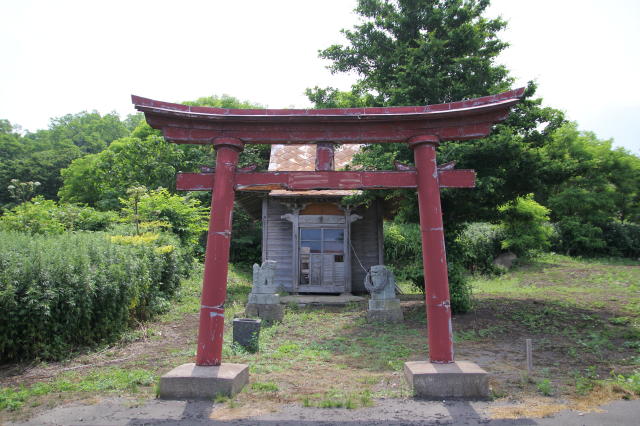
Complete Guide to Itsukishima Shrine (Suttsu-cho, Suttsu-gun, Hokkaido)
Itsukishima Shrine, located in Suttsu-cho, facing the Sea of Japan in the Shiribeshi region of Hokkaido, is a historically significant shrine dedicated to Ichikishimahime-no-Mikoto. This article provides a detailed overview of the shrine, including its history, the origin of its enshrined deity, its blessings, its annual festival, and information on access and surrounding areas for those wishing to visit.
Basic Information on Itsukishima Shrine
Location and Access
Location: 1217 Yokoma, Isoya-cho, Suttsu-cho, Suttsu-gun, Hokkaido
Phone Number: 0136-62-2231
Affiliation: Hokkaido Shrine Association
Itsukishima Shrine is located in the Yokoma district of Isoya-cho, south of the center of Suttsu-cho along the Sea of Japan coast. Suttsu-cho is a town on the Sea of Japan side, divided into Suttsu and Utasuki sides by the Shutagawa River, and has developed since ancient times, primarily through fishing.
Access
Public Transportation: Take the Niseko Bus bound for Sakaehama from Rankoshi Station on the JR Hakodate Main Line and get off at the Yokoma bus stop. The shrine is a few minutes’ walk from the bus stop. However, bus service is limited, so it is recommended to check the timetable in advance.
Private Car: Approximately 3 hours from Sapporo city via National Route 5 and National Route 229. Approximately 2 hours and 30 minutes from Hakodate via National Route 5 and National Route 229. From the center of Suttsu town, head south on National Route 229 towards Isoya town. There is parking space around the shrine, but on days when congestion is expected, such as during festivals, it is advisable to arrive early.
Deity and Origin of the Shrine
Ichikishimahime-no-Mikoto
The deity enshrined at Itsukishima Shrine is Ichikishimahime-no-Mikoto. Ichikishimahime-no-Mikoto is one of the three goddesses born from the oath (ukei) between Amaterasu-Omikami and Susanoo-no-Mikoto, and is known as one of the Munakata Three Goddesses.
Ichikishimahime-no-Mikoto has been worshipped since ancient times as a goddess of water and guardian of maritime traffic, and has been deeply revered, especially by those involved in fishing and shipping. Furthermore, due to her syncretism with Benzaiten, she also possesses aspects of a goddess of performing arts, wealth, and wisdom.
About the name “Itsukishima”
The name “Itsukishima” is also the old name for Itsukushima Shrine in Hiroshima Prefecture. Itsukushima Shrine is recorded as “Itsukishima Shrine” in the Engishiki, compiled in 927, and is known as the head shrine of approximately 500 Itsukushima Shrines throughout Japan.
The Itsukishima Shrine in Hokkaido is also a shrine connected to the Itsukushima faith, and is a valuable example demonstrating how the worship of Ichikishimahime-no-Mikoto spread to the northern lands. It is believed that during the Hokkaido pioneering period, people who migrated from Honshu brought their homeland’s faith with them and founded the shrine to pray for maritime safety and abundant catches in their new land.
History of the Shrine and Former Shrine Rank
Status as a Former Village Shrine
The Itsukishima Shrine holds the rank of a former village shrine. A village shrine is a shrine positioned as the guardian shrine of a village under the modern shrine ranking system of the Meiji era. It has gathered the faith of parishioners and local residents as a spiritual pillar of the community.
Hokkaido Development and the Establishment of Shrines
Many shrines in Hokkaido were founded in conjunction with the full-scale development of Hokkaido after the Meiji era. The Isoya-cho district of Suttsu Town, where the Itsukishima Shrine is located, was a region that prospered from fishing, primarily herring fishing. For fishermen facing the rough waves of the Sea of Japan, faith in Ichikishimahime-no-Mikoto, the goddess of the sea, was a deeply personal and essential part of their lives.
The Yokoma district is a particularly thriving fishing area within Suttsu Town, and during the spring herring fishing season, it was bustling with many fishermen and migrant workers. Itsukishima Shrine played a central role in the local community as a place where these people prayed for safety at sea and a bountiful catch.
Features of the Shrine Building and Grounds
Shrine Building Style and Size
Shrine Building Style: Gable-end construction
Shrine Building Area: 40 tsubo (approximately 132 square meters)
Grounds Area: 2,351 square meters
Gable-end construction is an architectural style where the gable end (the triangular side of the roof) is considered the front. The shrine building of Itsukishima Shrine is built to withstand the harsh climate of Hokkaido, and its design takes into account strong winds and heavy snowfall from the Sea of Japan.
The shrine grounds cover approximately 2,351 square meters, a standard size for a village shrine, providing a tranquil environment for worship.
Atmosphere of the Shrine Grounds
Located overlooking the Sea of Japan, the grounds of Itsukishima Shrine are an open space where a pleasant sea breeze blows through. On clear days, the blue sea and sky stretch out before you, creating a refreshing atmosphere befitting a shrine dedicated to the god of the sea.
In winter, the snow-covered grounds present a solemn appearance, allowing visitors to enjoy the changing scenery of the seasons. Especially at dusk, the setting sun over the Sea of Japan paints the grounds in a magical light, creating a fantastical scene.
Annual Festival and Events
Annual Festival Date
Annual Festival Date: September 16th
The annual festival of Itsukishima Shrine is held every year on September 16th. This festival is the most important ceremony for the shrine, offering gratitude to the enshrined deity and praying for the peace and prosperity of the community and its parishioners.
September marks a significant turning point in the fishing industry. It’s a time to express gratitude for safe fishing during the spring and summer months, and to pray for safety in the coming season.
Details of the Annual Festival
On the day of the annual festival, Shinto priests solemnly perform rituals. Parishioners and local residents attend, and after Shinto ceremonies such as the offering of sacred branches, it is customary for attendees to share a meal together as a celebratory feast (naorai).
While some regions may hold portable shrine processions or dedication ceremonies in conjunction with the annual festival, the annual festival at Itsukishima Shrine, though relatively simple, is an important opportunity to deepen community bonds.
Benefits and Faith
Prayer for Maritime Safety and Abundant Catch
Ichikishimahime-no-Mikoto is known as the goddess of the sea and water, and is believed to grant blessings for maritime safety and abundant catches. Suttsu Town has long been a thriving fishing town thanks to herring fishing. Fishermen traditionally visited Itsukishima Shrine before setting sail, praying for safety at sea and a bountiful catch.
Even today, people involved in fishing and shipping can be seen visiting the shrine to pray for safety at sea.
Traffic Safety
Due to its status as a guardian deity of maritime traffic, it is believed to offer blessings for safe land travel as well. Many people visit the shrine before road trips or to pray for traffic safety.
Artistic Improvement and Wealth
Because Ichikishimahime-no-Mikoto is syncretized with Benzaiten (the goddess of music, arts, and wealth), it is also believed to offer blessings for artistic improvement, academic success, and wealth. It is worshipped by those involved in music and art, as well as those seeking business prosperity.
Parishioner Area and Sphere of Faith
Number of Parishioner Households: 70 households
The parishioner area of Itsukishima Shrine is mainly centered around the Yokoma district of Isoya-cho, Suttsu-cho. While small in scale with approximately 70 parishioner households, it maintains a deeply rooted faith within the community.
Like many areas in Hokkaido, Suttsu-cho is experiencing population decline and an aging population. However, the parishioners dedicate themselves to maintaining the shrine, carefully preserving Itsukishima Shrine as a spiritual pillar of the community.
Manners and Etiquette for Worship
Basic Worship Etiquette
- Bow Before Passing Through the Torii Gate: As a sign of respect upon entering the sacred area, bow before the torii gate.
- Purify at the Water Basin: If there is a water basin, purify your left hand, then your right hand, and then your mouth.
- How to walk along the approach to the shrine: The center of the approach is considered the path of the gods, so please walk slightly to the side.
- Etiquette at the main hall: The basic procedure is two bows, two claps, and one bow. Quietly place your offering, ring the bell if there is one, bow deeply twice, clap twice, silently recite your wish, and finally bow once.
Attire for visiting the shrine
There are no specific rules, but clean attire that reflects the sacred nature of the place is desirable. For formal events such as annual festivals, a suit or formal attire is appropriate.
About Goshuin (shrine stamps)
Regarding the issuance of Goshuin at Itsukishima Shrine, since there may not be a resident priest, it is recommended to check with the Hokkaido Shrine Association or the relevant organization in Suttsu Town beforehand.
In some small shrines in Hokkaido, Goshuin are only issued during annual festivals or on special days, or may be handled by priests at other nearby shrines. Those wishing to receive a Goshuin (temple/shrine stamp) are advised to contact the temple in advance by phone (0136-62-2231).
Attractions of Suttsu Town and Surrounding Sightseeing
About Suttsu Town
Suttsu Town is located within the jurisdiction of the Shiribeshi General Subprefectural Bureau in Hokkaido, facing Suttsu Bay on the Sea of Japan coast. Known as the “Town of Wind,” it has a long history of wind power research. It also has a history of prosperity from herring fishing, and fishing remains one of its main industries today.
Nearby Tourist Spots
Benkei Cape: A representative tourist spot in Suttsu Town, this cape is associated with the legend of Minamoto no Yoshitsune and Benkei. It offers a spectacular view of the Sea of Japan and features a lighthouse and observation deck.
Kakuju Sato Residence: The former residence of a wealthy herring fisherman, this valuable building conveys the prosperity of that era.
Hashimoto Residence (Former Herring Mansion): This building dates back to the heyday of herring fishing, offering insights into the fishing and lifestyle of the time.
Futa Wind Power Plant: A wind power generation facility that could be considered a symbol of Suttsu Town. It creates a landscape unique to this windy town.
Seafood of Suttsu
Suttsu Town is a treasure trove of fresh seafood. Mackerel, squid, sea urchin, and abalone are particularly famous, and you can enjoy fresh seafood at restaurants throughout the town. When visiting Itsukishima Shrine, be sure to try Suttsu’s seafood.
Relationship with the Hokkaido Shrine Association
Itsukishima Shrine belongs to the Hokkaido Shrine Association. The Hokkaido Shrine Association is an organization that oversees shrines throughout Hokkaido, managing and maintaining shrines, training Shinto priests, and promoting Shinto culture.
The Hokkaido Shrine Association’s website contains information on shrines throughout Hokkaido, and you can also find basic information about Itsukishima Shrine there. We also accept detailed inquiries about the shrine and consultations regarding worship.
The Spread of Itsukushima Faith
Itsukushima Shrines and Itsukishima Shrines Nationwide
With Itsukushima Shrine in Hiroshima Prefecture as the head shrine, there are approximately 500 Itsukushima Shrines throughout Japan. While the spelling varies (e.g., “Itsukishima,” “Itsukushima,” “Itsukishima”), all are shrines dedicated to the three Munakata goddesses, centered around Ichikishimahime-no-Mikoto.
The Itsukishima Shrine in Hokkaido is believed to have been founded by people who migrated from Honshu and brought their homeland’s beliefs with them, demonstrating that Itsukushima faith is carefully preserved even in the distant northern lands.
The Faith of Maritime People
The faith in Ichikishimahime-no-Mikoto was essential for people who lived in harmony with the sea. Since ancient times, those involved in maritime transport and fishing have prayed to the sea god for safe voyages and abundant catches. This faith spread throughout the Japanese archipelago, even reaching as far as Suttsu Town in Hokkaido.
Recommended Seasons for Visiting the Shrine
Spring (April-June)
Spring arrives in Hokkaido with the melting snow. The fresh greenery is beautiful, and the weather is pleasant. However, April can still be chilly, so it’s recommended to bring a jacket.
Summer (July-August)
Hokkaido’s short summer is the best season for sightseeing. The blue sky and sea stretch out before you, and the refreshing sea breeze is delightful. However, the weather on the Sea of Japan side can change quickly, so don’t forget to bring rain gear.
Autumn (September-November)
September, when the annual festival is held, is a particularly recommended time to visit the shrine. You can quietly worship in the crisp autumn air. From October onwards, you can enjoy the autumn foliage, but temperatures drop, so warm clothing is necessary.
Winter (December-March)
The shrine grounds, covered in snow, are enveloped in a solemn atmosphere. The winter Sea of Japan is rough, offering a powerful view befitting a shrine dedicated to the god of the sea. However, due to snow and icy roads, winter tires or studded tires are essential.
Connections with the Community
Itsukishima Shrine, though small with only 70 parishioner households, serves as an important hub for the local community. The annual festival and other religious ceremonies provide valuable opportunities for residents to meet, reaffirm their bonds, and connect with one another.
In rural areas facing depopulation, shrines are not merely religious institutions; they play an invaluable role as places to maintain local identity and foster intergenerational exchange.
Summary
Itsukishima Shrine, located in Suttsu-cho, Suttsu-gun, Hokkaido, is a former village shrine dedicated to Ichikishimahime-no-Mikoto and is known for its blessings related to maritime safety, bountiful catches, and traffic safety. Situated on the Sea of Japan coast, it is a valuable shrine that conveys the history and culture of Suttsu, a fishing town.
The Itsukushima faith, with its head shrine at Itsukushima Shrine in Hiroshima Prefecture, has spread to as far as Hokkaido, and its continued preservation by the local people demonstrates the profound depth of Japanese religious culture.
When you visit Suttsu Town, why not pay your respects at Itsukishima Shrine and offer a prayer to the god of the sea? As you clasp your hands together in the tranquil grounds, you’ll feel a refreshing sense of peace and tranquility, accompanied by the sound of the waves of the Sea of Japan.
Nearby, there are many other attractions, such as Benkei Cape and the Herring Mansion, and you can also enjoy fresh seafood. Spend a fulfilling time in Suttsu Town, where history, nature, and delicious food come together, centering your visit around Itsukishima Shrine.