Itsukushima Shrine (Suttsu-cho, Suttsu-gun, Hokkaido) Complete Guide | History, Deities, and Access Information
Itsukushima Shrine, located in Suttsu-cho, Suttsu-gun, in the Shiribeshi region of Hokkaido, is a historic shrine that has been cherished by local residents since the Meiji era. It enshrines Ichikishima-hime no Mikoto as its deity and is known for its blessings of maritime safety, matchmaking, and the bestowal of wisdom. This article comprehensively introduces information useful for those considering visiting Itsukushima Shrine, including its detailed history, the origin of its deity, highlights within the grounds, and access methods.
Overview of Itsukushima Shrine (Suttsu-cho)
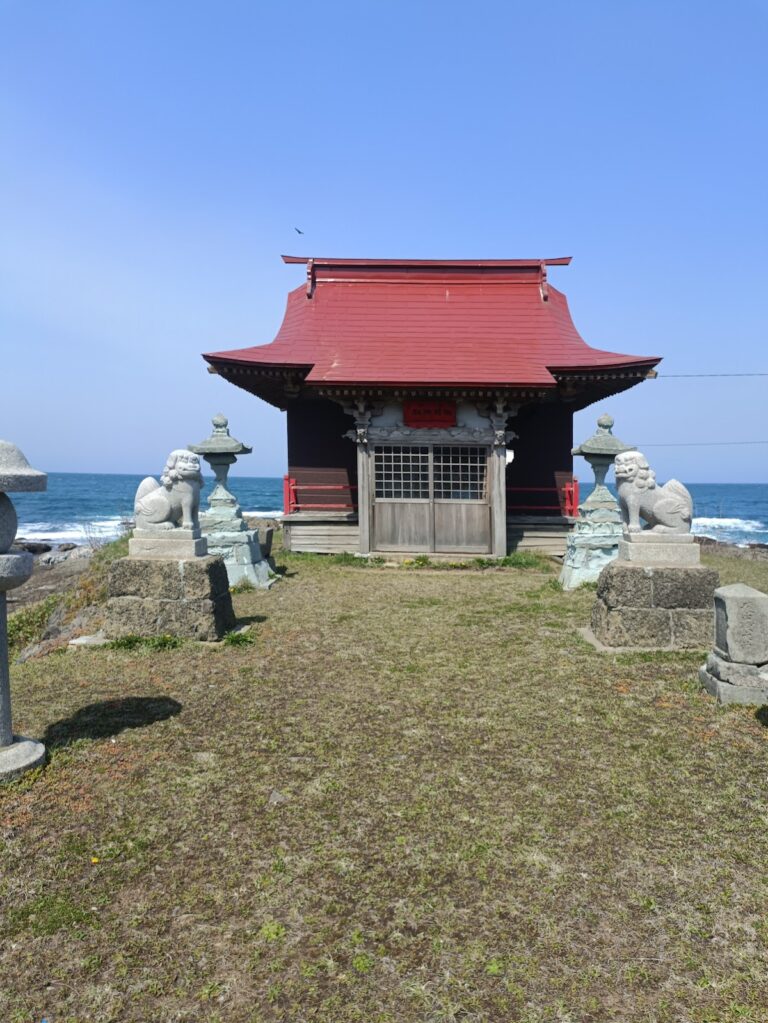
Itsukushima Shrine is located in Suttsu-cho, Suttsu-gun, within the jurisdiction of the Shiribeshi Subprefecture of Hokkaido. It is one of approximately 500 Itsukushima Shrines nationwide and belongs to a group of shrines with Itsukushima Shrine in Hatsukaichi City, Hiroshima Prefecture, as its head shrine. Located in Suttsu Town, a fishing town facing the Sea of Japan, Itsukushima Shrine has long been a place of worship for local residents praying for maritime safety and the prosperity of fishing.
Basic Information
Shrine Name: Itsukushima Shrine
Location: Suttsu Town, Suttsu District, Hokkaido
Deity Enshrined: Ichikishimahime-no-Mikoto
Former Shrine Rank: Village Shrine
Founded: Early Meiji period
Suttsu Town is located in southwestern Hokkaido, facing the Sea of Japan, and has long prospered from fishing and maritime transport. This geographical characteristic is deeply connected to the founding of Itsukushima Shrine, which enshrines Ichikishimahime-no-Mikoto, the goddess of the sea.
History of Itsukushima Shrine (Suttsu Town)
Circumstances of Founding
Itsukushima Shrine in Suttsu Town was founded in the early Meiji period. At that time, Suttsu Town was one of the important bases for the development of Hokkaido, and it was a region where many immigrants from Honshu and people involved in the fishing industry gathered. It is believed that the shrine was founded as a place of worship for people praying for maritime safety and the prosperity of the fishing industry, by inviting the deity from Itsukushima Shrine in Hiroshima.
Changes from the Arito Village Era
According to historical records, Itsukushima Shrine was initially located at No. 4 in Arito Village. However, because the shrine grounds were too small, it was moved to the back of No. 7 in the same village in 1874 (Meiji 7). This relocation reflected the development of the region and the expansion of faith at the time.
In 1876 (Meiji 9), it was officially recognized as a local shrine of Utasuki District and became “Utasuki District Local Shrine Itsukushima Shrine.” The rank of local shrine means that it was officially recognized as an important shrine in the region.
Construction and Development of the Shrine Building
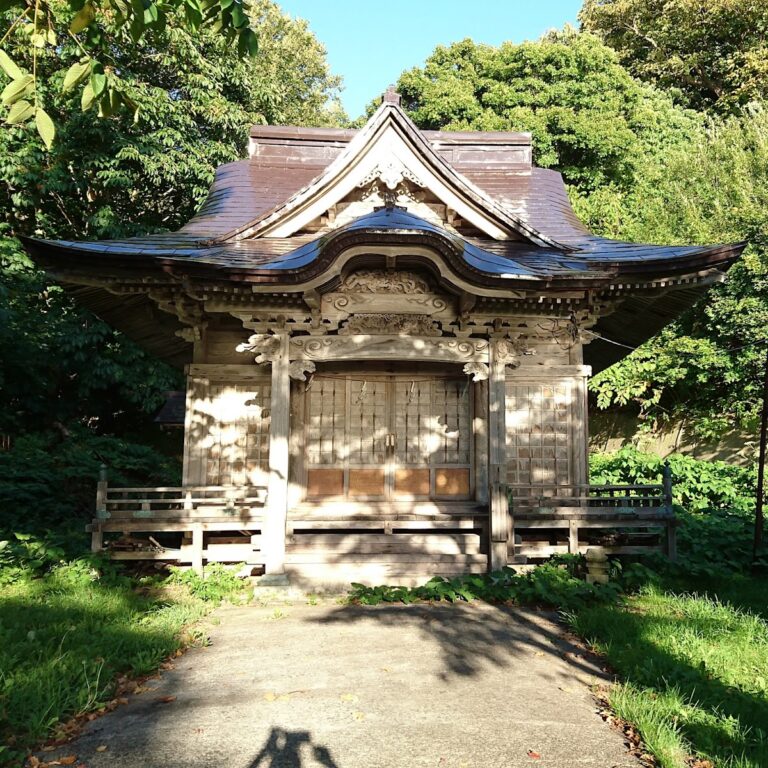
In July 1878 (Meiji 11), a new shrine building was constructed. During the pioneering era of Hokkaido, the construction of a magnificent shrine was a symbol of the unity and development of the local community.
Later, in 1913 (Taisho 2), the shrine grounds were renovated and improved, forming the foundation of the shrine as it exists today. This period was the most prosperous time for Suttsu Town as a fishing town, and the shrine played an important role as the spiritual center of the region.
About the enshrined deity: Ichikishimahime-no-Mikoto
The divine nature of Ichikishimahime-no-Mikoto
Ichikishimahime-no-Mikoto, the enshrined deity of Itsukushima Shrine, is one of the three goddesses appearing in Japanese mythology. She is a goddess born from the oath (ukei) between Amaterasu-Omikami and Susanoo-no-Mikoto, and is known as one of the three Munakata goddesses.
Ichikishimahime-no-Mikoto is worshipped as a goddess of water and the sea, and is particularly believed to possess the following divine virtues:
- Maritime Safety and Navigation: As a goddess who protects the sea, she safeguards the safety of fishermen and sailors.
- Traffic Safety: She protects the safety of travelers in general.
- Matchmaking: She is worshipped as a goddess who brings good fortune in relationships.
- Improvement in Performing Arts: As a beautiful goddess, she helps improve skills in the arts.
- Financial Fortune and Wealth: She is identified with Benzaiten and bestows wealth.
- Granting Wisdom: She is seen as a goddess who bestows wisdom.
Syncretism with Benzaiten
Due to the influence of Shinto-Buddhist syncretism, Ichikishimahime-no-Mikoto came to be identified with Benzaiten in Buddhism. Benzaiten is one of the Seven Lucky Gods and the only female deity. She is believed to possess virtues of music, eloquence, wealth, and wisdom, and this syncretism has led to a more diverse range of worship at Itsukushima Shrine.
In fishing towns like Suttsu, the belief in safety at sea and abundant catches is particularly strong, and the water deity aspect of Ichikishimahime-no-Mikoto has been highly valued.
Highlights of the Shrine Grounds
Main Hall and Worship Hall
The Itsukushima Shrine buildings were constructed and renovated during the Meiji and Taisho periods, preserving the architectural style of that time. While robust enough to withstand Hokkaido’s harsh climate, they also possess the beauty of shrine architecture.
The worship hall is used for daily worship as well as various festivals and rituals throughout the year.
Torii Gate
The torii gate, standing at the entrance of a shrine, is an important structure marking the entrance to the sacred area. The torii gate of Itsukushima Shrine in Suttsu also plays a role in guiding worshippers into a sacred space.
Natural Environment of the Shrine Grounds
Suttsu is a naturally rich area facing the Sea of Japan, and the grounds of Itsukushima Shrine also allow visitors to experience the changing seasons. Especially during the fresh greenery of spring and the vibrant autumn foliage, the shrine grounds are enveloped in the beautiful colors of nature.
Annual Festivals and Rituals
Itsukushima Shrine holds various festivals and rituals throughout the year.
Grand Festival
The Grand Festival, the most important festival of Itsukushima Shrine, is held grandly at a fixed time each year. During the Grand Festival, traditional rituals such as the portable shrine procession and offering ceremonies are performed, with all local residents participating, and the entire town is enveloped in a festive atmosphere.
New Year’s Festivals
- Saitansai: A festival held on January 1st to welcome the new year.
- Hatsumode: Many worshippers visit to pray for the new year.
Other Festivals
- Spring Festival: Celebrating the arrival of spring and praying for a bountiful harvest and regional prosperity.
- Autumn Festival: Giving thanks for the harvest and praying for a good harvest in the coming year.
- Monthly Festival: A regular festival held every month.
These festivals are important opportunities to strengthen the bonds of the local community.
About Prayers and Sacred Blessings
Itsukushima Shrine accepts various prayers and sacred blessings.
Main Prayers Offered
- Maritime Safety and Navigation: Prayers for the safety of those involved in fishing and maritime affairs
- Prayers for a Bountiful Catch: Prayers for a good catch
- Family Safety: Prayers for the health and peace of the family
- Business Prosperity: Prayers for the prosperity of the business
- Traffic Safety: Prayers for the safety of vehicles, etc.
- Exorcism: Prayers for warding off evil during unlucky years
- Matchmaking: Prayers for successful relationships
- Academic Success: Prayers for passing exams and academic improvement
- Safe Childbirth: Prayers for a safe delivery
Prayer Requests
Those wishing to request prayers are advised to contact the shrine in advance. Please note that requests may not be possible depending on the dates of festivals and religious ceremonies.
About Goshuin (Shrine Seals)
In recent years, collecting Goshuin has become a popular pastime during shrine visits. Itsukushima Shrine in Suttsu Town also offers Goshuin. Goshuin serve as proof of your visit and a tangible record of your connection with the shrine.
Those wishing to receive a Goshuin should inquire at the shrine office after their visit. However, please note that this may not be possible if the priest is absent or during festivals. Therefore, if you definitely wish to receive a Goshuin, it is recommended to contact the shrine in advance.
Access Information
Location
Address: Suttsu-cho, Suttsu-gun, Hokkaido
(It is recommended to confirm the detailed address before visiting.)
Access by Public Transportation
While driving is the most convenient way to access Suttsu Town, the following routes are available if using public transportation.
If using JR:
- Get off at Otaru Station or Oshamanbe Station on the JR Hakodate Main Line.
- Take a local bus to Suttsu Town (travel time varies depending on your starting point).
If coming from Sapporo:
- Approximately 3 hours by car from Sapporo.
- Public transportation requires transfers and takes time.
Access by Car
From Sapporo:
- Take National Route 5 towards Otaru.
- Head south on National Route 229 (Nihonkai Oiwake Soran Line).
- Travel time: Approximately 2 hours 30 minutes to 3 hours.
From Hakodate:
- Head north on National Route 5.
- From Oshamanbe Town, take National Route 229.
- Travel time: Approximately 2 hours 30 minutes.
Parking
There is parking space on the shrine grounds or nearby, but congestion is expected during festivals such as the annual grand festival. During major events, we recommend using public parking or arriving with plenty of time to spare.
Nearby Tourist Attractions
Besides Itsukushima Shrine, there are other attractive tourist spots in and around Suttsu Town.
Suttsu Onsen (Hot Springs)
Suttsu Town has hot spring facilities where you can enjoy bathing while overlooking the Sea of Japan. It’s a great place to stop by after visiting the shrine.
Benkei Cape
Benkei Cape, a representative scenic spot in Suttsu Town, is a place where the legend of Musashibo Benkei, a retainer of Minamoto no Yoshitsune, remains. You can enjoy a magnificent panoramic view of the Sea of Japan.
Suttsu Fishing Port
At Suttsu Fishing Port, where fresh seafood is landed, you can purchase local seafood and enjoy meals.
Wind Turbines
Suttsu Town is also known as a wind power generation town, and the landscape of numerous wind turbines is breathtaking.
About Suttsu Town
Town History and Characteristics
Suttsu Town is a town of approximately 3,000 people located on the Sea of Japan side of the Shiribeshi region of Hokkaido. The name “Suttsu” is believed to originate from the Ainu word “Shupki” (meaning reeds or grass).
From the Edo period, it prospered through fishing and shipping, and during the herring fishing era, it was said to be “the second most prosperous town after Esashi.” Fishing remains the main industry today, and seafood such as Atka mackerel, octopus, and sea urchins are famous.
Climate and Best Time to Visit
Suttsu Town has a Sea of Japan climate, with heavy snowfall and strong seasonal winds in winter. On the other hand, summers are relatively cool and pleasant.
Recommended Time to Visit:
- Spring (May-June): Beautiful fresh greenery and mild weather.
- Summer (July-August): The time of the annual festival, when the town is at its most vibrant.
- Autumn (September-October): Beautiful autumn foliage and delicious seafood.
Visiting in winter requires careful preparation due to snow and strong winds.
Manners and Points for Worship
Basic Worship Etiquette
- Bow before passing through the torii gate.
- Purify yourself at the water basin: Purify your left hand, right hand, and mouth in that order, and finally your left hand.
- Worship at the main hall: Two bows, two claps, and one bow.
- Be quiet on the shrine grounds: Be mindful that this is a sacred place.
Photography
Photography is generally permitted on the shrine grounds, but it may be restricted inside the main hall or during Shinto rituals. Please check with a Shinto priest if you have any questions. ### Attire
While casual attire is acceptable for visiting the shrine, if you plan to receive prayers, somewhat formal attire is recommended. Also, Suttsu Town is often windy, so please take adequate precautions against the cold, especially during winter.
The Charm of Itsukushima Shrine (Suttsu Town)
A Faith Rooted in the Community
The greatest charm of Itsukushima Shrine in Suttsu Town is that it is a place of faith deeply rooted in the community, dating back to the Meiji era. In Suttsu Town, which has developed as a fishing town, the prayers of people wishing for safety at sea and abundant catches still gather at the shrine.
A Part of Hokkaido’s Development History
The history of Itsukushima Shrine overlaps with the history of Hokkaido’s development. This shrine is the culmination of the efforts of people who migrated from Honshu during the Meiji era to establish their homeland’s faith in the northern land.
A Quiet Worship Environment
Unlike the famous tourist destination of Itsukushima Shrine in Hiroshima, Suttsu Town’s Itsukushima Shrine maintains a quiet and peaceful worship environment. For those who wish to visit a shrine in a calm and peaceful atmosphere, this is an ideal place.
Summary
Itsukushima Shrine in Suttsu-cho, Suttsu-gun, Hokkaido, is a historic shrine that has attracted the faith of local residents since the Meiji era. It enshrines Ichikishimahime-no-Mikoto and is known for its divine blessings of maritime safety, matchmaking, and the bestowal of wisdom.
Located in Suttsu-cho, a fishing town facing the Sea of Japan, the shrine has a particularly strong tradition of prayer for maritime safety and abundant catches, and continues to be a spiritual support for the community. As a valuable shrine that tells the story of Hokkaido’s pioneering history, and as a place where one can quietly and peacefully pray, it is a shrine well worth visiting.
When visiting Suttsu-cho, be sure to stop by Itsukushima Shrine and experience its history dating back to the Meiji era and the faith of the local people. Visiting while feeling the breeze of the Sea of Japan will surely be a memorable experience.
When visiting, it is recommended to check the shrine’s status and festival schedule in advance and to visit while observing proper etiquette. Especially during winter, the weather can be harsh, so please be well-prepared.