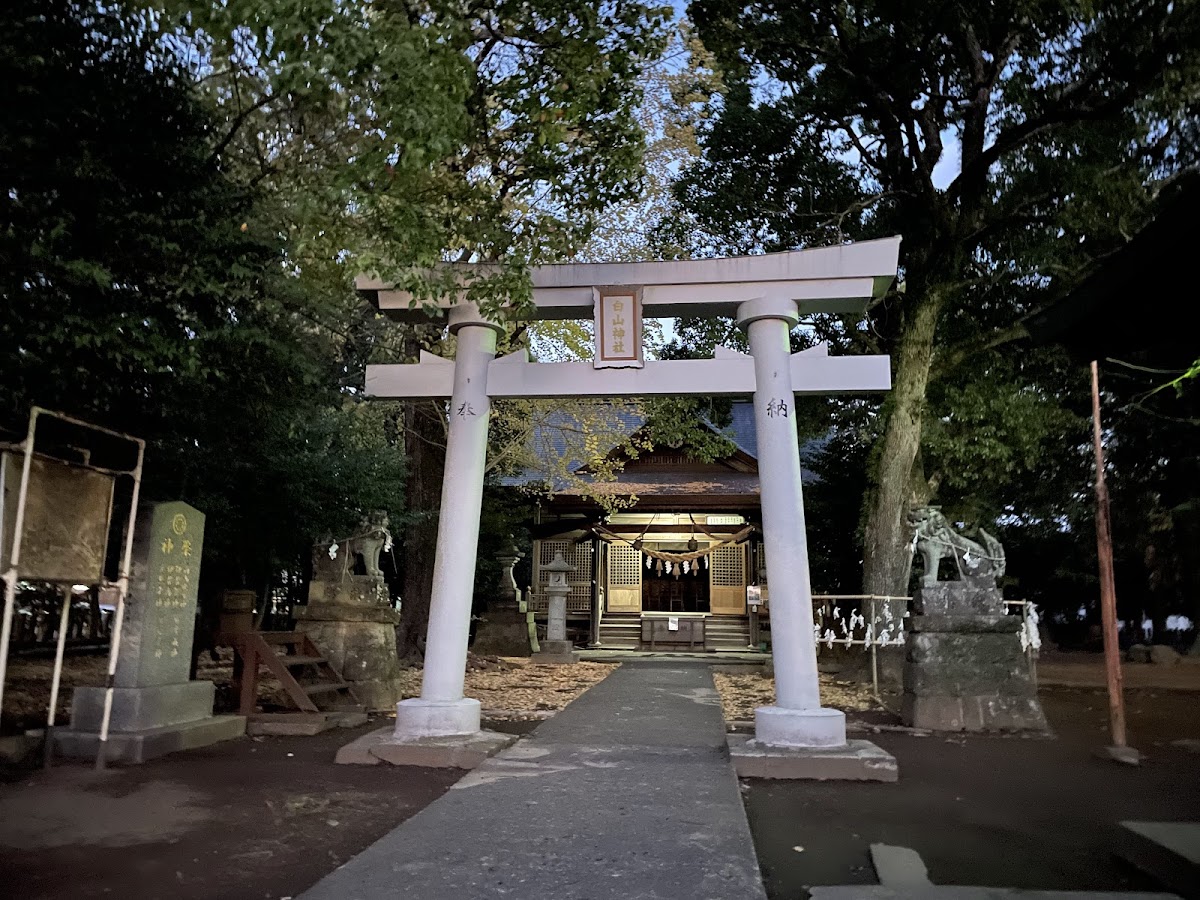
Izumi Shrine (Kumamoto Prefecture, Kumamoto City) Complete Guide | History and Blessings of the Shrine Located in Suizenji Jojuen Garden
Izumi Shrine, located within Suizenji Jojuen Garden in Chuo Ward, Kumamoto City, is a historical shrine associated with the Higo Hosokawa family, founded in the Meiji era by former samurai of the Kumamoto domain. Its grounds encompass the beautiful gardens of Suizenji Jojuen Garden, a national scenic spot and historical site, making it a popular tourist attraction in Kumamoto. This article provides a detailed overview of Izumi Shrine, including its history, enshrined deities, blessings, visiting information, and access methods.
What is Izumi Shrine? | The Higo Hosokawa Family Shrine in Suizenji Jojuen Garden
Izumi Shrine is located in Suizenji Park, Chuo Ward, Kumamoto City, Kumamoto Prefecture, and its grounds encompass Suizenji Jojuen Garden, known as a Momoyama-style strolling garden. It was founded in 1878 (Meiji 11) with the hope of restoring the Kumamoto castle town, which had been devastated by the Satsuma Rebellion.
Integration with Suizenji Jojuen Garden
The most distinctive feature of Izumi Shrine is its location within Suizenji Jojuen Garden, a nationally designated scenic spot and historical site. Suizenji Jojuen Garden began in 1636 when Hosokawa Tadatoshi, the first lord of the Higo Hosokawa clan, established a tea house there. It was completed during the reign of the third lord, Hosokawa Tsunatoshi, and is a Momoyama-style strolling garden. The landscape, modeled after the Fifty-three Stations of the Tokaido, displays beauty throughout the seasons, allowing visitors to enjoy the beautiful garden while visiting the shrine.
Former Shrine Rank and Current Status
Izumi Shrine’s former shrine rank was Prefectural Shrine, making it one of the most prestigious shrines in Kumamoto Prefecture. Even today, it maintains deep ties with the Higo Hosokawa clan and is deeply revered by local people as an important shrine that conveys the history and culture of Kumamoto.
The History of Izumi Shrine | A Wish for Recovery After the Satsuma Rebellion
The Satsuma Rebellion and the Devastation of Kumamoto Castle Town
In 1877 (Meiji 10), the Satsuma Rebellion broke out, and Kumamoto Castle town was engulfed in fierce fighting. Kumamoto Castle was besieged by the Satsuma army led by Saigo Takamori, and much of the city was burned down. The town of Kumamoto was literally reduced to a scorched wasteland, and the hearts of the people were also devastated.
The Thoughts of Former Samurai and the Founding of the Shrine
The year after the Satsuma Rebellion, in 1878 (Meiji 11), the former retainers of the Kumamoto domain sought to repay their debt of gratitude by enshrining the spirit of their lord, and to unite the hearts and minds of the people, who had been hardened by the war, through his benevolence, thereby stabilizing the people’s spirits. With a strong desire to realize the development of Kumamoto through human development and town building, they constructed a shrine in Suizenji Jojuen Garden, which had deep ties to the Higo Hosokawa family.
The founding of this shrine had a clear purpose beyond mere religious construction: the reconstruction of Kumamoto Castle town and the rebuilding of the local community. Former samurai gathered around the shrine dedicated to their feudal lords, uniting their hearts and minds to recover from the scars of war.
Development after the Meiji Era
Initially, the shrine enshrined the founder of the domain, Hosokawa Fujitaka, the second lord, Tadaoki, the third lord, Tadatoshi, and the eighth lord, Shigekata. Later, successive feudal lords and Lady Gracia, the wife of Tadaoki, were also enshrined. This strengthened Izumi Shrine’s character as a shrine dedicated to the entire Higo Hosokawa family.
Enshrined Deities | Successive Lords of the Hosokawa Family and Lady Gracia
Major Enshrined Deities
Izumi Shrine enshrines successive lords of the Higo Hosokawa family. The particularly important enshrined deities are as follows:
Hosokawa Fujitaka (Yusai)
Founder of the Higo Hosokawa family. He excelled in both literary and martial arts, and was a cultured man particularly known for his mastery of poetry and the Kokin Denju (a secret teaching of classical Japanese poetry). He was active from the Sengoku period to the early Edo period, laying the foundation for the Hosokawa family.
Hosokawa Tadaoki
The son of Fujitaka, and the second head of the family. He was a renowned warrior and also deeply knowledgeable in the tea ceremony. He sided with the Eastern Army in the Battle of Sekigahara and became a daimyo of Higo Province with a domain of 540,000 koku after the war.
Hosokawa Tadatoshi
The first lord of the Higo Hosokawa family. He entered Higo Province in 1632 and laid the foundation for the Kumamoto domain. It was Tadatoshi who established the tea house that became the origin of Suizenji Jojuen Garden.
Hosokawa Shigekata
The eighth lord of the domain. He is known as a wise ruler who carried out the Horeki Reforms, striving for financial reconstruction and domain administration reform.
Enshrinement of Lady Gracia
Hosokawa Gracia (Akechi Tamako), the principal wife of Lord Hosokawa Tadaoki, is also enshrined here. Born the daughter of Akechi Mitsuhide, she is famous as a woman who remained steadfast in her Christian faith. Her life, culminating in her tragic end after refusing to become a hostage of Ishida Mitsunari before the Battle of Sekigahara, has touched the hearts of many.
Because Lady Gracia is enshrined here, Izumi Shrine attracts many visitors praying for matchmaking and happiness for women.
Diverse Divine Blessings
Due to its character as a shrine of the samurai class, Izumi Shrine is believed to offer a variety of blessings.
Main Benefits
- Business Prosperity: Praying for business development, drawing on the wisdom of the feudal lords’ governance.
- Academic Success: Praying for academic improvement, drawing on the academic talent of Lord Hosokawa Fujitaka.
- Prayer for Success in Exams: Praying for success in entrance exams and qualification tests.
- Prayer for Safety: Praying for all kinds of safety, following the tradition of long-lasting military fortune.
- Matchmaking: Praying for good fortune in relationships, drawing on Lady Gracia.
- Traffic Safety: Praying for safety in modern means of transportation.
- Family Safety: Praying for peace and happiness for the family.
- Health and Longevity: Praying for physical and mental health and longevity.
- Protection from Misfortune: Praying for protection from disaster and a pure life.
- Prayer for Safe Childbirth: Prayers are offered for the health of mother and child and for a safe delivery.
Especially given its founding history after the Satsuma Rebellion, it is also said to offer blessings for overcoming difficulties, recovery, and reconstruction.
Highlights of the Shrine Grounds | Integrated Landscape with Suizenji Jojuen Garden
Shrine Architecture
The shrine buildings of Izumi Shrine are positioned to harmonize with the landscape of Suizenji Jojuen Garden. Both the main hall and the worship hall maintain the traditional style of shrine architecture, showcasing a beauty that blends seamlessly with the surrounding nature.
The Four Seasons of Suizenji Jojuen Garden
Suizenji Jojuen Garden, the shrine grounds, displays different expressions throughout the four seasons.
Spring: The season when cherry blossoms bloom and new greenery sprouts. The entire garden is full of vitality.
Summer: Lush green trees and pure spring water provide coolness.
Autumn: The autumn leaves color the garden, making it one of the most beautiful seasons.
Winter: The garden, enveloped in silence, displays a dignified beauty.
The Room of the Transmission of the Ancient and Modern Poems
Within Suizenji Jojuen Garden is the “Room of the Transmission of the Ancient and Modern Poems,” where Lord Hosokawa Fujitaka is said to have performed the transmission of the ancient and modern poems. The transmission of the ancient and modern poems is a ceremony in which the interpretation of the Kokin Wakashu (Collection of Ancient and Modern Japanese Poems) is secretly passed down from master to disciple. Lord Fujitaka was known as the foremost poet of his time. This historical site can also be visited in conjunction with a visit to Izumi Shrine.
Annual Events and Festivals | Festivals that Inherit Traditions
New Year’s Visit and Saitansai Festival
The Saitansai Festival is held every year on January 1st at 6:30 AM. It is an important festival to celebrate the new year and pray for a prosperous year. During the New Year’s visit period, it is bustling with many worshippers and is a popular New Year’s visit spot in Kumamoto City.
Seasonal Festivals
Izumi Shrine holds seasonal festivals, including the Spring and Autumn Grand Festivals. These festivals feature traditional performing arts, allowing visitors to experience Kumamoto’s culture and history.
Special Events
Events related to the Hosokawa family and those showcasing local traditional culture are held periodically. Please check official information for details.
Goshuin (Shrine Seal) and Goshuincho (Shrine Seal Book) Information
About Goshuin
At Izumi Shrine, you can receive a goshuin as proof of your visit. The goshuin includes the shrine’s name and the date of your visit, stamped with the shrine’s seal. Many people receive a goshuin as a memento of their visit, along with the beautiful scenery of Suizenji Jojuen Garden.
Original Goshuincho (Shrine Seal Book)
Izumi Shrine also offers original goshuincho. Featuring designs related to the Hosokawa family and Suizenji Jojuen Garden, this book allows you to experience Kumamoto’s history and culture. This is especially recommended for those who collect Goshuin (temple/shrine stamps).
Opening Hours of the Shrine Office
Goshuin, amulets, and other items are available at the shrine office. Opening hours are the same as Suizenji Jojuen Garden’s opening hours, but may change due to festivals or events, so it is recommended to check in advance.
Visiting Information | Opening Hours, Fees, and Required Time
Visiting Hours
Visiting Izumi Shrine is possible during Suizenji Jojuen Garden’s opening hours.
Opening Hours: 7:30 AM – 6:00 PM (March – October), 8:30 AM – 5:00 PM (November – February)
*Hours may vary depending on the season, so please check the latest information before visiting.
Closed Days
None (Open all year round)
However, the garden may be temporarily closed due to bad weather or other special circumstances.
Admission Fee
An admission fee is required to enter Suizenji Jojuen Garden.
- Adults (High school students and older): 400 yen
- Elementary and junior high school students: 200 yen
*Group discounts and disability discounts are available. Please check the Suizenji Jojuen Garden official website for details.
Estimated Time Required
Visiting only Izumi Shrine takes about 15-20 minutes, but if you combine it with a stroll through Suizenji Jojuen Garden, a leisurely visit should take approximately 60-90 minutes. We recommend taking your time to enjoy the scenery of each season.
Access | Directions from Kumamoto City Center
Address
8-1 Suizenji Park, Chuo-ku, Kumamoto City, Kumamoto Prefecture 862-0956 (within Suizenji Jojuen Garden)
Access by Public Transportation
Using the City Tram (Kumamoto City Tram)
- Get off at the “Suizenji Park” tram stop on the Kumamoto City Tram, approximately 3 minutes on foot
- The “Suizenji Park” tram stop is approximately 25 minutes from Kumamoto Station on the tram bound for Kengun-machi.
Using JR
- Get off at “Shin-Suizenji Station” on the JR Hohi Main Line, approximately 10 minutes on foot
Using the Bus
- Get off at the “Suizenji Park” bus stop on various routes including Kumamoto City Bus, Kumamoto Electric Railway Bus, and Sanko Bus, and it’s right there.
Access by Car
From Kumamoto City Center
- Approximately 15 minutes by car
From the Kyushu Expressway
- Exit Kumamoto IC and take National Route 57 for approximately 20 minutes.
Parking Information
Suizenji Jojuen Garden has its own parking lot.
- Capacity: Approximately 120 cars
- Parking Fee: Paid (several hundred yen per car)
*Please note that it may get crowded during peak tourist seasons and holidays, so please consider using public transportation.
Nearby Tourist Spots | Highlights in Kumamoto City
Kumamoto Castle
Located approximately 10 minutes by car and 20 minutes by tram from Izumi Shrine, Kumamoto Castle is one of Japan’s three most famous castles. Built by Kato Kiyomasa, this magnificent castle is a beloved symbol of Kumamoto. Although damaged in the 2016 Kumamoto earthquake, restoration work is underway, and the main keep is already open to the public.
Kumamoto City Museum of Contemporary Art
Located in the heart of Kumamoto City, this contemporary art museum exhibits contemporary art works from Japan and abroad. It’s about a 20-minute tram ride from Izumi Shrine.
Lake Ezu
A lake located in eastern Kumamoto City, it’s also the water source for Suizenji Jojuen Garden. Surrounded by abundant nature, it’s a great place for walks and boating. It’s about a 10-minute drive from Izumi Shrine.
Kato Shrine
A shrine dedicated to Kato Kiyomasa, located within the main enclosure of Kumamoto Castle. Along with Izumi Shrine, it’s a spot where you can feel the history of Kumamoto.
Accommodation in Kumamoto City | Hotels near Izumi Shrine
When visiting Izumi Shrine, staying in Kumamoto City allows you to enjoy sightseeing at a leisurely pace.
Suizenji Area
This area is closest to Izumi Shrine and has hotels and inns located in quiet residential areas. Staying in this area is recommended to enjoy the morning tranquility of Suizenji Jojuen Garden.
Central Kumamoto City (Toori-cho/Shimotori Area)
The bustling downtown area of Kumamoto City, with plenty of restaurants and shopping facilities. Access is excellent, with Suizenji Park just about 20 minutes away by tram. A variety of accommodations are available, from business hotels to city hotels.
Kumamoto Station Area
The area around Kumamoto Station, a stop on the Kyushu Shinkansen, is also a convenient area for accommodation. Redevelopment is progressing around the station, and the number of new hotels is increasing. Suizenji Park is about 25 minutes away by tram.
Enjoying Hot Springs
Kumamoto Prefecture has many hot spring resorts, including Kurokawa Onsen, Tsuetate Onsen, and Tamana Onsen. A trip to enjoy Kumamoto’s hot springs in conjunction with a visit to Izumi Shrine is highly recommended.
Manners and Points for Visiting Shrines
Basic Shrine Visiting Etiquette
- Bow before passing through the torii gate: Bow before entering the shrine grounds.
- Purify at the water basin: Purify your hands and mouth at the water basin.
- How to walk along the approach to the shrine: The center of the approach is considered the path of the gods, so please walk along the sides.
- Etiquette at the main hall: The basic etiquette is two bows, two claps, and one bow.
Precautions when strolling through Suizenji Jojuen Garden
- The garden is a cultural property, so please do not damage the plants or enter the pond.
- Photography is permitted, but please be considerate of other worshippers and tourists.
- Please take your trash with you or dispose of it in the designated area.
Regarding clothing
There are no particularly strict dress code regulations, but please wear clean clothing appropriate for visiting a shrine. Comfortable shoes are recommended for walking in the garden.
The charm of Izumi Shrine | A space where history and nature harmonize
The greatest charm of Izumi Shrine is that you can worship in a space where the history of Kumamoto and the beautiful nature are integrated. The aspirations of those who rose from the difficult times of the Satsuma Rebellion, the culture and traditions built by the Higo Hosokawa family, and the scenery of Suizenji Jojuen Garden, which displays the beauty of the four seasons—all of these harmonize to deeply move visitors.
When you visit Kumamoto City, be sure to visit Izumi Shrine and experience Kumamoto’s history and culture. Strolling through the beautiful garden and offering a quiet prayer will be a precious experience that allows you to forget the hustle and bustle of everyday life.
Summary | A Special Shrine Where You Can Feel Kumamoto’s History
Since its founding in 1878 (Meiji 11), Izumi Shrine has been cherished as a spiritual center for the people of Kumamoto. Beginning with a wish for reconstruction after the Satsuma Rebellion, it has become a shrine dedicated to the successive lords of the Higo Hosokawa family, conveying Kumamoto’s history and culture to the present day.
Its unique environment, encompassing Suizenji Jojuen Garden, a national scenic spot and historical site, is a special charm not found in other shrines. Izumi Shrine is associated with historical figures such as Lord Hosokawa Fujitaka and Lady Gracia, and its diverse blessings, ranging from business prosperity to matchmaking, are among the reasons it attracts many visitors.
It’s easily accessible from central Kumamoto City and can be visited in conjunction with other tourist attractions like Kumamoto Castle. It’s a shrine that can be enjoyed throughout the year for various purposes, including New Year’s visits, seasonal festivals, and collecting Goshuin (shrine stamps).
When visiting Kumamoto, why not spend some peaceful time at Izumi Shrine, reflecting on its history and enjoying the beautiful garden scenery?