
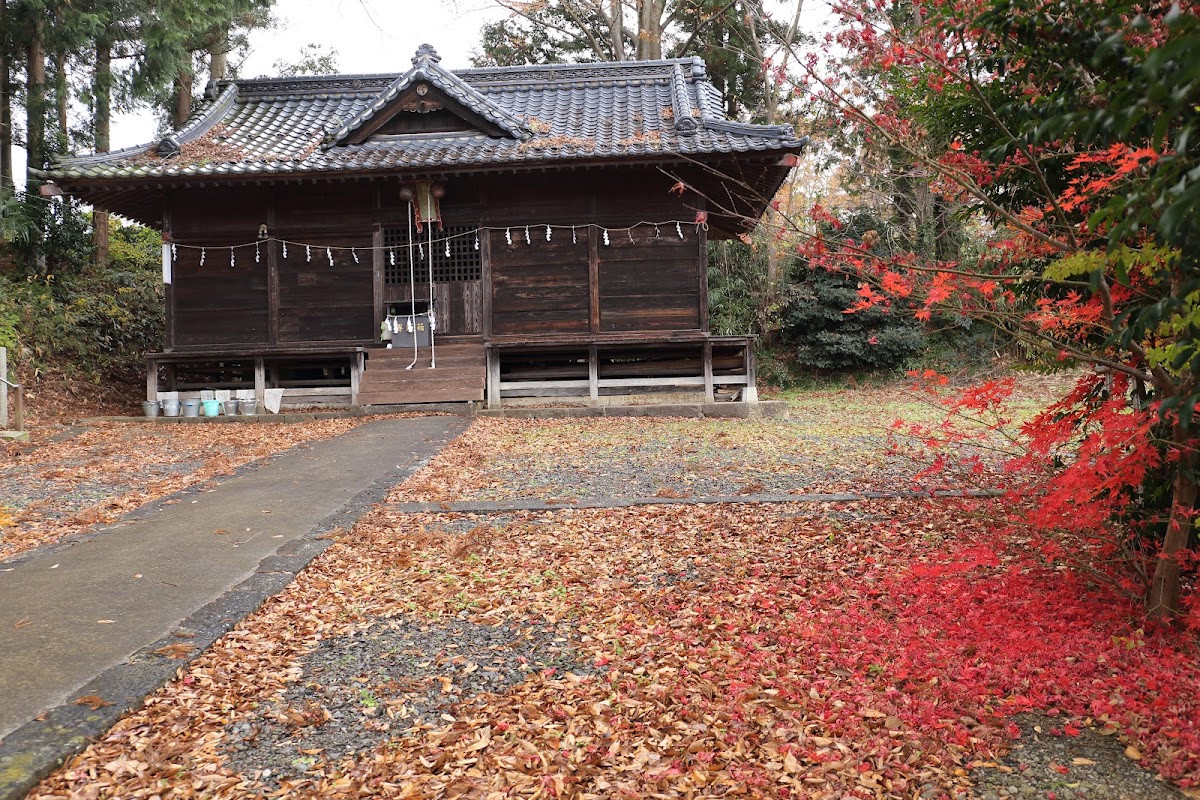
Izumo Daijingu Shrine (Fukushima City, Fukushima Prefecture) | Complete Guide to History, Goshuin (Shrine Seals), and Access
Izumo Daijingu Shrine, located in Shimizu-cho, Fukushima City, Fukushima Prefecture, is a venerable shrine with a history of approximately 800 years. It enshrines Susanoo-no-Mikoto and Ōkuninushi-no-Mikoto as its deities and has long been revered by the local people. This article provides a detailed introduction to Izumo Daijingu Shrine, including its history, enshrined deities, visiting information, and access methods.
Basic Information on Izumo Daijingu Shrine
Izumo Daijingu Shrine is located at 89 Nishiura, Shimizu-cho, Fukushima City, Fukushima Prefecture. Its former shrine rank was that of a village shrine. It is registered with corporate number 5380005000671 and is managed as a formal religious corporation.
Location and Contact Information
- Address: 89 Nishiura, Shimizu-cho, Fukushima City, Fukushima Prefecture 960-8155
- Postal Code: 960-8155
- Corporate Number: 5380005000671
- Former Shrine Rank: Village Shrine
Located in the Shimizu-cho area, slightly away from the center of Fukushima City, it sits amidst a quiet residential area. It is a shrine that has been cherished by local people for a long time as the guardian deity of the region.
Deities and Divine Virtues
Two deities are enshrined at Izumo Grand Shrine.
Susanoo-no-Mikoto
A heroic deity in Japanese mythology, known for slaying the Yamata-no-Orochi (eight-headed serpent). He is believed to have the divine virtues of warding off evil, protecting against disaster, and bringing good fortune in relationships. He possesses both a courageous and daring character, as well as an aspect as a god of waka poetry, and is revered as a god of both literary and martial arts.
Ōnamuchi-no-Mikoto
This god is also known as Ōkuninushi-no-Mikoto. He is known as the god of nation-building, and also for his divine virtues of matchmaking, business prosperity, and abundant harvests. He is also famous for the myth of the White Rabbit of Inaba, and is worshipped by many people as a god with a compassionate character.
These two gods are both Izumo-related deities, and the name of the shrine is derived from them. They are believed to have a wide range of divine virtues, including protection from evil, matchmaking, family safety, and business prosperity, and worshippers with various wishes visit the shrine.
History and Origins of Izumo Grand Shrine
The founding of Izumo Grand Shrine dates back approximately 800 years. It is a shrine with a long history, with its origins dating back to the Kamakura period.
Origin of the Shrine
Approximately 800 years ago, there was a post town called “Katahara no Shuku” in Yamahata, Hiraishi. This area flourished as a transportation hub from ancient times, a place where many travelers passed through. Izumo Daijingu Shrine is said to have been founded as the guardian deity of this region.
Shrines dedicated to Izumo deities are distributed throughout Japan, with Izumo Taisha in Shimane Prefecture as the head shrine. Several Izumo-related shrines also exist in Fukushima Prefecture. Izumo Daijingu Shrine in Fukushima City is one of them, and it is an important historical site demonstrating that Izumo faith spread to the Tohoku region.
History as a Village Shrine
Under the Meiji-era shrine ranking system, Izumo Daijingu Shrine was classified as a village shrine. A village shrine is one of the shrine rankings under the old system, referring to a shrine rooted in the local community as the guardian deity of a village. Although not a large shrine, it has played an important role as the center of faith for the local people.
Although the shrine ranking system was abolished by the post-war Shinto Directive, Izumo Grand Shrine remains a beloved local shrine, a place of worship for important life events such as New Year’s visits, Shichi-Go-San (a traditional rite of passage for children), and exorcisms.
Highlights of the Shrine Grounds
The grounds of Izumo Grand Shrine are small but enveloped in a refreshing atmosphere.
Torii Gate and Approach
A torii gate stands at the entrance to the shrine, and the approach leads to the worship hall. Passing through the torii gate, one enters a sacred space far removed from the hustle and bustle of everyday life. The approach is well-maintained, allowing for a peaceful and tranquil worship experience.
Worship Hall and Main Sanctuary
The worship hall is where worshippers offer their prayers to the gods. Beyond it is the main sanctuary, where the enshrined deity is worshipped. It boasts traditional shrine architecture and preserves the history of the region.
Atmosphere of the Shrine Grounds
The shrine grounds have a different appearance with each season. In spring, the fresh greenery is beautiful; in summer, the trees become a deep green; in autumn, the autumn leaves color the grounds; and in winter, a tranquil atmosphere envelops the area. Being able to experience the changing seasons while visiting is one of the charms of this shrine.
About Goshuin (Shrine Seals)
Goshuin can be obtained at Izumo Grand Shrine. Goshuin are popular among many visitors as proof of their visit and as a tangible memento of their connection to the shrine.
Issuing Goshuin
Goshuin are issued at the shrine office. However, as it is a small shrine, the office is not always open. If you wish to receive a goshuin, it is recommended to check the visiting hours in advance.
About Goshuincho (Shrine Seal Books)
When receiving a goshuin, please bring your goshuincho. Goshuincho can be purchased at shrines and temples, as well as at bookstores and stationery stores. Please check during your visit whether Izumo Grand Shrine has its own original goshuincho. ### Manners for Visiting Shrines and Obtaining Goshuin Stamps
Goshuin stamps are not merely stamps; they are proof of your visit. Always complete your prayers before receiving a goshuin stamp. Also, be polite to the shrine staff and have the offering (generally around 300-500 yen) ready for a smoother experience.
Information for Visitors
Here is some useful information to know about visiting Izumo Grand Shrine.
Visiting Hours
You can generally visit the shrine grounds freely. However, the shrine office’s operating hours may be limited, so it is recommended to check in advance if you wish to receive a goshuin stamp or prayer.
Etiquette for Visiting Shrines
The basic etiquette for visiting a shrine is as follows:
- Bow Before Passing Through the Torii Gate: As a sign of respect before entering the sacred area, bow before the torii gate.
- Walk along the edge of the approach to the shrine: The center of the approach is considered the path for the gods, so it is proper etiquette to walk along the edge.
- Purify yourself at the water basin: If there is a water basin, purify your left hand, then your right hand, then your mouth.
- Worship at the main hall: The basic ritual is two bows, two claps, and one bow. If there is a bell, ring it before praying.
- Bow when leaving: When leaving through the torii gate, turn around and bow once.
Annual Events
Izumo Grand Shrine holds various festivals throughout the year. These include New Year’s visits, Setsubun festivals, and the annual grand festival, which are traditional local events. You can check the dates of major festivals on local bulletin boards or in Fukushima City’s tourist information.
Access Information
Here’s how to access Izumo Grand Shrine.
Access by Public Transportation
From JR Fukushima Station:
- Take a bus from the east exit of Fukushima Station
- Take a bus bound for Shimizu-machi
- A few minutes’ walk from the nearest bus stop
You can access the shrine using local bus routes within Fukushima City, but since the number of buses may be limited, it is recommended to check the timetable in advance.
Access by Car
From the Tohoku Expressway:
- Approximately 20-30 minutes by car from Fukushima-Nishi IC or Fukushima-Iizaka IC
- Head towards Fukushima city center and proceed to the Shimizu-machi area
Car Navigation Settings:
- Address: 89 Nishiura, Shimizu-machi, Fukushima City, Fukushima Prefecture
- Search using postal code: 960-8155
Parking Information
As this is a small shrine, it is recommended to check in advance whether there is a dedicated parking lot and how many spaces are available. Since the surrounding area is residential, please avoid street parking and be considerate of the neighbors.
Landmarks in the Surrounding Area
Shimizu-cho is located in the northwestern part of Fukushima City and is a residential area. There are public facilities such as the Shimizu Learning Center nearby, which can serve as landmarks when asking locals for directions.
Izumo-related Shrines in Fukushima Prefecture
Besides Izumo Grand Shrine, there are several other Izumo-related shrines in Fukushima Prefecture.
Izumo Taisha Aizu Branch Shrine (Kitakata City)
Located in Kitakata City, Izumo Taisha Aizu Branch Shrine is the only official branch shrine in Fukushima Prefecture that enshrines a divided spirit of Okuninushi-no-Okami from Izumo Taisha in Shimane Prefecture. It was founded in 1888 by Senge Sonfuku, the 80th Kuni-no-Miyatsuko and the first head priest of the Izumo Taisha sect. Affectionately known as “Izumo-san of Aizu,” it attracts many worshippers seeking blessings for matchmaking.
Izumo Shrine (Teraminami, Kitakata City)
Izumo Shrine, located in Teraminami, Kitakata City, was originally a Sōsha Shrine (a type of shrine dedicated to the local deities) with Ōyamatsumi-no-kami and Haniyamahime-no-kami as its principal deities. In 1871 (Meiji 4), it was renamed Izumo Shrine, and the principal deity became Ōkuninushi-no-mikoto. It is an important shrine that conveys the history of the region.
Other Izumo-related Shrines
Throughout Fukushima Prefecture, there are numerous Izumo-related shrines scattered throughout the region, including Inawashiro Town and Date City. These are valuable cultural assets demonstrating the spread of Izumo faith to the Tohoku region, each possessing its own unique history and tradition.
Relationship between Izumo Daijingu and Izumo Taisha
Many people may wonder about the relationship between “Izumo Daijingu” and Izumo Taisha in Shimane Prefecture.
Spread of Izumo Faith
Izumo faith, with Izumo Taisha as its head shrine, spread throughout Japan from ancient times. Shrines dedicated to Ōkuninushi-no-Mikoto (Ōnamuchi-no-Mikoto) as their principal deity exist throughout Japan, each serving as a center of local faith.
The Position of Izumo Daijingu in Fukushima City
Izumo Daijingu in Fukushima City has a history of approximately 800 years as a shrine dedicated to Izumo-related deities, but it is not a direct branch shrine of Izumo Taisha in Shimane Prefecture. It is a shrine that has developed as a unique local faith.
On the other hand, Izumo Taisha Shakutsu Bunreisha in Kitakata City is the only branch shrine in Fukushima Prefecture that officially received a divided spirit from Izumo Taisha, and the two differ in character.
Differences from Izumo Daijingu in Kyoto
There is also a shrine called “Izumo Daijingu” in Kameoka City, Kyoto Prefecture, which is famous as the Ichinomiya (first-ranked shrine) of Tanba Province. This shrine enshrines Ōkuninushi-no-Mikoto and Mihotsuhime-no-Mikoto as its principal deities and is known nationwide as a shrine for matchmaking. It is a different shrine from Izumo Daijingu in Fukushima City, so care should be taken not to confuse them.
The Charms of the Shimizu-cho Area
The Shimizu-cho area, where Izumo Grand Shrine is located, is a quiet residential area within Fukushima City.
Regional Characteristics
Shimizu-cho is located in the northwestern part of Fukushima City and offers a peaceful living environment. It is an old residential area with a well-established community.
Nearby Tourist Attractions
Fukushima City boasts many tourist attractions, including Iizaka Onsen, Hanamiyama Park, and the Fukushima Prefectural Museum of Art. You can enjoy the charms of Fukushima City in conjunction with a visit to Izumo Grand Shrine.
Visiting Shrines in Fukushima City
Besides Izumo Grand Shrine, Fukushima City has many other shrines. Visiting shrines such as Fukushima Inari Shrine, Gokoku Shrine, and Haguro Shrine, each with its own unique characteristics, allows you to gain a deeper understanding of Fukushima’s history and culture.
Points to Note and Manners When Visiting
We have summarized points to note when visiting Izumo Grand Shrine.
Regarding Attire
While there are no specific dress code requirements for visiting a shrine, it is advisable to dress appropriately, respecting the sacred nature of the place. Avoid overly revealing clothing or overly casual attire such as sandals.
Regarding Photography
Photography is generally permitted within the shrine grounds, but please refrain from taking photos in the main hall or other sacred areas, or obtain permission beforehand. Please also be considerate of other visitors.
Consideration in Residential Areas
Izumo Grand Shrine is located within a residential area, so consideration for surrounding residents is necessary during your visit. Please avoid speaking loudly or parking illegally on the street.
Bringing Pets
Some shrines prohibit pets. If you wish to bring your pet, it is recommended to check in advance.
Frequently Asked Questions
When can I get a Goshuin (shrine stamp) at Izumo Grand Shrine?
Goshuin are given during the shrine office’s opening hours. As it is a small shrine, they may not always be available. If you want to be sure to receive a Goshuin, it is recommended to inquire in advance.
Is there parking available?
Please check in advance regarding the availability of a dedicated parking lot. Since the surrounding area is residential, please avoid street parking and be considerate of the neighbors.
What is its relationship to Izumo Taisha in Shimane Prefecture?
Izumo Daijingu in Fukushima City is a shrine dedicated to Izumo deities, but it is not a direct branch of Izumo Taisha in Shimane Prefecture. It is an independent shrine with a history of approximately 800 years.
Can I visit for New Year’s prayers or Shichi-Go-San (a traditional Japanese rite of passage for children)?
As the local guardian shrine, you can visit for New Year’s prayers, Shichi-Go-San, and exorcism. If you wish to have a prayer ceremony, we recommend contacting the shrine in advance to arrange a date and time.
Is it easily accessible?
It is accessible by bus from Fukushima Station, but the number of buses may be limited. Access by private car is more convenient. Please enter the address or postal code into your car navigation system.
Summary: The Charm of Izumo Grand Shrine
Located in Shimizu-cho, Fukushima City, Fukushima Prefecture, Izumo Grand Shrine is a venerable shrine with a history of approximately 800 years. It enshrines Susanoo-no-Mikoto and Ōkuninushi-no-Mikoto, deities of the Izumo lineage, and is believed to offer divine blessings for protection against misfortune, matchmaking, and family safety.
While maintaining the status of a village shrine, its charm lies in its friendly and approachable atmosphere rooted in the local community. Situated in a quiet residential area, it provides a peaceful environment for worship.
When visiting Fukushima City, be sure to visit Izumo Grand Shrine. A visit to this shrine with its long history will soothe your mind and give you renewed energy. If you wish to receive a Goshuin (shrine stamp), it is recommended to check the shrine office’s operating hours beforehand.
There are many other Izumo-related shrines in Fukushima Prefecture. Visiting shrines with their own unique characteristics, such as Izumo Daishaku Shinju, will allow you to gain a deeper understanding of Fukushima’s history and culture. Why not rediscover the charm of Fukushima by visiting its shrines?


