Joeiji Temple (Kamakura City, Kanagawa Prefecture) Complete Guide | The History and Highlights of the Botamochi Temple
Located in Omachi, Kamakura City, Kanagawa Prefecture, Joeiji Temple is an ancient Nichiren Buddhist temple known affectionately as the “Botamochi Temple.” Situated on a quiet side street, slightly removed from the hustle and bustle of Kamakura, this temple has attracted the faith of many people for over 700 years due to a heartwarming anecdote about Nichiren Shonin and an elderly nun. This article provides a detailed guide to Joeiji Temple, including its history, legends, highlights, and visiting information—everything you need to know before visiting.
Basic Information about Joeiji Temple
Official Name: Eunzan Joeiji Temple
Alternative Names: Botamochi Temple
Address: 1-12-11 Omachi, Kamakura City, Kanagawa Prefecture 248-0007
Phone Number: 0467-22-4570
Sect: Nichiren Buddhism
Mountain Name: Eunzan
Principal Image: The Three Treasures
Founder: Nissho Shonin
Founder of the Temple: Nichiyu Ni
Year of Establishment: Keicho 11 (1606)
Visiting Hours: 6:00 AM – 4:30 PM (Temple grounds are freely accessible)
Goshuin (Temple Stamp) Reception Hours: 11:00-12:00, 13:00-15:00
Admission Fee: Voluntary donation (Free)
History of Jōei-ji Temple
Origins in the Time of Minamoto no Yoritomo
The history of Jōei-ji Temple dates back to the Kamakura period. It is said that this site originally had a viewing platform (sajiki) built by Minamoto no Yoritomo, the first shogun of the Kamakura shogunate, to view Yuigahama Beach from afar. A sajiki is a viewing platform built on high ground, and it is said that Yoritomo gazed upon the beautiful scenery of Sagami Bay from here.
Afterward, this site was maintained for a long time as a hermitage, serving as a quiet place of training for monks and believers. This place, which existed as a hermitage for approximately 400 years from the Kamakura period to the early Edo period, was formally developed into a temple only in the Edo period.
Formal Founding in the Edo Period
In 1606 (Keicho 11), Nichiyu-ni, the daughter of Mizuno Shigeyoshi, a chief retainer of the Kishu Tokugawa family, founded the temple. She invited Nichisho Shonin, the 14th head priest of Ikegami Honmonji Temple, to be its founding abbot, and the temple was formally established. Nichiyu-ni was a nun deeply devoted to the Nichiren sect, and it is believed that she was deeply moved by the legend of the “Nun of the Box Seat” passed down in this area, and built the temple to pass on its spirit to future generations.
Nichisho Shonin, the founding abbot, is known as a high-ranking priest of the Nichiren sect and trained many disciples. Since its founding, Joei-ji Temple has also functioned as a training ground for the Nichiren sect, and many monks trained here for centuries.
Development in Modern Times
Throughout the Edo period, Joei-ji Temple developed as a center of local faith. It escaped destruction during the anti-Buddhist movement after the Meiji Restoration and continues to preserve its Buddhist traditions to this day. During World War II, Kamakura was also threatened by air raids, but fortunately, Joei-ji Temple escaped major damage and has preserved its valuable cultural assets and historical sites to this day.
Even today, Joei-ji Temple is affectionately known as “Botamochi Temple” by locals and tourists alike, and it continues traditional events such as the “Botamochi Memorial Service” held every September 12th.
The Origin of “Botamochi Temple” and the Legend of the Tatsunokuchi Persecution
Nichiren Shonin and the Tatsunokuchi Persecution
The reason Joei-ji Temple came to be called “Botamochi Temple” lies in a moving story involving Nichiren Shonin and an elderly nun.
On September 12, 1271 (Bun’ei 8), Nichiren Shonin was arrested by the shogunate, paraded through the streets of Kamakura, and then sent to the execution grounds of Tatsunokuchi, now Katase, Fujisawa City. This incident, known as the “Tatsunokuchi Persecution,” is considered a significant event in the history of the Nichiren sect.
The reason for Nichiren Shonin’s arrest was his harsh criticism of the shogunate and other religious sects. In particular, his “Rissho Ankoku Ron” (Treatise on Establishing Righteousness and Securing the Peace of the Nation), in which he criticized other sects as heretical and predicted national disaster, angered the shogunate.
The Compassion of the Nun in the Viewpoint
An elderly nun living in the area witnessed Nichiren Shonin heading to the execution grounds. Seeing him walking exhausted in the scorching summer sun, the nun felt deep sympathy and respect.
The nun hurried back home and prepared homemade botamochi (rice cakes) to offer to Nichiren Shonin. For Nichiren Shonin, facing execution, this warm gesture from the nun demonstrated the power of human compassion and faith. It is said that Nichiren Shonin accepted the rice cakes and was deeply grateful for the kindness of the elderly nun.
This elderly nun became known as “Sajiki no Ama” (the nun of the viewing platform), and her compassionate act was passed down through generations.
A Miraculous Survival
Afterward, Nichiren Shonin was to be executed at the Tatsunokuchi execution grounds, but a miraculous phenomenon occurred. At the moment of execution, a shining object suddenly appeared in the sky, illuminating the entire execution grounds. Astonished by this miraculous event, the executioners stopped the execution, and Nichiren Shonin’s life was saved.
This “Tatsunokuchi Persecution” is considered one of the most important miraculous events in the Nichiren sect and is revered as proof of the correctness of Nichiren Shonin’s teachings. The warmth of the rice cakes he received from Sajiki no Ama before his execution must have been deeply etched in Nichiren Shonin’s heart.
The Legacy of Legend
This moving anecdote was a major motivation for Nichiyu-ni when she founded the temple during the Edo period. To pass on the compassionate actions of the nun in the viewing box to future generations and to carry on her spirit, Joei-ji Temple was built on this site. Since then, Joei-ji Temple has been affectionately known as “Botamochi Temple” and has become a place visited by many worshippers.
Even today, the “Botamochi Memorial Service” is held every year on September 12th, a ceremony commemorating the compassion of the nun in the viewing box and the teachings of Nichiren Shonin.
Highlights and Grounds Guide of Joei-ji Temple
Main Hall and the Three Treasures and Founders
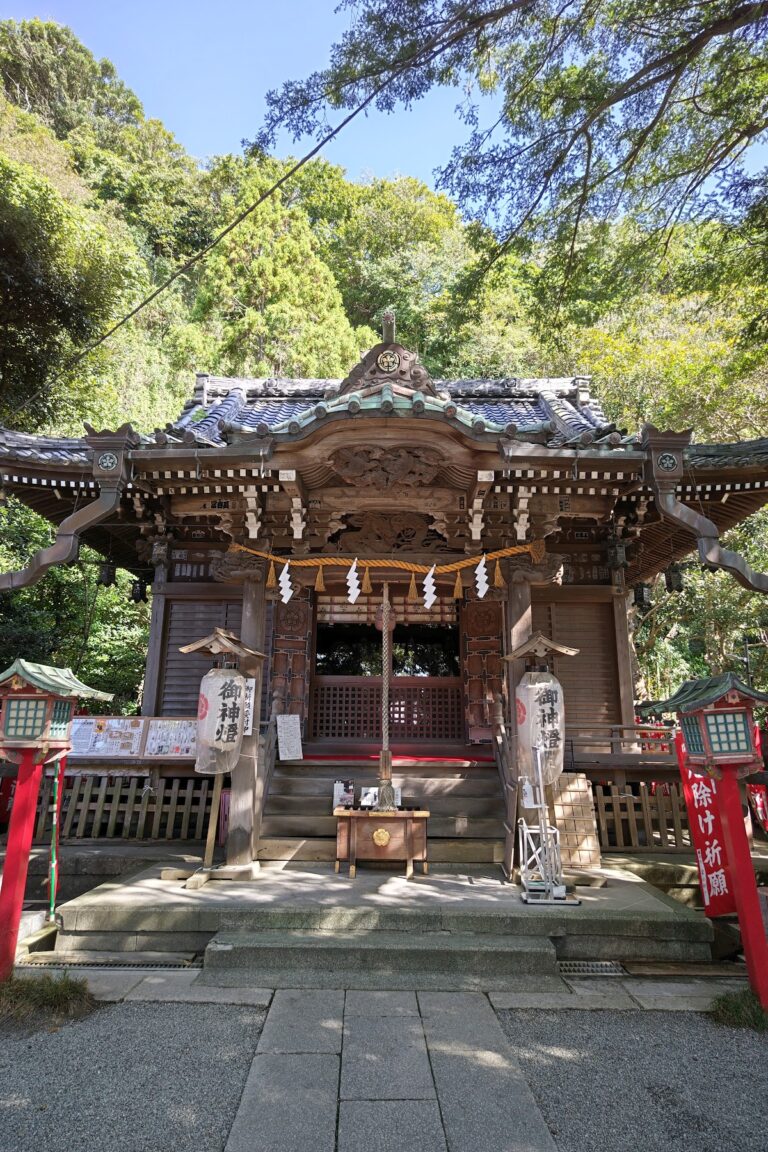
The main hall of Joei-ji Temple is a charming building that retains the architectural style of the Edo period. The principal image enshrined there is the Three Treasures and Founders, the central Buddhist statues of Nichiren Buddhism. While the interior of the main hall is usually closed to the public, its solemn atmosphere can be felt even from the exterior.
In front of the main hall, there is an offering box where worshippers can offer prayers, and many believers and tourists visit to offer their prayers. It is especially crowded on September 12th, the day of the “Botamochi Memorial Service.”
Graves of Sajiki-ni and Saemon-no-jo Yushin
Within the temple grounds are the graves of Sajiki-ni and Saemon-no-jo Yushin. Saemon-no-jo Yushin is said to have been Sajiki-ni’s husband, and the couple is said to have supported Nichiren Shonin.
These graves are important historical sites that tell the history of Joei-ji Temple, and many worshippers offer their prayers. The gravestones are weathered, but this only enhances the sense of their long history and leaves a deep impression on visitors.
Tsukamoto Ryusai Poetry Monument
Within the temple grounds stands a monument inscribed with a poem by Tsukamoto Ryusai, a poet from the Edo period. Ryūsai was a literary figure who loved Kamakura, and it is said that he was so impressed by the tranquil atmosphere of Jōei-ji Temple that he composed a poem about it.
The monument inscribed with Ryūsai’s waka poem is a must-see spot for literature lovers and history buffs.
Flowers of the Four Seasons
Jōei-ji Temple is also known as a temple where you can enjoy flowers of the four seasons. Beautiful flowers adorn the temple grounds, especially during the following seasons:
Spring (February-March): Plum blossoms are in full bloom. Plum trees planted around the main hall bloom with white and pink flowers, announcing the arrival of early spring. The fragrance of plum blossoms fills the temple grounds, soothing visitors.
Spring (April-May): Iris flowers bloom. Iris is a plant that prefers shade, making it a perfect flower for the quiet grounds of Jōei-ji Temple. Delicate white flowers with purple and yellow markings bloom in clusters along the stone steps and in the shade of trees.
While these flowers are smaller in scale compared to those at other famous temples in Kamakura, their charm lies in the peaceful environment in which they can be admired at leisure.
The Serene Atmosphere of the Temple Grounds
The greatest charm of Jōei-ji Temple lies in its tranquil atmosphere. Despite being within walking distance of Kamakura Station, it is rarely crowded with tourists and is known as a “hidden gem” where one can pray in peace.
The temple grounds, though small, are meticulously maintained, and the stone-paved path and moss-covered steps evoke a sense of history. It is the perfect place for those who want to forget the hustle and bustle of the city and offer prayers in quiet contemplation.
Information on Goshuin (Temple Seals)
Goshuin (temple seals) are available at Jōei-ji Temple. The seals are written in a powerful calligraphic style characteristic of Nichiren Buddhist temples, and bear the mountain name “Keunzan” and the temple name “Jōei-ji.”
Goshuin (temple stamp) Reception Hours: 11:00 AM – 12:00 PM, 1:00 PM – 3:00 PM
Donation Fee: Approximately 300 yen (voluntary donation)
When receiving a goshuin, it is recommended to have your goshuincho (stamp book) ready beforehand for a smoother experience. Since the temple office may be unattended, it is best to visit within the reception hours.
The goshuin sometimes features a stamp of “Botamochi-dera” (rice cake temple), making it a popular and unique stamp from this temple. When visiting temples and shrines in Kamakura, be sure to collect the goshuin from Joei-ji Temple as well.
Access Information
Access by Train
Nearest Station: JR Yokosuka Line/Enoshima Electric Railway “Kamakura Station”
Travel Time from Kamakura Station: Approximately 10 minutes on foot
Route from Kamakura Station East Exit:
- Exit Kamakura Station East Exit and head towards Tsurugaoka Hachimangu Shrine.
- Walk a short distance along Wakamiya-oji Street and turn left before Honkaku-ji Temple.
- Enter the residential area of Omachi and proceed along the quiet alleys.
- Follow the signs, and you will see the entrance to Joei-ji Temple on your left.
The route is relatively easy to follow, but since it is located in a residential area, we recommend using a map app if you are visiting for the first time.
Access by Car
Joei-ji Temple does not have its own parking lot. If you are visiting by car, you will need to use a paid parking lot near Kamakura Station and walk from there.
The roads in Kamakura are narrow, and traffic congestion is common on weekends and during tourist seasons, so we strongly recommend using public transportation.
Combining Visits to Surrounding Temples and Shrines
Joeiji Temple is located in the Kamakura Station East Exit area, and there are many temples and shrines in the surrounding area. The following temple and shrine pilgrimage course is recommended:
Recommended Course:
- Start at Kamakura Station East Exit
- Honkakuji Temple (5-minute walk)
- Joeiji Temple (3-minute walk)
- Myohonji Temple (5-minute walk)
- Anyoin Temple (10-minute walk)
This course allows you to visit the major temples in eastern Kamakura in about half a day.
Manners and Precautions for Visiting
Basic Manners for Visiting
Joeiji Temple is an active religious facility and a place of worship for the local community. Please observe the following manners when visiting.
- Silence: Please be quiet on the temple grounds and refrain from loud conversations.
- Photography: Please refrain from taking photographs inside the main hall or of other visitors without permission.
- Attire: Please avoid overly revealing clothing and dress appropriately for your visit.
- Smoking and Eating: Please refrain from smoking or eating on the temple grounds.
- Garbage: Please take all your trash with you.
Points to Note When Visiting
- The temple office may be unattended. If you wish to receive a Goshuin (temple stamp), please visit during reception hours.
- The temple grounds are small, so please be considerate of other visitors when visiting in groups.
- The stone steps can become slippery in rainy weather, so please watch your step.
- In summer, there are many mosquitoes and other insects, so insect repellent is recommended.
Recommended Spots Around Joei-ji Temple
Honkaku-ji Temple
A Nichiren Buddhist temple located a 3-minute walk from Joei-ji Temple. Known for its “Ebisu Festival,” it is bustling with many worshippers during the New Year. It is also called “Higashi Minobu” because it temporarily housed the remains of Nichiren Shonin.
Myohonji Temple
A 5-minute walk from Joeiji Temple. One of Kamakura’s largest Nichiren Buddhist temples, known for its connection to the Hiki clan. The vast grounds feature a magnificent main hall and founder’s hall, and visitors can enjoy the changing seasons.
Anyoin Temple
A Jodo Buddhist temple located a 10-minute walk away. Known for its connection to Hojo Masako, it attracts many tourists in spring for its beautiful azaleas.
Tsurugaoka Hachimangu Shrine
A 10-minute walk from Kamakura Station, and about a 15-minute walk from Joeiji Temple. A representative shrine of Kamakura, it is a symbolic landmark of Kamakura, founded by Minamoto no Yoritomo.
Komachi Street
A shopping street located right outside the east exit of Kamakura Station. This area, lined with restaurants and souvenir shops, is a bustling center of Kamakura tourism. It’s perfect for meals and shopping after visiting the temple.
Annual Events
Botamochi Memorial Service (September 12th)
The most important annual event at Joei-ji Temple is the “Botamochi Memorial Service,” held every year on September 12th. This day commemorates the day Nichiren Shonin suffered the Tatsunokuchi Persecution and the day when the nun of the viewing platform offered botamochi (rice cakes).
Botamochi are sometimes served to worshippers during the service, attracting many believers and tourists. Visiting on this day will allow you to feel the history and legends of Joei-ji Temple more deeply.
Other Events
As a Nichiren Buddhist temple, the temple also holds religious ceremonies such as the Oeshiki. For detailed dates, it is recommended to inquire with the temple in advance.
Summary of Joei-ji Temple’s Charms
Among the many temples in Kamakura, Joei-ji Temple is a temple with particularly heartwarming stories. The legend of Nichiren Shonin and the nun in the viewing box conveys the power of faith and the importance of human compassion to the present day.
In Kamakura, a famous tourist destination, Joei-ji Temple maintains a relatively quiet and peaceful atmosphere, making it an ideal place for those who wish to visit at a leisurely pace. Its convenient location, within walking distance of Kamakura Station, is another attractive feature.
While affectionately known as “Botamochi Temple,” it boasts a deep history and a moving story. When visiting Kamakura, be sure to visit Joei-ji Temple and experience the compassionate spirit of over 700 years ago.
Joei-ji Temple is especially recommended for those collecting temple stamps, those interested in Nichiren Buddhist temples, those seeking tranquility in a quiet temple, and those looking for a hidden gem in Kamakura. Joei-ji Temple is a small but memorable and special temple.