Joganji Temple (Kamigyo Ward, Kyoto Prefecture) Complete Guide | History, Goshuin (Temple Seal), and Access Information
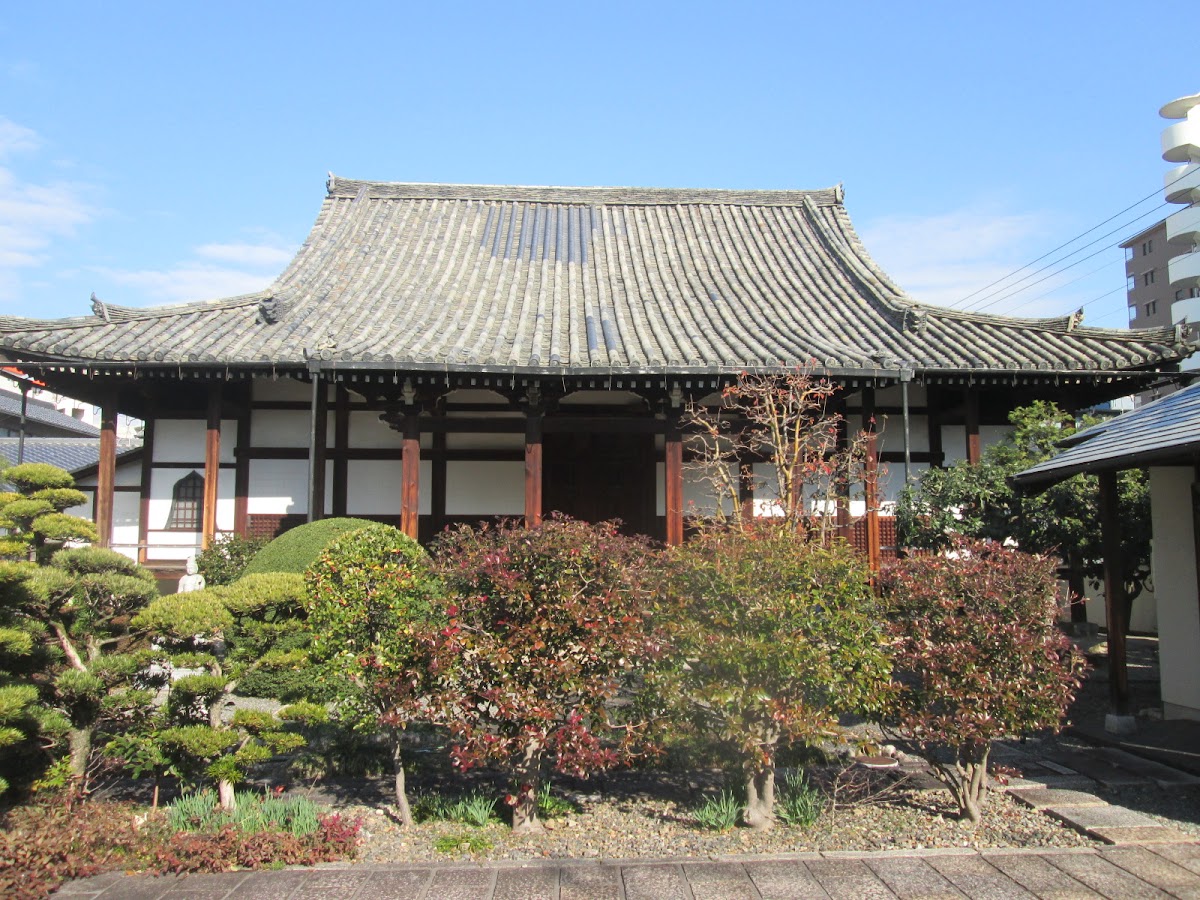
Located along Ichijo-dori in Kamigyo Ward, Kyoto City, Joganji Temple is a historic temple belonging to the Jodo sect. Known as the 29th temple of the Inui Thirty-Three Kannon Pilgrimage, this temple, which enshrines Kannon Bodhisattva and Jizo Bodhisattva, maintains a tranquil environment for worship while being within walking distance of Kitano Tenmangu Shrine. This article provides detailed information useful for visiting Joganji Temple, including its history, characteristics of faith, goshuin information, and access methods.
Basic Information on Joganji Temple
Joganji Temple is a Jodo sect temple located at 22 Nishimachi, 3-chome, Nishiiri, Ichijo-dori, Kamigyo Ward, Kyoto City, Kyoto Prefecture.
Location and Contact Information
- Address: 22 Nishimachi, 3-chome, Ichijo-dori, Gozen-dori Nishi-iri, Kamigyo-ku, Kyoto City, Kyoto Prefecture 602-8367
- Phone Number: 075-462-2666
- Sect: Jodo-shu (Pure Land Buddhism)
- Pilgrimage Site: No. 29 of the Inui Thirty-Three Kannon Pilgrimage
- Chief Priest: Mikiya Fujii
Temple Characteristics
Joganji Temple is located south of Kitano Tenmangu Shrine, facing Ichijo-dori Street. Ichijo-dori Street is also known as “Ichijo Yokai Street” and is an area associated with Heian period yokai legends. Directly across from Joganji Temple is Taishogun Hachijinja Shrine, forming a corner of an area where historical temples and shrines are concentrated.
Although relatively small as a temple, it attracts a strong community following, and memorial services and ceremonies based on the teachings of the Jodo-shu sect are held there.
History and Origins of Joganji Temple
Founding and History
While detailed records regarding the exact founding date of Joganji Temple are limited, it is known to have a long history as a Jodo sect temple. The Jodo sect was founded by Honen Shonin (1133-1212) and preaches the doctrine of attaining rebirth in paradise through the recitation of “Namu Amida Butsu.”
Kamigyo Ward in Kyoto City is located in the heart of Heian-kyo (ancient Kyoto) and is an area where many temples were built. Joganji Temple has also functioned as a center of faith for local residents within the religious traditions of this region.
Relationship with the Inui Thirty-Three Kannon Pilgrimage
Joganji Temple is known as the 29th temple of the Inui Thirty-Three Kannon Pilgrimage. The Inui Thirty-Three Kannon Pilgrimage is a pilgrimage route visiting 33 temples located in the northwestern part of Kyoto City (the Inui direction).
Kannon pilgrimages hold an important place in Japanese Buddhist faith, and alongside the Saigoku Thirty-Three Kannon Pilgrimage, Bando Thirty-Three Kannon Pilgrimage, and Chichibu Thirty-Four Kannon Pilgrimage, they have functioned as sacred sites visited by many pilgrims. While the Inui Thirty-Three Kannon Pilgrimage is less well-known than these large-scale pilgrimage routes, it plays an important role as a regional religious practice in Kyoto.
Deities Enshrined
Kannon Bodhisattva
Joganji Temple enshrines Kannon Bodhisattva. Kannon Bodhisattva (Avalokiteśvara) is one of the most widely worshipped deities in Japanese Buddhism, revered as a compassionate bodhisattva who hears the cries of suffering beings and offers salvation.
As a pilgrimage site of the Inui Thirty-Three Kannon Pilgrimage, the worship of Kannon Bodhisattva is a central element of Joganji Temple. Kannon Bodhisattva is said to transform into 33 different forms to save sentient beings, which is the origin of the Thirty-Three Kannon Pilgrimage.
Jizo Bodhisattva
Joganji Temple also enshrines Jizo Bodhisattva. Jizo Bodhisattva, along with Kannon Bodhisattva, is deeply revered in Japan as a protector of children, a memorial service for stillborn babies, and a bodhisattva who travels through the six realms of existence to save all sentient beings.
Jizo Bodhisattva is particularly strongly associated with folk beliefs and is worshipped in various forms, from roadside Jizo statues to the principal image of temples. The fact that both Kannon Bodhisattva and Jizo Bodhisattva are enshrined at Joganji Temple demonstrates its character as a temple that caters to a wide range of religious needs.
Goshuin (Temple Seal) Information
Regarding the Issuance of Goshuin
Goshuin (temple seals) are available at Joganji Temple. For pilgrims of the Inui Thirty-Three Kannon Pilgrimage, the goshuin from the 29th temple holds significant meaning as a record of their pilgrimage.
Those wishing to receive a goshuin should speak to a temple staff member after their visit. A goshuin is not merely a commemorative stamp, but a precious symbol of a connection with the Buddha, so please be mindful of respectful worship.
Points to Note When Receiving a Goshuin (Temple Stamp)
- Always pray before receiving a Goshuin.
- Prepare your Goshuincho (stamp book) in advance.
- Prepare the Goshuin fee (usually around 300 yen).
- Goshuin may not be available if the head priest is absent.
- It is recommended to call ahead to confirm.
Ichijo Yokai Street and Surrounding Environment
About Ichijo Yokai Street
Ichijo Street, which Joganji Temple faces, is known as “Ichijo Yokai Street.” During the Heian period, this area was near the northern border of Kyoto and, as an outskirts of the capital, was the birthplace of various yokai (supernatural creature) legends.
In particular, the area around Ichijo Modoribashi Bridge is known as the setting for legends of Onmyodo (Japanese esoteric cosmology) associated with Abe no Seimei and stories of the Hyakki Yagyō (Night Parade of One Hundred Demons). Currently, as part of regional revitalization efforts, the area is being developed with a yokai theme, and yokai monuments and illustrations are installed in the shopping street.
Location in Relation to Taishogun Hachijinja Shrine
Taishogun Hachijinja Shrine is directly across from Joganji Temple. Daishogun Hachijinja Shrine is a shrine dedicated to Daishogun-shin, the god of direction, and was founded as a protection against misfortune during the construction of Heian-kyo (Kyoto).
The arrangement of the temple and shrine facing each other is an interesting landscape that conveys the tradition of syncretism between Shinto and Buddhism. When visiting Joganji Temple, we highly recommend visiting Daishogun Hachijinja Shrine as well.
Access Method
Access by Train
Joganji Temple is accessible on foot from several stations.
Keifuku Electric Railway Kitano Line
- Kitano Hakubaicho Station: Nearest station (approx. 5-7 minute walk)
- Exit the station and head south, then west along Ichijo Street
- Opposite Taishogun Hachijinja Shrine
- Tojiin/Ritsumeikan University Kinugasa Campus Station: Approx. 10 minute walk
JR Sagano Line
- Enmachi Station: Approx. 15 minute walk
- Head northwest from the station
Access by Bus
City Bus
- Kitano Hakubaicho Bus Stop: Approx. 5-7 minute walk
- Routes: 10, 15, 50, 51, 55, 203, etc.
- Kitano Tenmangu-mae Bus Stop: Approx. 7 minute walk
- Routes: 10, 50, 51, 55, 101, 102, 203, etc.
- Walk via Kitano Tenmangu Shrine
Access by Car
Joganji Temple may not have its own parking lot. If you are visiting by car, we recommend using a nearby coin-operated parking lot or the Kitano Tenmangu Shrine parking lot (free for visitors, however, unavailable on the 25th of each month, the temple’s festival day), and then walking.
Ichijo-dori Street is a relatively narrow road, so please drive carefully.
Points to Note When Visiting
Visiting Hours
As Joganji Temple is a small temple, there may not be clear regulations regarding visiting hours. As a general courtesy when visiting temples, we recommend avoiding early mornings and late nights, and visiting during daylight hours.
If you wish to receive a Goshuin (temple stamp) or request special services, we recommend contacting them in advance by phone (075-462-2666).
Temple Visiting Etiquette
- Bow at the temple gate before entering the grounds.
- Pray quietly and avoid disturbing other visitors.
- Take photographs only within permitted areas.
- Join your hands in prayer before the main hall and offer your prayers with sincerity.
- As this is a Jodo sect temple, it is appropriate to chant “Namu Amida Butsu.”
Dress Code
There are no specific dress code requirements, but please dress in clean, understated clothing appropriate for temple visits. Avoid revealing or flashy clothing.
Nearby Tourist Attractions
Kitano Tenmangu Shrine
Located approximately a 7-minute walk from Joganji Temple, Kitano Tenmangu Shrine is the head shrine of all Tenmangu shrines nationwide, dedicated to Sugawara no Michizane, the god of learning. It is also known for its plum blossoms, and the monthly “Tenjin-san” festival on the 25th attracts many visitors.
Hirano Shrine
Located east of Kitano Tenmangu Shrine, Hirano Shrine is famous for its cherry blossoms. Approximately 400 cherry trees of about 60 varieties are planted there, offering a magnificent cherry blossom view in spring.
Kinkaku-ji Temple (Rokuon-ji Temple)
Located about 2km northeast of Jogan-ji Temple, Kinkaku-ji Temple is a representative tourist attraction of Kyoto. Its reliquary hall, covered in gold leaf, is world-famous and is one of the components of the UNESCO World Heritage Site “Historic Monuments of Ancient Kyoto.”
Kamishichiken
Kamishichiken, located east of Kitano Tenmangu Shrine, is Kyoto’s oldest geisha district. You can stroll through the charming streets lined with traditional townhouses.
About the Jodo Sect
Teachings of the Jodo Sect
The Jodo Sect, to which Jogan-ji Temple belongs, is a sect of Japanese Buddhism founded by Honen Shonin (1133-1212). The core of this teaching is “exclusive recitation of the Buddha’s name,” meaning that by chanting “Namu Amida Butsu,” everyone can equally receive salvation from Amida Buddha and attain rebirth in the Pure Land.
Honen Shonin preached that salvation is attained simply by chanting the Buddha’s name, without the need for complex ascetic practices or scholarship, and gained the support of many people from the late Heian period to the Kamakura period.
Head Temple of the Jodo Sect
The head temple of the Jodo sect is Chion-in, located in Higashiyama Ward, Kyoto City. Chion-in is a large temple built on land associated with Honen Shonin and possesses many cultural assets, including the national treasure, the Sanmon gate.
Joganji Temple, as a member of the network of Jodo sect temples with Chion-in at its apex, supports the faith of the local community.
About the Inui Thirty-Three Pilgrimage
What is the Inui Thirty-Three Pilgrimage?
The Inui Thirty-Three Pilgrimage is a pilgrimage route visiting 33 Kannon temples located in the northwestern part of Kyoto City (the Inui direction). While less well-known than famous pilgrimage routes such as the Saigoku Thirty-Three Pilgrimage, it holds significant importance as a regional religious practice in Kyoto.
Significance of the Pilgrimage
The Kannon pilgrimage is a religious practice in which one visits 33 sacred sites, representing the 33 manifestations of Kannon Bodhisattva, to extinguish worldly desires and accumulate merit. Visiting each temple, offering prayers, and receiving a temple stamp serves as proof of the pilgrimage.
Joganji Temple welcomes pilgrims as the 29th temple on the pilgrimage route. Those aiming to complete the Inui Thirty-Three Pilgrimage (“Fulfillment of the Pilgrimage”) should definitely visit Joganji Temple.
Preparations for the Pilgrimage
- A stamp book (ideally one specifically for each temple)
- Comfortable clothing and shoes
- A map or app showing the locations of each temple
- Offering fee (approximately 300 yen per temple)
- A proper mindset for the pilgrimage (treat it as an act of faith, not sightseeing)
Annual Events and Ceremonies
As a Jodo sect temple, Joganji Temple likely holds various ceremonies and annual events. The main events typically held at Jodo sect temples include the following:
Main Annual Events
- Shushōe: New Year’s memorial service (January)
- Spring Equinox Service: Ancestor memorial service centered around the spring equinox (March)
- Hanamatsuri (Buddha’s Birthday): Memorial service celebrating the birth of Buddha (April 8th)
- Obon: Ancestor memorial service (August)
- Autumn Equinox Service: Ancestor memorial service centered around the autumn equinox (September)
- Jūya Hōyō: Memorial service praising the merits of chanting the Buddha’s name (October)
For specific dates and whether general participation is permitted, please contact the temple directly.
Memorial Services and Ceremonies at the Temple
Funerals and Memorial Services
Jōganji Temple conducts funerals and memorial services for parishioners and believers. Based on the teachings of the Jōdo sect, funeral rites are performed to pray for the deceased’s peaceful rebirth in paradise and to provide emotional support for the bereaved family. ### Ancestor Memorial Services
During the Obon and Higan periods, memorial services for ancestors are held. In the Jodo sect, these services are considered important for ensuring that ancestors can rest peacefully in the Pure Land, and as an opportunity for us, the living, to connect with the teachings of Buddha.
Requests for Individual Memorial Services
If you wish to request individual memorial services, such as memorial services for stillborn babies, pets, or ancestors, you can consult directly with the temple. Please contact them in advance by phone (075-462-2666) to discuss the date and details.
Points to Note When Visiting Joganji Temple
Understand that it is a Small Temple
Joganji Temple is not a large tourist temple, but a small, community-based temple. Facilities such as viewing areas, shops, and restrooms may be limited. Please visit with respect as a place of faith, not as a tourist attraction.
Possibility of Absence of the Chief Priest
In the case of small temples, the chief priest may not always be present. If you require a Goshuin (temple stamp) or special services, it is highly recommended to call ahead to confirm.
Consideration for Neighbors
The area around Joganji Temple is a residential area. Please be considerate of the neighbors by refraining from speaking loudly or trespassing on private property.
Photography Etiquette
Photography is generally permitted on the temple grounds, but photography inside the main hall or of Buddha statues may be prohibited. If unsure, please confirm before taking photos. Also, please be considerate of other visitors when taking pictures.
Temple Culture in Kamigyo Ward, Kyoto
Characteristics of Kamigyo Ward
Kamigyo Ward in Kyoto City is located in the heart of Heian-kyo (ancient Kyoto) and is home to the Kyoto Imperial Palace and many historical buildings. Historically, it was lined with residences of court nobles and samurai, and many temples and shrines were built there.
Joganji Temple is one of the temples that has supported local faith within this historical context.
The Role of Local Temples
Unlike famous tourist temples such as Kinkaku-ji and Kitano Tenmangu, local temples like Jogan-ji play a vital role in supporting the religious lives of local residents. Through funerals, memorial services, and ancestral worship, they serve as a spiritual pillar for the local community.
How to Enjoy Temple Visits
Kyoto has many temples, not just famous tourist spots, but also small temples like Jogan-ji, steeped in history and faith. Visiting these temples allows you to discover the deeper charms of Kyoto that aren’t found in typical tourist guides.
Pilgrimages like the Inui Thirty-Three Kannon Pilgrimage provide excellent opportunities to visit such temples.
Summary
Jogan-ji is a Jodo sect temple located on Ichijo-dori in Kamigyo-ku, Kyoto City. It has a history of Kannon worship as the 29th temple on the Inui Thirty-Three Kannon Pilgrimage. It enshrines Kannon Bodhisattva and Jizo Bodhisattva, and functions as a temple supporting local faith.
It is within walking distance of Kitano Tenmangu and surrounded by interesting areas such as Ichijo Yokai Street and Taishogun Hachijinja Shrine. Joganji Temple is easily accessible, located about a 5-minute walk from Kitano-Hakubaicho Station on the Keifuku Electric Railway Kitano Line.
Unlike large tourist temples, Joganji Temple offers a quiet atmosphere where you can worship at your own pace. It’s a must-visit when touring Kyoto’s temples or completing the Inui Thirty-Three Kannon Pilgrimage. The time spent quietly offering prayers and experiencing the compassion of Kannon Bodhisattva and Jizo Bodhisattva will surely be a memorable experience.
When visiting, it’s important to understand the nature of the temple and show respect as a place of faith. If you require a Goshuin (temple stamp) or special services, it’s recommended to call in advance (075-462-2666).