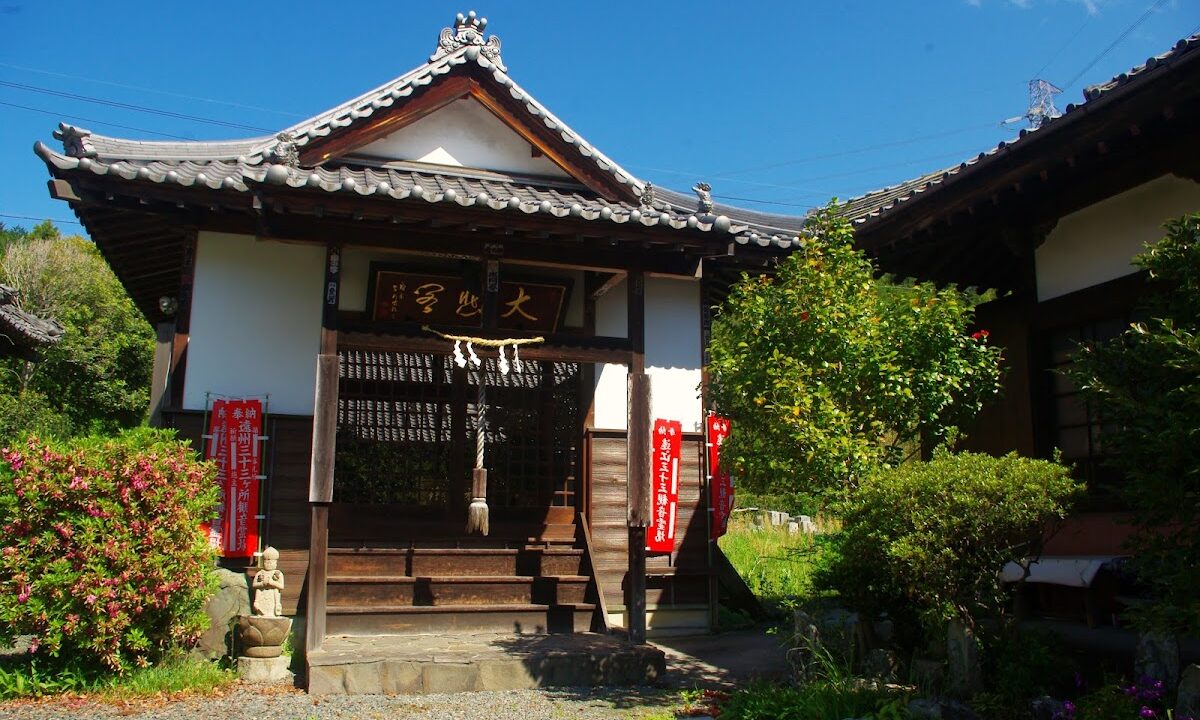
Jogenji Temple (Kakegawa City, Shizuoka Prefecture) Complete Guide | History and Visiting Information for the 8th Temple of the Enshu Thirty-Three Kannon Pilgrimage
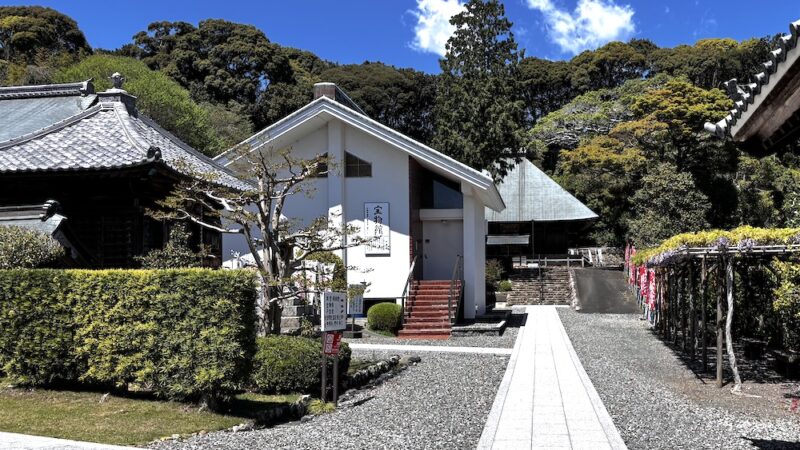
Jogenji Temple, located in the former Tokaido Nissaka post town in Kakegawa City, Shizuoka Prefecture, is a historic temple belonging to the Soto Zen sect. This guide provides detailed information about this temple, the 8th temple of the Enshu Thirty-Three Kannon Pilgrimage, which attracts many visitors, from its history to visiting information.
Basic Information about Jogenji Temple
Jogenji Temple is a Soto Zen temple located at 506-1 Nissaka, Kakegawa City, Shizuoka Prefecture. Its mountain name is Ryukokuzan, and it has a long history as a place of worship deeply rooted in the local community.
Basic Temple Data
- Official Name: Ryukokuzan Jogenji Temple
- Sect: Soto Zen Buddhism
- Principal Image: Enmei Jizo Bodhisattva
- Pilgrimage Site Principal Image: Eleven-faced Kannon Bodhisattva
- Location: 506-1 Hisaka, Kakegawa City, Shizuoka Prefecture
- Phone Number: 0537-27-1050
- Chief Priest: Yoshio Mochizuki
- Sacred Site: Enshu Thirty-Three Kannon Pilgrimage Site, No. 8
History and Origins of Jogenji Temple
Jogenji Temple is located in Hisaka-juku, a post town that flourished on the old Tokaido road. As a Soto Zen temple, it has attracted the faith of the local people. Hisaka-juku prospered as the 25th post town on the Tokaido Fifty-three Stations during the Edo period, and was a place where many travelers came and went. Within this context, Jogenji Temple functioned as a spiritual center for people praying for safe travels and for the local residents. ### About the Soto Zen School
The Soto Zen school is a branch of Zen Buddhism introduced to Japan during the Kamakura period by Zen Master Dogen. It is a sect based on “Shikantaza,” that is, single-minded devotion to seated meditation, and is one of the largest Buddhist sects in Japan, with approximately 14,000 temples nationwide. Jogenji Temple also transmits Buddhist teachings to the local community based on the teachings of the Soto Zen school.
Main Deity and Temple Deity
Jogenji Temple houses two important Buddhist statues.
Enmei Jizo Bodhisattva (Main Deity)
The main deity of Jogenji Temple is Enmei Jizo Bodhisattva. Jizo Bodhisattva is worshipped as a bodhisattva who saves sentient beings in all six realms (hell, hungry ghosts, animals, asuras, humans, and heaven) after the death of Shakyamuni Buddha until the appearance of Maitreya Bodhisattva. In particular, the Enmei Jizo (Life-Extending Jizo) is believed to have the merit of extending life and warding off disasters, attracting the faith of many people.
Eleven-Faced Kannon Bodhisattva (Main Deity of the Pilgrimage Site)
The Eleven-Faced Kannon Bodhisattva is enshrined as the main deity of the Enshu Thirty-Three Kannon Pilgrimage Sites. The Eleven-Faced Kannon is one of the transformations of Kannon Bodhisattva, possessing eleven faces on its head and believed to look in all directions to save all sentient beings. As a central figure in Kannon worship in the Enshu region, it attracts many pilgrims.
Enshu Thirty-Three Kannon Pilgrimage Site No. 8
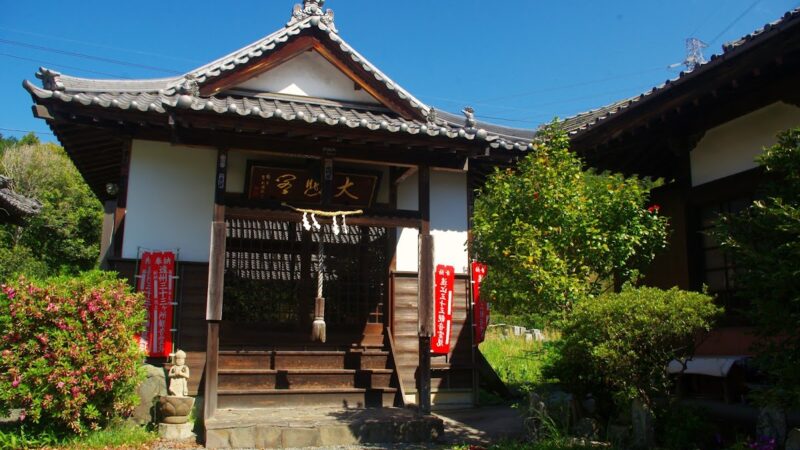
Jogenji Temple is designated as the 8th temple of the Enshu Thirty-Three Kannon Pilgrimage. The Enshu Thirty-Three Kannon Pilgrimage is a pilgrimage route that visits 33 Kannon pilgrimage sites scattered throughout western Shizuoka Prefecture (Enshu region).
Waka Poem
The waka poem of Jogenji Temple is as follows:
“How grateful I am to come to this temple, like a pure spring of Buddhist teachings, and find solace in it.”
(Meaning: How grateful I am. How joyful it is to come to this temple, like a pure spring of Buddhist teachings, and find solace in it.)
This hymn expresses gratitude for having one’s heart nourished and finding peace through the teachings of Buddhism.
Significance of the Pilgrimage
The Thirty-Three Kannon Pilgrimage is a pilgrimage based on the thirty-three manifestations of Kannon Bodhisattva. It is believed that by visiting each temple, one can experience the compassion of Kannon, purify one’s heart, and accumulate merit. The Enshu Thirty-Three Kannon Pilgrimage, including Jogenji Temple, is known as a valuable pilgrimage site where one can experience the history and culture of the region.
About Goshuin (Temple Seals)
Jogenji Temple offers Goshuin to visitors. Goshuin are seals and calligraphy given as proof of visiting a temple, and in recent years, collecting Goshuin has become a popular hobby. ### Goshuin (Temple Stamp) Reception
- Reception Hours: During temple hours (We recommend calling ahead to confirm)
- Offering Fee: Generally around 300 yen (This may change, so please confirm when you visit)
- Contents: Stamp of the 8th temple of the Enshu Thirty-Three Kannon Pilgrimage, calligraphy of the Eleven-Faced Kannon Bodhisattva, etc.
You can bring your own goshuincho (stamp book) or receive a pre-printed goshuin. A special sutra book is also available for pilgrims.
Access
Jogenji Temple is accessible by both car and public transport.
Access by Train and Bus
- Nearest Station: JR Tokaido Main Line “Kanaya Station” or “Kakegawa Station”
- From Kanaya Station: Approximately 15 minutes by taxi or bus
- From Kakegawa Station: Approximately 20 minutes by taxi or take the Kakegawa City Community Bus “Hisaka Line”
If using public transportation, it is recommended to check the timetable in advance as the number of buses is limited.
Access by Car
- Tomei Expressway: Approximately 15 minutes from Kakegawa IC
- National Route 1: Look for signs for Hisaka-shuku
- Shin-Tomei Expressway: Approximately 20 minutes from Shimada-Kanaya IC
Parking
There is parking space at the temple, but the number of spaces is limited, so caution is advised, especially on weekends and during events. There are also public parking lots around Hisaka-shuku.
Address and Navigation
506-1 Hisaka, Kakegawa City, Shizuoka Prefecture 437-1412
Searching for “Jogenji Kakegawa City” or the phone number “0537-27-1050” on your car navigation system or smartphone map app will display the exact location.
Hisaka-juku and Surrounding Attractions
Hisaka-juku, where Jogenji Temple is located, is a historically significant area as a post town on the Tokaido Fifty-three Stations route.
History of Hisaka-juku
Hisaka-juku was a bustling post town during the Edo period, frequented by travelers on the Tokaido route. It is said to have been named “Hisaka” (meaning “sunsloping hill”) due to its hilly terrain, and even today, buildings and historical sites that retain the atmosphere of that time are scattered throughout the area.
Nearby Tourist Attractions
- Hizaka-shuku Honjin Site: A historical site preserving the atmosphere of a honjin (main inn) from the Edo period.
- Kawasaka-ya Inn: A building that preserves the architecture of an Edo period inn.
- Kotonomama Hachimangu Shrine: An ancient shrine where wishes are said to come true.
- Awagatake Mountain: A symbolic mountain of Kakegawa City, with the character for “tea” (茶) inscribed on its summit.
Visiting these nearby spots in addition to visiting Jogenji Temple will enhance your experience.
Manners and Etiquette for Visiting Temples
When visiting temples, it is important to observe basic manners.
Basic Etiquette for Visiting a Temple
- Bow at the Temple Gate: Bow at the temple gate before entering the temple grounds.
- Purify at the Water Basin: If there is a water basin, purify your hands and mouth.
- Worship at the Main Hall: Join your hands in prayer in front of the main hall and offer your prayers quietly.
- Receive the Temple Seal: Receive a temple seal after your visit.
- Bow Upon Exit: When leaving the temple grounds, turn around and bow.
Clothing and Items to Bring
- Modest, understated clothing is preferable.
- Avoid clothing that exposes a lot of skin, even in summer.
- Bring a temple seal book if you wish to receive a temple seal.
- If you are on a pilgrimage, prepare a sutra book, prayer beads, etc.
Annual Events and Memorial Services
Jogenji Temple holds various memorial services and events throughout the year. For detailed schedules, please contact the temple directly.
### Main Annual Events
- Shōshō-e (January): A Buddhist service praying for peace in the new year.
- Shunki Higan-e (March): A memorial service for ancestors.
- Segaki-e (Summer): A memorial service for beings in the realm of hungry ghosts.
- Autumn Higan-e (September): A memorial service for ancestors.
- Kaisan-ki: A memorial service commemorating the temple’s founder.
Memorial Services and Ceremonies Available at Jōgenji Temple
Jōgenji Temple accepts various memorial services and ceremonies.
Funerals and Memorial Services
We can conduct funerals and memorial services according to the customs of the Sōtō Zen sect. We handle various memorial services from the seventh day after death to the 33rd anniversary.
Perpetual Memorial Services
We also accept consultations regarding perpetual memorial services for those who have no successors or who have difficulty managing their graves. Please contact the temple directly for details.
Other Memorial Services
- Memorial Service for Stillborn Children
- Pet Memorial Service (Please inquire about availability)
- Ancestor Memorial Service
- Various Prayers
Contacting Jogenji Temple
For detailed information regarding visits and memorial services, please contact the temple directly.
Contact Information
- Phone Number: 0537-27-1050
- Address: 506-1 Hisaka, Kakegawa City, Shizuoka Prefecture 437-1412
Telephone inquiries are best made between 9:00 AM and 5:00 PM. Since the temple may be in the middle of a memorial service or the staff may be absent, it is recommended to call before visiting.
Shizuoka Prefecture’s Soto Zen Temple Network
Shizuoka Prefecture has many Soto Zen temples, and Jogenji Temple is part of this network. Shizuoka Prefecture is known for having many influential Soto Zen temples, and the teachings of Soto Zen are passed down throughout the prefecture.
Major Soto Zen Temples in Shizuoka Prefecture
Shizuoka Prefecture has hundreds of Soto Zen temples, each functioning as a center of faith in its region. Several Soto Zen temples also exist around Kakegawa City, cooperating with each other to preserve and pass on Buddhist culture.
How to Enjoy the Enshu Thirty-Three Kannon Pilgrimage
Visiting Jogenji Temple is a great opportunity to begin the Enshu Thirty-Three Kannon Pilgrimage.
Preparing for the Pilgrimage
- Preparing a Pilgrimage Notebook: Having a dedicated pilgrimage notebook allows you to receive stamps at each temple.
- Obtaining a Pilgrimage Map: Pilgrimage maps can be obtained from the pilgrimage association or tourist association.
- Planning: Visiting all temples at once is difficult, so plan your pilgrimage by region.
Pilgrimage Etiquette
The Kannon pilgrimage is not merely sightseeing, but a journey of faith. It is important to respectfully visit each temple and reflect on the compassion of Kannon as you make your journey.
The Charm and Recommended Points of Jogenji Temple
The charm of Jogenji Temple lies in its tranquil environment in the historic Nissaka-juku post town, allowing for peaceful worship.
Quiet Worship Environment
You can worship at your leisure in a calm atmosphere that hasn’t been overly commercialized. It’s a place where you can escape the hustle and bustle of everyday life and spend time to calm your mind.
Historic Location
Located in Nissaka-juku, a post town on the old Tokaido road, you can enjoy a historical walk in addition to your worship. It’s a temple that travelers from the Edo period likely visited, allowing you to feel the continuity of faith across generations.
Easy Access
It’s relatively easy to access from the Tomei Expressway and National Route 1, making it easily accessible for visitors from afar.
Precautions When Visiting
Please note the following points when visiting Jogenji Temple.
Visiting Hours
While there are no set visiting hours, it is generally recommended to visit during the daytime (around 9:00 AM to 5:00 PM). Please avoid visiting early in the morning or late at night.
Photography
Photography is generally permitted on the temple grounds, but permission may be required for photographing the interior of the main hall or of Buddhist statues. Please check before taking pictures.
Consideration for Noise
Temples are places that value silence. Please avoid loud conversations and noise, and pray quietly.
Summary: What you can gain from visiting Jogenji Temple
Jogenji Temple in Kakegawa City, Shizuoka Prefecture, is the 8th temple on the Enshu Thirty-Three Kannon Pilgrimage and a Soto Zen temple, serving as a spiritual haven for local people and pilgrims. It houses two revered statues, Enmei Jizo Bodhisattva and Eleven-faced Kannon Bodhisattva, and has long been a place of worship.
Located in the historical setting of the old Tokaido Nissaka-juku post town, it is an attractive temple where you can enjoy historical sightseeing in addition to your visit. By calming your mind in the quiet temple grounds and experiencing Buddhist teachings, you can regain the peace of mind often forgotten in daily life.
If you ever have the opportunity to visit the Enshu region, be sure to stop by Jogenji Temple and experience the compassion of Kannon. Receiving a temple stamp and chanting a Buddhist hymn while praying in peace will surely become an unforgettable memory.