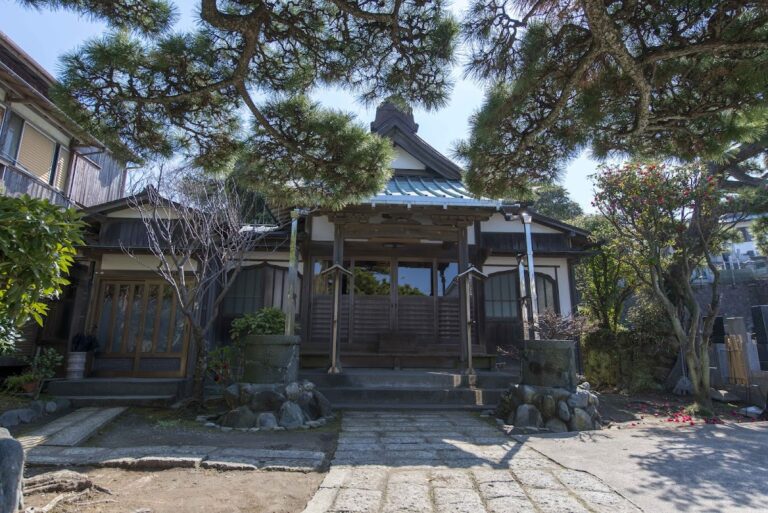
Josenji Temple (Kamakura City, Kanagawa Prefecture) | The Charm and Highlights of a Historic Shingon Buddhist Temple Founded by Kukai
Located in Koshigoe, Kamakura City, Kanagawa Prefecture, Josenji Temple is a Shingon Buddhist temple of the Daikakuji school, said to have been founded in the early Heian period by Kobo Daishi Kukai. Despite being located in the Koshigoe area, slightly removed from the center of Kamakura, it is a temple of high historical value and attracts the faith of the local community. This article provides a detailed introduction to the history, highlights, and access methods of Josenji Temple.
History of Josenji Temple
Founded by Kobo Daishi Kukai
The founding of Josenji Temple dates back to the early Heian period. It is said to have been founded by Kobo Daishi Kukai (774-835), the founder of the Shingon sect, and is a temple with a long history as a center of Shingon Esoteric Buddhism. Kukai established temples and conducted missionary activities throughout Japan, and he also left his mark in Sagami Province (present-day Kanagawa Prefecture). Jōsenji Temple is considered one of these temples.
Restoration during the Eiroku Era
Approximately 750 years after its founding, in 1558 (Eiroku 1), Jōsenji Temple was restored by a monk named Genshū. Maintaining a temple during the turbulent Sengoku period was not easy, but thanks to Genshū’s efforts, the temple was revived, laying the foundation for its present state. Since this restoration, Jōsenji Temple has functioned as an important religious facility in the Koshigoe area.
Relationship with Koyurugi Shrine
Jōsenji Temple also served as the head temple for the nearby Koyurugi Shrine. A head temple was a temple that managed and performed rituals for a shrine during the era of syncretism of Shinto and Buddhism. Although the two were formally separated by the Meiji-era separation of Shinto and Buddhism, they still maintain a close relationship in local faith.
Historical Background of the Koshigoe Area
The Koshigoe area, where Josenji Temple is located, is a historical place known for the “Koshigoe Letter,” which records the stay of Minamoto no Yoshitsune during the Kamakura period when he sought a meeting with his brother, Yoritomo. During the Edo period, it flourished as a pilgrimage route to Enoshima, and was a bustling area with many travelers. Josenji Temple has continued to exist as a spiritual haven for the people throughout this region’s history.
Highlights of Josenji Temple
Vermilion Gate
The first thing that catches the eye upon visiting Josenji Temple is its vividly painted vermilion gate. Located near the sea, opposite Koshigoe Fishing Port, this vermilion gate stands out prominently in the surrounding landscape. Passing through the gate, you enter a tranquil temple grounds, allowing you to forget the hustle and bustle of the city.
Statue of Fudo Myoo
The principal image enshrined at Josenji Temple is a statue of Fudo Myoo. This statue is known for its distinctive appearance, holding a sword in its left hand. Fudo Myoo is an important deity in Shingon Esoteric Buddhism, believed to possess the power to sever worldly desires and subdue evil. The Fudo Myoo statue at Josenji Temple is deeply revered by the local community, attracting worshippers seeking the fulfillment of their wishes and protection from misfortune.
The distinctive feature of this statue is that it holds a sword in its left hand, a departure from typical depictions. While most Fudo Myoo statues hold the sword in their right hand, this distinction may hold special significance for the Josenji statue.
Atmosphere of the Temple Grounds
Although smaller in scale compared to the large temples in central Kamakura, Josenji Temple boasts a quiet and peaceful atmosphere. Its proximity to the sea makes visiting the temple while feeling the sea breeze a unique experience compared to other Kamakura temples. The approachable nature of a temple deeply rooted in the community is another characteristic of Josenji Temple.
Proximity to Koshigoe Fishing Port
Josenji Temple is located directly across from Koshigoe Fishing Port, allowing visitors to enjoy the port scenery along with their temple visit. There are also shops and restaurants nearby selling fresh seafood, so you can savor local seafood after your visit. The coexistence of these two contrasting elements—a temple and a fishing port—is a unique charm of the Koshigoe area.
About Goshuin (Temple Seals)
Goshuin are available at Josenji Temple. The goshuin, featuring calligraphy and a red seal characteristic of Shingon Buddhist temples, is a popular memento of your visit. If you wish to receive a goshuin, please speak to the temple office during your visit.
For those collecting goshuin, while there are numerous temples and shrines in the Kamakura area, receiving a goshuin at a relatively quiet temple like Josenji Temple offers a valuable opportunity to spend a relaxing time.
Access by Transportation
Access by Train
The nearest station to Josenji Temple is Koshigoe Station on the Enoshima Electric Railway (Enoden). It’s conveniently located about a 3-minute walk from Koshigoe Station, making it very easily accessible.
Enoden Access Procedure:
- Take the Enoden from JR Kamakura Station or Odakyu Fujisawa Station.
- Get off at Koshigoe Station.
- Josenji Temple is about a 3-minute walk from the station.
The Enoden is a popular tourist line connecting Kamakura and Fujisawa, offering scenic views from the train windows. The area around Koshigoe Station is close to Enoshima, making it ideal for a visit as part of a sightseeing trip.
Access by Car
If traveling by car, using National Route 134 (Shonan Road) is convenient. However, Josenji Temple may not have its own parking lot, so it’s recommended to use nearby coin parking or public transportation. Especially on weekends and during peak tourist season, the Kamakura and Enoshima area is prone to traffic congestion, so access by train is the most reliable option.
Nearby Tourist Attractions
The following tourist attractions are located near Josenji Temple:
- Kodō Shrine: A shrine that was formerly the head temple of Josenji Temple. It is also known as a place associated with Minamoto no Yoshitsune.
- Enoshima: Within walking distance from Koshigoe. A tourist destination full of attractions, including Enoshima Shrine and an observation deck.
- Ryūkōji Temple: An important temple of the Nichiren sect, known as the site of the persecution of Nichiren Shonin.
- Koshigoe Fishing Port: A fishing port where fresh seafood is sold, allowing you to experience local food culture.
Visiting Josenji Temple in conjunction with these spots will allow you to more deeply appreciate the charm of the Koshigoe area.
Visiting Information
Location
Address: 2-10-7 Koshigoe, Kamakura City, Kanagawa Prefecture
Sect
Shingon-shu Daikakuji-ha
Founder
Kobo Daishi Kukai (tradition)
Restorer
Genshu (1558, Eiroku 1)
Visiting Hours
General visits are recommended during daylight hours. It is recommended to check the temple office hours and Goshuin (temple stamp) reception hours in advance.
Admission Fee
Visiting the temple grounds is generally free.
Points to Note When Visiting Josenji Temple
A Quiet Environment for Worship
Josenji Temple is located a little away from the main tourist areas of Kamakura, allowing for a relatively quiet environment for worship. Unlike the temples in the crowded central area of Kamakura, it is ideal for those who want to worship slowly and calmly.
Experiencing Local History
The Koshigoe area is a place associated with Minamoto no Yoshitsune and flourished as a base for pilgrimages to Enoshima during the Edo period. Visiting Josenji Temple allows you to experience this historical background of the area.
The Unique Atmosphere of a Seaside Temple
Because Josenji Temple is located near the sea, you can enjoy the scent of the ocean and the sea breeze while visiting. You can enjoy a unique atmosphere that differs from temples in mountainous areas.
Combining with Enoshima Sightseeing
Enoshima is within walking distance of Josenji Temple, so it’s recommended to visit it in conjunction with sightseeing in Enoshima. A course that combines sightseeing in Enoshima with a peaceful visit to Josenji Temple will make for a fulfilling day.
About the Shingon Daikakuji School
The Shingon Daikakuji School, to which Josenji Temple belongs, is a branch of the Shingon sect with Daikakuji Temple in Kyoto as its head temple. It considers Kobo Daishi Kukai as its founder and transmits the teachings of esoteric Buddhism. Daikaku-ji Temple was converted from Emperor Saga’s detached palace, and therefore has deep ties to the Imperial family.
Shingon Buddhism is known for its unique practices, such as chanting mantras and meditation using mandalas. Josen-ji Temple also carries on this tradition of Shingon Esoteric Buddhism, supporting the faith of the local community.
The Charm of Koshigoe District
The Koshigoe district, where Josen-ji Temple is located, is situated on the western edge of Kamakura City, adjacent to Enoshima Island. Its charm lies in its calm atmosphere, where local life thrives, a stark contrast to the famous tourist area of central Kamakura.
Minamoto no Yoshitsune and the Koshigoe Letter
Koshigoe is historically significant as the place where Minamoto no Yoshitsune wrote the “Koshigoe Letter,” a letter of defense to his brother, Minamoto no Yoritomo. Despite his achievements in defeating the Taira clan, Yoshitsune incurred Yoritomo’s displeasure and was not allowed to enter Kamakura. The letter sent by Yoshitsune, who was detained in Koshigoe, to Yoritomo through Oe no Hiromoto is known as the “Koshigoe Letter.” This historical episode has become part of the identity of the Koshigoe area.
A Fishing Port Town
Koshigoe Fishing Port is still an active fishing port today, with restaurants and fish shops where you can enjoy fresh seafood caught locally. Unlike other areas of Kamakura that have become tourist destinations, it retains the simple charm of a fishing town.
Gateway to Enoshima
Koshigoe is within walking distance of Enoshima, making it a convenient starting point for sightseeing in Enoshima. The view of the sea and Enoshima from the windows of the Enoden train is loved by many as a representative landscape of Shonan.
Other Shingon Buddhist Temples in Kamakura
Besides Josenji Temple, there are several other Shingon Buddhist temples in Kamakura. While Kamakura is famous for its Zen Buddhist temples, temples of other sects such as Shingon and Jodo have also played important roles. Visiting Shingon Buddhist temples allows you to experience the diverse religious culture of Kamakura.
Temple Visiting Etiquette
When visiting Josenji Temple, please observe the following basic temple visiting etiquette:
- Bow at the Temple Gate: Bow at the temple gate before entering the temple grounds.
- Respectful Attitude: Be quiet within the temple grounds and avoid disturbing other visitors.
- Consideration for Photography: Even if photography is permitted, be considerate of other visitors and religious ceremonies.
- Proper Offering Etiquette: When praying at the main hall, quietly offer your donation, clasp your hands together, and pray.
- Requesting a Goshuin (Temple Stamp): When requesting a Goshuin, ask politely and wait quietly while it is being written.
Summary
Josenji Temple is a historic Shingon Buddhist temple said to have been founded by Kobo Daishi Kukai. Located in Koshigoe, Kamakura City, near the sea, it boasts many attractions, including a vermilion-lacquered temple gate and a statue of Fudo Myoo. Its convenient location, just a 3-minute walk from Koshigoe Station on the Enoden Line, makes it an ideal temple to visit in conjunction with sightseeing in Enoshima.
For those seeking a peaceful retreat from the hustle and bustle of Kamakura’s main tourist areas, those wanting to learn about the history of Shingon Esoteric Buddhism, and those wanting to experience the atmosphere of a temple deeply rooted in the community, Josenji Temple is a recommended spot. Enjoy your visit to Josenji Temple along with the history, culture, and scenery of the Koshigoe area and fishing port.