Joshōji Temple (Ōgaki City, Gifu Prefecture) Complete Guide | A Historic Temple of the Shinshū Ōtani School, Access, and Nearby Cemetery Information
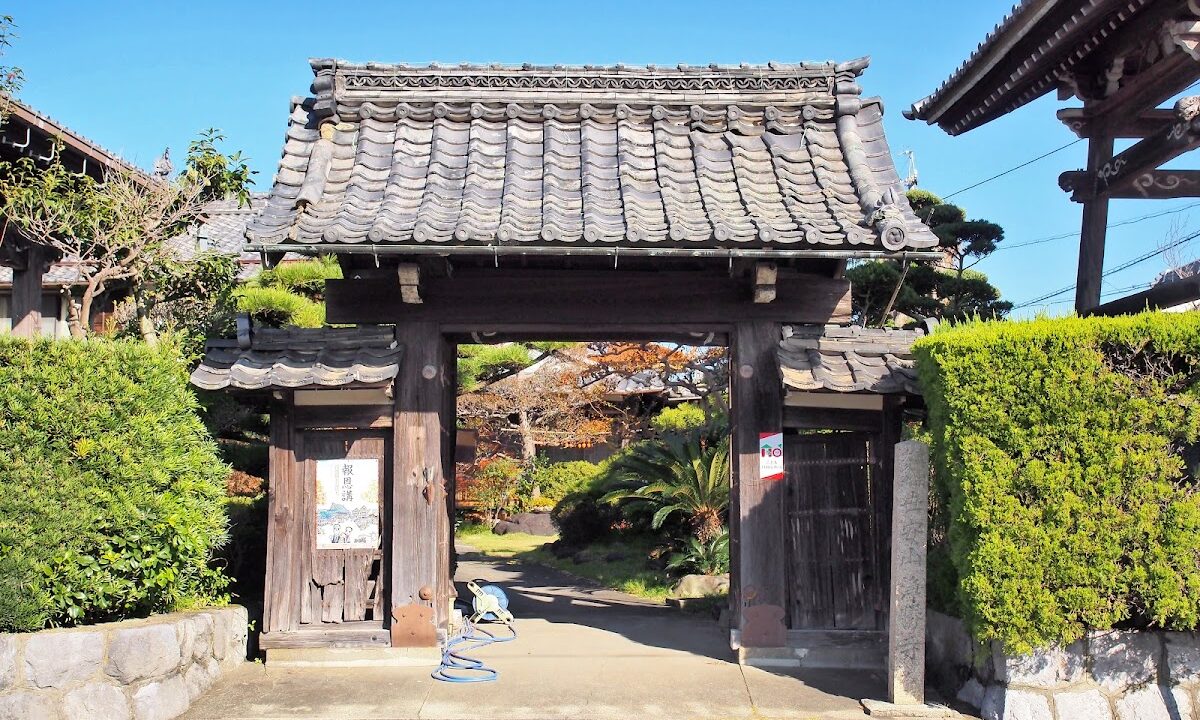
Located in Ōgaki City, Gifu Prefecture, Joshōji Temple is a historic Buddhist temple belonging to the Shinshū Ōtani school. Situated in Higashi-machi, Ōgaki City, it has long been a center of local faith, cherished by many parishioners and visitors. This article provides a comprehensive overview of Joshōji Temple, from basic information and access methods to nearby cemeteries and burial grounds, and various consultations regarding graves.
Basic Information and Location of Joshōji Temple
Joshōji Temple is a Shinshū Ōtani school temple located at 1-431 Higashi-machi, Ōgaki City, Gifu Prefecture. The Shinshū Ōtani school is one of the Jōdo Shinshū sects, known as a traditional Buddhist sect with Higashi Honganji Temple in Kyoto as its head temple.
Temple Information
- Temple Name: Joshōji Temple
- Sect: Shinshu Otani School
- Location: 1-431 Higashimachi, Ōgaki City, Gifu Prefecture
- Nearest Station: Approximately 0.8km from Higashi-Ōgaki Station on the Tarumi Railway Tarumi Line
Ōgaki City is located in the Seino region of Gifu Prefecture and is known as the “City of Water,” blessed with abundant water resources. There are 246 temples in the city, and Joshōji Temple, a Shinshu Otani School temple, continues to be deeply rooted in the community.
How to Access Joshōji Temple
Access by Public Transportation
The nearest station to Joshōji Temple is Higashi-Ōgaki Station on the Tarumi Railway Tarumi Line. It is approximately a 10-minute walk from the station, making it a conveniently located and easily accessible temple.
If using the Tarumi Railway Tarumi Line:
- Get off at Higashi-Ogaki Station and walk for approximately 10 minutes (approx. 0.8 km).
- Transfer to the Tarumi Railway at Ogaki Station and go one stop.
Access by Car
Access from Ogaki city center is good, and it is relatively easy to access from national highways and major roads. We recommend checking the availability of parking in advance before visiting.
About the Shinshu Otani School
The Shinshu Otani School, to which Joshōji Temple belongs, is a branch of Jodo Shinshu Buddhism, founded by Shinran Shonin. Its teachings are based on the principle that everyone can be equally saved by the power of Amida Buddha’s original vow through chanting “Namu Amida Butsu.”
Characteristics of the Shinshu Otani School
- Head Temple: Shinshu Honbyo (Higashi Honganji, Shimogyo-ku, Kyoto)
- Doctrine: Faith in the power of others, absolute reliance on others
- Features: As a lay Buddhist sect, marriage of monks is permitted
- Rituals: Simple and practical memorial service format
Shinshu Otani school temples have unique customs, such as bestowing “Buddhist names” instead of posthumous names, and using family registers or Buddhist name scrolls instead of memorial tablets.
Cemeteries and Burial Grounds near Joshōji Temple
There are various types of cemeteries and burial grounds around Joshōji Temple. For those looking for a grave, searching by region, train line, or station is an important condition.
Ogaki Tree Burial Ground with Roses
This is one of the tree burial grounds that has become increasingly popular in recent years, offering perpetual memorial services in a natural environment. It features a beautiful environment surrounded by roses, and all plots are barrier-free, making it less affected by weather. Features
- Perpetual care and maintenance guaranteed with perpetual memorial service
- Lower costs compared to general graves
- No need for successors, making it safe for single people or those without children
Ogaki City Municipal Hagoromo Cemetery
A public cemetery operated by Ogaki City, usable regardless of religion or sect. Its stable management system and relatively reasonable costs are attractive features.
Features
- Relatively low management fees due to being municipal
- Primarily offers general grave plots
- Usable regardless of religion or sect
Ogaki City Municipal Sumimata Kita Cemetery
A municipal cemetery located in the Sumimata district of Ogaki City. It is used as a community-oriented cemetery in a quiet environment.
Ogaki City Municipal Aono Cemetery
A municipal cemetery located in the Aono district of Ogaki City, characterized by its rich natural environment. While not conveniently located near a train station, it is suitable for those seeking a quiet environment. ### Mizuho City Municipal Noda Cemetery
This is a public cemetery in Mizuho City, adjacent to Ogaki City. It may be available to Ogaki residents as well, making it a viable option.
Mizuho City Municipal Hozumi Cemetery
Another public cemetery operated by Mizuho City, this is a modern cemetery with fully maintained plots.
Finding a Cemetery/Burial Site
Finding a grave is one of the most important decisions in life. Consider the following points to choose the cemetery/burial site that best suits you and your family.
Finding a Cemetery by Region
Characteristics of Cemeteries/Burial Sites in Ogaki City, Gifu Prefecture
There are a variety of cemeteries/burial sites within Ogaki City. From municipal cemeteries to private cemeteries and temple cemeteries, each has its own unique characteristics.
- Municipal Cemeteries: Relatively inexpensive and well-maintained.
- Private Cemeteries: Well-equipped facilities, often open to all religions and denominations.
- Temple Cemeteries: Offer attentive memorial services upon becoming a temple parishioner.
Searching for Cemeteries by Train Line/Station
Along the Tarumi Railway Tarumi Line, there are many easily accessible cemeteries. Considering convenience for visiting graves, cemeteries near stations and with convenient access are particularly popular.
Points to Consider Regarding Access
- Distance from the nearest station (ideally within walking distance)
- Availability and size of parking
- Frequency of public transportation
- Consideration for the elderly and wheelchair users
Searching for Cemeteries by Features and Preferences
In modern times, there is an increasing number of cemeteries that cater to diverse needs.
Traditional Graves
This type involves erecting traditional gravestones and is passed down through generations. A key feature is the freedom to choose the design and size of the gravestone.
Tree Burial
This type of burial uses trees or flowers as grave markers instead of tombstones. It’s popular with those who desire a return to nature or wish for perpetual memorial services.
Perpetual Memorial Grave
This type of grave is managed and cared for permanently by a temple or cemetery. It offers peace of mind for those without successors.
Columbarium
This is an indoor columbarium facility, offering the advantage of being able to visit regardless of the weather. Demand is increasing, especially in urban areas.
Building a Grave
There are various considerations when building a new grave.
Choosing a Tombstone
Since a tombstone is used for a long period, material selection is important.
Main Types of Gravestones
- Granite: The most common and highly durable type.
- Andesite: Often used for traditional Japanese-style gravestones.
- Gabbro: Dark in color and has a luxurious feel.
Catalog Request and Bulk Brochure Request
By requesting catalogs from multiple stonemasons and cemeteries at once, you can efficiently compare and consider your options. Compare costs, designs, and services to make the best choice.
Additional Engraving and Buddhist Name (Kaimyo)
When interring remains in an existing grave, additional engraving is required. In the Shinshu Otani sect, it is called a “Buddhist name” (Hōmyō) rather than a “Kaimyo” (Kaimyo), and the name of the deceased as a Buddhist disciple is engraved.
Grave Closure
In recent years, due to the declining birthrate, aging population, and the rise of nuclear families, the inheritance of graves has become increasingly difficult.
What is Grave Closure?
Grave closure is the removal of an existing grave and the transfer of remains to another location. This refers to the series of procedures involved in removing the tombstone, returning the land to its original state, and returning the burial plot.
Steps for Closing a Grave
- Consultation with Relatives: Discuss thoroughly with family and relatives.
- Consultation with Temples/Cemeteries: Inform the current cemetery administrator of your intentions.
- Decision on a New Burial Site: Decide where to move the remains.
- Administrative Procedures: Obtain a reburial permit.
- Closing Ceremony: A memorial service to remove the spirit from the grave.
- Removal of Remains: Hire a stonemason to remove the remains.
- Removal of Tombstone: Dismantle and remove the tombstone and return the land to its original state.
- Interment at a New Burial Site: Perform an opening ceremony and interment at the new burial site.
Can I get advice on closing a grave or moving a grave?
Yes, you can. Consultations are available at temples such as Jōshōji Temple, specialized stonemasons, and cemetery management offices. Because closing a grave involves legal procedures and issues related to memorial services, it is important to seek advice from a specialist.
Examples of places to consult:
- The temple where the current grave is located
- Stone mason (to request removal of the tombstone)
- The cemetery/temple for the new burial site
- The relevant government office (for issuing a reburial permit)
Buddhist altar and religious goods stores near Joshōji Temple
For those considering purchasing, repairing, or replacing Buddhist altars and religious goods, we introduce Buddhist altar and religious goods stores in and around Ōgaki City.
Eirakuya Co., Ltd. / Main Store
A long-established Buddhist altar store operating in Ōgaki City for many years. They handle a wide range of products, from traditional to modern Buddhist altars.
Yokota Buddhist Altar Store
A community-based Buddhist altar store with excellent after-sales service. They also handle Buddhist altar repairs and cleaning.
Hasegawa Buddhist Altar Store / Aeon Mall Ōgaki Store
A store located inside Aeon Mall, part of a major Buddhist altar chain with a nationwide presence. Conveniently located and featuring a wide selection of products.
Hishidaya Co., Ltd. / Hashima Store
Located in Hashima City, this specialty store for Buddhist altars and religious items is easily accessible from Ogaki City.
Kawada Buddhist Altar Store Co., Ltd. / Gifu Main Store
A long-established store with its main store in Gifu City, handling high-quality Buddhist altars and religious items.
Can I consult about rebuilding, repairing, or remodeling a grave?
Yes, it is possible. If the condition of your existing grave deteriorates, the following options are available:
Gravestone Repair and Remodeling
Main Repair Services
- Repair of cracks and chips
- Correction of tilting and misalignment
- Re-engraving of lettering
- Cleaning and polishing
- Earthquake-resistant construction
Gravestone Rebuilding
It is also possible to replace old gravestones with new ones. You can change the design to a more modern one or switch to a more durable stone material. ### Consultation Options
- Stone Mason: Technical advice from a tombstone specialist
- Temple: Advice from a religious perspective
- Cemetery Management Office: Consultation regarding rules and procedures
List of Shinshu Otani-ha Temples in Ogaki City, Gifu Prefecture
In addition to Joshōji Temple, there are several other Shinshu Otani-ha temples in Ogaki City.
Main Shinshu Otani-ha Temples
- Joshōji Temple: 1-431 Higashimachi, Ogaki City
- Kakuzenji Temple: A Shinshu Otani-ha temple in Ogaki City
- Other Shinshu Otani-ha Temples: Multiple locations within Ogaki City
Ogaki City as a whole has 246 temples, including temples of various denominations besides Shinshu Otani-ha.
Finding Temples of Other Denominations in Ogaki City, Gifu Prefecture
Ogaki City has temples of various denominations besides Shinshu Otani-ha.
Main Buddhist Sects
- Jodo Shinshu Honganji-ha: A sect with Nishi Honganji as its head temple
- Soto Zen: A branch of Zen Buddhism
- Rinzai Zen: A branch of Zen Buddhism
- Shingon Buddhism: A sect of Esoteric Buddhism
- Nichiren Buddhism: A sect with the Lotus Sutra as its fundamental scripture
- Tendai Buddhism: A sect with Enryaku-ji Temple on Mount Hiei as its head temple
Mino Kokubunji Temple
One of the historical temples in the vicinity of Ogaki City, a venerable temple with a history dating back to ancient times.
Kokubunji Temple Columbarium
A columbarium-style perpetual memorial grave located at Kokubunji Temple.
Finding Temples in Municipalities of Gifu Prefecture
Each municipality in Gifu Prefecture has its own unique temples.
Major Municipalities
- Gifu City: Prefectural capital with numerous temples
- Ogaki City: Central city of the Seino region
- Takayama City: Many historical temples of the Hida region
- Tajimi City: Temples of the Tono region
- Seki City: Temples of the Chuno region
- Mizuho City: Adjacent to Ogaki City
Searching for Cemeteries in Gifu Prefecture’s Municipalities
Each region within Gifu Prefecture has its own unique cemeteries and burial grounds.
Regional Characteristics
Seino Region (Ogaki City, Mizuho City, etc.)
- Many cemeteries are easily accessible due to the flat terrain.
- Abundant municipal cemeteries.
Gifu Region (Gifu City, etc.)
- Increasing number of urban columbariums and tree burials.
- Abundant options for private cemeteries.
Hida Region (Takayama City, etc.)
- Cemeteries in rich natural environments.
- Primarily temple cemeteries.
For Cemetery Consultations, Use “Good Cemetery”
Cemetery and burial site searches, as well as various consultations regarding graves, can be handled efficiently by using our specialized services.
Service Details
Bulk Brochure Request
This service allows you to request catalogs from multiple cemeteries and stonemasons at once. This makes comparison and consideration easier.
Consultation by Cemetery Staff
Our staff, with their specialized knowledge, will answer your questions and concerns about graves.
Arrangement of Site Visits
We can arrange visits to cemeteries you are interested in. Visiting a cemetery in person allows you to experience the atmosphere and environment that photos alone cannot convey.
Find a Cemetery from Featured Articles
You can find a cemetery that suits your needs from a variety of featured articles.
Popular Featured Themes
Cemeteries Near Stations/Convenient Access
This feature showcases cemeteries easily accessible by public transportation. A location that is easy to visit even in old age is important.
Cemeteries Surrounded by Nature
This section introduces cemeteries in quiet environments surrounded by greenery. Popular with those who wish to rest in nature.
Cemeteries Guaranteed Perpetual Care and Maintenance
This feature showcases cemeteries that can be used with peace of mind even without successors.
Cemeteries with Barrier-Free Design
These cemeteries are designed for easy access for wheelchair users and the elderly.
Cemeteries in Bloom
This feature showcases cemeteries in beautiful environments where flowers bloom throughout the seasons.
You currently have no saved search criteria.
When searching for a cemetery online, saving your search criteria allows you to easily resume your search on your next visit. Combining multiple criteria such as region, price range, and cemetery type will help you find a cemetery that better suits your needs.
Frequently Asked Questions about Temples
Q1: What cemeteries are near Jōshōji Temple?
A1: Near Jōshōji Temple are several cemeteries, including the Ogaki Tree Burial Ground with Roses, the Ogaki City Hagoromo Cemetery, the Ogaki City Sumimata Kita Cemetery, and the Ogaki City Aono Cemetery. The Mizuho City Noda Cemetery and the Mizuho City Hozumi Cemetery, located in the neighboring city of Mizuho, are also relatively close.
Q2: Where can I find information about temples and cemeteries?
A2: Information about temples and cemeteries can be obtained through the following methods:
- Contact a temple directly
- Search on a specialized cemetery/graveyard website
- Consult with a stonemason or Buddhist altar shop
- Obtain information on public cemeteries from your local municipal office
- Use a bulk information request service
Q3: What is the difference between the Shinshu Otani sect and the Shinshu Honganji sect?
A3: Both are sects of Jodo Shinshu Buddhism, but their head temples are different. The Shinshu Otani sect considers Higashi Honganji (Kyoto) as its head temple, while the Shinshu Honganji sect considers Nishi Honganji (Kyoto) as its head temple. While the basic doctrines are the same, there are slight differences in ritual practices and the arrangement of Buddhist implements.
Q4: Is it necessary to become a temple parishioner?
A4: When using a temple cemetery, it is generally required to become a parishioner of that temple. However, it is not necessary to become a parishioner at private or public cemeteries. Becoming a parishioner allows you to receive support from the temple during memorial services and funerals, but it also incurs maintenance fees and other costs.
Q5: What are the proper manners for visiting a grave?
A5: As basic manners, please pay attention to the following points:
- Clean the gravestone and surrounding area
- Offer fresh flowers (take old flowers home)
- Offer incense and candles
- Remember the deceased with clasped hands
- Always take your trash home
- Respect other graves and visit quietly
Notes Regarding Requests for Information
When requesting information about cemeteries and burial grounds, please pay attention to the following points:
Handling of Personal Information
Personal information provided when requesting information will be managed by each cemetery, stonemason, and service provider. Please check the privacy policy and understand the purpose of use of your information before making a request.
Post-Request Process
After requesting catalogs or information, you may receive contact by phone or email. Receiving guidance on visits and detailed explanations will allow for more concrete consideration.
Comparing Multiple Cemeteries
It is important to compare and consider multiple cemeteries, not just one. Let’s compare various aspects, including location, cost, facilities, and management system.
Summary
Jōshōji Temple is a Shinshu Otani sect temple located in Higashi-machi, Ōgaki City, Gifu Prefecture. It boasts a convenient location within walking distance of Higashi-Ōgaki Station on the Tarumi Railway Tarumi Line. The surrounding area offers diverse options, including the Ōgaki City-run cemetery, privately run tree burial grounds, and columbariums, providing an environment that can accommodate various needs, from traditional graves to perpetual memorial graves.
When searching for a grave, it’s necessary to comprehensively consider many factors, such as location, access from train lines and stations, type of cemetery (traditional grave, tree burial, perpetual memorial grave, columbarium), cost, and management system. By utilizing services such as requesting information from multiple sources or catalogs and comparing several options, you can find the cemetery or burial ground that best suits you and your family.
Furthermore, consultations regarding existing graves, such as grave closure, gravestone replacement/repair, and additional engraving, are also accepted at temples and stonemasons. Popular cemeteries can fill up quickly, so if you’re interested in a particular cemetery, we recommend visiting or consulting with them as soon as possible.
We hope that temples and cemeteries in Ogaki City, including Jōshōji Temple, will continue to be managed and maintained as places where you can remember and honor your loved ones.