Jotoku-ji Temple (Kamigyo-ku, Kyoto Prefecture) Complete Guide | History and Access Information for a Quiet Shinshu Otani-ha Temple
Kamigyo-ku in Kyoto City is known as a historical area where the Kyoto Imperial Palace and numerous temples and shrines are concentrated. Among them, Jotoku-ji Temple, a Shinshu Otani-ha temple quietly nestled in the area, attracts attention from visitors who enjoy strolling and history enthusiasts. This article provides a detailed introduction to Jotoku-ji Temple, from its basic information and historical background to nearby attractions.
Basic Information about Jotoku-ji Temple
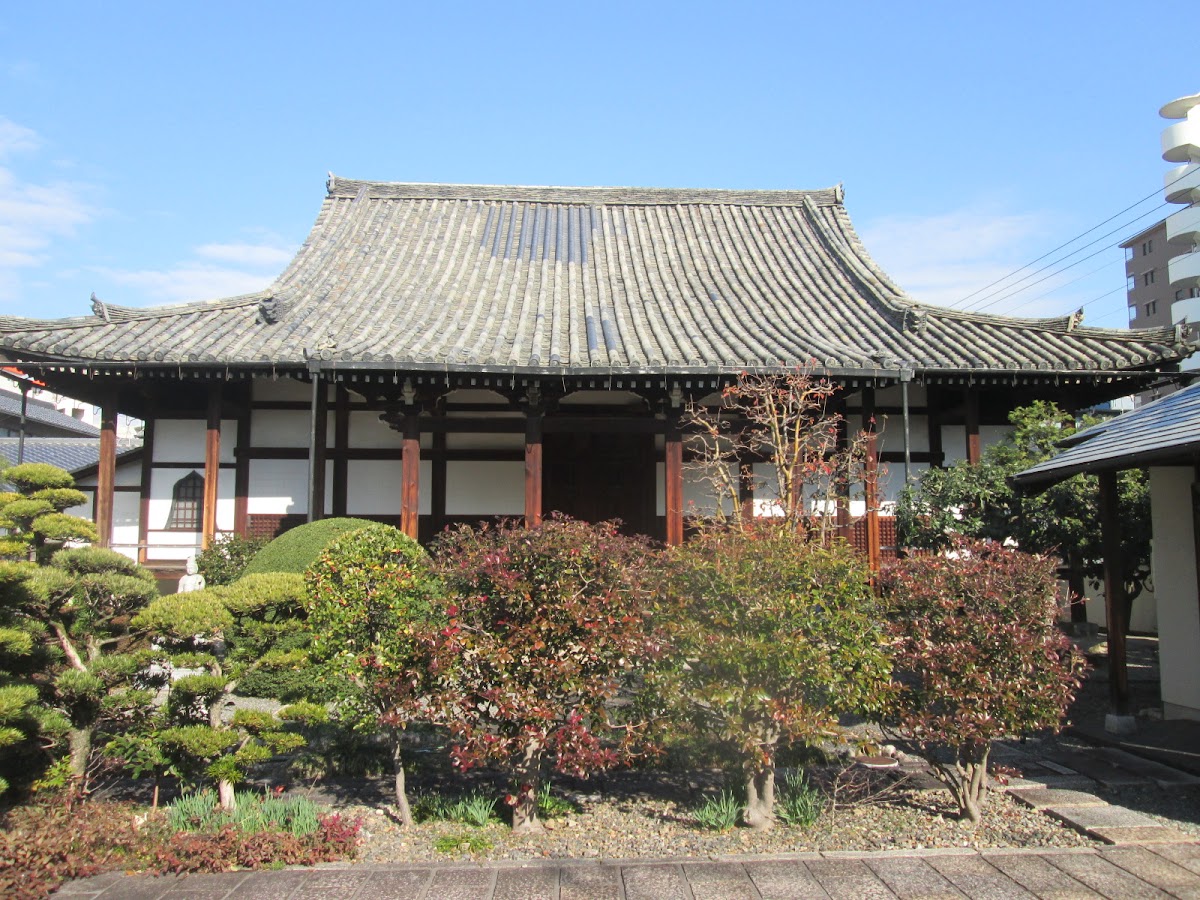
Jotoku-ji Temple is a Shinshu Otani-ha (Higashi Honganji-affiliated) temple located in Kamigyo-ku, Kyoto City. Unlike typical temples open to the public, its main gate is usually closed, maintaining a quiet atmosphere.
Location and Access
Address: Kamigyo-ku, Kyoto City, Kyoto Prefecture
Nearest Station: Kuramaguchi Station, Kyoto Municipal Subway Karasuma Line
Located within walking distance of Kuramaguchi Station, it is easily incorporated into temple and shrine tours and walking routes in Kamigyo-ku. Compared to other major temples in Kyoto City, it is characterized by fewer tourists and a calm atmosphere for worship.
Sect and Principal Image
Sect: Shinshu Otani-ha
Principal Image: Amida Buddha
The Shinshu Otani-ha is a branch of Jodo Shinshu Buddhism, founded by Shinran Shonin, and its head temple is Higashi Honganji (Shinshu Honbyo) in Kyoto. It cherishes the teachings of believing in the original vow of Amida Buddha and praying for rebirth in the Pure Land through chanting the Nembutsu.
Deepening Your Understanding of the Shinshu Otani-ha
Having some basic knowledge of the Shinshu Otani-ha before visiting Jotoku-ji Temple will allow for a deeper understanding and more empathetic worship experience.
History and Characteristics of Jodo Shinshu Buddhism
Jodo Shinshu Buddhism is a Buddhist sect founded by the Kamakura period monk Shinran Shonin (1173-1263). The core of this sect is the teaching of “other-power reliance,” which states that anyone can be saved by the power of Amida Buddha’s original vow by chanting “Namu Amida Butsu.”
The Shinshu Otani sect is a branch of the Higashi Honganji sect, established when Honganji Temple split into East and West during the Edo period. It still boasts numerous temples throughout Japan. In Kyoto Prefecture alone, several hundred temples belong to the Shinshu Otani sect, continuing its activities deeply rooted in local communities.
Characteristics of Shinshu Temples
Shinshu temples have several characteristics that differ from temples of other sects:
- Main Hall-Centered Structure: The main hall, which houses the Amida Buddha, is the center of the temple.
- Approach to Precepts: Emphasis is placed on the religious life of lay people rather than strict precepts.
- Funerals and Memorial Services: Funerals and memorial services for followers (parishioners) are valued, and the temple serves as a spiritual pillar of the local community.
- Meaning of the Temple Gate: In many Shinshu temples, the temple gate has symbolic meaning, but it is not necessarily open all the time.
Historical Background of Jotoku-ji Temple
While there is limited publicly available information regarding the exact founding date and detailed history of Jotoku-ji Temple, its historical context can be inferred from its location in Kamigyo-ku, Kyoto City.
Historical Importance of Kamigyo-ku
Kamigyo-ku, Kyoto City, is one of the central areas of Kyoto, dating back to the Heian period. During the Muromachi period, it served as the headquarters of the Muromachi Shogunate, and during the Edo period, the Kyoto Shoshidai (Kyoto Deputy) was located there, making it a constantly flourishing political and cultural center of Kyoto.
The presence of many Shinshu Buddhist temples in Kamigyo Ward stems from the following historical factors:
- Proximity to Honganji Temple: Because Honganji Temple (Nishi Honganji and Higashi Honganji) is located within Kyoto City, Shinshu temples concentrated in its vicinity.
- Development of Townspeople Culture: Kamigyo Ward is an area where many merchants and artisans (townspeople) lived, and Shinshu temples played an important role as temples supporting their faith.
- Post-Onin War Reconstruction: During the Kyoto reconstruction period after the Onin War (1467-1477), many temples were rebuilt or newly constructed.
Role as a Shinshu Buddhist Temple
Jotokuji Temple is thought to have functioned not as a tourist temple open to the public, but rather as a temple supporting the faith of local parishioners (danka). Such temples serve as spiritual centers for local communities through daily Buddhist services, funerals, and memorial services.
The Temple Gate and Grounds
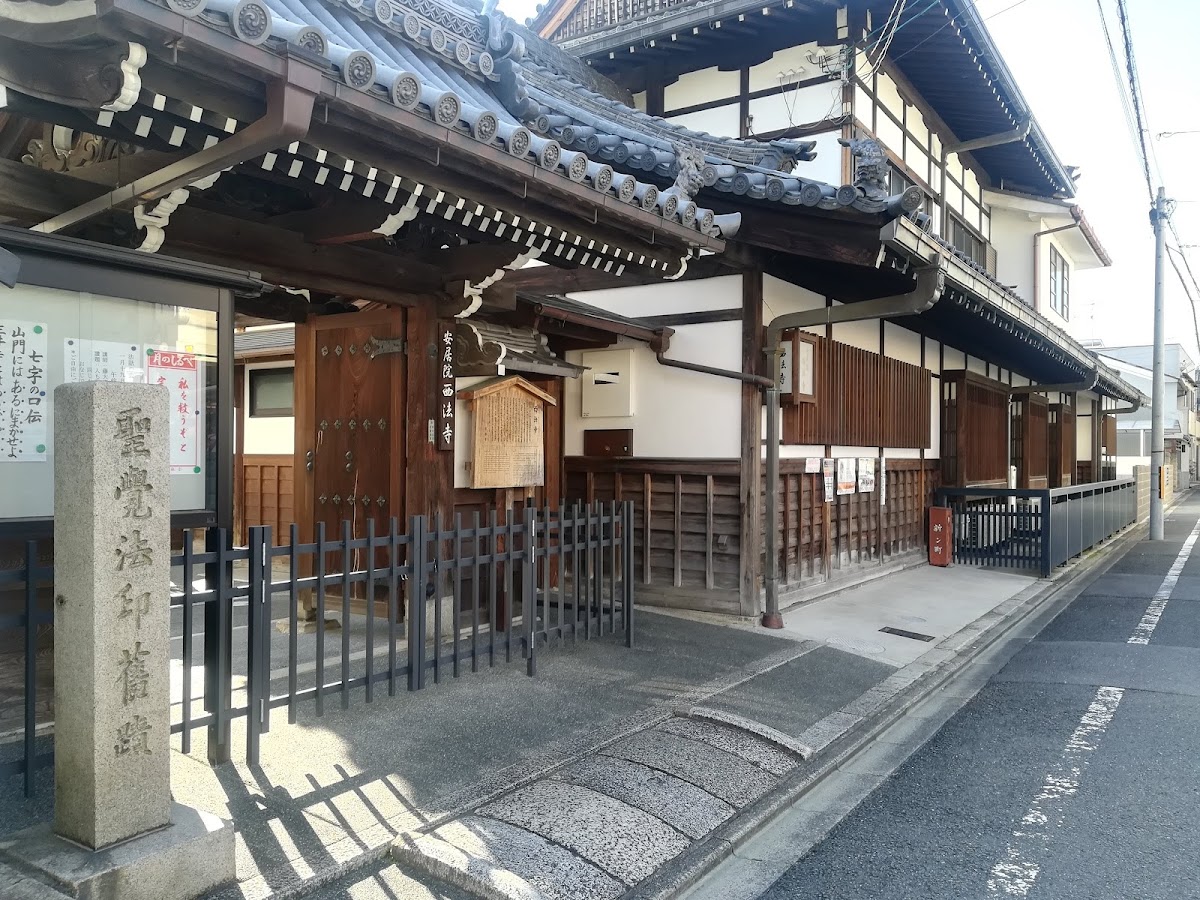
Many visitors to Jotoku-ji Temple are impressed by the appearance of its temple gate.
The Meaning of the Closed Temple Gate
The temple gate of Jotoku-ji Temple is usually closed, and general visitors are not allowed inside. This is not necessarily exclusive, and the following reasons are possible:
- Character as a temple for followers: It is a temple for specific followers (parishioners) and is not equipped to accept a large number of tourists.
- Status of the Abbot: In the case of small temples, the abbot may not be permanently stationed there.
- Protection of Privacy: In some temples, the temple grounds are integrated with the living quarters, and the temple gate may be closed for privacy reasons.
Worship from the Outside
Even if the temple gate is closed, worship from the outside is possible. In Kyoto temple and shrine visits, this kind of “worship from the outside” is accepted as a proper practice. By joining your hands in prayer before the temple gate and offering quiet, heartfelt prayers, you can fully express your faith.
Architectural Style and Landscape
The temple gates of Shinshu Buddhist temples are often relatively simple in structure, unlike the grand, towering gates of Zen Buddhist temples. However, even in this simplicity, one can feel the weight of history that has withstood the elements for so long, and the depth of faith rooted in the local community.
Attractions Around Jotoku-ji Temple
Kamigyo Ward in Kyoto City, where Jotoku-ji Temple is located, is dotted with numerous historical temples, shrines, and cultural facilities. Here are some nearby spots you might want to visit in conjunction with your visit to Jotoku-ji Temple.
Nearby Temples and Shrines
Shokoku-ji Temple
The head temple of the Rinzai sect’s Shokoku-ji branch, founded by Ashikaga Yoshimitsu, the third shogun of the Muromachi shogunate. Also known as the head temple of Kinkaku-ji and Ginkaku-ji temples, its vast grounds contain numerous important cultural properties, including the Dharma Hall and Abbot’s Quarters.
Rozanji Temple
A Tendai sect temple built on the site believed to be the former residence of Murasaki Shikibu. Known for its connection to The Tale of Genji, it is also famous for its beautiful autumn bellflowers.
Kyoto Gyoen National Garden and Kyoto Imperial Palace
The Kyoto Imperial Palace, where emperors resided until the Edo period, and the surrounding Kyoto Gyoen National Garden. Within its vast grounds are historical buildings and beautiful gardens, allowing visitors to enjoy nature throughout the seasons.
Kitano Tenmangu Shrine
The head shrine of all Tenmangu shrines nationwide, dedicated to Sugawara no Michizane, the god of learning. Known for its plum blossoms, it is bustling with many worshippers on the 25th of each month.
Recommended Stroll in Kamigyo Ward
Kamigyo Ward is an area of Kyoto with a particularly high concentration of temples and shrines. The following walking routes are recommended:
Historical Exploration Route
Kuramaguchi Station → Jotoku-ji Temple → Shokoku-ji Temple → Kyoto Gyoen National Garden → Rozan-ji Temple (approx. 2-3 hours)
This route allows you to visit temples of different sects, including Shinshu, Zen, and Tendai Buddhism, allowing you to experience the diversity of Japanese Buddhism.
Seasonal Scenery Route
This route centers around Kyoto Gyoen National Garden, which is beautiful with cherry blossoms in spring and autumn leaves in fall, and visits surrounding temples and shrines. Even small temples like Jotoku-ji Temple show different expressions with the changing seasons.
Manners and Precautions for Visiting Temples
When visiting temples that are not open to the public, such as Jotoku-ji Temple, it is important to observe the following manners.
Basic Etiquette for Visiting Temples
- Be Quiet: Many temples are located in residential areas, so please avoid loud conversations and noise.
- Photography: Taking photos of the temple gate and exterior is generally acceptable, but please be considerate of privacy and avoid including the back of the temple grounds or residential areas in your photos.
- Restricted Areas: If the temple gate is closed, please do not enter the temple grounds without permission.
- Take Your Trash Home: To keep the area around the temple clean, please be sure to take your trash home with you.
About Goshuin (Temple Seals)
It is believed that Jotoku-ji Temple does not offer the general practice of issuing Goshuin. Those collecting Goshuin are advised to obtain them from nearby temples that are open to the public (such as Shokoku-ji Temple or Kitano Tenmangu Shrine).
Participation in Memorial Services and Events
It is generally difficult for non-members to participate in temple memorial services and events. However, those interested in the teachings of the Shinshu Otani sect can participate in lectures and events regularly held at Higashi Honganji Temple, the head temple.
Shinshu Temple Culture in Kyoto
Understanding the cultural background of Shinshu temples in Kyoto is important for understanding Jotokuji Temple.
The Monto System and Local Communities
Many Shinshu temples are “monto temples,” maintaining strong ties with specific families (monto). This signifies the formation of a community centered on faith, going beyond the simple danka (parishioner) system.
The relationship between followers and temples has the following characteristics:
- Hoonko: The Hoonko, a memorial service for Shinran Shonin on the anniversary of his death, is the most important event at Shinshu temples.
- Eitaikyo: A memorial service for ancestors, attended by many followers.
- Ko: A gathering place for followers to study Buddhism and interact.
Kyoto’s Townspeople Culture and Shinshu Buddhism
The fact that many of Kyoto’s townspeople (merchants and industrialists) held Shinshu faith had a significant impact on the formation of Kyoto’s culture.
- Self-Governing Organizations: Shinshu temples functioned as the spiritual foundation for self-governing organizations by townspeople.
- Cultural Activities: Cultural activities centered around temples (tea ceremony, flower arrangement, Noh theater, etc.) developed.
- Mutual Aid: The spirit of mutual aid among followers contributed to the development of Kyoto’s town.
Enriching Your Temple Tour in Kamigyo Ward
Here are some tips to enrich your temple tour in Kamigyo Ward, including Jotoku-ji Temple. ### Preparation
Checking Maps and Routes
Kyoto city has many streets laid out in a grid pattern, making it relatively easy to navigate. However, it’s more efficient to check your route beforehand using a map app or guidebook.
Basic Knowledge of Buddhist Sects
Having basic knowledge about the Buddhist sect of the temples you visit will allow you to understand the architectural style and the meaning of the Buddhist statues more deeply.
Season and Time of Day
- Spring (March-May): Beautiful cherry blossoms and fresh greenery, mild weather, ideal for strolling
- Summer (June-August): Extremely hot, so early morning or evening strolls are recommended
- Autumn (September-November): Beautiful autumn foliage, peak season for Kyoto sightseeing
- Winter (December-February): Fewer tourists, allowing for peaceful worship
Tips for Strolling
Strolling for Health
Strolling without a specific purpose is also one way to enjoy visiting temples and shrines in Kyoto. Especially in historical areas like Kamigyo Ward, historical buildings and monuments can be found even in seemingly ordinary alleys, making for a continuous stream of discoveries.
Interacting with Locals
The people of Kyoto take pride in the history of their town. If you treat them respectfully, you may receive valuable information from locals.
Multiple Visits
Instead of trying to see everything in one visit, visiting multiple times in different seasons allows you to discover different facets of temples and areas.
Deepening Your Understanding of Kyoto’s Temple Culture
Visiting community-based temples like Jotoku-ji Temple offers an opportunity to experience the true essence of Kyoto that cannot be seen through tourist temples alone.
The Diversity of Kyoto’s Temples
Kyoto is said to have approximately 1,700 temples, and their sects and sizes are incredibly diverse:
- Tourist Temples: Temples that attract many tourists from both Japan and abroad, such as Kinkaku-ji (Golden Pavilion) and Kiyomizu-dera (Kiyomizu Temple)
- Monzeki Temples: High-ranking temples where members of the imperial family or nobility served as abbots
- Zen Temples: Temples that function as training grounds for asceticism
- Monto Temples: Temples that support local faith (Jotoku-ji Temple is this type)
Each temple plays a different role, shaping Kyoto’s religious culture.
The Relationship Between Temples and the Community
Even in modern Kyoto, temples are not merely historical buildings, but function as an important part of the community:
- Community Events: They serve as the center of community events such as festivals and Bon Odori dances.
- Educational Activities: They hold Buddhist lectures and events for children.
- Welfare Activities: They serve as a place for monitoring and consultation for the elderly.
- Cultural Preservation: They preserve and pass on traditional culture and performing arts.
Detailed Access and Surrounding Information
Access by Public Transportation
From Kuramaguchi Station on the Kyoto Municipal Subway Karasuma Line:
- Approximately 5-10 minutes on foot from Exit 2 (varies depending on the specific location).
- It’s easiest to follow Karasuma Street, checking the east-west streets as you go.
Kyoto City Buses:
Numerous bus routes run within Kamigyo Ward, and bus stops such as “Karasuma Kuramaguchi” and “Karasuma Imadegawa” are available.
From Kyoto Station
- Approximately 15 minutes by subway (Karasuma Line), get off at Kuramaguchi Station.
- By city bus, travel time varies depending on the route, but it takes approximately 30-40 minutes.
Parking Information
It is unlikely that Jotoku-ji Temple has its own parking lot. If you are visiting by private car, we recommend using nearby coin-operated parking lots or parking in a parking lot near Kyoto Station and using public transportation.
On-street parking is strictly prohibited in Kyoto City, especially in densely populated residential areas such as Kamigyo Ward. Please be considerate of the lives of local residents.
Nearby Restaurants and Rest Stops
Kamigyo Ward offers a variety of restaurants, from traditional Kyoto cuisine to casual cafes:
- Long-established Japanese Confectionery Shops: For example, Aburi Mochi (grilled rice cakes) near Imamiya Shrine.
- Machiya Cafes: Cafes housed in renovated old townhouses are scattered throughout the area.
- Vegetarian Cuisine: Some temples offer vegetarian cuisine (reservations required).
The Teachings of the Shinshu Otani School and Modern Society
The teachings of the Shinshu Otani school, to which Jotoku-ji Temple belongs, are still supported by many people in modern society.
The True Meaning of “Tariki Hongan” (Reliance on Others)
While the term “Tariki Hongan” is sometimes used in a negative sense today, meaning “leaving things to others,” its original Buddhist meaning is entirely different.
In Shin Buddhism, the concept of salvation through the power of others is:
- The power of Amida Buddha’s vow: The teaching that salvation is achieved not through one’s own power (self-power), but through the great power of Amida Buddha’s compassion (other-power).
- Equal salvation: The idea that all people are equally saved, regardless of their level of education or ascetic practice.
- Modern significance: In modern society, where the concept of individual responsibility is emphasized, it suggests the importance of the spirit of mutual support.
Modernity of Shinran Shonin’s teachings
Shinran Shonin’s teachings contain universal messages that resonate with modern people:
- The doctrine of salvation for the wicked: The teaching that those who are aware of their own sinfulness are more likely to be saved than those who consider themselves good.
- Lay Buddhism: The idea that faith can be practiced in daily life without becoming a monk or undergoing ascetic training.
- Equality: The idea of equal salvation that transcends social status and gender.
Summary: The Significance of Visiting Jotoku-ji Temple
Jotoku-ji Temple is not a glamorous tourist temple like Kinkaku-ji or Kiyomizu-dera, but precisely because of this, it is a place where you can feel the true essence of Kyoto.
Visiting a quiet temple with its gates closed has the following significance:
- The Original State of the Temple: You can experience the original state of a temple, untouched by tourism.
- Understanding Local Culture: You can understand the relationship between the temple and the local community.
- Quiet Introspection: You can have time to quietly reflect on yourself, away from the hustle and bustle of tourists.
- The Diversity of Kyoto: You can experience the diverse temple culture of Kyoto, beyond just the famous temples.
When strolling through Kamigyo Ward, be sure to visit Jotoku-ji Temple. Even just quietly putting your hands together in prayer in front of the gate will allow you to feel the depth of Kyoto’s history and faith.
Walking without a specific destination, as a way to enjoy Kyoto for health reasons, is also one way to experience the city. Encountering a small temple like Jotoku-ji will bring new discoveries to your Kyoto stroll.
Kyoto’s Kamigyo Ward is an area with endless attractions, including not only temples and shrines, but also traditional townhouses, alleyways, and long-established shops. Why not start at Jotoku-ji Temple and discover your own unique walking route?
Reference Information: To Further Deepen Your Temple Visit in Kyoto
Related Temples and Shrines
For those who wish to visit major Shinshu Otani sect temples in Kyoto City, the following temples are also recommended:
- Higashi Honganji (Shinshu Honbyo): The head temple of the Shinshu Otani sect, within walking distance of Kyoto Station
- Shosei-en (Kikaku-tei): An outlying precinct of Higashi Honganji, a beautiful garden
Facilities for Learning About Kyoto’s Temple Culture
- Kyoto National Museum: A rich collection of Buddhist art
- Kyoto City Historical Archives: Learn about the history of Kyoto’s temples and shrines
- Treasure Halls of Various Temples: Often open for limited periods
A temple tour in Kyoto is never a one-time experience. By visiting multiple times in different seasons and from different perspectives, new discoveries and emotions await. Quiet temples like Jotoku-ji are also an important part of Kyoto’s rich religious culture.