Jōzenji Temple (Kamigyō-ku, Kyoto Prefecture) Complete Guide: The History of the Six Jizo Pilgrimage and the Kuramaguchi Jizo
Located in Kuramaguchi-dori Teramachi, Kita-ku, Kyoto City, Jōzenji Temple is an ancient Jōdo sect temple that enshrines the Kuramaguchi Jizo, one of the six Jizo statues of Kyoto. This guide provides a detailed overview of the temple, which is bustling with visitors every year on August 22nd and 23rd, covering its history, highlights, and access information.
Basic Information about Jōzenji Temple
Official Name: Senshōzan Henshōin Jōzenji
Sect: Jōdo-shū Chion-in School
Principal Image: Amida Buddha
Founder: Jikaku Daishi Ennin
Established: Jōgan 5 (863)
Address: 338 Jōzenji Monzen-chō, Teramachi Higashi-iru, Kuramaguchi-dōri, Kita-ku, Kyoto City, Kyoto Prefecture 603-8139
Phone Number: 075-231-1619 (Some sources say 075-461-5706)
Visiting Hours: Grounds are freely accessible (Rokkakudō Hall interior is only accessible during events)
Admission Fee: Free Note: Although Jōzenji Temple is officially located in Kita Ward, Kyoto City, it has deep historical ties to Kamigyo Ward and is included in the “100 Historic Sites of Kamigyo Ward.”
History of Jōzenji Temple
From Founding to the Heian Period
The history of Jōzenji Temple dates back to 863 AD (Jōgan 5). It is said to have been founded in Senbon Imadegawa (present-day Kamigyo Ward) as a Tendai esoteric Buddhism training hall by Jikaku Daishi Ennin, the third head priest of the Tendai sect. This area was close to the center of Heian-kyō and was an important religious center that attracted the faith of nobles and monks.
Initially, it functioned as a Tendai sect temple and a place for esoteric Buddhist training. Ennin was a high-ranking monk who contributed greatly to the development of Enryaku-ji Temple on Mount Hiei, and the temple, founded by him, held a high status.
War and Devastation
From the late Heian period to the Muromachi period, Kyoto was repeatedly struck by war. The Onin War (1467-1477) and other conflicts caused significant damage to Jōzenji Temple, which was at one point in ruins. Many temples in Kyoto suffered a similar fate during this period.
Restoration by Emperor Go-Kashiwabara
The dilapidated Jōzenji Temple was restored by imperial decree of Emperor Go-Kashiwabara (reigned 1500-1526). During this period, the temple’s reconstruction progressed, and it once again functioned as a place of worship. Emperor Go-Kashiwabara is known as an emperor who strived to restore the authority of the imperial court and also focused on the restoration of cultural and religious facilities.
Toyotomi Hideyoshi’s Remodeling of Kyoto and Relocation/Conversion of Religion
The most significant turning point in the history of Jōzenji Temple occurred in 1594 (Bunroku 3). As part of Toyotomi Hideyoshi’s urban redevelopment plan for Kyoto, the temple relocated from Senbon Imadegawa to its current location in Kuramaguchi-dori Teramachi (then simply Teramachi).
Simultaneously with this relocation, the temple converted from the Tendai sect to the Jodo sect. Hideyoshi’s Kyoto reconstruction project concentrated many temples along Teramachi-dori, creating a strategically important “Teramachi” district. Jōzenji Temple also moved to its current location as part of this policy, beginning a new chapter in its history as a Jodo sect temple.
From the Edo Period Onward
During the Edo period, Jōzenji Temple gained popularity as a Jodo sect temple, attracting the faith of local people. It became particularly well-known as the temple housing the Kuramaguchi Jizo, one of the six Jizo statues visited on the “Kyoto Six Jizo Pilgrimage.”
Located at the entrance to the Kurama Road, it also played an important role as a place where travelers and merchants heading towards Kurama prayed for safe journeys.
Kuramaguchi Jizo and the Kyoto Six Jizo Pilgrimage
What is the Kyoto Six Jizo Pilgrimage?
The Kyoto Six Jizo Pilgrimage is a traditional event involving visiting Jizo Bodhisattva statues enshrined at six different road entrances within Kyoto City. Held annually on August 22nd and 23rd, it is believed that visiting all six locations brings blessings of family safety and good health.
The Six Jizo statues are as follows:
- Daizenji Temple (Fushimi Six Jizo, Nara Road)
- Jozenji Temple (Toba Jizo, Saigoku Road)
- Jizoji Temple (Katsura Jizo, Tanba Road)
- Genkoji Temple (Tokiwa Jizo, Shuzan Road)
- Jozenji Temple (Kuramaguchi Jizo, Kurama Road)
- Tokurin-an Temple (Yamashina Jizo, Tokaido Road)
Origin of Kuramaguchi Jizo
The Kuramaguchi Jizo at Jozenji Temple is based on a legend that Ono no Takamura, a high-ranking priest of the Heian period, carved six Jizo Bodhisattva statues from a single tree and placed them at the entrances to major roads in the capital.
The Kurama Road was an important road leading from Kyoto to Kurama and Kibune, and the Jizo statues have been revered as guardians of its entrance. The statue is enshrined in the hexagonal hall on the temple grounds. Normally, visitors pray to it from outside, but it is specially opened to the public during the Six Jizo Pilgrimage period.
Six Jizo Pilgrimage Period
Every year on August 22nd and 23rd, Jōzenji Temple welcomes many visitors. During this period, stalls line the temple grounds, and it becomes bustling with people seeking amulets and charms. Many pilgrims also visit to complete the “Six Jizo Pilgrimage,” collecting amulets given at each temple.
It is believed that hanging the amulets from each temple at the entrance of one’s home brings blessings of family safety and good health, and this is a beloved summer tradition in Kyoto.
Highlights of the Temple Grounds
Temple Gate
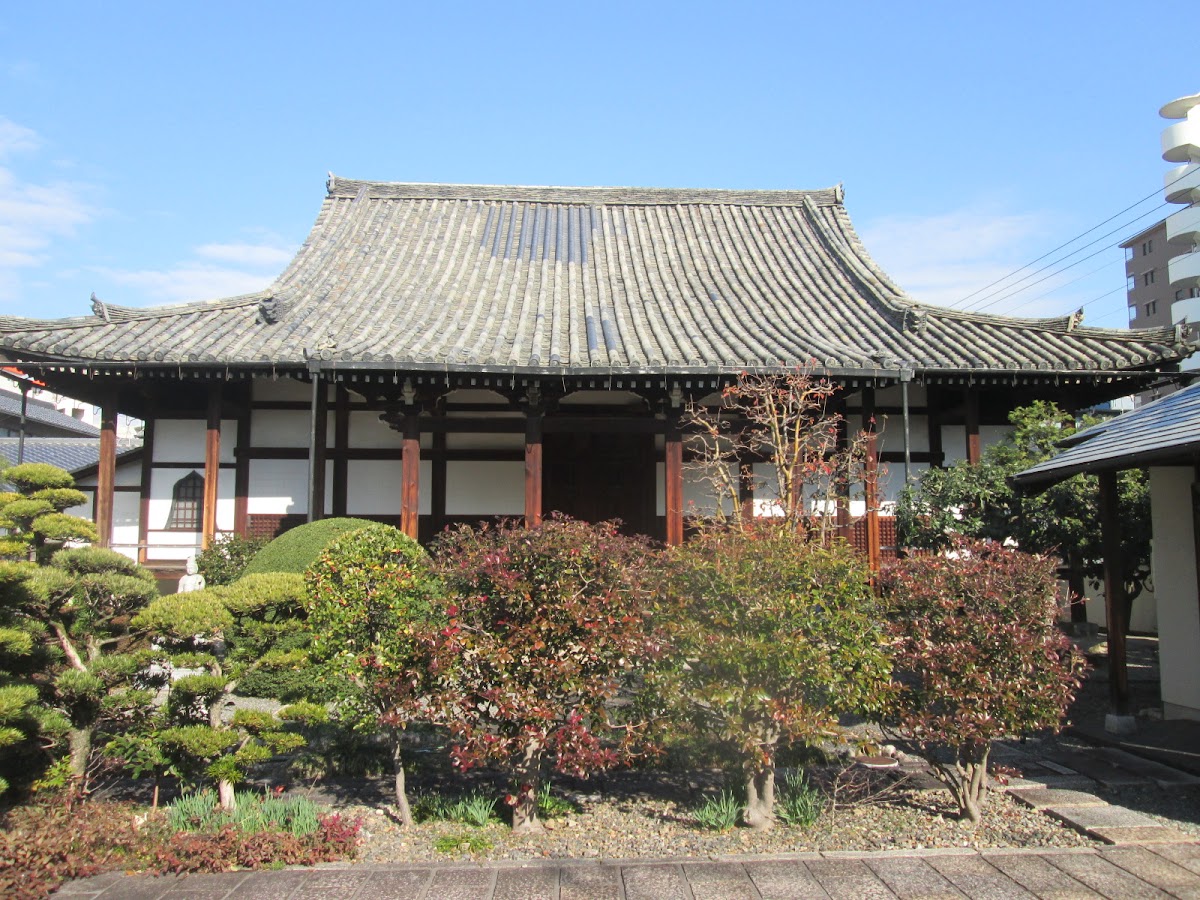
The temple gate, facing Kuramaguchi Street, is usually open, allowing free entry to the temple grounds. Its simple yet dignified design exudes a calm atmosphere characteristic of a Jōdo sect temple.
Main Hall
The main hall houses the principal image, Amida Buddha. Based on the teachings of the Jodo sect, it is the central place of the Nembutsu faith, believing in the salvation of Amida Buddha. The building retains the style from the Edo to Meiji periods, clearly demonstrating the characteristics of Kyoto temple architecture.
Hexagonal Hall (Jizo Hall)
The most noteworthy building on the temple grounds is the Hexagonal Hall, which enshrines the Kuramaguchi Jizo. As its name suggests, it has a distinctive hexagonal shape and was built in the Edo period as a hall to enshrine Jizo Bodhisattva.
Normally, worship is conducted from the outside, but during the Six Jizo Pilgrimage period, there are opportunities to view the interior. The unusual hexagonal shape is said to symbolize the merit of Jizo Bodhisattva, who saves all beings in the six realms (hell, hungry ghosts, animals, asuras, humans, and heaven).
Pine Trees on the Temple Grounds
As indicated by the temple’s mountain name, “Senmatsu-zan,” several magnificent pine trees are planted on the temple grounds. These pine trees, including some ancient ones, add a sense of dignity and charm to the temple grounds. Along with the well-maintained gardens, they offer visitors a tranquil space.
Atmosphere of the Temple Grounds
The temple grounds are always meticulously clean, maintaining a neat and orderly beauty. Despite being in the city, it offers a quiet environment, creating a peaceful atmosphere perfect for leisurely worship. It is a beloved place of worship for local residents and a popular resting place for tourists.
Goshuin (Temple Seal) Information
Jōzenji Temple offers Goshuin.
Goshuin Contents:
- Ink calligraphy of “Kuramaguchi Jizō-son” or “Jōzenji” in the center
- Temple seal and date
- Special seals may be applied during the Six Jizō Pilgrimage period
Issuance Hours: Since the temple is often unattended, it is recommended to call ahead to confirm. Goshuin are guaranteed to be issued during the Six Jizō Pilgrimage period (August 22nd and 23rd).
Offering Fee: Approximately 300-500 yen
If you bring your own Goshuincho (stamp book), there is also a special stamp sheet for the Six Jizo Pilgrimage. Those planning to visit all six locations should consider this option.
Annual Events
Kyoto Six Jizo Pilgrimage (August 22nd & 23rd)
This is the most important annual event at Jōzenji Temple. On these two days, the temple is bustling with many visitors from morning until evening, and stalls are set up on the grounds. Amulets and talismans are distributed, and Goshuin stamps are available.
Other Events
As a Jōdo-shū temple, Buddhist events such as the spring and autumn equinox services and the Obon (Buddhist festival) Segaki (feeding of hungry ghosts) service are held. Please contact the temple directly for details.
Access Methods
Access by Train
From Kuramaguchi Station on the Kyoto Municipal Subway Karasuma Line
- Approximately 5 minutes’ walk east from Exit 2
- Proceed east along Kuramaguchi Street, near the intersection with Teramachi Street
- Access from the nearest station is the most convenient.
From Demachiyanagi Station on the Keihan Railway
- Approximately 15 minutes’ walk
- Head north along Kawaramachi Street, then west along Kuramaguchi Street
Access by Bus
Kyoto City Bus
- Get off at the Kawaramachi Kuramaguchi bus stop, approximately 3 minutes’ walk
- Get off at the Karasuma Kuramaguchi bus stop, approximately 5 minutes’ walk
Available routes: Routes 4, 37, 59, 102, 201, 203, etc.
Access by Car
Parking: There is no dedicated parking lot. Please use nearby coin-operated parking lots.
From Kyoto Station: Approximately 20 minutes by car (approx. 4km)
During the Rokujizo pilgrimage period, surrounding roads become congested, so we recommend using public transportation.
Nearby Tourist Attractions
Kyoto Imperial Palace and Kyoto Gyoen National Garden
Located about a 15-minute walk south from Jōzenji Temple, the Kyoto Imperial Palace was formerly the residence of the emperor and is now open to the public. The vast Kyoto Gyoen National Garden is a popular place of relaxation for citizens.
Shōkokuji Temple
The head temple of the Shōkokuji branch of the Rinzai school of Zen Buddhism, founded by Ashikaga Yoshimitsu, the third shogun of the Muromachi shogunate. It is a prestigious Zen temple with Kinkakuji and Ginkakuji as its sub-temples. Approximately a 10-minute walk from Jōzenji Temple.
Rozanji Temple
A Tendai-style temple said to be the site of Murasaki Shikibu’s residence. Known as the place where The Tale of Genji was written, it is famous for its beautiful bellflower garden. Approximately a 10-minute walk from Jōzenji Temple.
Shimogamo Shrine (Kamo Mioya Shrine)
An ancient shrine registered as a World Heritage Site. Its charm lies in the natural beauty of the Tadasu no Mori forest and its solemn shrine buildings. Approximately 20 minutes on foot from Jōzenji Temple, or via Keihan Demachiyanagi Station.
Kurama/Kifune Area
Heading north along the Kurama Road, guarded by the Kuramaguchi Jizo, you reach the mountainous area where Kurama-dera Temple and Kifune Shrine are located. This area is popular for its summer riverside dining and autumn foliage.
The Charm of Jōzenji Temple and Points for Visiting
A Quiet Environment for Worship
Jōzenji Temple is more of a place of faith rooted in the local community than a tourist temple. Therefore, it is not crowded like famous tourist spots (except during the Rokujizo pilgrimage period), and a quiet environment for worship is maintained.
It is the perfect place for those who want to escape the hustle and bustle of Kyoto sightseeing and have time to quietly contemplate Buddha.
Experiencing the Six Jizo Pilgrimage
If you have the opportunity to visit Kyoto on August 22nd or 23rd, be sure to participate in the Six Jizo Pilgrimage. Visiting all six locations in one day is challenging, but it’s a valuable opportunity to experience a traditional Kyoto event.
Jōzenji Temple is relatively easy to access among the Six Jizo, making it a convenient location to combine with other temples.
As part of a walk around the Kyoto Imperial Palace
It’s also recommended to incorporate this into a walking course visiting temples and shrines in the northern part of central Kyoto, such as the Kyoto Imperial Palace, Shōkokuji Temple, and Rozanji Temple. Many historical sites are within walking distance, making this an area where you can deeply feel Kyoto’s history and culture.
Regarding Photography
Photography is generally permitted within the temple grounds, but please refrain from taking photos inside the main hall or the hexagonal hall. Also, please be considerate of the privacy of other visitors.
The Relationship Between Jōzenji Temple and Kamigyo Ward
Although Jōzenji Temple currently belongs to Kita Ward in Kyoto City, it has deep historical ties to Kamigyo Ward, as evidenced by its selection as one of the “100 Historic Sites of Kamigyo Ward.”
Originally located in Senbon Imadegawa (present-day Kamigyo Ward), it has continued to attract the faith of local residents of Kamigyo since the Edo period. While the ward boundaries have changed over time, Jōzenji Temple remains an important place of worship for the people of the area.
Its selection as one of the “100 Historic Sites of Kamigyo Ward” demonstrates the historical and cultural value of this temple and its importance to the local community.
Precautions When Visiting the Temple
Attire and Manners
- Please dress appropriately for visiting a temple.
- Please behave quietly on the temple grounds and be considerate of other visitors.
- Please refrain from smoking and eating outside of designated areas.
Visiting Hours
- You can generally visit the temple grounds freely, but please avoid visiting early in the morning or late at night.
- If you wish to receive a Goshuin (temple stamp) or detailed explanation, it is recommended to check by phone in advance.
During the Six Jizo Pilgrimage
- August 22nd and 23rd will be extremely crowded. Please visit with plenty of time to spare.
- As it is a hot summer time, please remember to take precautions against heatstroke (hydration, hat, etc.).
- If you plan to visit all six locations, it is a good idea to plan an efficient route in advance.
Summary
Jōzenji Temple is a historic temple with a history of over 1200 years since its founding in the Heian period. Originally a Tendai sect training hall, Jōzenji Temple underwent devastation and reconstruction during times of war, and relocated and changed sects during Toyotomi Hideyoshi’s reconstruction of Kyoto. Currently, it is a Jōdo sect temple that attracts the faith of the local people.
As the temple that enshrines the Kuramaguchi Jizō, one of the six Jizō statues of Kyoto, it is bustling with many visitors every August, yet at other times it offers a peaceful and tranquil environment for worship.
Conveniently located just a 5-minute walk from Kuramaguchi Station on the Kyoto Municipal Subway, Jōzenji Temple offers a calm atmosphere far removed from the hustle and bustle of the city. It’s also recommended to visit Jōzenji Temple in conjunction with other nearby tourist attractions such as the Kyoto Imperial Palace and Shōkokuji Temple.
Whether you participate in the traditional events of the Six Jizō Pilgrimage or simply seek solace in quiet worship away from the everyday noise, Jōzenji Temple offers a variety of ways to enjoy your visit. Please come and experience it for yourself.