Kaina Shrine (Kofu City, Yamanashi Prefecture) Complete Guide | History, Benefits, Shrine Grounds, and Access Information
Kaina Shrine, located in the center of Kofu City, Yamanashi Prefecture, is a historic shrine that has long been revered as the guardian shrine of Kai Province. It possesses a unique form of worship that fuses Hakusan and Fujisan beliefs, and is known for its history of relocation by Takeda Nobutora and its diverse array of shrine grounds. This article comprehensively introduces information you should know before visiting Kaina Shrine, including its history, enshrined deities, benefits, highlights of the grounds, and access methods.
History and Origins of Kaina Shrine
Origins of its Founding and Ancient Beliefs
The founding of Kaina Shrine is said to date back to the reign of Emperor Suizei, the second emperor of Japan. According to shrine records, the shrine’s origins lie in the fact that Prince Tomohiko, during the construction of the irrigation system in Kai Province, enshrined Hakusan Okami on Mount Kaina (present-day Mount Atago), a mountain in the center of the province.
Because of this history, Kaina Shrine has been revered by the people of Kai Province since ancient times as the guardian deity of development and flood control. It boasts a high status as a shrine listed in the Engishiki Jinmyocho (a list of shrines compiled in the Heian period), and is considered a candidate for the Shikinaisha (a shrine listed in the Engishiki).
History as Hakusan Gongen
Formerly known as “Hakusan Gongen” or “Hakusan Shrine,” it was a shrine rooted in the Hakusan faith. The Hakusan faith, which reveres Mount Hakusan in Ishikawa Prefecture as a sacred mountain, spread throughout Japan. Kaina Shrine, as one such shrine, enshrines Kikurihime-no-Mikoto as its principal deity and has attracted devotion to Hakusan Okami.
Hakusan-Okami is also worshipped as “Hakusan,” a god who protects dental health, and even today, toothbrushes bearing the name “Hakusan-Okami Hakusan” are distributed as gifts.
Relocation by Takeda Nobutora
A significant turning point in the history of Kaina Shrine was its relocation by Takeda Nobutora during the Eisho era (1504-1520) of the Sengoku period. Originally located on the summit of Atago-yama (Kaina-yama) in northern Kofu City, Takeda Nobutora relocated it to its current location in Kurata (Central Kofu City) as part of the development of Kofu’s castle town.
As a Sengoku daimyo of Kai Province, the Takeda clan placed great importance on the development of shrines and temples in their domain management, and it is believed that Kaina Shrine was relocated to its current location as part of this policy. This relocation placed Kaina Shrine in the heart of Kofu, creating an environment that made it more accessible to a wider range of worshippers.
Development Since the Early Modern Period
Throughout the Edo period, Kaina Shrine was cherished by the local people as the tutelary deity of Kofu, and in the Meiji era, it was designated a village shrine. Currently, it is counted as one of the “Five Shrines of Kofu” and is a popular destination for many people to visit at important life events such as New Year’s Day, Shichi-Go-San (a traditional rite of passage for children), and for warding off evil.
It also has deep ties to the Imperial Family; it is said that when a member of the Imperial Family became pregnant, a sacred amulet for safe childbirth was presented, demonstrating its high status.
Deities and Blessings
Main Deities
The following deities are enshrined as the main deities at Kaina Shrine:
Kikurihime-no-Mikoto
She is a goddess central to the Hakusan faith and is believed to bestow blessings of matchmaking, marital harmony, and family safety. From her name “Kukuri,” she is believed to possess the power to connect people and bring things together.
Konohanasakuya-hime no Mikoto
A goddess known as the deity of Mount Fuji, she is a central figure in Asama worship. She is believed to bestow blessings of beauty, safe childbirth, child-rearing, and protection from fire. This is why Kai-na Shrine is also called “Asama Shrine.”
Diverse Blessings
In addition to the blessings of the main deity, Kai-na Shrine is believed to offer a variety of blessings through its numerous subsidiary shrines within the grounds, including the following:
- Matchmaking and Successful Relationships: Divine Virtue of Kikurihime-no-Mikoto
- Safe Childbirth and Child-Rearing: Divine Virtue of Konohanasakuya-hime-no-Mikoto
- Family Safety: Prayers at the Family Safety Shrine
- Academic Success and Passing Exams: Academic Success Shrine, Bell of Success, and Stone of Success
- Business Prosperity: Business Prosperity Shrine, Inari Shrine
- Exorcism and Protection from Evil: Prayers for Exorcism and Protection from Evil
- Traffic Safety: Prayers for Traffic Safety
- Health and Longevity: Longevity Shrine, Health Guardian Shrine
- Fulfillment of All Wishes: Prayers at the Shrine for Fulfillment of All Wishes
In this way, it is a comprehensive shrine that can address wishes in all aspects of life, and it attracts the faith of the local community.
Highlights of the Shrine Grounds
Shrine Buildings and Atmosphere
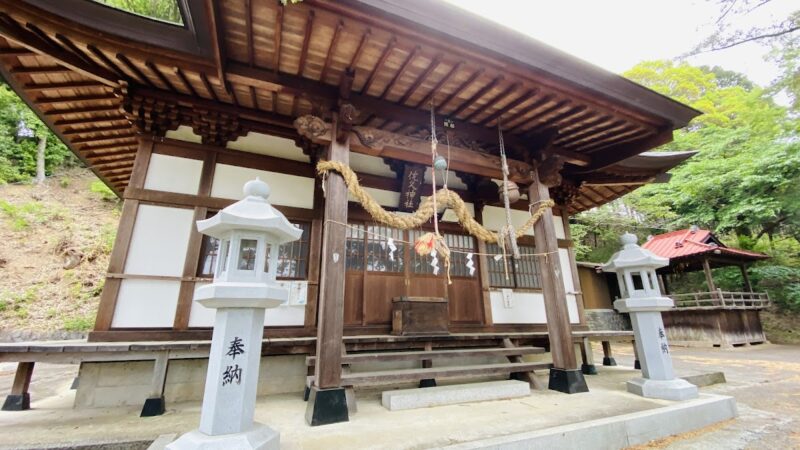
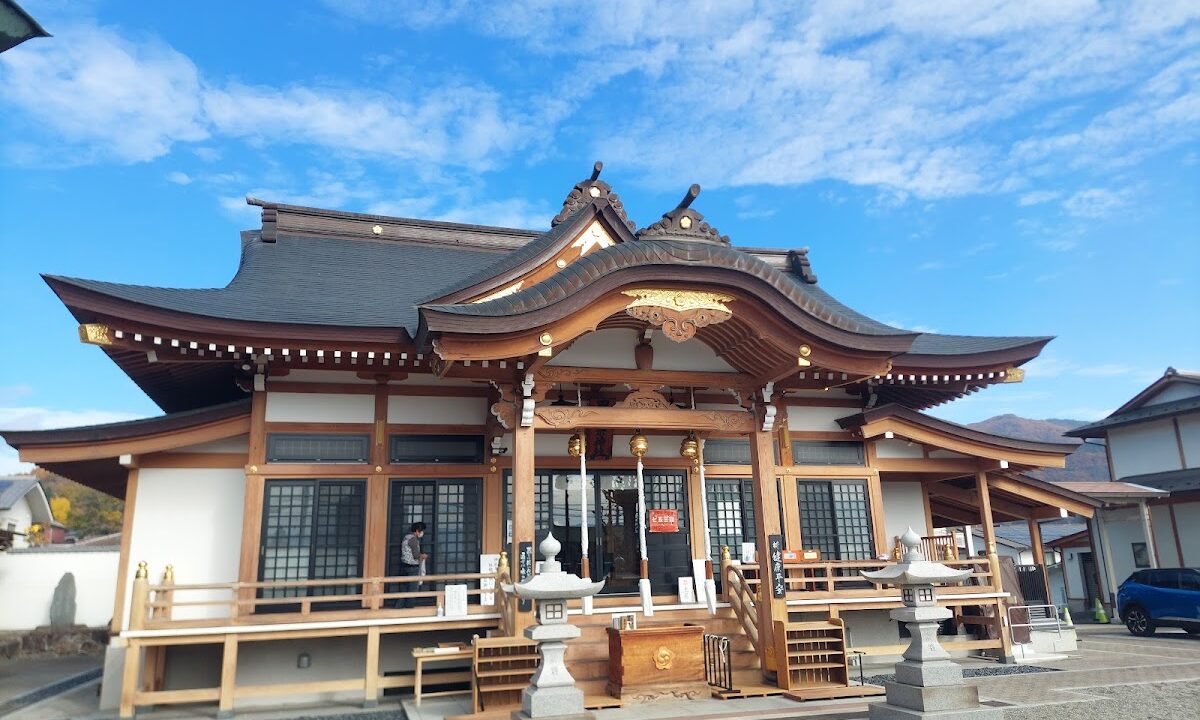
Located approximately 100 meters south of Kanete Station, Kaina Shrine features a stone wall facing the road. Climbing the stairs reveals a spacious and beautiful gravel-covered shrine grounds. In the center of the grounds stands a newly renovated, impressive worship hall, behind which sits a slightly smaller main shrine.
The grounds are neatly maintained, creating a refreshing atmosphere for worship. Despite its urban location, it maintains a tranquil space, providing an environment conducive to peaceful prayer.
Abundant Subsidiary Shrines and Sacred Stones
A major characteristic of Kaina Shrine is the numerous subsidiary shrines and sacred stones located within its grounds. Each corresponds to a specific blessing, allowing worshippers to visit each shrine according to their wishes.
Major Subsidiary Shrines
Enmei Choju-sha
This shrine is dedicated to prayers for longevity and good health, and is frequently visited by elderly people.
Family Safety Shrine
A shrine where prayers are offered for the safety and harmony of the family.
Academic Success Shrine
A shrine where prayers are offered for academic improvement and success in exams; many students and their families visit.
Business Prosperity Shrine
A shrine where prayers are offered for business prosperity and success.
Inari Shrine
A shrine dedicated to Inari, the god of business prosperity and abundant harvests.
Wish Fulfillment Shrine
A shrine where many worshippers visit, believing that all wishes will be granted.
Shrine of Precinct Protection
A shrine that protects the temple grounds and worshippers.
Shrine of All Spirits
A shrine to comfort the spirits of ancestors and spirits of those without relatives.
Distinctive Spiritual Stones
Animal Spiritual Stone
A spiritual stone for comforting the spirits of animals; people who have lost pets visit to offer prayers.
Mizuko Rei-ishi (Stone for Stillborn Children)
This is a stone to comfort the spirits of stillborn children.
Muen-rei-ishi (Stone for the Unclaimed Spirits)
This is a stone to comfort the spirits of those without relatives.
Gogyo Enman-ishi (Stone of Harmony of the Five Elements)
This is a stone based on the Yin-Yang Five Elements philosophy, symbolizing the harmony of all things.
Okuninushi-no-Okami Stone Statue
A stone statue of Okuninushi-no-Okami, known as the god of matchmaking, is enshrined here.
Ikime-no-Okami Stone Statue
This is a stone statue of Ikime-no-Okami, worshipped as the god who protects eye health.
Symbols of Prayer for Success
Bell of Success
This bell is rung by students praying for success in their exams, and many visitors come to pray for this.
Stone of Success
This stone is worshipped as a stone for prayer for success in exams, and it is believed that stroking it brings the benefit of academic achievement.
Kai-na Seven Lucky Gods
The Kai-na Seven Lucky Gods are enshrined on the temple grounds, allowing visitors to visit and pray to the Seven Lucky Gods. The Seven Lucky Gods are widely worshipped as gods of good fortune and prosperity, and it is believed that visiting all of them will bestow great blessings.
Hyakudo Meguri (Hundred-Time Pilgrimage)
Within the shrine grounds, there is a stone dedicated to the Hyakudo Meguri, where devout believers perform the pilgrimage 100 times while making their wishes.
Guardian Horse for Good Fortune
A statue of a horse is enshrined as a symbol of good fortune and protection. Horses have been considered the mounts of the gods since ancient times and are symbols of good fortune.
Traffic Safety Facility
A facility for praying for traffic safety is provided, and car blessings are also available. Many people visit this shrine to pray for traffic safety, which is becoming increasingly important in modern society.
About the Three Kai-na Shrines
There are actually three shrines named “Kai-na Shrine” in Yamanashi Prefecture. This is due to historical circumstances, and each has its own unique history.
Kaiina Shrine in Chuo, Kofu City (Featured in this article)
The most well-known is the Kaiina Shrine located in Chuo, Kofu City, which is featured in this article. It was relocated by Takeda Nobutora and is a highly prestigious shrine, counted as one of the five major shrines of Kofu.
Other Kaiina Shrines
There are other Kaiina Shrines within Yamanashi Prefecture, each attracting local devotion. Several shrines claim to be the candidate for the Shikinaisha (a shrine listed in the Engishiki, an ancient Japanese legal code) “Kaiina Shrine,” demonstrating the widespread nature of the faith since ancient times.
About Prayers and Sorrows
Main Types of Prayers
At Kaiina Shrine, you can receive the following types of prayers to suit various milestones and wishes in your life.
- First Shrine Visit (Omiyamairi): Praying for the healthy growth of the baby
- Shichi-Go-San (7-5-3 Festival): Celebrating the growth of a child and praying for their future health
- Exorcism and Purification: Prayers for protection against misfortune during the unlucky year
- Prayer for Safe Childbirth: Prayers for a safe childbirth for the pregnant woman and the health of mother and child
- Prayer for Passing Exams: Prayers for success in examinations
- Traffic Safety (Car Blessing): Prayers for protection from traffic accidents
- Family Safety: Prayers for the safety of the family and harmony in the home
- Business Prosperity: Prayers for the prosperity of the business
- Recovery from Illness: Prayers for recovery from illness
- Prayer for a Good Match: Prayers for being blessed with a good match
About New Year’s Visits
Kaina Shrine is known as one of the leading New Year’s visit spots in Kofu City. Many worshippers visit during the first three days of the New Year to pray for safety and prosperity in the new year. Details regarding the first shrine visit of Reiwa 7 (2025) are also available on the official website.
Prayer Requests
If you wish to request prayers, you can make a reservation by phone in advance or register at the shrine office on the day of your visit. Please check the official website or call for details.
About Goshuin (Shrine Seals)
Kaina Shrine offers Goshuin. Many visitors receive them as a memento of their visit and to deepen their connection with the shrine.
Goshuin can be obtained at the shrine office and are sometimes given along with a Kaina Shrine bookmark. Unique items such as the aforementioned “Hakusan Okami Hakusan” toothbrush are also popular.
Access Information
Location
Address: Chuo, Kofu City, Yamanashi Prefecture
Access by Train
Nearest Station: JR Chuo Main Line “Kanete Station”
- Approximately 2 minutes on foot south from Kanete Station (approx. 100 meters)
- Approximately 5 minutes from Kofu Station on the Chuo Main Line
Kanete Station is an unmanned station, but it is the most convenient station for accessing Kaina Shrine. Upon exiting the station and heading south, you will immediately see the shrine’s stone walls and stairs.
Access by Car
Chuo Expressway
- Approximately 15 minutes from Kofu-Showa IC
- Approximately 20 minutes from Kofu-Minami IC
Located in the central part of Kofu City, it offers good access from the city center.
Parking
A parking lot for visitors is available. During peak seasons such as New Year’s and Shichi-Go-San (7-5-3) festivals, when crowds are expected, we recommend using public transportation.
Visiting Hours
While visiting the shrine grounds is generally free, it is recommended to check the official website or call ahead to confirm the reception hours of the shrine office and the times for prayers.
Nearby Tourist Attractions
Sightseeing in Kofu City
Kofu City, where Kai-na Shrine is located, is the capital of Yamanashi Prefecture and a city where history and culture thrive.
Takeda Shrine
A shrine dedicated to Takeda Shingen, and a classic Kofu tourist spot. Approximately 15 minutes by car from Kai-na Shrine.
Kofu Castle Ruins (Maizuru Castle Park)
These castle ruins are located in the center of Kofu City, and the stone walls and reconstructed turrets are highlights.
Shosenkyo Gorge
A scenic spot boasting one of Japan’s most beautiful gorges, located in the northern part of Kofu City.
Kofu Five Shrines Pilgrimage
Kai-na Shrine is counted as one of the “Five Shrines of Kofu.” Visiting the other four shrines as well allows you to experience the depth of Kofu’s history and faith.
A Sacred Site of Mount Fuji Worship
Yamanashi Prefecture is located at the foot of Mount Fuji and has long been a region where Mount Fuji worship is prevalent. After paying your respects to Konohanasakuya-hime (Asama-no-Okami) at Kaina Shrine, it is also recommended to visit Asama Shrines around Mount Fuji and the Fuji Five Lakes.
The Charm and Points to Note When Visiting Kaina Shrine
Layers of History
The greatest charm of Kaina Shrine lies in its layered history. Beginning with ancient pioneering myths, it encompasses the worship of Mount Hakusan, Mount Fuji, the relocation by the Takeda clan, and the development of the early modern period, with various eras of faith accumulating within it.
Diverse Blessings
A major feature is that you can receive diverse blessings at one shrine, thanks to the numerous subsidiary shrines and sacred stones located within the grounds. Families can visit and pray for their individual wishes at each shrine.
A Tranquil Space in the City
Despite being located in the city center, just a 2-minute walk from Kanete Station, the temple grounds maintain a tranquil and peaceful atmosphere. It is a beloved place for local residents to escape the hustle and bustle of everyday life and find peace of mind.
A Place of Worship for Life’s Milestones
It is a place of worship cherished across generations for various milestones in life, such as baby blessings, Shichi-Go-San (a traditional rite of passage for children), exorcism, prayers for success in exams, and weddings.
Etiquette and Manners for Visiting a Shrine
Basic Etiquette for Visiting a Shrine
- Bow before passing through the torii gate.
- Purify your body and mind at the water basin.
- Hold the ladle in your right hand and wash your left hand.
- Switch the ladle to your left hand and wash your right hand.
- Switch the ladle back to your right hand, receive water in your left hand, and rinse your mouth.
- Wash your left hand, then hold the ladle upright and wash the handle.
- Place your offering in front of the main hall.
- Two bows, two claps, one bow.
- Bow deeply twice.
- Clap your hands twice at chest height.
- Pray with sincerity.
- Bow deeply once.
- Visit the subsidiary shrines in the same manner.
Points to Note When Visiting a Shrine
- The shrine grounds are a sacred place, so please visit quietly.
- Take photographs only where permitted.
- Do not enter restricted areas such as inside the main hall.
- Take your trash with you.
Summary
Kaina Shrine is a historic shrine located in the center of Kofu City, Yamanashi Prefecture, with a long history dating back to ancient times. A fusion of Hakusan and Fujisan worship, and with a history of relocation by Takeda Nobutora, this shrine is one of the five major shrines of Kofu and is cherished by the local people.
The main deities enshrined here are Kikurihime-no-Mikoto and Konohanasakuya-hime-no-Mikoto, and the shrine is believed to offer a variety of blessings, including matchmaking, safe childbirth, family safety, academic success, and business prosperity. Within the shrine grounds are numerous smaller shrines, including those for longevity, family safety, academic success, business prosperity, and Inari, as well as sacred stones such as animal spirit stones, aborted fetus spirit stones, and Five Elements harmony stones.
With many attractions within the grounds, including the Bell of Success, the Stone of Success, the Kaina Seven Lucky Gods, a 100-time pilgrimage, and lucky horses, visitors can offer prayers tailored to their individual wishes.
Its convenient location, just a two-minute walk from Kanete Station, is a major draw. Many people visit this shrine for important life events such as New Year’s prayers, Shichi-Go-San (a traditional rite of passage for children), exorcisms, and car blessings.
When you visit Kofu, be sure to visit Kaina Shrine and experience its deep history and faith. It’s a charming shrine where you can find peace of mind in its tranquil grounds, wander through its various subsidiary shrines, and pray for your own wishes.