Yamahachiman Shrine (Kofu City, Yamanashi Prefecture) Complete Guide | History, Deities, Access, and Highlights Explained in Detail
Yamahachiman Shrine, located in Tokoji, Kofu City, Yamanashi Prefecture, is a historically significant shrine associated with the Kai Genji clan and is deeply revered by the local community. This shrine, with its striking red torii gate visible from the JR Chuo Line train windows, has deep connections to the Takeda family and Asano Nagamasa, and has been revered as the guardian deity of Kofu Castle’s construction. This article provides a detailed explanation of Yamahachiman Shrine’s history, deities, highlights within the grounds, access methods, and information on Goshuin (shrine stamps), making it a useful resource for visitors.
Basic Information on Yamahachiman Shrine
Yamahachiman Shrine is a former village shrine located at 1-1-32 Tokoji, Kofu City, Yamanashi Prefecture. The nearest station is Kanete Station on the JR Minobu Line, within walking distance. It is also easily accessible from Kofu Station and is a popular destination as part of the Kofu Five Mountains Pilgrimage.
Location: 1-1-32 Tokoji, Kofu City, Yamanashi Prefecture
Shrine Rank: Former Village Shrine (ranked as a village shrine in 1928)
Nearest Station: JR Minobu Line, Kanete Station
Parking: Available
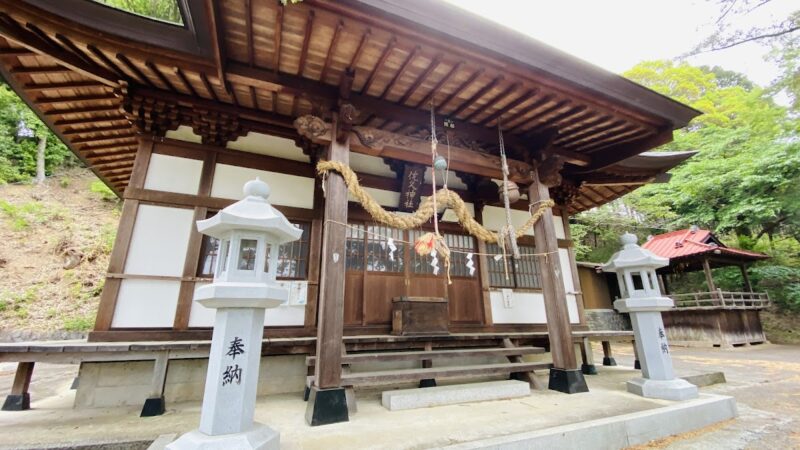
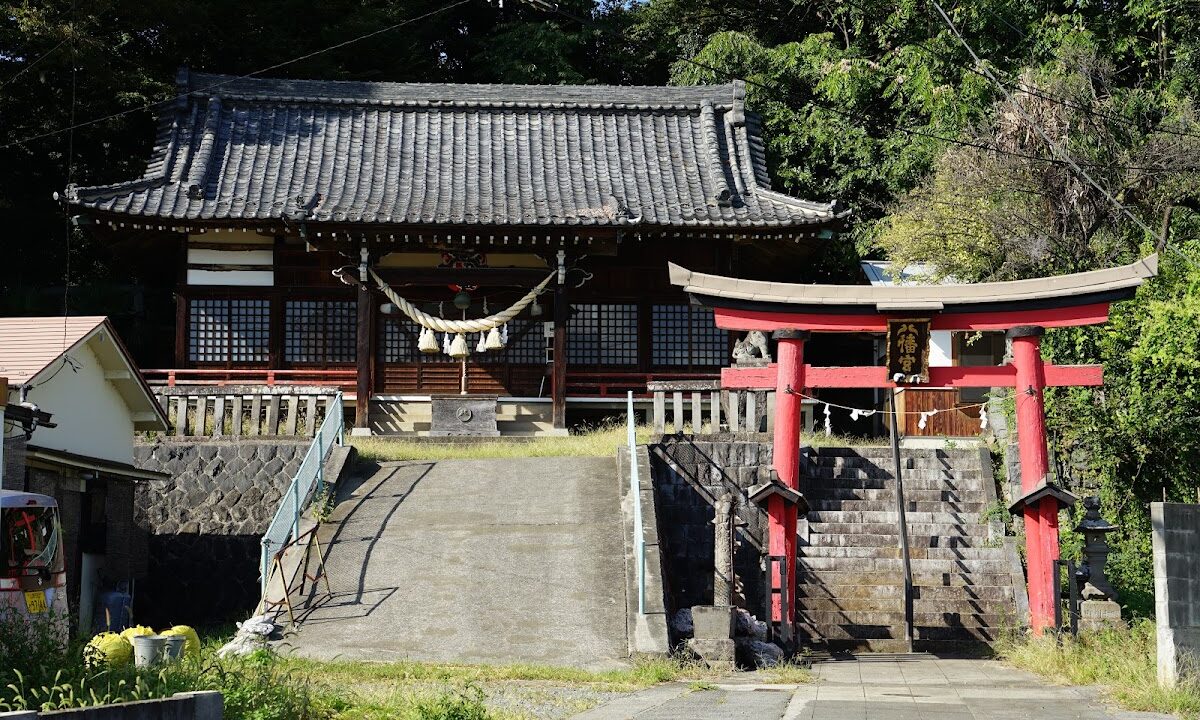
The shrine grounds open to the south, and the shrine building, characterized by its large shimenawa (sacred rope), welcomes visitors. The red torii gate visible from the JR Chuo Line is known to many people as a striking feature.
Deities and Benefits of Yamahachiman Shrine
The deities enshrined at Yamahachiman Shrine are Emperor Ojin, the central figure of Hachiman worship, and other gods. Hachiman is known as a god of war and is believed to bring good fortune in competitions, protection from evil, and family safety.
Main Deities Enshrined
- Emperor Ōjin
- Empress Jingū
- Hime Ōkami
While Hachiman worship is widespread throughout Japan, Yamahachiman Shrine has particularly deep ties to the Kai Minamoto clan and has been revered as the guardian deity of samurai families.
Expected Benefits
- Good fortune in competitions and victory
- Protection from evil and disaster
- Family safety
- Business prosperity
- Long-lasting military fortune
- Protection of castles (revered by Asano Nagamasa as the guardian deity of Kōfu Castle)
History and Origins of Yamahachiman Shrine
The history of Yamahachiman Shrine dates back to the fervent faith of Shinra Saburō Yoshimitsu, the ancestor of the Kai Minamoto clan, in Iwashimizu Hachiman Shrine.
Origin of the Shrine
Shinra Saburo Yoshimitsu held deep reverence for Iwashimizu Hachimangu Shrine. His third son, Yoshikiyo, after settling in Kai Province, established Nishiyama Hachimangu Shrine on Shinoharaoka as the guardian deity of the Kai Minamoto clan. This is the origin of Yama Hachiman Shrine.
Enshrinement during the Kenryaku Era
During the Kenryaku era (1211-1213), the shrine was established in the Yōkaichiba area, and a shrine building was constructed under the fervent devotion of the Takeda family. The Takeda clan, as the main lineage of the Kai Minamoto clan, continued to revere Yama Hachiman Shrine as their tutelary deity.
Relocation by Asano Nagamasa
During the Tenshō and Keichō eras, when Asano Nagamasa built Kofu Castle, he relocated the shrine to its current location in Tōkōji, Kofu City. Since then, Yama Hachiman Shrine has been revered as a guardian shrine of castle construction.
Dedication of Imperial Plaque and Renaming
During the Kan’ei era (1624-1645), Prince Hachinomiya Yoshizumi dedicated an imperial plaque. In recognition of this honor, the shrine was renamed from the former “Nishiyama Hachimangu” to “Yama Hachimangu”.
Modern Development
In 1928 (Showa 3), it was elevated to the rank of a local shrine, officially recognized as an important shrine in the region. A stone monument commemorating its elevation to local shrine status still remains on the grounds.
Highlights and Cultural Assets on the Grounds
The grounds of Yama Hachimangu Shrine offer many historical points of interest.
Red Torii Gate
The red torii gate visible from the windows of the JR Chuo Line train is a beloved symbol of Yama Hachimangu Shrine. Its vibrant vermilion color, visible even from afar, beckons visitors into the sacred precincts.
Large Shimenawa (Sacred Rope)
The large shimenawa hanging above the main hall is a striking sight for visitors. This shimenawa speaks to the shrine’s status and the deep faith of the local community.
Shrine Building
Since its relocation to its current location during the time of Asano Nagamasa, the shrine has maintained its traditional architectural beauty despite several restorations. The south-facing building enjoys ample sunlight and a bright atmosphere.
Monument Commemorating the Shrine’s Promotion to a Local Shrine
Within the shrine grounds stands a stone monument commemorating the shrine’s promotion to a local shrine in 1928 (Showa 3), conveying its historical importance.
Atmosphere of the Shrine Grounds
Despite its urban location, the shrine grounds are filled with a tranquil atmosphere. Walking along the approach allows one to escape the hustle and bustle and find peace of mind.
How to Access Yamahachiman Shrine
Yamahachiman Shrine is located in Kofu City and is easily accessible by both public transport and private car.
Access by Train
Using the JR Minobu Line
- Approximately 5-10 minutes on foot from Kanete Station
- Also within walking distance from Zenkoji Station
Using the JR Chuo Main Line
- Approximately 20 minutes on foot from Kofu Station
- Buses and taxis are also available from Kofu Station
Kanete Station is an unmanned station, but it’s conveniently located just one stop from Kofu Station, and the Minobu Line has relatively frequent train service.
Access by Car
Using the Chuo Expressway
- Approximately 15 minutes from Kofu-Showa IC
- Approximately 20 minutes from Kofu-Minami IC
Parking is available on or around the temple grounds, but it is recommended to check in advance during busy periods such as New Year’s Day.
Landmarks in the vicinity
- Along the JR Chuo Line tracks (you can see the red torii gate from the train window)
- Tokoji area, Kofu City
- Southeast of Takeda Shrine
Information on Goshuin (Shrine Seals) and Amulets
About Goshuin
Goshuin are available at Yamahachiman Shrine. Many visitors receive a goshuin as a memento of their visit and as a way to forge a connection with the shrine.
When requesting a goshuin, it is recommended to check the shrine office’s reception hours before visiting. Generally, reception hours are from 9:00 AM to around 4:00 PM, but these may change due to religious ceremonies or events.
Amulets and Items
As Hachiman Shrine is believed to bring good fortune in military affairs and competitions, many people visit before important events such as exams, job interviews, and sports competitions. Amulets and votive tablets are also available, so please stop by the shrine office during your visit.
Annual Events and Festivals
New Year’s Visit
Yamahachiman Shrine is a popular spot for New Year’s visits in the area, attracting many worshippers. People visit from New Year’s Day through the third day to pray for safety and prosperity in the new year.
Annual Grand Festival
Various festivals are held throughout the year. Local parishioners and devotees gather to preserve tradition.
Other Events
Seasonal Shinto rituals such as the Setsubun Festival, the Summer Purification Ceremony, and the Autumn Annual Festival are held. Please contact the shrine directly for detailed dates.
Kofu Five Mountains Pilgrimage and Yamahachiman Shrine
Yamahachiman Shrine is sometimes counted as one of the “Five Mountains of Kofu” and is included in the temple and shrine pilgrimage route within Kofu City. Many people visit it along with the area around Kofu Station and Takeda Shrine, making it a worthwhile visit as part of Kofu sightseeing.
Nearby Shrines and Temples
- Takeda Shrine (dedicated to Takeda Shingen)
- Zenkoji Temple (Kai Zenkoji Temple)
- Tokoji Temple (an ancient Rinzai Zen temple)
- Hachiman Shrine (Miyamae-cho, Kofu City)
Visiting these temples and shrines together will allow you to gain a deeper understanding of Kofu’s history and culture.
Manners and Points for Worship
Basic Worship Etiquette
- Bow before passing through the torii gate
- Cleanse your hands and mouth at the water basin
- Walk away from the center of the path
- Bow twice, clap twice, and bow once in front of the main hall
- Bow once again at the torii gate when leaving
Photography
Photography is generally permitted on the shrine grounds, but please refrain from taking pictures inside the shrine buildings or during Shinto rituals. Also, please be considerate of other worshippers.
Attire
There are no specific dress code requirements, but clean clothing that reflects the sacred nature of the place is desirable.
The Charm of Yamahachiman Shrine
Layers of History
From the Kai Genji clan and the Takeda family to Asano Nagamasa and even connections to the Imperial family, Yamahachiman Shrine has a multi-layered history. While a single shrine, it is a rare entity that appears repeatedly in important moments of Japanese history.
Easy Access
Despite its location within Kofu city, it maintains a tranquil environment for worship. It possesses both the approachability of being visible from trains and the dignity of a prestigious shrine.
Connections to the Community
Beloved by locals, Yamahachiman Shrine is a central hub of the community. Through festivals and events, it serves as a place for intergenerational exchange.
Nearby Tourist Attractions
Takeda Shrine
A shrine dedicated to Takeda Shingen, it is a classic Kofu tourist spot. Located north of Yamahachiman Shrine, it is accessible on foot or by bus.
Kofu Castle Ruins (Maizuru Castle Park)
This is the site of Kofu Castle, built by Asano Nagamasa, and is now a park. Considering the history of Yamahachiman Shrine being revered as the guardian deity of castle construction, visiting both sites is worthwhile.
Zenkoji Temple (Kai Zenkoji Temple)
This temple originated when Takeda Shingen moved the principal image of Nagano Zenkoji Temple during the Battle of Kawanakajima. It is within walking distance of Yamahachiman Shrine.
Tokoji Temple
An ancient Rinzai Zen temple, located in the same Tokoji district as Yamahachiman Shrine. It is known for the beauty of its garden.
Points to Note When Visiting Yamahachiman Shrine
Visiting Hours
While the temple grounds are generally open for free worship, the shrine office has limited hours. If you wish to obtain a Goshuin (temple stamp) or amulet, it is recommended to visit between 9:00 AM and 4:00 PM.
Parking
Parking space is limited, so using public transportation is recommended during busy periods such as New Year’s Day.
Contact Information
For detailed information and the latest event schedule, please contact the Yamanashi Prefectural Shrine Association or the shrine directly.
Summary: The Value of Yamahachiman Shrine
Located in Tokoji, Kofu City, Yamanashi Prefecture, Yamahachiman Shrine is a venerable shrine that has watched over the history of Yamanashi, from the Kai Genji clan to the Takeda family and Kofu Castle during the Edo period. While rooted in the local community as a former village shrine, it is also a highly prestigious shrine that has received the honor of having an imperial plaque donated by the Imperial Family.
The red torii gate visible from the JR Chuo Line train windows, the large shimenawa rope in the shrine grounds, and the tranquil atmosphere leave a deep impression on visitors. Please consider visiting as part of a pilgrimage to the Five Mountains of Kofu, or as part of a historical exploration that includes Takeda Shrine and the ruins of Kofu Castle.
Yamahachiman Shrine, where you can pray for good fortune in competitions, protection from evil, and safety for your family, is home to the enshrined deity Hachiman. Why not visit and experience the weight of its history and the warmth of its community affection for yourself?