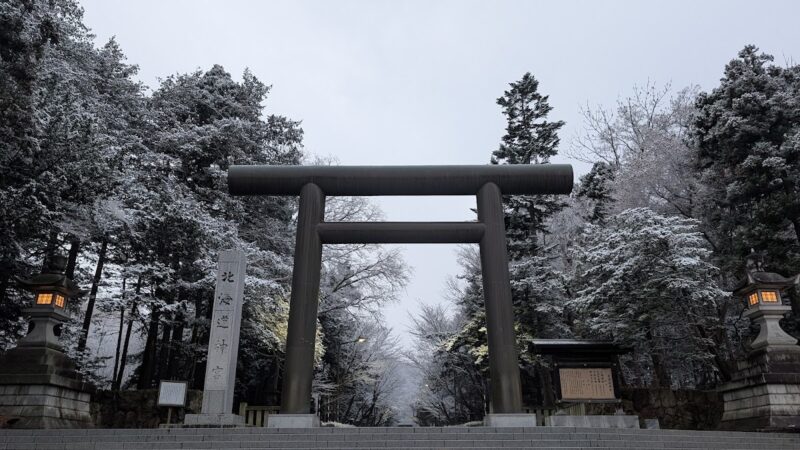
Kakueiji Temple (Toyohira-ku, Sapporo, Hokkaido) Complete Guide | History, Access, and Columbarium Information
Located in Toyohira-ku, Sapporo, Kakueiji Temple is a historic temple belonging to the Jodo Shinshu Honganji sect. This guide provides detailed information about this temple, which has been deeply rooted in the community since the Taisho era and cherished by many believers.
Basic Information about Kakueiji Temple
Temple Overview
Mountain Name/Temple Name: Hakuchozan Kakueiji
Kakueiji Temple belongs to the Jodo Shinshu Honganji sect (Nishi Honganji) and is affiliated with the Sapporo branch of the Hokkaido diocese. The Jodo Shinshu Honganji sect is a Buddhist sect founded by Shinran Shonin, which teaches that one can attain rebirth in the Pure Land by believing in the original vow of Amida Buddha and chanting the Nembutsu.
Location and Access Information
Address: 2-30, Toyohira 1-jo 4-chome, Toyohira-ku, Sapporo, Hokkaido 062-0901
Phone Number: 011-821-4114
Kakueiji Temple is located in the heart of Toyohira-ku, Sapporo, and boasts extremely convenient transportation access. The surrounding area is a mix of residential and commercial facilities, making it a familiar presence for local residents.
How to Access Kakueiji Temple
Access by Train
Kakueiji Temple is within walking distance of a station on the Tozai Subway Line, making it very convenient to access by public transportation.
Distance from Nearest Station:
- Kikusui Station (Tozai Subway Line): Approximately 5 minutes on foot from Exit 6 (approx. 364m)
- Gakuenmae Station (Tozai Subway Line): Approximately 9 minutes on foot (approx. 695m)
Access from Kikusui Station is the most convenient. After exiting the station, head towards the Toyohira River, and after passing through the residential area, you will arrive at Kakueiji Temple. The route from the station is flat, so even first-time visitors should be able to find their way without getting lost.
Access by Bus
Nearest Bus Stop: Approximately 4 minutes on foot (approx. 241m) from Toyohira 3-jo 4-chome bus stop.
If accessing by bus from various parts of Sapporo city, the Toyohira 3-jo 4-chome bus stop is the closest. The temple is a few minutes’ walk from the bus stop.
Access by Car
The temple is approximately 10-15 minutes by car from central Sapporo. It is easily accessible from National Route 36 and Toyohira River Street. For parking during your visit, we recommend contacting the temple in advance.
History and Background of Kakuei-ji Temple
Founding History
The history of Kakuei-ji Temple dates back to the early Taisho era. It began when Reverend Kakusho Unno traveled from Myozen-ji Temple in Yamagata Prefecture to Hokkaido and started missionary work in Shiroishi Ward, Sapporo City.
1920 (Taisho 9): Established as the Honganji Toyohira Preaching Hall. This is the predecessor of Kakuei-ji Temple.
At that time, Hokkaido was undergoing rapid development, and many people migrated from various parts of Honshu. For those starting their lives in a new land, the existence of a temple as a spiritual anchor was extremely important. Reverend Kakusho Unno dedicated himself to spreading the teachings of Jodo Shinshu Buddhism in order to provide spiritual support to these people.
History of Development
Since its founding in 1920 (Taisho 9), Kakuei-ji Temple has walked hand in hand with the local community. Through the changing times of the Showa, Heisei, and Reiwa eras, the temple has played an important role as a center of faith and a cultural hub in the region.
The current head priest is Reverend Eiji Unno, who inherited the lineage of the founder, Reverend Kakusho Unno, and is responsible for the operation of the temple and its educational activities.
Origin of the Mountain Name “Hakuchozan”
The mountain name of Kakuei-ji Temple is “Hakuchozan” (White Swan Mountain). This temple’s mountain name is thought to reflect the nature and regional characteristics of Hokkaido. The swan is a symbol of purity and beauty, and can be interpreted as representing the pure faith inherent in the teachings of Jodo Shinshu Buddhism.
About the Jodo Shinshu Honganji School
Characteristics of the Sect
The Jodo Shinshu Honganji School, to which Kakuei-ji Temple belongs, is one of the largest Buddhist sects in Japan, with Nishi Honganji Temple in Kyoto as its head temple.
Founder: Shinran Shonin (1173-1263)
Principal Deity: Amida Buddha
Characteristics of Doctrine:
- The Doctrine of Other-Power: The belief that salvation is achieved not through one’s own power, but through the power of Amida Buddha’s original vow.
- The Doctrine of Salvation for the Wicked: The teaching that ordinary people burdened with worldly desires are precisely the objects of Amida Buddha’s salvation.
- Chanting the Nembutsu: Expressing gratitude for Amida Buddha’s salvation by chanting “Namu Amida Butsu.”
Jodo Shinshu in Hokkaido
During the pioneering era of Hokkaido, many people who migrated from Honshu were followers of Jodo Shinshu Buddhism. Therefore, numerous Jodo Shinshu temples were built throughout Hokkaido, providing spiritual support to the immigrants. Kakuei-ji Temple is one such temple that was established within this historical context.
About the Columbarium at Kakueiji Temple
Features of the Columbarium
Kakueiji Temple has a columbarium and accepts perpetual memorial services for cremated remains. For those facing a shortage of cemeteries in urban areas or those finding it difficult to manage a traditional grave, the columbarium is an important option.
Benefits of the Columbarium:
- Visits are possible regardless of weather
- Well-maintained and kept clean
- Convenient access
- May be less expensive than purchasing a cemetery plot
About Perpetual Memorial Services
Kakueiji Temple also offers perpetual memorial services. This system involves the temple taking responsibility for continuing memorial services indefinitely. It is suitable for those without heirs to maintain a grave or those who do not wish to burden their descendants.
For details on the columbarium and perpetual memorial services, please contact the temple directly. They will provide a detailed explanation of costs and contract details.
Annual Events at Kakuei-ji Temple
Main Ceremonies and Events
At Kakuei-ji Temple, various ceremonies and events are held throughout the year in accordance with the traditions of the Jodo Shinshu Honganji sect.
Main Annual Events:
Shushō-e (New Year’s Ceremony): January 1st
A ceremony to welcome the New Year and pray for peace throughout the year.
Spring Equinox Ceremony: March (7 days centered around the spring equinox)
A ceremony to remember and express gratitude to ancestors.
Hanamatsuri (Buddha’s Birthday): Around April 8th
A ceremony to celebrate the birth of Buddha.
Urabon-e (Obon Festival): July or August
An important event to welcome and honor ancestors.
Autumn Equinox Service: September (7 days centered around the autumnal equinox)
Similar to the spring equinox service, this is a memorial service to express gratitude to ancestors.
Hoonko Service: November or December
This is the most important memorial service in Jodo Shinshu Buddhism, commemorating the death anniversary of the founder, Shinran Shonin, and expressing gratitude for his teachings.
New Year’s Eve Service: December 31st
This is a memorial service to conclude the year and prepare for the new year.
Opportunities for Dharma Talks and Listening to the Dharma
Kakuei-ji Temple regularly holds opportunities for Dharma talks. You can listen to easy-to-understand talks about Buddhist teachings by the head priest and learn about ways of thinking and living in daily life.
The schedule for Dharma talks can be found on the temple’s bulletin board or official website. First-time attendees are welcome, so please feel free to come if you are interested.
Information around Kakueiji Temple
Nearby Temples and Cemeteries
Several other temples and cemeteries are located around Kakueiji Temple.
Main nearby facilities:
- Horinkaku
- Hokkaiji Temple “Jakkoden”
- Sapporo Municipal Tsukisamu Cemetery
These facilities, like Kakueiji Temple, function as places of memorial service and faith for the local community.
Surrounding Environment
The Toyohira 1-jo area of Toyohira Ward, where Kakueiji Temple is located, is a harmonious blend of residential and commercial areas. Supermarkets, restaurants, and medical facilities are all nearby, making it a highly convenient area to live in.
The Toyohira River is also nearby, and the area is blessed with a rich natural environment. You can enjoy beautiful scenery throughout the seasons: cherry blossoms in spring, lush greenery in summer, autumn leaves in fall, and snowscapes in winter.
About Visiting Kakueiji Temple
Manners for Visiting Temples
When visiting a temple, it is important to observe basic manners.
Guidelines for Visiting the Temple:
- Bow when passing through the temple gate.
- Join your hands before entering the main hall.
- Quietly join your hands in prayer and recite the Nembutsu (invocation of Amida Buddha).
- Obtain permission before taking photographs.
- Maintain silence within the temple grounds.
In Jodo Shinshu Buddhism, there is no concept of offering money or making wishes. Visiting the temple is an expression of gratitude to Amida Buddha, and the basic practice is to recite the Nembutsu, “Namu Amida Butsu.”
Visiting Hours
General visits are appropriate during daytime hours. Please inquire with the temple in advance regarding the times of memorial services and events.
Consultations
Kakueiji Temple accepts consultations regarding various Buddhist matters, including funerals, memorial services, interment, and perpetual memorial services. The head priest will provide compassionate advice on ceremonies at life’s milestones and everyday concerns.
If you wish to consult, we recommend contacting us by phone in advance to schedule a visit.
Kakueiji Temple and the Local Community
Connection with the Community
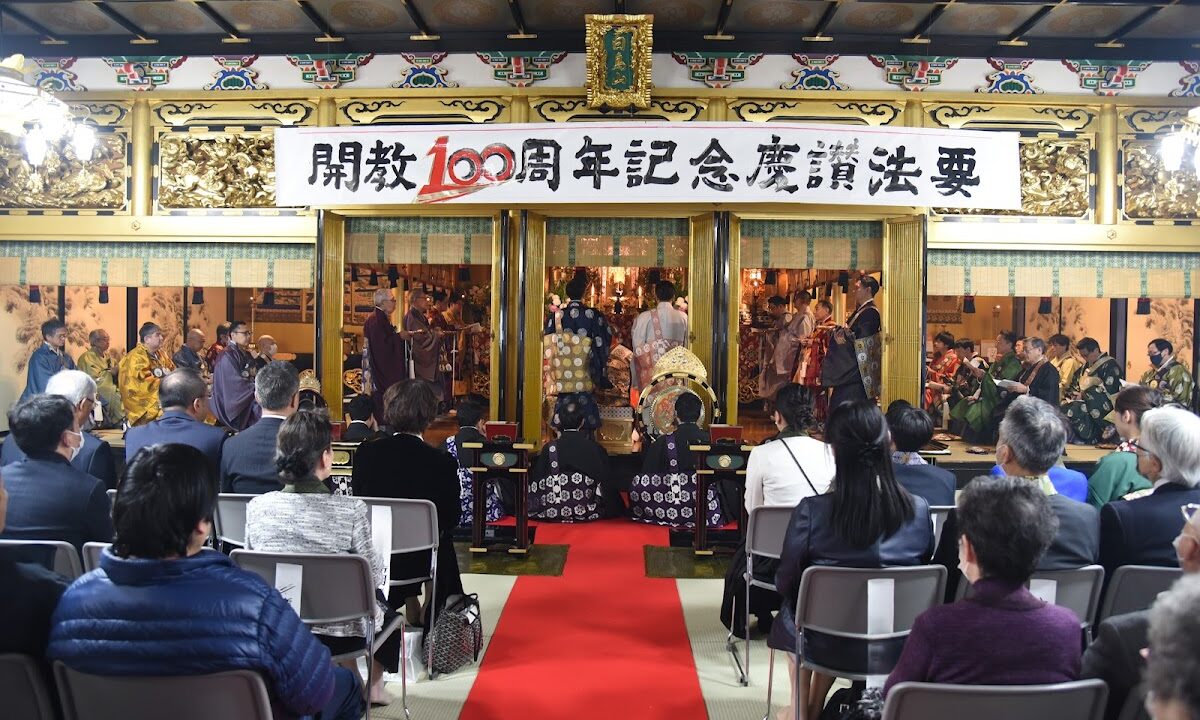
Since its founding in 1920 (Taisho 9), Kakueiji Temple has been deeply connected to the local community of Toyohira Ward for over 100 years. It functions not only as a place of worship for local residents but also as a cultural and social hub.
It plays diverse roles, such as serving as a gathering place for the elderly in the community and as an educational center for passing on Buddhist culture to the next generation.
About the Danka System
Kakueiji Temple is a temple with a danka system. A danka is a believer who provides economic and spiritual support to a specific temple. By becoming a danka, one can receive support from the temple during funerals and memorial services, and gain opportunities to participate in temple events and learn Buddhist teachings.
Those wishing to become a danka should consult with the temple.
The Teachings of Jodo Shinshu Buddhism and Modern Life
Applying Buddhist Wisdom to Daily Life
The teachings of Jodo Shinshu Buddhism do not require special training or difficult practices. The foundation of Jodo Shinshu Buddhism lies in chanting the Nembutsu (invocation of Amida Buddha) in daily life and living with gratitude for the compassion of Amida Buddha.
Jodo Shinshu Buddhism for Modern People:
- A teaching that encourages acceptance of oneself as one is
- Cultivating compassion and gratitude towards others
- Wisdom for confronting the issues of life and death
- A sense of security knowing that one can be saved even while burdened with worldly desires
In today’s stressful society, the teachings of Jodo Shinshu Buddhism serve as a guide to bring peace of mind.
Learning Through Dharma Talks
The Dharma talks held at Kakuei-ji Temple are a valuable opportunity to learn about Buddhist teachings. The easy-to-understand sermons, based on the head priest’s experience, provide wisdom that can be useful in various situations in daily life.
About Funerals and Memorial Services
Jodo Shinshu Funerals
Kakuei-ji Temple conducts funerals according to the customs of the Jodo Shinshu Honganji sect. Jodo Shinshu funerals are positioned as a place to send the deceased to the Pure Land and for the bereaved family to encounter the teachings of Amida Buddha. Characteristics of Jodo Shinshu Funerals:
- No use of purifying salt (as there is no concept of impurity)
- No concern for Tomobiki (a day considered unlucky for funerals)
- A Buddhist name (Hōmyō) is bestowed instead of a posthumous Buddhist name (Kaimyō)
- Instead of praying for the deceased’s enlightenment, the belief is that they have already attained rebirth in the Pure Land
Memorial Services
Memorial services held on the anniversary of the deceased’s death can also be conducted at Kakuei-ji Temple. Holding memorial services on milestone anniversaries such as the first, third, seventh, and thirteenth anniversaries provides an opportunity to remember the deceased and to reflect on Buddhist teachings.
The date and content of the memorial service can be decided in consultation with the temple.
Modern Initiatives of Kakuei-ji Temple
Information Dissemination
Kakuei-ji Temple has launched an official website to disseminate information about the temple and its event schedule. We strive to let more people know about the temple’s activities through the internet.
Official Website: https://www.kakueiji2025.com/
The website provides information about Kakueiji Temple, including its ossuary and annual events.
Responding to Modern Needs
In today’s society, characterized by a declining birthrate, an aging population, and the rise of nuclear families, the role expected of temples is changing. Kakueiji Temple is addressing modern needs by offering services such as perpetual memorial services and ossuaries.
They also offer consultations on end-of-life planning and pre-need memorial services, providing support to ensure a peaceful final stage of life.
Summary
Kakueiji Temple is a Jodo Shinshu Honganji-ha temple located in Toyohira-ku, Sapporo City. Since its founding in 1920 (Taisho 9), it has walked hand in hand with the local community. It bears the beautiful mountain name Shiratori-zan, and since its founding by Reverend Kakusho Unno, successive chief priests have continued to transmit the teachings of Jodo Shinshu Buddhism.
Conveniently located a 5-minute walk from Kikusui Subway Station, it is easily accessible for worship and grave visits. The temple is equipped with a columbarium and offers memorial services that meet modern needs.
Throughout the year, various memorial services and events are held, and opportunities to learn about Buddhist teachings are provided through Dharma talks and other events. Consultations regarding Buddhist matters such as funerals, memorial services, interment, and perpetual memorial services are also accepted, making it a spiritual haven for the local community.
For detailed information about Kakuei-ji Temple, or to make an appointment for a visit or consultation, please contact us by phone (011-821-4114) or through our official website. We warmly welcome those seeking peace of mind through the teachings of Jodo Shinshu Buddhism.