Kamo Kasuga Shrine (Fuefuki City, Yamanashi Prefecture) Complete Guide | History, Goshuin (Shrine Seal), and Access Information
Kamo Kasuga Shrine, located in Kasugai-cho, Fuefuki City, Yamanashi Prefecture, is a historically significant shrine counted among the 20 shrines of Kai Province. It boasts a unique history, having been formed by the merger of Kamo Shrine and Kasuga Shrine after a great flood in 1517. Its distinctive feature is its three-bay nagare-zukuri style main hall, rare in Yamanashi Prefecture. This article provides a detailed overview of Kamo Kasuga Shrine, including its history, highlights, goshuin (shrine seal), and access information.
History and Origins of Kamo Kasuga Shrine
How Two Shrines Became One
The history of Kamo Kasuga Shrine traces back to two separate shrines. Kamo Shrine was founded during the reign of Emperor Kinmei (around 540 AD), and Kasuga Shrine was founded during the reign of Emperor Monmu (697-707 AD). The two shrines were originally located in different places, but in 1517 (Eisho 14), they were swept away by a great flood caused by the overflowing of the Kotorigawa River (present-day Fuefukigawa River).
During this great flood, the sacred objects of both shrines drifted to their current location. This was interpreted as a divine sign, and the shrines were rebuilt as a single entity. This merger was not merely a matter of convenience; it is a mystical event, passed down through generations in the region, where the two shrines were united after overcoming the ordeal of a natural disaster.
Protection and Reconstruction under Tokugawa Ieyasu
Even after the merger, Kamo Kasuga Shrine suffered further disasters, including being destroyed by fire. However, in 1583 (Tensho 11), it was rebuilt with a grant and official seal from Tokugawa Ieyasu. This placed the shrine under the protection of the Tokugawa family, and it developed into a center of local faith.
The current main hall was rebuilt in 1701 (Genroku 14), and is a valuable structure with a history of over 320 years. This main shrine building is constructed in the authentic style of a three-bay nagare-zukuri (stream-style) shrine, with three bays on the front and two bays on the sides. It is highly valued as a rare and valuable example of such a structure in Yamanashi Prefecture.
Deities Enshrined
Kamo Kasuga Shrine enshrines six deities in total: the deities of both Kamo Shrine and Kasuga Shrine.
Deities of Kamo Shrine
- Tamayorihime-no-Mikoto: Mother goddess of Emperor Jimmu, the first emperor of Japan
- Kamo Wakeikazuchi-no-Mikoto: Principal deity of Kamigamo Shrine in Kyoto
- Kamuyamato Iwarebiko-no-Mikoto: First emperor of Japan
Deities of Kasuga Shrine
- Amenokoyane-no-Mikoto: One of the principal deities of Kasuga Taisha Shrine in Nara
- Futsunushi-no-Mikoto: God of War
- Takemikazuchi-no-Mikoto: God of War
A distinctive feature of Kamo Kasuga Shrine is that it enshrines the same deities as Kasuga Taisha Shrine in Nara, and the architectural style of the main hall is also the same nagare-zukuri style as Kasuga Taisha Shrine. For this reason, Kamo Kasuga Shrine is sometimes called “Yamanashi’s Kasuga Taisha Shrine.”
Highlights of the Shrine Grounds
The Main Hall in the Three-Bay Nagare-Zu Style
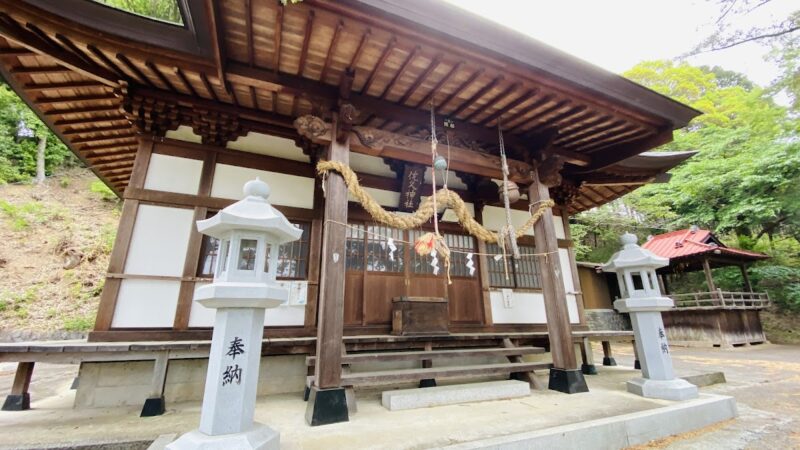
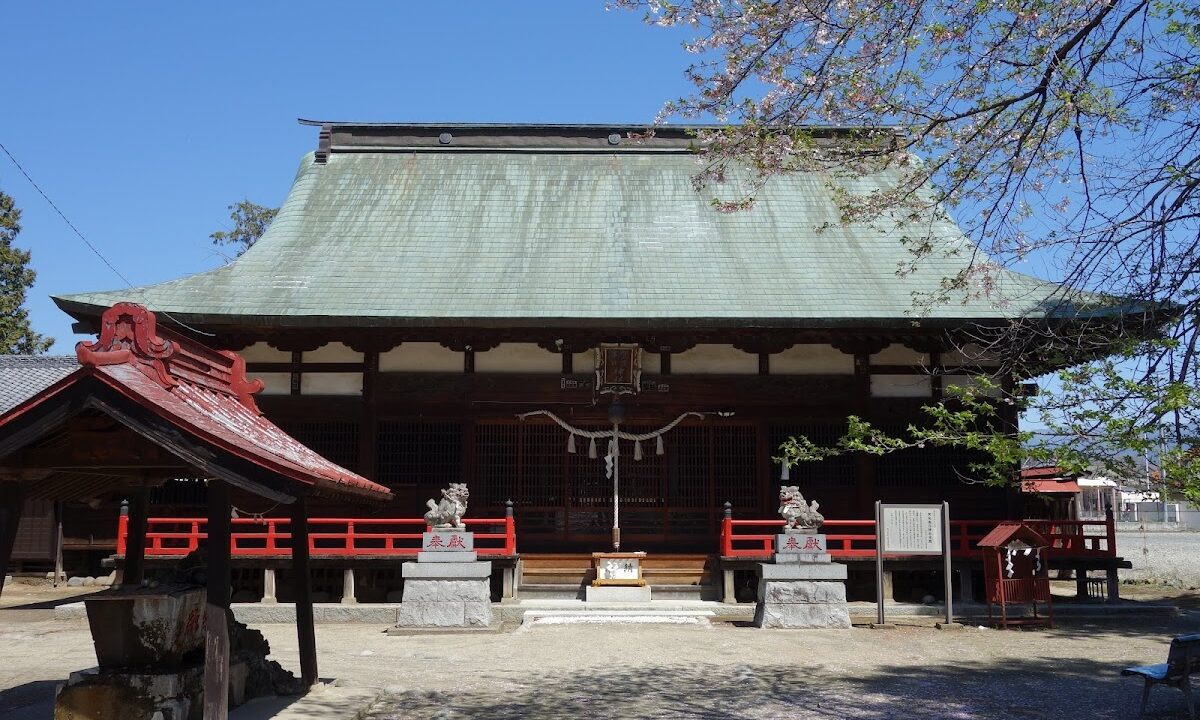
The greatest highlight of Kamo Kasuga Shrine is the main hall, rebuilt in 1701 (Genroku 14). The three-bay nagare-zukuri architectural style is a rare form in Yamanashi Prefecture, with a front facade measuring three bays (approximately 5.4 meters). The beautiful curves of the roof and the detailed carvings are exquisite, preserving the characteristics of shrine architecture from the mid-Edo period.
Nagare-zukuri is one of the most common styles of Japanese shrine architecture, characterized by a roof that flows long and gracefully across the front. This style developed at Kasuga Taisha in Nara, and the main hall of Kamo Kasuga Shrine demonstrates its architectural connection to Kasuga Taisha.
Atmosphere of the Approach and Shrine Grounds
Located in a quiet area slightly east of National Route 140, Kamo Kasuga Shrine boasts a tranquil atmosphere. As you proceed along the approach, you are greeted by a torii gate and worship hall that evoke a sense of history. The shrine grounds are meticulously maintained, reflecting the care and dedication of the local community.
Charm as a Cherry Blossom Spot
Kamo Kasuga Shrine is also known as a famous cherry blossom spot. Approximately 30 cherry trees are planted on the grounds, blooming magnificently from late March to early April. The combination of the historic shrine architecture and the cherry blossoms is deeply evocative, making it a popular spring attraction for many worshippers and tourists.
It’s also a popular cherry blossom spot in the Isawa Onsen area, making it a great place to visit in conjunction with a hot spring trip. When the blossoms are in full bloom, the grounds are bathed in pink, creating a magical atmosphere.
Goshuin (Shrine Seal) Information
Goshuin are available at Kamo Kasuga Shrine. They are given out at the priest’s residence next to the shrine. After your visit, please visit the adjacent house to request a goshuin.
The goshuin features the calligraphy of “Kamo Kasuga Shrine” and the shrine’s seal, resulting in a simple yet dignified finish. You can bring your own goshuincho (stamp book) or receive a pre-written goshuin.
Points to Note When Receiving a Goshuin
- Please receive your goshuin after completing your prayers.
- Since you will be visiting the priest’s home, it is recommended to visit during reasonable hours (around 9:00 AM to 5:00 PM).
- The priest may be absent, so if you want to be sure to receive a goshuin, consider contacting them in advance.
- Please prepare a donation (generally around 300 to 500 yen).
Basic Information
Shrine Details
- Official Name: Kamo Kasuga Shrine
- Location: 319 Kamo, Kasugai-cho, Fuefuki City, Yamanashi Prefecture 406-0005
- Main Deities: Tamayorihime-no-Mikoto, Kami Yamato Iwarebiko-no-Mikoto, Kamo Wakeikazuchi-no-Mikoto, Amenokoyane-no-Mikoto, Futsunushi-no-Mikoto, Takemikazuchi-no-Mikoto
- Founding: Kamo Shrine was founded during the reign of Emperor Kinmei (around 540 AD), Kasuga Shrine during the reign of Emperor Monmu (697-707 AD), and the two shrines were merged in 1517.
- Shrine Rank: One of the 20 shrines of Kai Province
- Annual Festival Days: Multiple festivals are held throughout the year.
- Goshuin (Shrine Seal): Available (given at the priest’s residence)
- Parking: Available (several spaces around the shrine grounds)
- Admission Fee: Free
- Visiting Hours: Open all day (Goshuin available only during the daytime)
Nearby Attractions
Kamo Kasuga Shrine is located in the Isawa Onsen area, making it an ideal location to visit in conjunction with sightseeing.
Isawa Onsen: One of Yamanashi Prefecture’s leading hot spring resorts, with many hot spring inns and hotels. You can relax in the hot springs after visiting the shrine.
Fuefuki River Fruit Park: Located about 15 minutes by car, this park is themed around Yamanashi’s fruits. It offers wonderful views and is recommended for families.
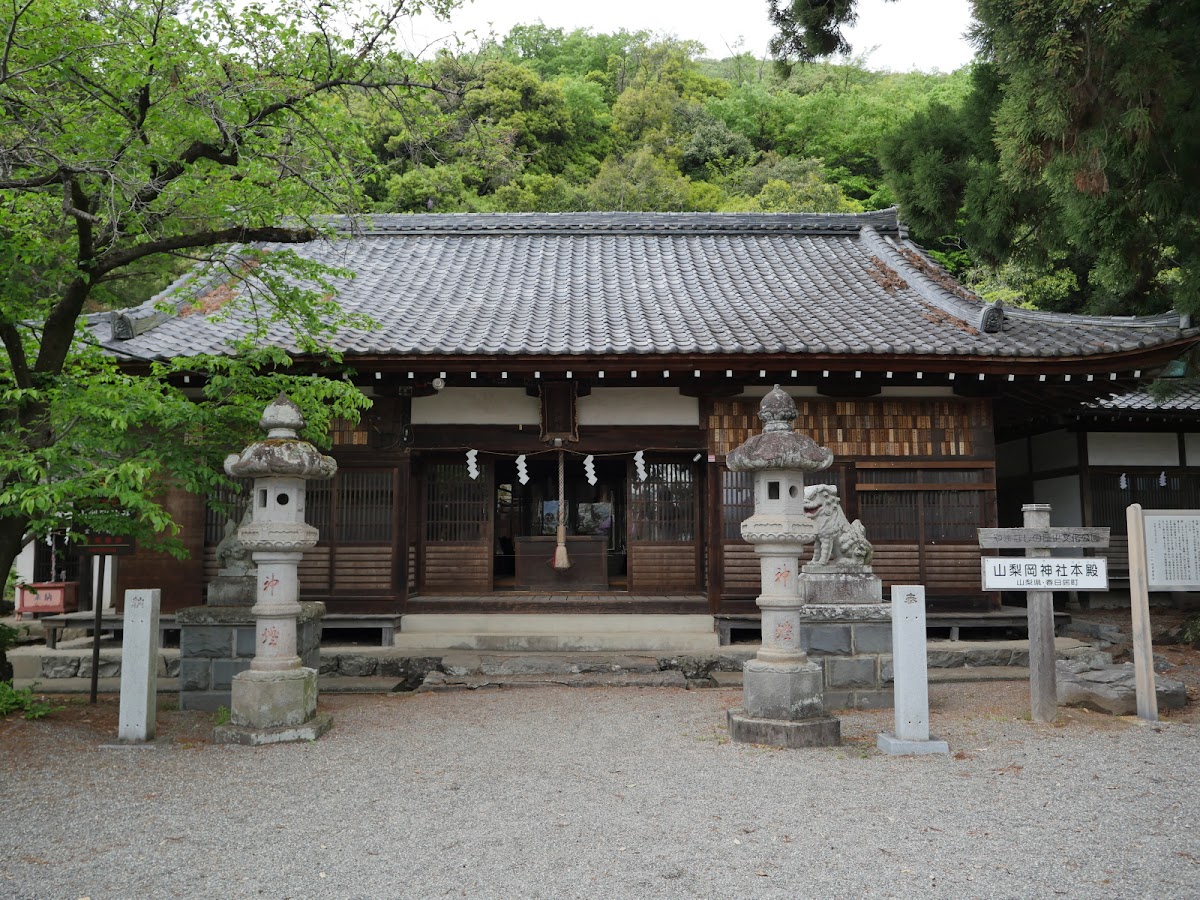
Yamanashioka Shrine: Also located in Fuefuki City, this is an Engishiki-era shrine and is considered the birthplace of the place name “Yamanashi.” Visiting both is recommended.
Access
Access by Train
The nearest station is JR Chuo Main Line’s “Isawa Onsen Station.”
- From Isawa Onsen Station: Approximately 20 minutes on foot, or approximately 5 minutes by taxi.
- From Kasugai-cho Station: Approximately 15 minutes on foot.
From Isawa Onsen Station, head north on National Route 140 towards Kasugai-cho. Walking from the station allows you to enjoy the atmosphere of the hot spring town.
Access by Car
- From the Chuo Expressway “Ichinomiya-Misaka IC”: Approximately 10 minutes (approx. 5 km)
- From the Chuo Expressway “Katsunuma IC”: Approximately 15 minutes (approx. 8 km)
Located along National Route 140, it’s relatively easy to find by following road signs and directions. The shrine is located a short distance east of National Route 140.
Car Navigation Settings
Searching by address “319 Kamo, Kasugai-cho, Fuefuki City, Yamanashi Prefecture” or phone number will provide accurate directions. While searching for “Kamo Kasuga Shrine” may also work, both spellings (“Kamo Kasuga Shrine” and “Kamo Kasuga Shrine”) are used, so searching by address is more reliable.
Parking Information
There are several parking spaces around the shrine grounds. During peak seasons such as cherry blossom season, the parking lot may be full, so consider using public transportation. If you plan to visit in a large vehicle, it is recommended to check in advance.
Manners and Recommended Time for Visiting a Shrine
Proper Etiquette for Visiting a Shrine
- Bow before passing through the torii gate.
- Avoid walking in the center of the path (the center is considered the path of the gods).
- Purify your body and mind at the water basin.
- At the main hall, perform the ritual of two bows, two claps, and one bow.
- When leaving, turn back and bow after exiting the torii gate.
Recommended Time for Visiting a Shrine
Spring (Late March to Early April): This is the most beautiful time, as the cherry blossoms are in full bloom. The shrine grounds are dyed pink with cherry blossoms, making it ideal for photography.
Hatsumode (January 1st to 3rd): The shrine is bustling with New Year’s visitors. You can experience the atmosphere of celebrating the New Year together with the local people.
Annual Festival Day: On days when the shrine’s festivals are held, you can experience a solemn atmosphere different from the usual.
Weekday Mornings: For those who wish to visit in peace and quiet, weekday mornings are recommended. You can visit the shrine at your leisure in a calm atmosphere.
Enjoying it in conjunction with Isawa Onsen sightseeing
Kamo Kasuga Shrine is located in the Isawa Onsen area, so a trip combining it with hot spring sightseeing is recommended.
Sample Itinerary
Day Trip
- Morning: Visit Kamo Kasuga Shrine
- Lunch: Lunch in Isawa Onsen town
- Afternoon: Bathing at a day-trip hot spring facility
- Evening: Enjoying the sunset at Fuefukigawa Fruit Park
Overnight Stay
- Day 1 Afternoon: Arrive at Isawa Onsen, check in
- Day 1 Evening: Visit Kamo Kasuga Shrine (Beautiful at sunset during cherry blossom season)
- Day 1 Night: Dinner and hot springs at a hot spring inn
- Day 2 Morning: Visiting nearby shrines and temples (e.g., Yamanashioka Shrine)
- Day 2 Afternoon: Winery visit or fruit picking
Isawa Onsen offers a variety of accommodations, allowing you to choose according to your budget and preferences. Combining hot springs with shrine visits will make for a fulfilling trip that refreshes both mind and body.
History and Culture of Fuefuki City
Fuefuki City, where Kamo Kasuga Shrine is located, is situated in the central part of Yamanashi Prefecture and has flourished since ancient times as one of the centers of Kai Province. Many historical shrines and temples are scattered throughout the city, including Yamanashioka Shrine, a shrine listed in the Engishiki (an ancient Japanese legal code).
The fertile land, blessed by the Fuefuki River, is suitable for fruit cultivation and is nationally known as a production area for peaches and grapes. In spring, peach blossoms bloom all at once, creating a beautiful landscape known as a “peach blossom paradise.”
It is also known as a place associated with Takeda Shingen, and many historical sites from the Sengoku period remain. As evidenced by the fact that Kamo Kasuga Shrine received patronage from Tokugawa Ieyasu, this region has been an important stage in history.
What are the Twenty Shrines of Kai Province?
Kamo Kasuga Shrine is counted as one of the “Twenty Shrines of Kai Province.” The Twenty Shrines of Kai Province are a selection of particularly historically significant shrines within Yamanashi Prefecture, primarily those listed in the Engishiki (an ancient Japanese legal code). A pilgrimage to these 20 shrines is a popular way to gain a deep understanding of Yamanashi’s history and culture.
The other 20 shrines include Asama Shrine, Takeda Shrine, Anagiri Ojinja Shrine, and Miwa Shrine, each possessing its own unique history and characteristics. Visiting the other 20 shrines after visiting Kamo Kasuga Shrine will allow you to gain a deeper understanding of Yamanashi’s shrine culture.
Summary
Kamo Kasuga Shrine has a unique history, having been formed by the dramatic event of a great flood in 1517, which merged two shrines into one. It boasts many attractions, including its rare three-bay nagare-zukuri style main hall, approximately 30 cherry trees that bloom beautifully in spring, and its status as one of the Twenty Shrines of Kai Province.
Located in the Isawa Onsen area, it’s easily accessible for sightseeing, and since it offers Goshuin (shrine stamps), it’s ideal as part of a shrine pilgrimage. Spending time praying in the tranquil atmosphere of a historic shrine will be a precious experience, a welcome escape from the hustle and bustle of everyday life.
When you visit Yamanashi Prefecture, be sure to stop by Kamo Kasuga Shrine. The mystical history of the two shrines uniting and the beautiful main hall, with its history of over 320 years, will warmly welcome visitors.